
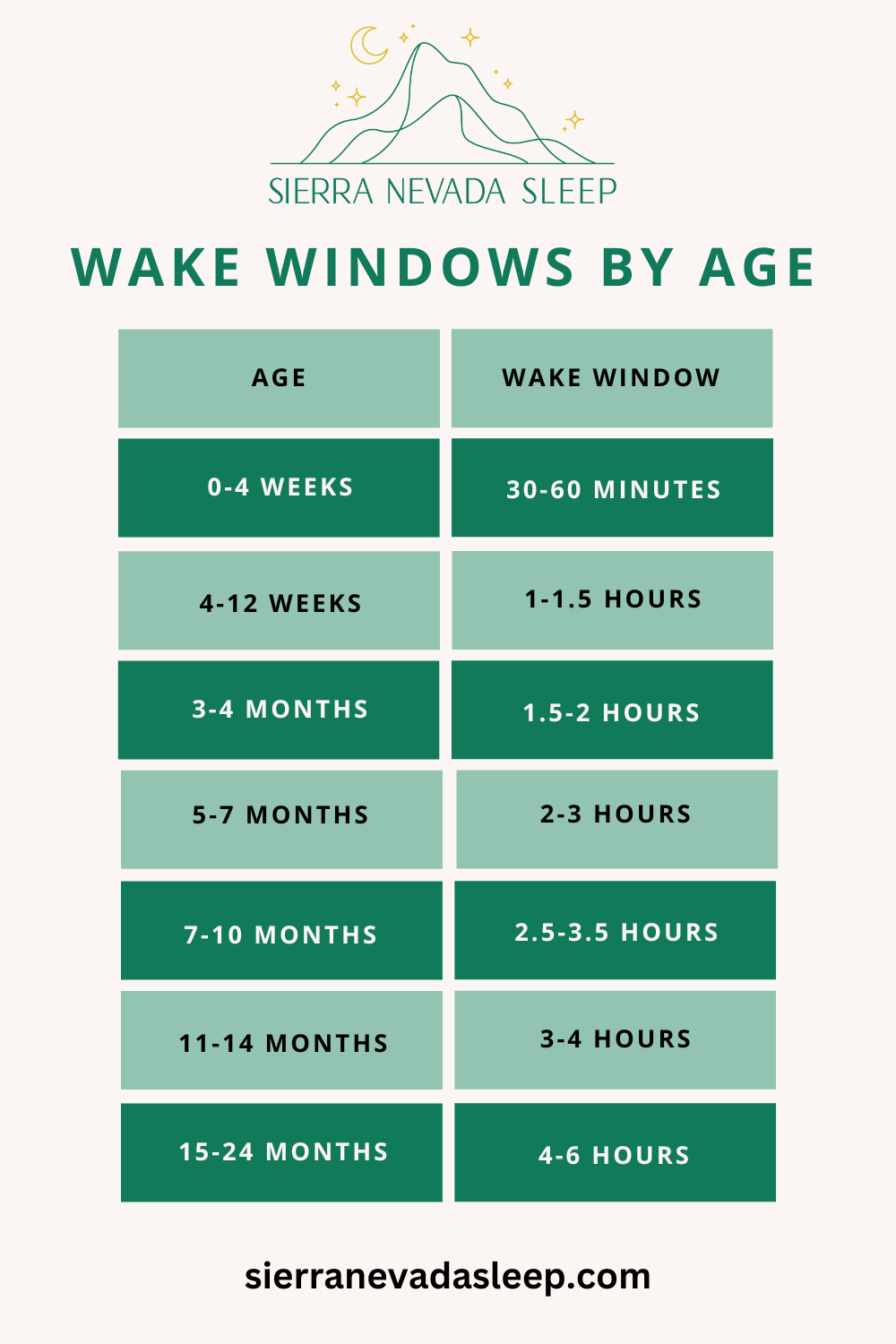
Most babies need wake windows that grow from about 45 minutes to 4 hours.
I’ve guided dozens of families through sleep transitions, and understanding baby wake windows by age is the single most practical step to better naps and nights. This guide breaks down wake windows by age, signs your baby needs sleep, sample schedules, common mistakes, and real-world tips you can use tonight. Read on to learn exact wake-window ranges, how to read sleepy cues, and how to adapt as your child grows.
Understanding wake windows and why they matter
Wake windows are the stretches of time a baby is awake between sleeps. They set how tired a baby is when you try to put them down. Followed well, wake windows help babies fall asleep easier, nap longer, and sleep better at night.
Why wake windows matter:
- They balance sleep pressure and overtiredness.
- They reduce bedtime battles and middle-of-night wakings.
- They guide nap timing and total daytime sleep.
How wake windows change:
- Newborns have short windows and nap often.
- Older infants tolerate longer wakes and need fewer naps.
- Growth, illness, and milestones shift windows temporarily.

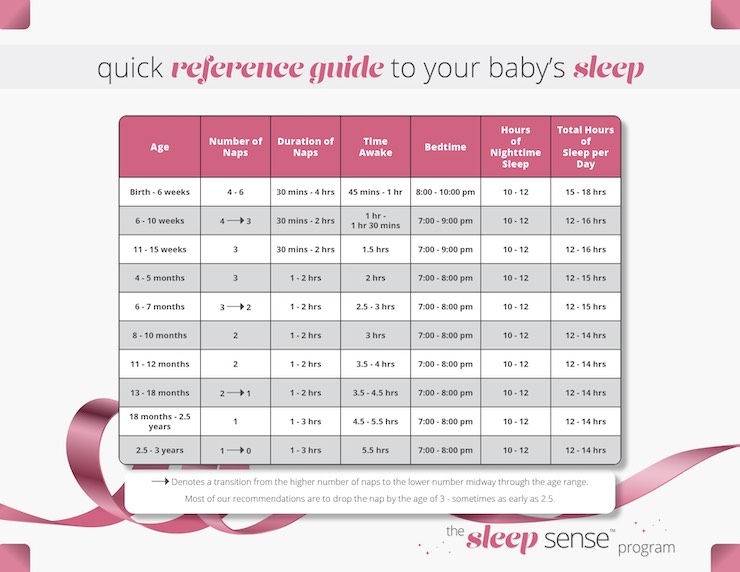
Baby wake windows by age — clear ranges and what to expect
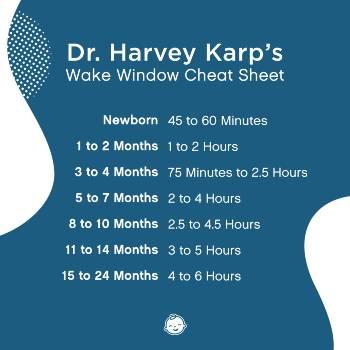
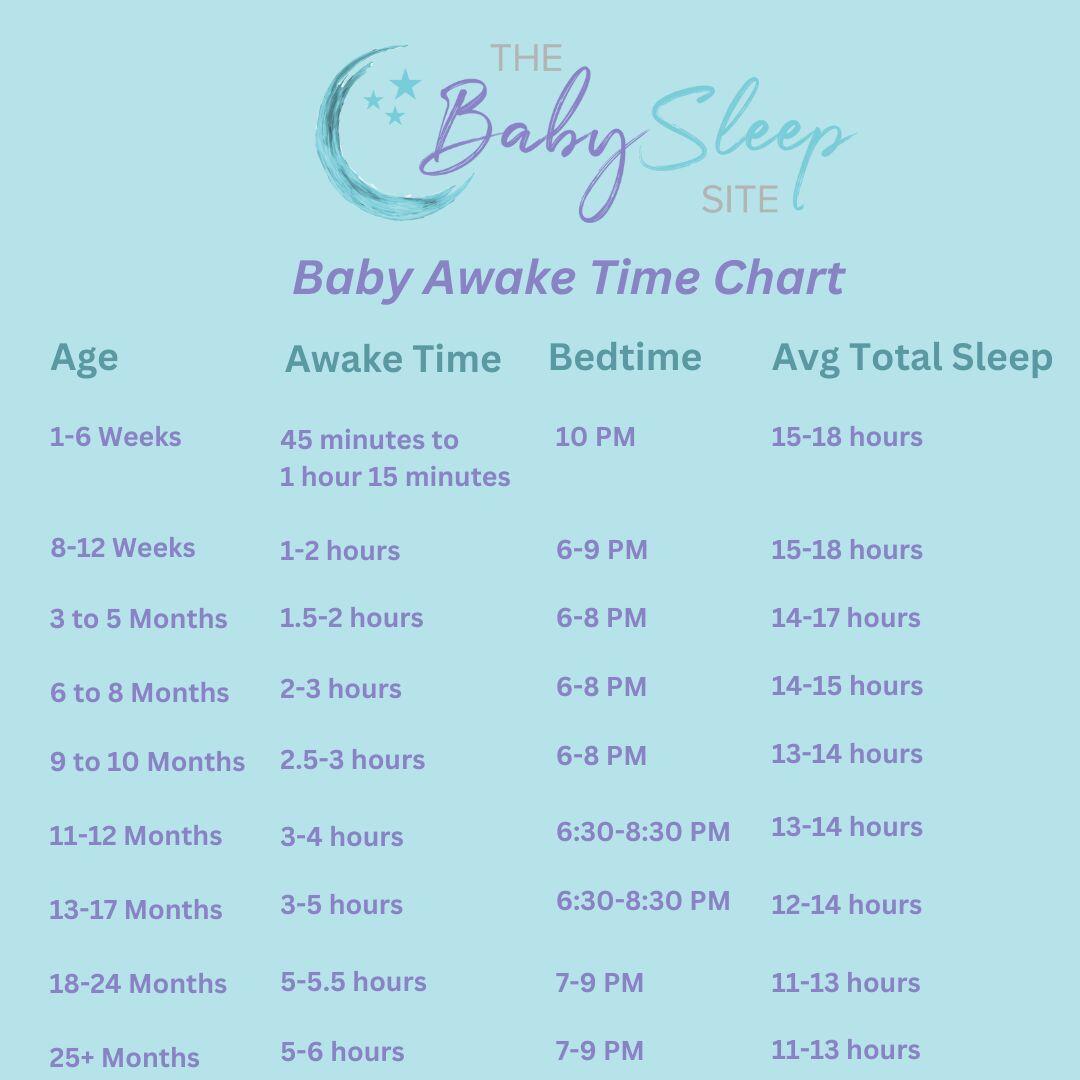
Below are practical wake-window ranges organized by age. Use them as a starting point. Every baby is different, so adjust for temperament and cues.
-
0 to 6 weeks
- Wake windows: 30 to 60 minutes.
- Expect frequent sleep and irregular naps. Feed-driven schedule dominates.
- Night sleep is fragmented.
-
6 to 8 weeks
- Wake windows: 45 to 60 minutes.
- Slightly longer awake periods. Early routine may begin.
-
2 months
- Wake windows: 60 to 90 minutes.
- More predictable naps begin. Sleep associations form.
-
3 months
- Wake windows: 60 to 90 minutes, sometimes up to 2 hours.
- Daytime sleep often 3 naps. Night sleep may consolidate a bit.
-
4 months
- Wake windows: 1.5 to 2 hours.
- Four-month sleep regression may change patterns. Nap lengths can shift.
-
5 to 6 months
- Wake windows: 2 to 2.5 hours.
- Many babies transition to 3 naps then down to 2 naps around 6 months.
-
7 to 9 months
- Wake windows: 2.5 to 3 hours.
- Most babies on 2 naps. Mobility and separation anxiety may affect sleep.
-
9 to 12 months
- Wake windows: 2.75 to 3.5 hours.
- Two naps usually stable. Night wakings may decline.
-
12 to 18 months
- Wake windows: 3 to 4 hours.
- Transition toward one nap usually occurs around 15–18 months for many children.
Tips for use:
- Start with the lower end if your baby is fussy or easily overtired.
- Move toward the upper range for well-rested, easily-settling babies.
- Short naps or poor night sleep often mean the wake window was too long or too short.
Signs your baby is tired — cues to watch
Reading cues is often better than strictly timed schedules. Look for these clear signs:
- Yawning and slowed blinking.
- Rubbing eyes or face.
- Loss of interest in toys or people.
- Fussiness, crying, or sudden clinginess.
- Decreased movement or zoning out.
How to respond:
- Begin a calm wind-down when early cues appear.
- If late cues (crying, hyperactivity) appear, shorten next wake window to prevent overtiredness.
- Keep routines simple: dim lights, soft voice, quiet activities.

Practical nap and schedule strategies by age
Use these sample approaches as templates. Adjust with your baby’s cues and family life.
Newborn to 2 months:
- Follow feed-play-sleep cycles.
- Sleep when baby sleeps; avoid strict timing.
- Offer short awake periods and frequent naps.
3 to 5 months:
- Aim for three to four naps early, moving to three.
- Use 60–90 minute wake windows.
- Create a short pre-nap routine for cues.
6 to 8 months:
- Shift to two to three naps, then two.
- Use 2 to 2.5 hour wake windows.
- Encourage independent settling with brief soothing techniques.
9 to 12 months:
- Two naps, consistent routine.
- Use 2.75 to 3.5 hour wake windows.
- Work on self-soothing and consistent bedtime.
12+ months:
- Prepare for one-nap transition around 15–18 months.
- Use 3 to 4 hour wake windows.
- Keep naps predictable and cap late-afternoon awake times.
Sample daily schedule (6–9 months):
- Wake: 7:00 AM
- Nap 1: 9:30 AM (2.5-hour wake window)
- Nap 2: 1:00 PM (3-hour wake window)
- Bedtime routine: 6:30–7:00 PM (3.5–4 hour wake window)
Common mistakes and how to avoid them
Avoid these frequent errors that disrupt good sleep.
-
Ignoring tired cues
- Fix: Start wind-down at first cues, not when baby is overtired.
-
Over-extending wake windows to “tire baby out”
- Fix: Follow recommended windows; overtired babies resist sleep.
-
Rigidly following a clock without cues
- Fix: Use both time and behavior to decide naps.
-
Inconsistent nap routines
- Fix: Keep nap routines short and consistent.
-
Pushing for too long before transitioning naps
- Fix: Watch sleep quality, not just age. Move to one nap when short naps and long evenings increase.
Adjusting wake windows during regressions, illness, and travel
Sleep changes are normal. Adjust wake windows to match the situation.
During regressions or milestones:
- Shorten wake windows by 15–30 minutes.
- Offer extra naps and more soothing.
When baby is sick:
- Allow more sleep and shorter awake time.
- Prioritize frequent feeds and comfort.
While traveling or changing time zones:
- Keep routines flexible.
- Use light and feeding cues to shift schedules gradually.
Personal experience: what worked for families I coached
I’ve worked with parents who tried rigid clocks and failed. Shifting to flexible wake windows changed outcomes quickly.
What I learned:
- Small timing tweaks matter. Moving a nap 15 minutes earlier often helped.
- Consistent short routines eased transitions.
- Asking parents to track awake times for a week revealed patterns they hadn’t seen.
Real-life tip:
- Keep a simple log for 3–5 days of wake windows and sleep lengths. Patterns become obvious. Adjust one element at a time and measure results.

Quick PAA-style questions
What if my baby fights naps but sleeps longer at night?
- Often the baby’s wake windows are too short or too long. Try shifting windows by 15–30 minutes and watch nap length.
Can wake windows fix night wakings?
- They can help reduce wakings caused by overtiredness or irregular naps. Night wakings from hunger or illness need other responses.
When should I move from two naps to one?
- If your child routinely resists the second nap and bedtime stays late, they may be ready to consolidate into one nap, usually around 15–18 months.

Frequently Asked Questions of baby wake windows by age
What exactly are wake windows and why do they matter?
Wake windows are the time a baby spends awake between sleeps. They matter because they control sleep pressure and help babies settle into naps and bedtime.
How strict should I be with wake windows by age?
Be flexible. Use wake-window ranges as a guide and follow your baby’s cues. Small adjustments matter more than strict timing.
My newborn sleeps all day but wakes at night—what should I do?
Newborns follow feed-driven rhythms. Focus on day-night cues: bright days, quiet nights, and gentle routines to help circadian rhythm mature.
Can I make my baby stay awake longer to consolidate naps?
No. Forcing longer wake windows often creates overtiredness and worse sleep. Gradual adjustments and consistent routines work better.
Are wake windows the same for every baby?
No. Genetics, temperament, health, and environment affect wake windows. Use ranges and tweak for your child’s needs.
Conclusion
Understanding baby wake windows by age gives you clear, actionable steps to improve naps and nights. Start with recommended wake-window ranges, watch tired cues, and make small changes while tracking results. Try one change at a time, be patient, and trust that consistent routines pay off. If this guide helped, subscribe for more practical sleep tips or share your experience in the comments below.

Emma Grace is a devoted mother and passionate content writer at BestBabyCart.com. With firsthand parenting experience and a love for research, she creates helpful guides and honest reviews to support parents in choosing the best for their babies. Her goal is to make parenthood easier, one article at a time.