
Breastfeeding is a special bonding time for mothers and newborns. Finding the best position can enhance comfort and feeding success.
New mothers often seek guidance on how to hold their baby during nursing. This search for the best breastfeeding positions can ease anxiety and promote a smoother experience for both mother and child. Comfort is key. The right position can prevent soreness and ensure the baby latches properly.

It can also help the baby feed more effectively, ensuring they get the nutrition they need. Different positions suit different situations, like after a cesarean or when nursing twins. In this guide, we’ll explore various breastfeeding positions. Each position offers its unique advantages. Let’s dive into the details and help make your breastfeeding journey smoother and more enjoyable.
Introduction To Breastfeeding
Breastfeeding is a vital part of a newborn’s development. It offers essential nutrients and fosters a strong bond. Many new parents wonder about the best positions for feeding. Understanding these can make the process smoother and more comfortable.

Benefits For Newborns
Breastfeeding provides newborns with vital nutrients and antibodies. These help protect against infections and illnesses. It supports healthy growth and brain development. Breast milk is easy for babies to digest. This reduces the risk of constipation and colic.
Common Challenges
Many new parents face challenges with breastfeeding. Finding a comfortable position is often a concern. Latching can be difficult for some babies. This can cause discomfort for the mother. Sometimes, milk supply may seem insufficient. Stress or fatigue can also affect breastfeeding. Support and guidance can help overcome these issues.

Credit: readysetfood.com
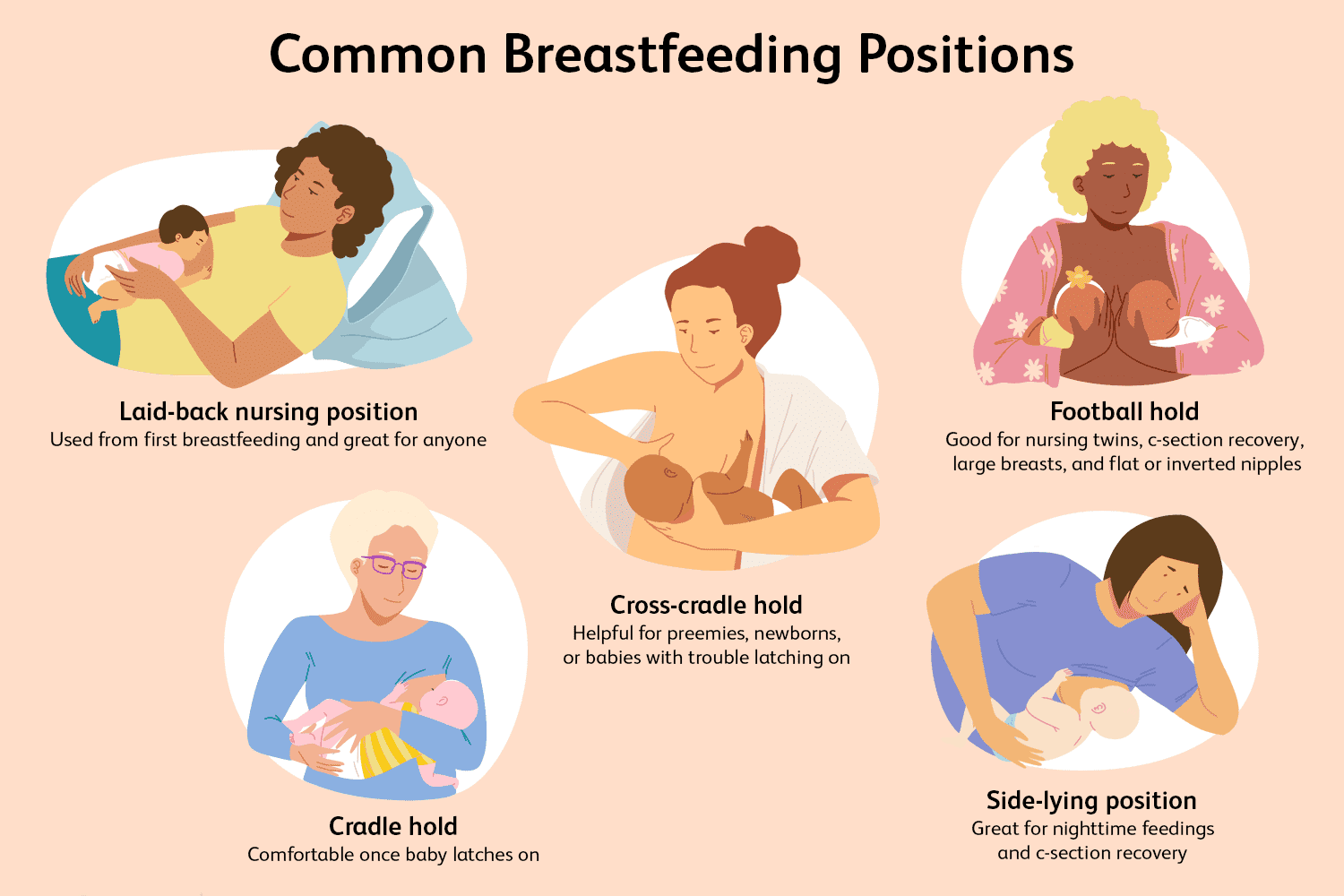
Cradle Hold Technique
The cradle hold is a popular breastfeeding position for newborns. This technique offers comfort and ease for both mother and baby. It’s a natural way to hold your baby close. The cradle hold supports bonding during feeding. Mothers often find this position relaxing. It can help establish a good breastfeeding routine.
Positioning The Baby
Start by sitting in a comfortable chair. Use a pillow for extra support if needed. Hold your baby in your lap. Ensure their head rests on your forearm. Their body should face yours. Tuck your baby’s lower arm under your breast. This helps keep them in position. Their mouth should be level with your nipple. A good latch is important for feeding.
Ensuring Comfort
Make sure both of you are relaxed. Adjust your baby’s position if needed. Your back should be straight. Avoid leaning forward too much. Supporting your elbow with a cushion can help. Check your baby’s neck is not twisted. Their body should be in a straight line. This prevents feeding difficulties.
Comfort is key in the cradle hold technique. A relaxed environment makes breastfeeding pleasant. Adjust your seating as necessary. Enjoy these precious moments with your newborn.
Cross-cradle Hold
The cross-cradle hold offers excellent support for newborns during breastfeeding. This position helps guide the baby’s head to the breast effectively. It enhances comfort for both mother and baby, creating a secure latch.
Breastfeeding is a journey filled with learning, and finding the right position can make all the difference for both you and your newborn. The Cross-Cradle Hold is a popular choice among new moms due to its supportive nature. This position allows you to have better control over your baby’s head, making it easier for them to latch properly. It’s a great way to start building a successful breastfeeding experience right from the beginning.
Ideal For Newborns
The Cross-Cradle Hold is perfect for newborns because it provides extra support and stability during feeding. Unlike the traditional cradle hold, this position lets you guide your baby’s head with more precision. Imagine having the confidence to help your baby latch correctly without struggling. Many new moms, including myself, have found this position comforting, especially during those early days when everything feels so new and uncertain.
Hand Placement Tips
How you position your hands can make or break the comfort level of the Cross-Cradle Hold. Start by using the opposite hand to support your baby’s head. Your thumb and fingers should form a ‘C’ shape around the baby’s neck and shoulders. This ensures that their head is supported without restricting their movement. Consider practicing in front of a mirror to get the angles just right. A small adjustment can lead to a more comfortable latch for your baby. Have you noticed how much calmer your baby is when you feel confident in your technique? That’s the magic of good hand placement. Engaging with your baby during feeding can turn these moments into bonding experiences. How does your baby respond to your touch? Observing these reactions can help you adjust and improve your breastfeeding technique. Remember, each feeding is a chance to strengthen your connection with your little one.
Football Hold Approach
The Football Hold Approach is a popular breastfeeding position. It is ideal for newborns and provides comfort to the mother. The baby is tucked under the arm like a football. This position allows the baby’s body to be supported easily. Mothers can see the baby’s face clearly. This helps in monitoring the latch and the baby’s comfort.
Suitable For Mothers With C-sections
Mothers with C-sections often face discomfort while breastfeeding. The Football Hold Approach helps in reducing pressure on the abdomen. The baby’s weight is supported by the arm and hand. This position avoids the incision area, offering relief to the mother. Mothers can sit comfortably without straining their stomachs. It is essential for healing and comfort.
Achieving Proper Latch
Proper latch is crucial for effective breastfeeding. The Football Hold Approach facilitates a good latch. Mothers can guide the baby’s head to the breast easily. The baby’s mouth should cover the nipple and areola. This ensures milk flow and prevents nipple pain. Keeping an eye on the latch helps in adjusting if needed. Comfort for both mother and baby is achieved.
Side-lying Position
Lying on the side is a comfortable breastfeeding position for newborns. It allows both mother and baby to relax. This position is ideal for nighttime feedings, providing ease and closeness.
Breastfeeding can be a challenging yet rewarding journey for new mothers. The side-lying position offers a comfortable option, especially during those late-night feedings. This position allows you to rest while feeding, which is a game-changer for tired parents. It involves lying on your side, facing your baby, who is also lying on their side. This setup encourages a relaxed atmosphere, making breastfeeding a more soothing experience for both you and your newborn.
Nighttime Breastfeeding
Nighttime feedings are inevitable with a newborn. The side-lying position can be your best friend during these hours. It allows you to feed your baby without having to sit up or move too much, promoting rest. Imagine being able to lie down and feed your baby simultaneously. It’s not only efficient but also helps you catch some much-needed rest. This position minimizes the disruption of your sleep cycle, making those frequent night feedings a bit more bearable.
Safety Precautions
While the side-lying position offers comfort, safety should always come first. Ensure your baby’s nose is not pressed against your breast to allow free breathing. Keep pillows and blankets away from your baby to prevent suffocation hazards. It’s important to have a firm mattress that supports both you and your baby during feeding. Avoid falling asleep while breastfeeding in this position unless you’re in a safe co-sleeping setup. Always have a plan to transition your baby back to their crib or bassinet after feeding. Have you ever tried the side-lying position during nighttime feedings? It might just become your new favorite way to breastfeed, offering both convenience and comfort.
Laid-back Breastfeeding
Laid-back breastfeeding offers comfort and ease for new moms and their newborns. This position supports baby’s natural latch and allows both mother and child to relax. Perfect for bonding and ensuring a good feeding experience.
Breastfeeding is a cherished bond between you and your newborn. The laid-back breastfeeding position can transform this experience into a relaxing, natural moment for both of you. Imagine reclining comfortably, allowing your baby to find their own way to latch. This position promotes comfort and reduces strain, making breastfeeding easier for many mothers. It’s worth trying, especially if you’re feeling tense or overwhelmed.
Natural Positioning
Laid-back breastfeeding, also known as biological nurturing, is all about using your body’s natural shape to support your baby. You recline slightly, allowing gravity to work in your favor. Your chest becomes a supportive surface where your baby can lie at ease. This position minimizes the need for extra pillows and supports, making it less of a hassle. Think about how you naturally hold your baby close—this position mimics that. Your arms are free to cradle your little one gently, while your body supports them. This can be especially beneficial during those first few weeks when both you and your baby are adjusting to breastfeeding.
Encouraging Baby’s Instincts
Laid-back breastfeeding encourages your baby’s innate instincts to kick in. Babies have a natural rooting reflex that helps them find the breast. In this relaxed position, your baby can instinctively nuzzle and latch on. This might reduce the need for constant adjustments or guidance from you. Have you noticed how your baby naturally turns their head towards your breast? This position allows them to use their instincts more effectively. It’s fascinating to see how even newborns can navigate their way to the breast when given the chance. This can be a game changer for mothers struggling with latch issues. By giving your baby the freedom to move, you’re helping them learn and adapt to breastfeeding in a stress-free environment. Why not give it a try and observe how your baby responds? You might find it simplifies the process and enhances your breastfeeding journey. Isn’t it intriguing how a simple change in position can make such a difference? How does your baby respond when you try laid-back breastfeeding?
Upright Or Koala Hold
Breastfeeding is a beautiful journey, but finding the right position can make all the difference for both you and your baby. One of the lesser-known yet highly effective positions is the Upright or Koala Hold. This position involves holding your baby in an upright manner, almost like a koala clinging to a tree. It’s particularly beneficial for babies with reflux, offering them comfort and easing feeding.
Benefits For Babies With Reflux
Does your baby struggle with reflux? The Upright or Koala Hold might be a game-changer. This position naturally keeps the baby’s head above their stomach, helping reduce the chance of milk coming back up.
Babies with reflux often experience discomfort after feeding. By holding them upright, you can help alleviate that discomfort. Imagine the relief your little one might feel.
Have you noticed your baby crying after a feed? Trying the Koala Hold could bring a smile back to their face. It’s all about finding what works for your baby.
Supporting The Baby’s Head
In the Koala Hold, supporting your baby’s head is crucial. You want to make sure their head is aligned comfortably with their spine.
Use your hand or arm to gently cradle their head. This offers stability and ensures they can latch on properly. Proper head support can prevent neck strain for your baby.
Does your baby wiggle a lot? Try adjusting your hold to keep their head steady. Remember, comfort is key for both you and your baby during feeding.
Have you tried the Koala Hold yet? It could be the missing piece in your breastfeeding journey. Experimenting with different positions can lead to happier feeds and a more content baby. What’s your favorite breastfeeding position?

Credit: www.madeformums.com
Tips From Lactation Consultants
Breastfeeding can be a beautiful experience for mothers and their newborns. Yet, it sometimes comes with challenges. That’s where lactation consultants step in. Their expertise can help new mothers find the best breastfeeding positions. They offer practical tips and solutions to ensure a comfortable and effective nursing experience.
Addressing Common Concerns
Lactation consultants often encounter common breastfeeding concerns. Many mothers worry about latching issues. Others might face discomfort or back pain during nursing. Experts suggest ensuring the baby is well-supported. Keep the baby’s tummy against your body. Maintain a close and secure hold. This helps the baby latch properly and reduces strain.
Using Pillows And Props
Pillows can be a nursing mother’s best friend. They provide necessary support and comfort. Place a pillow under the baby. This lifts them to the right height. It reduces the need to lean forward. Proper support can prevent back and neck pain. Consider using a nursing pillow. It wraps around the waist. It offers extra support for both mother and baby. Props like stools can help with posture. Keep feet elevated to reduce back strain.
Creating a Breastfeeding Routine with the Right Position
Once you’ve found the best breastfeeding positions for newborns, it’s time to create a routine that works for you and your baby. A consistent routine can make feeding sessions feel more predictable and less stressful, especially in those early weeks.
Establishing a Schedule
Newborns typically need to eat every 2–3 hours, so start by choosing a position for each feed and sticking to it for a few days. For example, you might use the cradle hold in the morning and the side-lying position at night. Alternate sides to balance your milk supply—I made the mistake of favoring one side with my first baby, and it led to uneven production! As you get into a rhythm, you’ll find what works best for your schedule.
Incorporating Comfort Items
Comfort items can make your routine even smoother. A nursing pillow or a cozy blanket can help you settle in for a feed, while a quiet space with dim lighting sets a calming tone. I loved wrapping my baby in a soft swaddle blanket before nursing—it made them feel secure and ready to eat. Find what makes you feel relaxed, and make it part of your breastfeeding ritual.
Should I Change My Breastfeeding Position?

Emotional Support for New Moms
Breastfeeding is a journey, and it’s okay to feel overwhelmed at times—I’ve been there! Finding the best breastfeeding positions for newborns takes practice, and you might not get it right the first time. With my first baby, I cried during a midnight feed because I couldn’t get the latch right. But I promise, it gets easier with time. Be gentle with yourself, mama—you’re doing an incredible job.
Embracing the Learning Curve
Every mom and baby duo is unique, so don’t compare your journey to anyone else’s. It took me weeks to master the side-lying position, but once I did, it became my favorite. Celebrate the small wins, like a feed where your baby latches perfectly or a position that feels just right. You’ve got this!
Building a Support Network
You don’t have to do this alone—reach out to other moms or join our community at BestBabyCart.com. Sharing your experiences and hearing from others can make you feel supported and inspired. We’re here for you every step of the way!

Credit: www.mombella.com
FAQ: Your Breastfeeding Position Questions Answered
What Is The Best Position To Breastfeed A Newborn?
The cradle hold is the best breastfeeding position for a newborn. It offers comfort and support. Keep your baby’s head aligned with their body. Ensure their nose is level with your nipple. Experiment to find the most comfortable position for both you and your baby.
What Is The 4 4 4 Rule For Breastfeeding?
The 4 4 4 rule for breastfeeding involves feeding newborns every 4 hours for 4 minutes per breast. This ensures regular nourishment and helps establish a feeding routine.
What Is The 6 6 6 Rule For Breastfeeding?
The 6 6 6 rule for breastfeeding means storing breast milk for six hours at room temperature, six days in the refrigerator, and six months in the freezer. This guideline helps ensure milk remains safe and nutritious for the baby.
Always check for spoilage before use.
What Is The 2 Hour Rule For Breastfeeding?
The 2-hour rule suggests waiting two hours after consuming alcohol before breastfeeding. This allows alcohol levels in breast milk to decrease, ensuring safer feeding for the baby. Breastfeeding mothers should also drink moderately and eat while drinking to minimize alcohol absorption.
What’s the easiest breastfeeding position for newborns?
The cradle hold is often the easiest for beginners because it’s intuitive and allows for eye contact. Use a nursing pillow for extra support!
How often should I switch positions?
Switch positions every few feeds or daily to balance milk supply and keep both you and baby comfortable. Pediatricians recommend variety to prevent clogged ducts.
Can I breastfeed lying down safely?
Yes, the side-lying position is safe as long as you use a firm surface and keep pillows away from baby’s face. It’s perfect for nighttime feeds!
What if my newborn won’t latch in any position?
Check for hunger cues and try the laid-back position to encourage a baby-led latch. If issues persist, consult a lactation consultant for personalized help.
How do I know if my baby is getting enough milk?
Look for 6–8 wet diapers a day, steady weight gain, and a satisfied baby after feeds. A good latch in the right position ensures they’re getting enough!
Always prioritize the baby’s health and consult healthcare professionals for guidance.
Conclusion: Your Breastfeeding Journey Starts Here
Finding the best breastfeeding positions for newborns can transform your nursing experience, making it more comfortable and rewarding for you and your baby. From the classic cradle hold to the soothing laid-back position, these expert tips will help you navigate those early weeks with confidence. At BestBabyCart.com, we’re committed to supporting you with Pediatrician-led advice and the best baby products. Need a nursing pillow or breast pump to get started? Check out our top picks on Amazon through our site! Let’s make your breastfeeding journey as beautiful as it can be.

Sophia Linda, a proud mother of three and founder of BestBabyCart, combines real parenting experience with expert knowledge of baby products. She understands the joys and challenges of raising little ones and is dedicated to guiding parents with trusted tips, honest reviews, and practical advice to make every stage of parenthood easier and more joyful.