
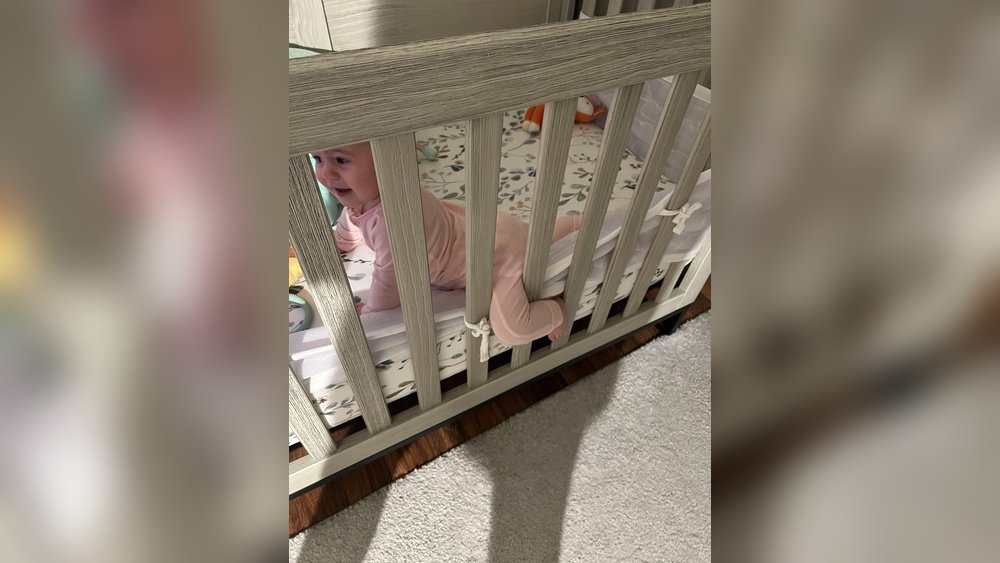
Have you ever worried about your baby’s safety while they sleep or play in their crib? One common concern many parents share is whether a baby’s legs can get stuck in crib slats.
It’s a scary thought, and you want to be sure your little one is safe at all times. You’ll discover the real risks, how to spot potential dangers, and simple steps you can take to protect your baby. Keep reading to learn what you need to know to keep your child safe and give yourself peace of mind.

Credit: www.kidspot.com.au
Risks Of Crib Slat Gaps
Crib slat gaps pose real risks for babies. Small spaces between slats can trap a baby’s limbs. This may cause pain, bruises, or worse injuries. Parents must understand these dangers to keep babies safe in their cribs.
Babies move a lot during sleep. Their legs, arms, or head can slip into narrow gaps. If stuck, a baby might panic or hurt themselves trying to get free. Knowing the risks helps caregivers choose safer cribs.
How Slat Spacing Affects Safety
The distance between crib slats plays a key role in safety. Too wide gaps increase the chance of a baby’s leg slipping through. Too narrow gaps might trap fingers or toes. Experts recommend slats no wider than 2 3/8 inches.
Proper spacing prevents babies from getting stuck. It also reduces risks of strangulation or entrapment. Cribs meeting safety standards have tested and safe slat gaps. Always check crib labels for compliance.
Common Injury Scenarios
Babies often stick legs through slats while rolling or kicking. A leg caught between slats can cause bruising or cuts. Sometimes, babies get stuck and cry loudly for help. Caregivers should respond quickly to avoid injury.
Other injuries happen when babies try to push or pull themselves out. This can lead to falls or sprains. Soft padding around crib edges does not fix slat gap dangers. Vigilance and correct crib selection are essential.

Credit: www.adensmom.com
Signs Of Potential Leg Entrapment
Recognizing signs of potential leg entrapment in a crib is crucial. Babies cannot always tell you when they are stuck or in discomfort. Parents and caregivers must watch for clear signals. Early detection can prevent injury and distress.
Behavioral Clues
Babies may act restless or fussy without clear reason. Sudden crying or loud fussing can be a sign. Watch for repeated attempts to pull their legs free. They might kick or push against the crib slats. A change in usual sleep or play patterns may appear. These behaviors can indicate discomfort from trapped legs.
Physical Indicators
Look closely at your baby’s legs after crib time. Red marks or bruises near the slats show pressure. Swelling can develop if the leg stays stuck too long. Your baby might hold the leg still or limp. Skin may look pale or cool to touch. Checking these signs helps spot problems early.
Choosing Safe Crib Designs
Choosing a safe crib design is key to protecting your baby from accidents. The crib should prevent your baby’s legs from getting stuck in the slats. Not all cribs are made the same. Some have wider gaps that can cause problems. Others use different styles to keep babies safe and comfy. Understanding the right designs helps you pick the best crib for your child.
Recommended Slat Widths
Slat width plays a big role in safety. Experts say the gap between slats should be no wider than 2 3/8 inches (about 6 cm). This size stops your baby’s legs or arms from slipping through. Narrow gaps keep babies secure without feeling cramped. Check the crib’s slat width before buying. This small detail can prevent many injuries.
Alternative Crib Styles
Some cribs use solid sides instead of slats. These designs remove the risk of legs getting stuck. Others have mesh sides that allow airflow and visibility. Convertible cribs also offer safety with adjustable parts. These styles suit parents who want extra peace of mind. Choosing a crib style with no or safe gaps protects your baby as they grow.
Preventive Measures For Parents
Keeping a baby safe in their crib is a top priority for parents. Preventing their legs from getting stuck in crib slats is part of this care. Simple steps can lower the risk and give parents peace of mind. These measures help create a safe and comfy sleeping space for the little one.
Proper Mattress Fit
A mattress that fits well inside the crib stops gaps where baby’s legs could get stuck. Choose a mattress that matches the crib size exactly. Check for spaces between the mattress and crib sides. Filling these gaps prevents limbs from slipping through.
Firm mattresses also keep babies in place better. Soft or sagging mattresses increase the chance of limbs moving into unsafe spots. Always measure the mattress before buying. A snug fit reduces the risk of accidents.
Use Of Protective Covers
Crib slat covers add a layer of safety by covering gaps. These covers are made of soft materials that cushion the spaces between slats. They block baby’s legs from poking through.
Install covers securely to avoid loose parts that could cause harm. Regularly check the covers for wear and tear. Replace damaged covers promptly to maintain safety. Protective covers offer extra peace of mind for parents.
What To Do If Baby’s Leg Gets Stuck
Babies are curious and active, which can lead to their legs getting stuck in crib slats. This situation can cause panic, but staying calm is key. Knowing the right steps to take helps protect your baby and reduces stress. Acting quickly and carefully prevents injury and keeps your baby safe.
Immediate Steps
First, stay calm and speak softly to your baby. Gently try to free the leg without pulling hard. Check if the crib slats are wide enough for your baby’s leg to move. If the leg is stuck tightly, try to shift the crib mattress or use a soft cloth to protect the skin. Avoid sudden movements to prevent pain or injury. If you cannot free the leg quickly, do not force it. Keep your baby calm and call for help if needed.
When To Seek Medical Help
Seek medical help if the baby cries loudly or shows signs of pain. Look for swelling, redness, or bruises on the leg. If the baby cannot move the leg or if it looks deformed, go to a doctor immediately. Also, seek help if the skin looks broken or if bleeding occurs. Medical professionals can check for fractures or nerve damage. Quick medical attention ensures proper care and faster healing.
Additional Babyproofing Tips
Keeping your baby safe in their crib is very important. There are simple steps you can take to reduce risks like getting legs stuck in crib slats. These extra tips help create a safe sleep area. They also protect your baby as they grow and move.
Safe Sleep Practices
Always place your baby on their back to sleep. This lowers the chance of sudden infant death syndrome (SIDS). Use a firm mattress with a fitted sheet. Avoid soft bedding, pillows, or toys in the crib. These items can cause suffocation or make it easier to get stuck. Keep the crib area clear and simple for safer sleep.
Regular Crib Inspections
Check the crib often for loose or broken slats. Make sure the slat spacing is no wider than 2 3/8 inches. Tighten screws and bolts regularly. Look for sharp edges or splinters. Repair or replace parts that look damaged. A well-maintained crib keeps your baby safe from getting stuck or hurt.

Credit: www.babycenter.ca
Frequently Asked Questions
Can A Baby’s Legs Get Stuck In Crib Slats?
Yes, a baby’s legs can get stuck in crib slats if the gaps are too wide. Proper crib safety standards recommend slat spacing no more than 2 3/8 inches to prevent limb entrapment. Always check your crib’s measurements to ensure safety.
How To Prevent Baby’s Legs From Getting Stuck?
To prevent a baby’s legs from getting stuck, use cribs with narrow slats and fitted mesh liners. Avoid adding extra bumpers or padding that may increase risk. Regularly inspect the crib for damage or loose parts that can create wider gaps.
Are Crib Slat Gaps Dangerous For Babies?
Crib slat gaps wider than 2 3/8 inches can be dangerous. Babies may get limbs or heads stuck, causing injury or distress. Following safety guidelines and using certified cribs reduces these risks significantly.
What Safety Standards Apply To Crib Slats?
The Consumer Product Safety Commission requires crib slats to be no more than 2 3/8 inches apart. This standard minimizes the risk of babies getting stuck. Always buy cribs that meet or exceed these safety regulations.
Conclusion
Baby’s legs can get stuck in crib slats if spacing is too wide. Always check the crib’s slat width before use. Safe cribs have slats close enough to prevent this risk. Keep a close eye on your baby during sleep and play.
Use crib bumpers or padding only if they meet safety standards. Creating a safe sleep space helps avoid accidents and gives peace of mind. Small changes in the crib setup make a big difference in safety. Prioritize your baby’s comfort and security every night.

Emma Grace is a devoted mother and passionate content writer at BestBabyCart.com. With firsthand parenting experience and a love for research, she creates helpful guides and honest reviews to support parents in choosing the best for their babies. Her goal is to make parenthood easier, one article at a time.