

Imagine the convenience of solving one of the most challenging aspects of cat ownership: managing your feline friend’s unpredictable bathroom habits. If you’ve ever faced the frustration of unexpected accidents or have a cat with special needs, you might be wondering if diapers could be the answer.
You might picture your cat looking adorable yet comfortable, all while avoiding those dreaded messes. But can cats really wear diapers? And if they can, how do you ensure it’s a positive experience for both you and your furry companion?
You’ll discover everything you need to know about cat diapers, from their practicality to tips on ensuring your cat adjusts smoothly. Dive in and find out if diapers could be the game changer you’ve been searching for.
Reasons Cats May Need Diapers
While the idea of cats wearing diapers might seem unusual at first, there are legitimate reasons why some felines might need this extra bit of care. Cats, like humans, can face health challenges that make diapers not just a convenience but a necessity. Understanding these reasons can help you provide better care for your beloved pet and ensure their comfort and hygiene.
Medical Conditions
Cats may wear diapers due to medical conditions such as paralysis or arthritis. These issues can make it difficult for them to control their bladder or bowels. Diapers can be a simple solution to keep your home clean and your cat comfortable.
Conditions like diabetes can also lead to frequent urination. Managing these symptoms with diapers can reduce stress for both you and your cat. It can prevent accidents and maintain cleanliness in your living space.
Incontinence Issues
Incontinence in cats is more common than you might think, especially in older felines. Cats suffering from incontinence may have a weakened bladder that leads to accidents. Diapers can help manage these accidents effectively.
Imagine not having to clean up messes constantly or worry about your cat feeling embarrassed. Diapers can offer a sense of relief for both you and your pet, ensuring they feel secure and loved.
Post-surgery Care
After surgery, cats may experience temporary loss of control over their bladder or bowels. Diapers can provide a practical solution during their recovery period. It helps protect surgical wounds from infection and keeps your cat clean.
Consider a situation where your cat had surgery and you’re worried about their comfort. Diapers can ease your concerns and help your pet recover smoothly without the added stress of frequent cleaning.
Have you ever faced the challenge of keeping a cat comfortable during recovery or while managing a health condition? Diapers might be a surprising yet effective solution worth considering. They can be a compassionate choice that promotes hygiene and comfort for your furry friend. What steps are you willing to take to ensure your cat feels safe and cared for?
Types Of Cat Diapers
When it comes to managing your cat’s bathroom habits, especially in cases of illness or old age, cat diapers can be a helpful solution. If you’ve ever wondered about the types of cat diapers available, you’re not alone. Understanding the different options can make it easier to choose what’s best for your feline friend. Let’s break down the types of cat diapers you can consider.
Disposable Diapers
Disposable diapers are convenient and easy to use. They are designed to be used once and then thrown away, saving you from washing and cleaning. This type is ideal for short-term use, such as during a car trip or a vet visit.
Imagine you’re dealing with a cat that dislikes being handled for too long. Disposable diapers can be quickly put on and removed, reducing stress for both you and your pet. They often come in various sizes, making it simple to find a comfortable fit.
Reusable Diapers
Reusable diapers are an eco-friendly choice. They can be washed and reused multiple times, making them cost-effective in the long run. If your cat needs diapers regularly, this might be a worthwhile investment.
I remember a friend who swore by reusable diapers for her elderly cat. She found that the adjustable straps provided a snug fit, and the soft fabric was gentle on her cat’s skin. Reusable options also often have cute patterns, adding a bit of fun to practicality.
Custom Diapers
Custom diapers are perfect for cats with unique needs. Some cats have unusual body shapes or sizes that standard diapers can’t accommodate. Customized options ensure a perfect fit, providing comfort and preventing leaks.
Have you ever struggled to find clothing that fits just right? Cats can face the same issue with diapers. Custom diapers can be tailored to your cat’s specific measurements, ensuring they stay on securely.
Choosing the right type of cat diaper can make a big difference in your and your pet’s daily life. What type do you think would suit your cat best? Consider your cat’s needs, and explore the options that will keep them comfortable and happy.
Choosing The Right Diaper Size
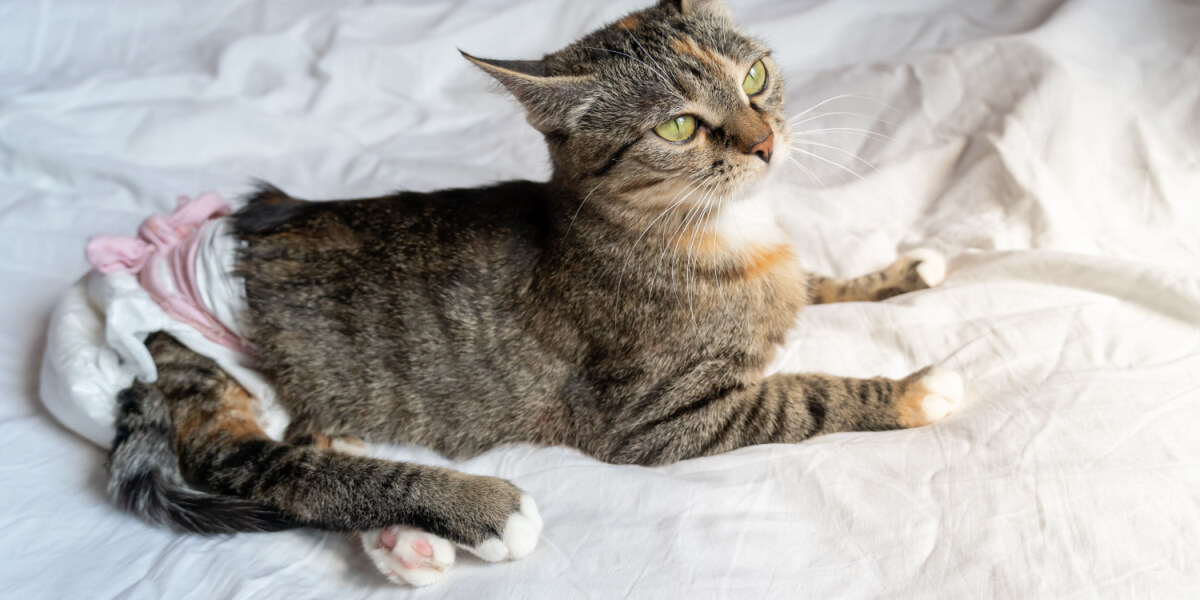
Cats can wear diapers, but choosing the right size is crucial for comfort and hygiene. Ensure a snug fit to prevent leaks and skin irritation. Measure your cat’s waist and select a diaper designed for pets to ensure proper fit.
Choosing the right diaper size for your cat can be a crucial step in ensuring their comfort and hygiene. Unlike dogs, cats come in various shapes and sizes, making it essential to find a perfect fit. A well-fitted diaper prevents leaks and keeps your cat at ease. So, how do you ensure the diaper fits just right?Measuring Your Cat
Begin by measuring your cat’s waist. Use a soft measuring tape and wrap it around your cat’s waist, just behind their front legs. This measurement will guide you to the right size. Consider the length from the base of the tail to just under the belly. This helps in choosing a diaper that covers the necessary areas without being too tight or loose. Take note of your cat’s weight, as it can also influence diaper sizing.Size Charts And Recommendations
Once you have your cat’s measurements, refer to the size chart provided by the diaper brand. Brands often provide guidelines based on weight and waist size. Here’s a simple example of what a size chart might look like:| Size | Waist Measurement | Weight |
|---|---|---|
| Small | 8-12 inches | 5-10 lbs |
| Medium | 13-16 inches | 11-15 lbs |
| Large | 17-21 inches | 16-20 lbs |
Credit: cats.com
How To Put Diapers On A Cat
Cats can wear diapers to manage incontinence or after surgery. Start by choosing the right size for comfort. Secure the diaper snugly, ensuring the tail fits through the hole. Adjust the tabs gently to avoid discomfort.
Considering putting a diaper on your cat? Maybe your feline friend has a medical condition or you’re traveling and need to manage accidents. Whatever the reason, it’s important to approach this task with care. Cats are creatures of habit, and introducing something new like a diaper requires patience and the right technique.Preparing Your Cat
Before you even think about putting the diaper on, ensure your cat feels calm and safe. Spend a few minutes petting and talking to them. This will help reduce any anxiety. Choose a diaper specifically designed for cats or small pets. Size matters, so double-check the fit. A snug but comfortable fit is key to preventing leaks. Have some treats ready. Positive reinforcement can make the process smoother and help your cat associate the diaper with a positive experience.Step-by-step Instructions
1. Positioning: Gently pick up your cat and place them on a soft surface like a bed or a couch. Make sure they’re comfortable. 2. Open the Diaper: Unwrap the diaper and ensure the adhesive tabs are open and ready. The tail hole should be visible. 3. Tail Through the Hole: Carefully guide your cat’s tail through the diaper hole. Be gentle, and if your cat resists, give them a moment to relax. 4. Wrap the Diaper: Pull the front of the diaper between your cat’s hind legs and secure it with the adhesive tabs on their back. Check for a snug fit. 5. Check and Adjust: Ensure there are no gaps around the tail or legs. Adjust as needed to ensure comfort and prevent leaks.Tips For Comfort
Introduce the diaper in short sessions initially. Gradually increase the time your cat wears it as they get used to it. Observe your cat’s behavior closely. If they seem distressed or attempt to remove the diaper, try a different size or brand. Consider adding a soft lining inside the diaper for extra comfort, especially if your cat has sensitive skin. Engage your cat with their favorite toys or activities while wearing the diaper. This can distract them and make the experience less stressful. Have you ever thought about how your cat perceives this new addition? Their comfort and acceptance are crucial. With patience and the right approach, you can make this a less daunting task for both you and your feline companion.Maintaining Hygiene
Maintaining hygiene is crucial when cats wear diapers. Proper care prevents infections and keeps your cat comfortable. Regular cleaning and changing are essential.
Changing Diapers Regularly
Regularly change your cat’s diaper to maintain hygiene. Wet diapers can cause skin irritations. Set a schedule for diaper changes. This helps keep your cat clean and healthy.
Check the diaper often. If it’s wet or soiled, replace it immediately. This prevents discomfort and health issues. Fresh diapers keep your cat happy.
Cleaning And Care
Cleaning your cat is essential after removing a diaper. Use gentle wipes to clean the area. Choose non-toxic wipes to avoid irritation. Clean thoroughly but gently.
After cleaning, let the area dry. This prevents skin problems. You can apply pet-friendly powder for extra care. Ensure your cat’s skin is dry before putting on a new diaper.
Proper hygiene means a happier, healthier cat. Regular cleaning and diaper changes are key. Keep your cat’s well-being in focus.
Potential Challenges
Cats wearing diapers may face discomfort or stress. Some cats might resist, making it a challenge to get them accustomed. Proper sizing and fit are crucial to prevent leaks and ensure comfort.
When considering whether cats can wear diapers, it’s essential to understand the potential challenges. Cats, known for their independence and cleanliness, might face various hurdles when adapting to this new accessory. While diapers can be a solution for certain health issues, they come with their own set of difficulties that you need to navigate.Behavioral Resistance
Cats are creatures of habit and might not welcome changes to their routine. Imagine trying to put a diaper on a cat that’s used to roaming freely. Your feline friend might resist, showing signs of distress or attempting to remove the diaper. Patience and gradual introduction can help ease this process. Let your cat sniff and explore the diaper first, rewarding calm behavior with treats. Keep an eye on their reactions to understand their comfort level.Skin Irritation
Just like humans, cats can experience skin irritation from wearing diapers. This issue can arise from prolonged use or if the diaper isn’t the right fit. Keep a watchful eye for any signs of redness, rashes, or unusual grooming habits, as these may indicate discomfort. To minimize irritation, ensure the diaper is snug but not too tight. Opt for diapers made from breathable materials and check them frequently for dampness or mess. Regularly clean your cat’s skin and fur to maintain hygiene and comfort. Addressing these potential challenges requires a blend of observation and care. Have you ever tried putting a sweater on a cat? If so, you’ll know that persistence and empathy are key. By understanding and addressing your cat’s needs, you can help them adapt to wearing diapers with minimal stress.Alternatives To Diapers
When considering the best ways to manage your cat’s hygiene, diapers might seem like the most obvious solution. However, they can be uncomfortable for some cats and may not always be the best fit for your furry friend. Luckily, there are several alternatives that could work better for both you and your cat. Let’s explore some practical options that might make life easier for everyone involved.
Litter Training
Litter training is a fundamental skill that every cat can learn. Start by placing the litter box in a quiet area where your cat spends most of its time. Make sure the box is easily accessible.
Consider the type of litter your cat prefers. Some cats are picky and might reject certain textures or scents. Try different options like clumping litter or unscented litter to see what your cat likes best.
A personal tip: I found that using a litter mat can help reduce mess and keep the surrounding area tidy. Have you tried changing the box’s location if your cat is resistant? Sometimes a simple move can make all the difference.
Specialized Cat Apparel
Specialized cat apparel can be a stylish and functional alternative to diapers. These garments are designed to keep your cat comfortable while managing hygiene issues.
Look into cat suits or onesies that are tailored specifically for felines. They often come in breathable fabrics and can be washed easily. Plus, some designs even have built-in pads for extra protection.
Would you consider trying apparel as a solution? It might be less restrictive than diapers and offer more freedom for your cat to move naturally. Remember to check the fit and adjust it to ensure your cat’s comfort.
Exploring these alternatives might just lead to a happier and cleaner household. Each option offers unique benefits and can be adapted to suit your cat’s individual needs. Have you found a solution that works for you? Share your experiences and tips with fellow cat owners!
Credit: www.hartz.com
Advice From Veterinarians
When considering diapers for your feline friend, it’s crucial to seek advice from veterinarians. These professionals offer insights based on their experience and expertise, ensuring your cat’s comfort and health. Let’s dive into what they have to say about this unusual choice.
Professional Opinions
Veterinarians often emphasize understanding the reason behind using diapers for cats. Is it due to a medical condition or behavioral issue? Knowing the cause can guide the decision.
Some vets share stories of cats with incontinence benefiting from diapers. They highlight that while diapers can help manage this condition, they are not a cure.
Experts suggest that not all cats will tolerate diapers. Observing your cat’s behavior and comfort level is essential. Does your cat show signs of distress or discomfort? If so, diapers may not be the best solution.
Best Practices
Veterinarians recommend starting with a gentle introduction. Allow your cat to sniff and explore the diaper before wearing it. This can ease any anxiety.
Ensure the diaper fits well. A snug fit prevents leaks and discomfort. You might need to try several sizes or brands to find the perfect match for your cat.
Regularly check your cat’s skin for irritation or rashes. Use hypoallergenic materials if your cat has sensitive skin. A clean and dry diaper is essential to avoid skin problems.
Consider training your cat to associate wearing a diaper with positive experiences. Offering treats or affection can make diaper time less stressful.
Have you ever considered if your cat’s diet could affect their need for diapers? Veterinarians suggest reviewing diet as it can influence digestion and bathroom habits.
Remember, while diapers can be a temporary aid, they should not replace medical advice. Always consult with a vet to ensure you’re making the best choice for your feline friend.

Credit: petparentsbrand.com
Frequently Asked Questions
Is It Okay To Put A Diaper On My Cat?
Yes, you can put a diaper on your cat for health or cleanliness reasons. Ensure it fits properly and check for discomfort. Regularly change the diaper to prevent infections and maintain hygiene. Consult a vet if unsure about using a diaper for your cat’s specific needs.
How Long Can Cats Wear Diapers?
Cats can wear diapers for a few hours at a time. Change them regularly to prevent skin irritation. Monitor for any discomfort or rashes. Consult with a vet for specific guidance tailored to your cat’s needs. Proper hygiene and fit ensure your cat’s comfort while wearing diapers.
Can Cats Wear Human Diapers?
Cats should not wear human diapers. Human diapers don’t fit cats properly and can cause discomfort. Use cat-specific diapers designed for their size and anatomy. Ensure the diaper is snug but not tight to avoid irritation. Always monitor your cat’s comfort and check for any signs of distress.
Can A Cat Wear A Diaper Overnight?
Cats can wear diapers overnight if needed. Ensure the diaper fits properly and check for discomfort signs. Diapers help manage incontinence or post-surgery issues. Regularly monitor your cat’s skin to prevent irritation. Consult a vet for advice and choose breathable, comfortable diapers for your cat’s safety.
Conclusion
Diapers can help manage certain situations with your cat. They’re useful for incontinence or during recovery from surgery. Always choose the right size for comfort. Keep an eye on your cat’s skin to prevent irritation. Regular checks ensure cleanliness and comfort.
Training your cat to wear a diaper takes patience. Start gradually and use rewards. Not all cats will need diapers, though. Assess your pet’s needs carefully. Consult a vet for advice if unsure. Remember, your cat’s well-being comes first. Understanding your cat’s behavior is essential.
Make informed choices for your furry friend.

Emma Grace is a devoted mother and passionate content writer at BestBabyCart.com. With firsthand parenting experience and a love for research, she creates helpful guides and honest reviews to support parents in choosing the best for their babies. Her goal is to make parenthood easier, one article at a time.