
Have you ever opened an old pack of diapers and wondered if they’re still good to use? You might be surprised to know that diapers, just like any other product, have a shelf life.
Understanding whether diapers can go bad is essential for parents and caregivers who rely on them daily. Imagine the peace of mind you’d gain from knowing whether your stored diapers are fresh or if it’s time to stock up on new ones.
You’ll discover the signs of diaper expiration, factors that impact their longevity, and how to store them for maximum freshness. Stay with us to ensure your little one gets the comfort and protection they need.

Credit: www.instagram.com
Shelf Life Of Diapers
Have you ever wondered if diapers have a shelf life? It might sound strange, but like many products, diapers can actually go bad over time. Whether you’re stocking up for your little one or saving some for future use, understanding the shelf life of diapers can save you from unexpected surprises. Let’s dive into the details and see how long you can expect your diapers to last.
Diapers generally have a shelf life of around 2-3 years. This timeframe is based on maintaining their absorbency and material integrity. However, this doesn’t mean they won’t last longer; it’s just a guideline for optimal use.
Think about how your baby’s comfort depends on the diaper’s condition. If you’ve ever found an old pack in the back of your closet, you might notice it feels different. The elastic might be less stretchy, or the material could be brittle. These changes can affect how well the diaper fits and functions.
Factors Affecting Shelf Life
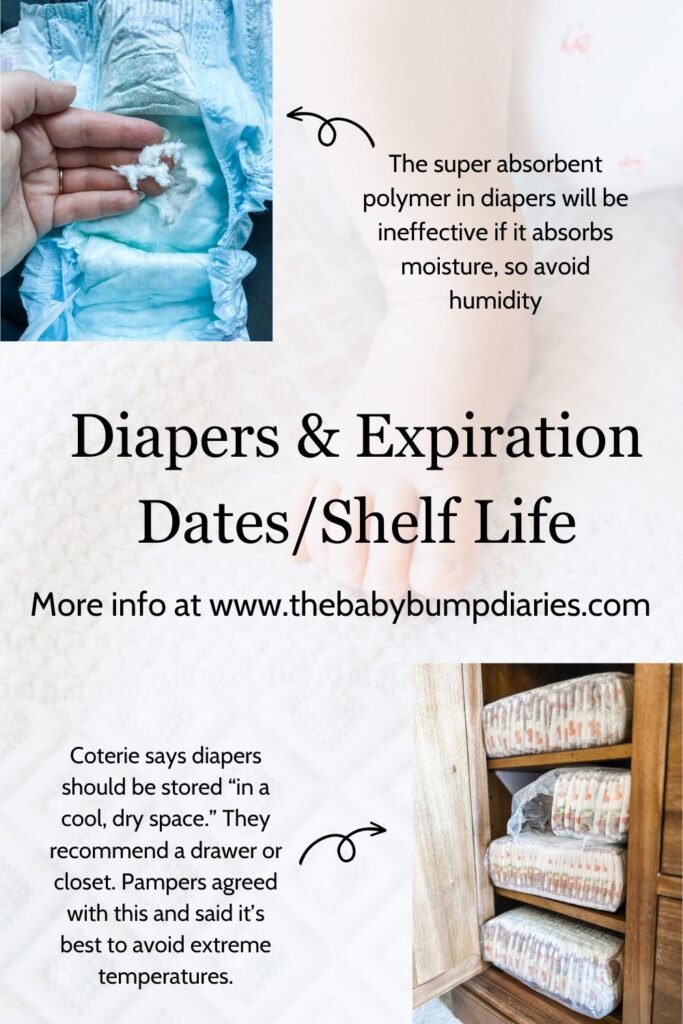
Storage conditions play a huge role in how long diapers remain usable. Humidity is a big enemy. Moisture can lead to mold or degrade the diaper material. Keep them in a dry place to extend their life.
Temperature matters too. Extreme heat can cause the diapers to lose elasticity. You might find that they don’t fit snugly anymore, leading to leaks. Store them at room temperature whenever possible.
Visual changes are a clear indicator. If the diapers appear discolored or have a strange odor, they might be past their prime. It’s a sign that they may not be safe or effective for use.
The fit can be a giveaway as well. An expired diaper might not hug your baby’s body as it should, potentially leading to discomfort or leaks. You might find yourself changing diapers more often, which can be frustrating.
Practical Tips For Storage
Consider using airtight containers for storage. This keeps out moisture and helps maintain the diaper’s condition. Large ziplock bags can also be handy for smaller quantities.
Organize and label your diaper stash by date. This helps you keep track of their age and ensures you’re using the freshest ones first. It’s a simple way to ensure your baby gets the best comfort and protection.
Should You Use Expired Diapers?
Using expired diapers isn’t recommended, but it’s not the end of the world if you do. Just keep an eye on how they perform. Are they absorbing well? Is your baby comfortable? These are questions worth asking.
After all, the diaper’s effectiveness directly impacts your baby’s happiness. If you notice any issues, it might be time to grab a new pack. Don’t compromise on quality when it comes to your baby’s needs.
Ultimately, understanding the shelf life of diapers empowers you to make smarter choices. Have you checked your diaper stash lately? You might just find a hidden gem—or realize it’s time for a refresh!

Credit: www.healthline.com
Factors Affecting Diaper Longevity
Diaper longevity depends on material quality, storage conditions, and time since manufacture. Exposure to heat and moisture can degrade their effectiveness. Properly stored, they last longer.
Diapers are a staple in every parent’s life, ensuring comfort and hygiene for their little ones. However, have you ever wondered if diapers can go bad? Factors affecting diaper longevity are crucial to understand, especially if you’re stockpiling for convenience or cost savings. Let’s dive into what influences the lifespan of diapers and how you can ensure they remain effective when you need them most.Material Composition
The type of material used in diapers plays a significant role in their longevity. Diapers are typically made from a combination of absorbent polymers and fabrics. While these materials are durable, they can degrade over time. Consider the diaper’s primary function—to absorb moisture. If the absorbent layer loses its effectiveness, it can lead to leaks. Pay attention to any changes in texture or effectiveness, as this could indicate the diaper isn’t performing as it should.Storage Conditions
How you store diapers can dramatically affect their longevity. Diapers should be kept in a cool, dry place, away from direct sunlight and moisture. Imagine storing diapers in a damp basement; the humidity can cause the materials to deteriorate, reducing their ability to absorb. Do you keep diapers in your car for emergencies? Extreme temperatures can alter their composition, making them less reliable. Consider vacuum-sealing or airtight containers for long-term storage. This minimizes exposure to elements that might degrade the diapers. How you store them now can save you from potential mishaps later. Are you using diapers that have been sitting around for a while? Check for any signs of wear or discoloration, which can indicate compromised quality. Keeping an eye on storage conditions ensures you’re not left scrambling with ineffective diapers when it matters most. Diapers are an everyday essential, but their longevity isn’t guaranteed. By understanding material composition and storage conditions, you can make informed decisions on how to store and use them effectively. What steps will you take to ensure your diapers are always ready for action?Signs Of Expired Diapers
Diapers, like many products, have a shelf life. Although they don’t have an official expiration date, their quality can deteriorate over time. It’s important to know the signs of expired diapers to ensure your baby’s comfort and health. Let’s explore these signs.
Changes In Texture
Expired diapers may feel different. The material could become stiff or rough. A diaper should feel soft and flexible. If it doesn’t, it might be expired. Always check the texture before use.
Decreased Absorbency
An important function of a diaper is absorbency. Expired diapers might not absorb well. This can lead to leaks and discomfort. Notice if the diaper seems to hold less liquid. It could be a sign of expiration.
Unusual Odor
Fresh diapers have a neutral smell. An expired diaper might have a strange odor. This could indicate chemical breakdown in the materials. Trust your sense of smell. If a diaper smells off, it might be expired.
Effects Of Using Old Diapers
Many parents store diapers for future use. Yet, using old diapers can cause problems. Over time, diapers may degrade. This affects their effectiveness and safety. Understanding the risks helps you make informed choices for your baby’s comfort and health.
Skin Irritation Risks
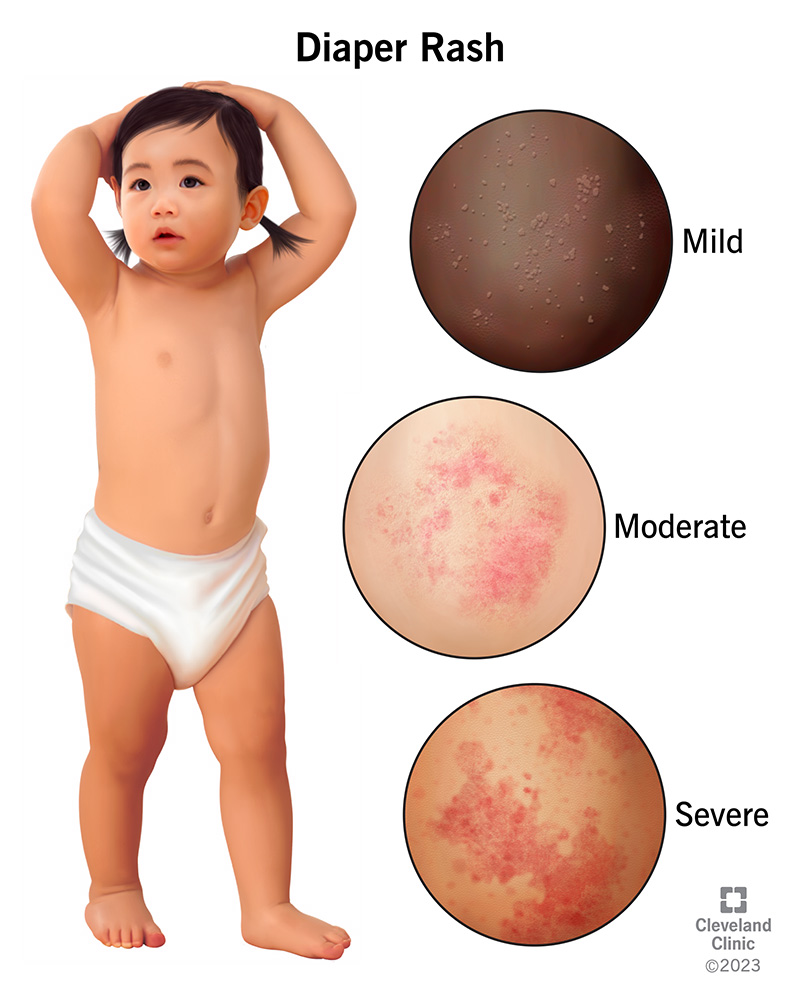
Old diapers can irritate sensitive skin. The materials may break down over time. This breakdown can cause rough surfaces. Babies’ skin is delicate. Rough surfaces can lead to rashes. Additionally, the absorbing gel might not work well. Poor absorption leaves skin damp. Moisture can cause irritation and redness. Always check for signs of wear. Prioritize your baby’s skin health.
Leakage Concerns
Old diapers might not fit snugly. Elastic bands can lose their stretch. This can cause gaps around legs. Gaps increase the chance of leaks. Also, the absorbent core may lose efficiency. It might not hold moisture well. This can lead to frequent leaks. Wet clothes can cause discomfort. It’s essential to ensure diapers fit well and are effective. Regularly check the condition of stored diapers.
Proper Storage Tips
Diapers are essential for a baby’s comfort and hygiene. Storing them correctly ensures they remain effective and safe for use. Proper storage prolongs their shelf life and maintains their quality. Below are some tips on how to store diapers properly.
Ideal Temperature
Diapers should be stored at a moderate temperature. Extreme heat can damage the elastic and adhesive parts. Keep them in a room with a stable climate. Avoid places with high temperature fluctuations.
Avoiding Moisture
Moisture can ruin diapers. It affects their absorbency and causes mold. Store them in a dry place. Use airtight containers or bags to protect them. Keep them away from damp areas like basements.
Credit: my.clevelandclinic.org
Eco-friendly Alternatives
In the quest for sustainable living, many parents are exploring eco-friendly diaper alternatives. Traditional disposable diapers contribute significantly to landfill waste and can take hundreds of years to decompose. By choosing environmentally conscious options, you not only help the planet but often save money in the long run. Let’s dive into some practical solutions that make diapering greener.
Biodegradable Options
Biodegradable diapers are designed to break down more quickly than conventional ones. These diapers use natural materials like bamboo and cornstarch, which decompose faster. Imagine reducing your carbon footprint with every diaper change.
Brands like Andy Pandy and Dyper offer biodegradable options that are not only gentle on your baby’s skin but also on the environment. These diapers often come in simple packaging, avoiding excessive plastic waste. Have you considered how much waste your diapering choices create each year?
Switching to biodegradable diapers is a small change that can make a big impact. It’s about aligning your values with your everyday choices. Plus, you might find that using fewer chemicals in diaper production means fewer chemicals on your baby’s skin.
Reusable Diapers
Reusable diapers, often called cloth diapers, are another fantastic eco-friendly option. They are made from fabric and can be washed and reused multiple times. Think of the savings you can achieve by not buying disposables every week.
Modern cloth diapers come in various designs and materials, such as cotton, hemp, and bamboo. They are easy to use and can be stylish too. If you’ve ever felt overwhelmed by diaper costs, reusable options might be the answer.
Some parents worry about the laundry aspect, but many find it manageable with a routine. Consider setting a specific day for washing diapers to keep the process simple. Would you be willing to try cloth diapers if it meant saving money and helping the environment?
Both biodegradable and reusable diapers offer practical and sustainable solutions to traditional diapering methods. As more parents choose these options, the impact on our planet becomes significant. Your choice could inspire others to make similar changes. Are you ready to make a difference with your diapering decisions?
Common Myths About Diaper Expiration
Many parents wonder if diapers have an expiration date. There are several myths surrounding this topic. Some believe diapers can go bad over time. Others think they become less effective. It’s time to address these misconceptions.
Myth 1: Diapers Have An Expiry Date
Most diapers do not have a set expiry date. They are made from materials that last long. Manufacturers design them for durability. As long as they’re stored properly, they remain usable.
Myth 2: Old Diapers Cause Rashes
Some think old diapers cause skin rashes. This is not always true. Rashes often result from poor hygiene or allergies. Diaper age rarely contributes to skin issues.
Myth 3: Diapers Lose Absorbency Over Time
Many worry about diapers losing absorbency. This is unlikely with proper storage. Keep them in a dry place. Moisture can affect their performance. But this is rare with good storage.
Myth 4: Unused Diapers Are Unsafe
Unused diapers are generally safe. Even if they are old. Check for damage before use. If they look intact, they should work fine.
Frequently Asked Questions
How Long Can You Keep Unopened Diapers?
Unopened diapers can last for 2-3 years. Store them in a cool, dry place to maintain quality. Always check the packaging for expiration dates or manufacturer’s guidelines to ensure usability. Diapers may lose effectiveness over time, even if unopened.
How To Tell If Diapers Are Expired?
Check the packaging for a printed expiration date. Inspect for unusual odors, discoloration, or crumbling. Ensure elasticity and adhesive tabs are intact. Store diapers in a cool, dry place to maintain quality.
Can Expired Diapers Be Used?
Expired diapers may lose effectiveness but can still be used if they appear undamaged. Check for signs of deterioration.
How Long Can You Keep Pampers Diapers?
Pampers diapers can be stored for up to two years. Keep them in a cool, dry place. Proper storage ensures their effectiveness. Avoid exposing them to direct sunlight or extreme temperatures. Always check for any signs of damage before use.
Conclusion
Diapers don’t have an expiration date, but storage affects quality. Keep them in a cool, dry place. Moisture can damage them. Old diapers may lose absorbency. Check for any bad smell or change in color. These signs mean they might not work well.
Always store them in original packaging if possible. This helps maintain their condition. Use them within a few years for best results. Remember, proper storage ensures they stay effective. This keeps your baby comfortable and dry.

Emma Grace is a devoted mother and passionate content writer at BestBabyCart.com. With firsthand parenting experience and a love for research, she creates helpful guides and honest reviews to support parents in choosing the best for their babies. Her goal is to make parenthood easier, one article at a time.