
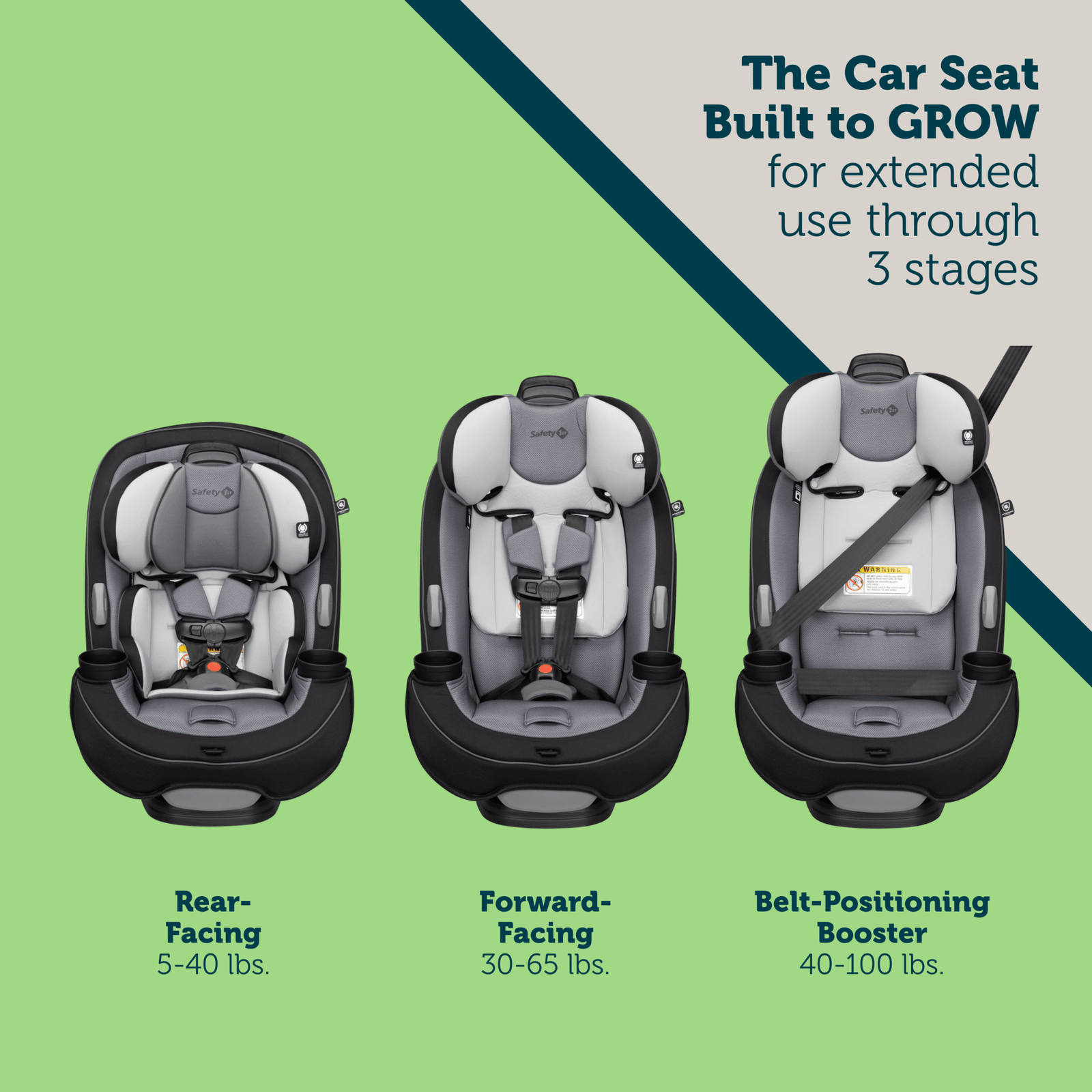
Ever wondered how long your Safety First car seat is reliable for protecting your little one? You’re not alone.
As a caring parent, ensuring your child’s safety is your top priority. It’s crucial to know the lifespan of these essential products. You might be surprised to learn that car seats don’t last forever. Over time, materials can degrade, and safety standards evolve.
By understanding when a car seat is past its prime, you can make informed decisions that keep your child secure. Dive into this article to discover the facts about your Safety First car seat’s longevity and ensure you’re always one step ahead in safeguarding your precious cargo.

Credit: csftl.org
Safety First Car Seat Lifespan
Parents often seek reliable car seats for their little ones’ safety. Safety First car seats are a trusted choice. Knowing the lifespan of these car seats is crucial for ensuring continued protection. Understanding the duration for which these car seats remain effective helps maintain safety standards.
Safety First Car Seat Expiration Date
Every Safety First car seat has an expiration date. This date is usually found on the label. Typically, car seats last between 6 to 10 years from the manufacturing date. After this period, the materials may degrade, affecting safety features. Regular checks of the expiration date ensure your child’s seat is always safe.
Factors Affecting Car Seat Lifespan
Several factors can impact the lifespan of a car seat. Exposure to sunlight can weaken the seat’s materials. Extreme temperature changes may also affect its durability. Frequent use can lead to wear and tear. These factors may reduce the car seat’s effectiveness over time.
Importance Of Checking Expiration Dates
Checking the expiration date is vital for your child’s safety. An expired seat may not provide adequate protection in a crash. Regularly inspecting the car seat ensures it remains in good condition. If the seat is expired, it’s time to replace it with a new one.
Signs Of Wear And Tear
Visible signs of wear can indicate a seat is past its prime. Cracks in the plastic or frayed straps are warning signs. If parts seem loose or damaged, the seat may not be safe. Regular inspections help identify these issues early.
Replacing Your Safety First Car Seat
Once a car seat reaches expiration, replacement is necessary. Choose a new car seat that meets current safety standards. Ensure the seat is installed correctly for maximum safety. Your child’s safety relies on having a seat that is in good condition.
Credit: csftl.org
Understanding Expiration Dates
Car seats are crucial for child safety in vehicles. But they don’t last forever. Understanding expiration dates is essential. It ensures your child’s protection. These dates indicate how long a car seat remains safe to use. Safety First car seats, like all car seats, have expiration dates. They ensure the seat’s materials and parts maintain their effectiveness. Let’s explore why these dates matter.
Purpose Of Expiration Dates
Expiration dates on car seats serve a vital role. Over time, materials can wear down. Plastic parts may weaken. Safety standards evolve, too. An expired car seat may not meet current safety guidelines. Using an expired seat could endanger your child. Always check expiration dates to ensure safety. It’s a simple step that can make a big difference.
Where To Find Expiration Information
Finding expiration information on your car seat is easy. Check the manufacturer’s label. It’s usually on the back or the bottom of the seat. Look for a sticker with the expiration date. Some seats list the date of manufacture instead. Safety First car seats typically last for six to ten years. Count from the date of manufacture. Always refer to the user manual for specifics.
Factors Affecting Car Seat Longevity
Understanding the longevity of Safety First car seats is crucial for parents. Several factors influence how long these seats remain safe and effective. These factors ensure the safety and comfort of your child during travel. Let’s explore some key elements that affect car seat longevity.
Material Degradation
Car seats are built with various materials. Over time, these materials can degrade. Heat, humidity, and sunlight contribute to this process. Plastic parts may become brittle. Fabric covers might lose their strength. Regular checks help identify any signs of wear. Replace the seat if you notice significant degradation.
Technological Advancements
Safety First car seats benefit from technological improvements. New models often offer better safety features. Older seats might lack these advancements. As technology evolves, so do safety standards. Keeping up with new developments ensures maximum protection for your child.
Regulatory Changes
Regulations for car seats change to enhance child safety. These changes can affect the legality of older models. Always stay informed about current regulations. Ensure your car seat complies with the latest standards. This ensures your child’s safety and avoids legal issues.

Credit: safety1st.com
Signs A Car Seat Needs Replacement
Safety First car seats typically last for six to ten years. Check for visible wear and tear. Cracks or frayed straps signal replacement. Expiration dates on the label are crucial. Do not ignore them. Safety comes first.
Signs a car seat needs replacement are crucial for child safety. Parents must ensure seats are in top condition. This section highlights key signs indicating it’s time for a new car seat.Visible Wear And Tear
Inspect the fabric and straps regularly. Torn fabric can compromise safety. Frayed straps may not secure your child properly. Cracks in the shell are a red flag. A damaged shell reduces protection during impact. Examine buckles and clips. They should function smoothly without sticking.Missing Parts
Every component is essential for safety. Missing parts can jeopardize seat integrity. Check for absent clips or harnesses. Replacement parts may not fit correctly. Confirm all pieces are present and secure. Missing pieces can affect seat stability in a crash.Involvement In Accidents
Car seats involved in accidents need replacement. Even minor crashes can weaken seat structure. Damage might not be visible but impacts safety. A compromised seat can’t offer full protection. It’s safer to replace the seat post-accident. Ensure peace of mind by prioritizing your child’s safety.Proper Disposal Of Expired Car Seats
Safety First car seats typically remain effective for six to ten years. Expired seats should be dismantled and recycled to prevent accidents. Disposal ensures no outdated seats reach others, maintaining safety standards for all.
Proper disposal of expired car seats is crucial for safety. These seats have a lifespan and must be disposed of properly. Incorrect disposal can lead to unsafe reuse. It’s important to know the best methods for disposal.Recycling Options
Recycling is a responsible choice for old car seats. Many communities offer recycling programs. Check with local waste management services. Some manufacturers offer take-back programs. This helps in proper recycling of materials. Online directories can help locate nearby recycling centers. Ensure the seat is clean before recycling. Remove any metal parts if required.Safe Disposal Tips
Begin by dismantling the car seat. Remove fabric and padding for easier disposal. Cut the harness straps to prevent reuse. Label the seat as expired. This prevents unsafe use by others. Check with local waste facilities for disposal rules. Some areas require specific disposal methods. Consider donating parts if they are in good condition. Always prioritize safety and environmental responsibility.Choosing A Replacement Car Seat
Choosing a replacement car seat can feel overwhelming. Safety, comfort, and ease of use are crucial. When your Safety First car seat expires, finding a new one becomes essential. This section guides you on what to look for.
Current Safety Standards
Safety standards change with time. Car seats must meet strict guidelines. Check for the latest safety certifications. Ensure the seat complies with federal regulations. This guarantees optimal protection for your child.
Factors To Consider
Several factors influence your choice. Age and weight are critical. Choose a seat suitable for your child’s size. Installation ease matters too. Consider the car’s space and seat compatibility. Think about your budget for the best value.
Top Recommended Models
Many models offer excellent safety features. Graco 4Ever is popular for its versatility. Britax One4Life provides extended rear-facing options. Chicco NextFit Max stands out for comfort. These models ensure reliable performance.
Maintenance Tips For Prolonged Use
Car seats ensure your child’s safety during travel. To maintain their effectiveness, follow essential care practices. Proper maintenance can extend the life of Safety First car seats. Keep them clean and store them correctly. Here are some tips to help you keep your car seats in top condition.
Regular Cleaning Practices
Dust and dirt accumulate over time. Start by removing the seat cover. Wash it with mild soap and warm water. Check the manufacturer’s instructions for washing details. Use a vacuum cleaner to remove crumbs and debris. Pay attention to crevices and seams. Clean the plastic parts with a damp cloth. Avoid harsh chemicals that can damage the material. Regular cleaning prevents mold and bacteria buildup.
Storage Suggestions
Store car seats in a dry place. Moisture can cause mold and rust. Avoid direct sunlight which can weaken the fabric. Use a cover to protect the seat from dust. Keep away from sharp objects that may damage the material. If storing for a long time, check periodically for signs of wear. Proper storage preserves the seat’s integrity for future use.
Frequently Asked Questions
How Long Do Safety First Car Seats Last?
Safety First car seats generally last for 6 to 10 years. The expiration date is usually printed on the seat or in the manual. Over time, materials can degrade, affecting safety. Always check the specific expiration date for your model to ensure optimal safety for your child.
When Should I Replace A Safety First Car Seat?
Replace a Safety First car seat if it’s expired or after a crash. An expired seat may not offer adequate protection. Damage from accidents can compromise its integrity. Always inspect for visible signs of wear and tear, and consult the manual for guidelines on replacement.
What Affects The Lifespan Of Car Seats?
Factors affecting car seat lifespan include exposure to sunlight, temperature changes, and wear. Sunlight can degrade materials, while temperature fluctuations affect structural integrity. Regular use can cause wear and tear. Always follow manufacturer guidelines for maintenance to ensure the seat remains safe over its lifespan.
Are Expired Car Seats Dangerous?
Yes, expired car seats can be dangerous. They may not provide adequate protection in a crash. Materials degrade over time, reducing effectiveness. Always adhere to expiration dates and replace seats as needed to ensure your child’s safety is not compromised.
Conclusion
Safety First car seats have a limited lifespan. Regular checks ensure safety. Inspect for wear and tear often. Follow manufacturer guidelines for expiration dates. Replace expired seats immediately. Prioritize your child’s safety. Keep an eye on recalls. Stay informed about safety updates.
Proper maintenance extends seat life. Always secure car seats correctly. Safety comes first, always. Your child’s protection matters most. Make informed decisions for their safety.

Emma Grace is a devoted mother and passionate content writer at BestBabyCart.com. With firsthand parenting experience and a love for research, she creates helpful guides and honest reviews to support parents in choosing the best for their babies. Her goal is to make parenthood easier, one article at a time.