
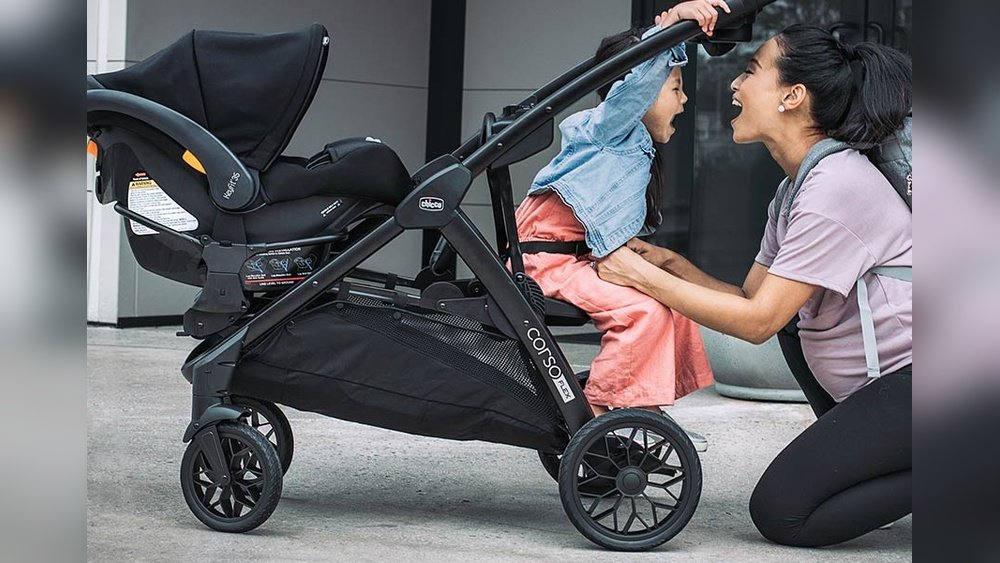
Are you wondering how long your stroller will really last? Whether you’re preparing for your first baby or thinking about upgrading, knowing the lifespan of a stroller can save you time, money, and stress.
You want a product that stays safe, reliable, and comfortable for your little one. Keep reading to discover what affects a stroller’s durability and how you can get the most out of yours. This way, you can make smart choices for your family without second-guessing every push.
Stroller Lifespan Factors
Several factors influence how long a stroller lasts. Understanding these can help you choose the right one and care for it properly. Each factor plays a role in the stroller’s durability and safety over time.
Material Quality
The quality of materials affects the stroller’s strength and lifespan. High-grade metals and sturdy fabrics last longer. Cheap plastic parts wear out faster. Look for durable frames and fabrics that resist tears and stains.
Usage Frequency
How often you use a stroller impacts its condition. Daily use causes more wear than occasional use. Rough terrain or heavy loads shorten its life. Gentle use on smooth surfaces helps it last longer.
Maintenance Habits
Regular cleaning and checks keep strollers working well. Lubricate wheels and tighten screws regularly. Remove dirt and debris after each use. Good maintenance prevents damage and extends life.
Storage Conditions
Where you store the stroller matters. Keeping it indoors protects it from weather damage. Avoid damp or humid places that cause rust and mold. Proper storage preserves materials and mechanical parts.
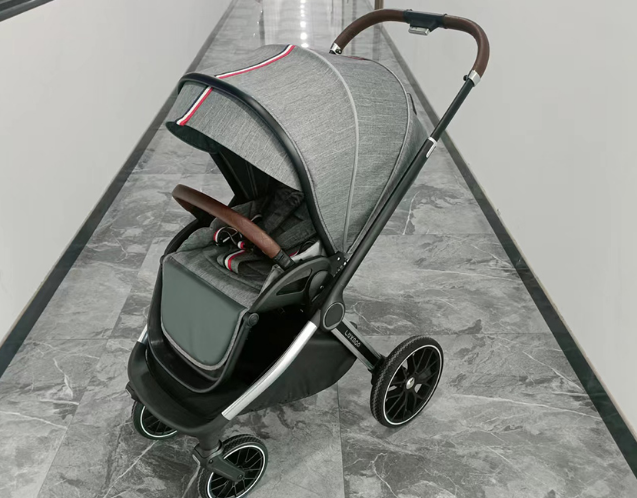
Credit: www.smtstroller.com
Types Of Strollers And Their Durability
Choosing the right stroller means understanding how long it will last. Different types of strollers have different durability. Knowing each type helps you pick one that suits your needs and lasts longer.
Standard Strollers
Standard strollers are common for everyday use. They usually have strong frames and good wheels. These strollers can last for several years with proper care. They handle regular wear and tear well. Ideal for city walks and errands.
Jogging Strollers
Jogging strollers are built for speed and rough paths. They have sturdy wheels and suspension systems. These strollers last long if used mostly for jogging or running. Heavy use on rough terrain may wear parts faster. They need regular maintenance to stay durable.
Lightweight Strollers
Lightweight strollers are easy to carry and fold. They are less bulky but may have weaker frames. These strollers last a shorter time than standard ones. Best for quick trips and travel. Handle with care to extend their life.
Travel Systems
Travel systems combine a stroller and car seat. They offer convenience and versatility. The stroller part is usually as durable as a standard stroller. They last well if used for both travel and daily activities. Check the quality of both parts before buying.
Signs Your Stroller Needs Replacement
Knowing when to replace your stroller helps keep your child safe and comfortable. Over time, strollers wear down from regular use and outdoor conditions. Identifying signs of damage early prevents accidents and hassle. Some parts wear out faster than others. Watch for these common signs that your stroller needs replacement.
Worn-out Wheels
Wheels show the first signs of heavy use. Check for cracks, flat spots, or missing rubber. Wheels that do not roll smoothly make pushing harder. They can also cause balance problems. Replace the stroller if wheels wobble or get stuck often.
Broken Frame
The frame supports the entire stroller. Cracks, bends, or rust weaken its strength. A damaged frame risks collapsing during use. Inspect all joints and bars carefully. A broken frame means the stroller is no longer safe.
Faulty Brakes
Brakes keep the stroller in place on slopes. Test the brakes regularly for strong hold. If the brakes slip or fail to lock, the stroller can roll away. Faulty brakes are a major safety hazard. Repair or replace the stroller immediately.
Unstable Canopy
The canopy protects your child from sun and rain. Loose hinges or torn fabric reduce its function. If the canopy does not stay open or close properly, it may fall unexpectedly. An unstable canopy offers less protection and comfort. Consider replacing the stroller if this happens.

Credit: saferide4kids.com
Extending Your Stroller’s Life
Extending your stroller’s life saves money and ensures safety for your child. A well-maintained stroller works better and lasts longer. Small steps can keep it in good shape over time. Focus on cleaning, storage, repairs, and accessories to protect your investment.
Regular Cleaning
Clean your stroller often to remove dirt and dust. Use a soft cloth and mild soap for frames and wheels. Wash fabric parts according to the care label instructions. Clean strollers avoid damage and keep moving smoothly.
Proper Storage Tips
Store your stroller in a dry, cool place to prevent rust and mold. Avoid leaving it outside in the sun or rain. Folding it properly saves space and stops parts from bending. Safe storage keeps your stroller ready for use.
Timely Repairs
Fix small problems before they get worse. Check wheels, brakes, and handles regularly. Replace broken or worn parts quickly. Timely repairs prevent accidents and extend the stroller’s life.
Using Protective Accessories
Use covers to protect the stroller from dust and weather. Wheel guards and mats help avoid dirt and damage. Sunshades keep fabric from fading. Protective accessories add extra care and durability.
Balancing Durability And Cost
Choosing a stroller means finding the right mix of strength and price. Parents want a stroller that lasts through many walks and adventures. At the same time, spending too much may not feel right. Balancing durability and cost helps parents make smart choices that fit their needs and budget.
Investing In Quality
Strollers made with strong materials often last longer. Brands that use metal frames and tough fabrics usually stand up to wear and tear. Paying more for quality can save money later. These strollers need fewer repairs and replacements. A sturdy stroller can handle rough paths and daily use easily.
Budget-friendly Options
Affordable strollers can still work well for short-term use. They may use lighter materials or simpler designs. These strollers suit families who travel or use them occasionally. Choosing a budget option means checking reviews carefully. Look for safety features and comfort to avoid problems.
Resale Value
Strollers with good build quality often keep their value. Parents can sell them later to recover some cost. Popular brands and models sell faster and for more money. Clean and well-maintained strollers attract more buyers. Resale value helps balance the initial investment and long-term use.
Warranty Considerations
A solid warranty protects against defects and repairs. Some brands offer warranties for one year or longer. This coverage adds peace of mind and saves repair costs. Always read the warranty terms before buying. Knowing what is covered helps avoid surprises later.

Credit: www.riverbabygroup.com
When To Upgrade Your Stroller
Knowing when to upgrade your stroller saves time and keeps your child safe. Strollers wear out or become less useful as your child grows. Staying aware of changes helps you choose the right time to buy a new one. Below are key signs that show when to upgrade your stroller.
Changing Needs
Your family’s needs change as your child grows. A newborn stroller may not fit an active toddler. More storage space or easier folding might become necessary. Look for features that match your daily routine and outings.
Safety Updates
New safety standards come out regularly. Older strollers might lack important safety features. Check for recalls or missing parts like harnesses or brakes. Upgrading ensures your child rides safely every time.
Technological Advances
Stroller technology improves often. New models offer better suspension, lighter frames, or easier steering. These upgrades can make your walks smoother and less tiring. Consider upgrading to enjoy these benefits.
Child’s Growth Stages
Children outgrow strollers quickly. Infant seats fit only until your baby can sit up. Toddlers need sturdier seats or different reclining options. Changing strollers keeps your child comfortable at each stage.
Frequently Asked Questions
How Long Do Strollers Typically Last?
Strollers generally last between 3 to 5 years with regular use. Proper maintenance can extend their lifespan. Quality and brand also affect durability.
When Should I Replace My Stroller?
Replace your stroller if it shows wear, safety issues, or no longer meets your child’s needs. Regular checks help decide replacement time.
Can Stroller Lifespan Be Extended With Maintenance?
Yes, regular cleaning, tightening screws, and checking wheels can prolong stroller life. Proper storage also prevents damage and wear.
Do Different Stroller Types Last Differently?
Yes, lightweight strollers may wear faster than full-sized models. Jogging strollers often have durable frames but need more maintenance.
Conclusion
Strollers can last several years with proper care. Regular cleaning and maintenance help keep them safe and durable. Quality and usage affect how long a stroller stays useful. Some strollers fit newborns only, while others grow with your child. Knowing when to replace your stroller matters for safety.
Choosing the right stroller and taking care of it saves money. A good stroller supports your child’s comfort and your ease. Keep an eye on wear and tear to decide when to upgrade. Strollers serve well but need attention to last longer.

Sophia Linda, a proud mother of three and founder of BestBabyCart, combines real parenting experience with expert knowledge of baby products. She understands the joys and challenges of raising little ones and is dedicated to guiding parents with trusted tips, honest reviews, and practical advice to make every stage of parenthood easier and more joyful.