
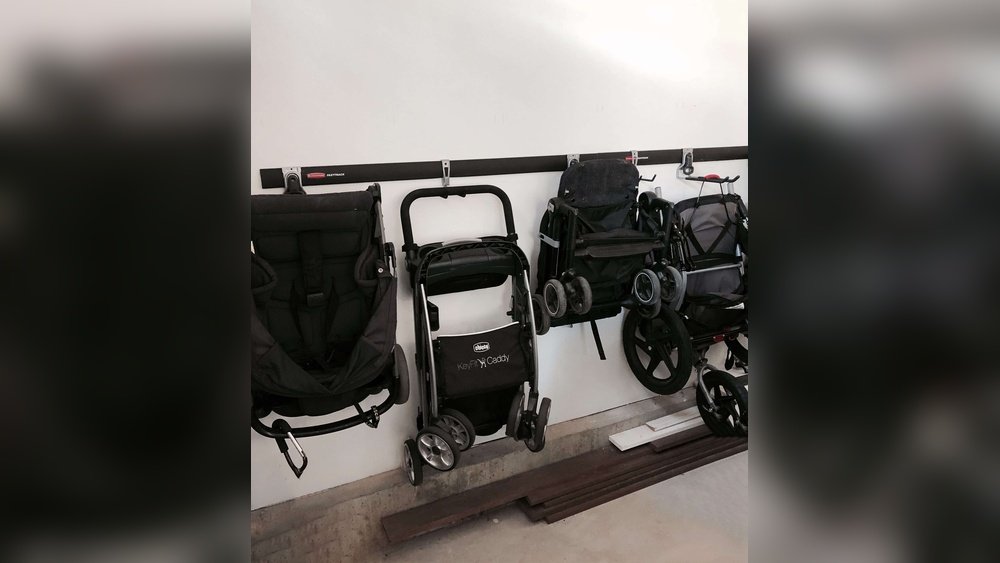
A stroller is one of the most used—and expensive—pieces of baby gear most parents own, with full-size models often costing $200 to $1,000 or more. But garages are high-risk storage spaces: they experience wild temperature swings, high humidity, pest infestations, and clutter from tools, lawn equipment, and seasonal decor. Improper storage can lead to rusted frames, moldy fabric, broken wheels, and damaged harnesses that leave you stuck without a stroller when you need it most. With a few simple, actionable steps, you can store your stroller in the garage safely, keep it in like-new condition, and free up valuable floor space without hassle.
Choose the Right Garage Location First
The spot you pick for your stroller will make or break its long-term condition. Avoid high-moisture zones first: garages in humid regions often see relative humidity levels above 60% in summer, which accelerates corrosion on metal frames and mold growth on fabric. Never store your stroller near water heaters, uninsulated exterior walls, floor drains, or laundry room shared walls, per University of Minnesota Extension’s moisture control guidance. Prioritize easy, unobstructed access: store the stroller within 30 seconds of the garage entry you use most to carry groceries or bring the baby inside, so you can grab it quickly for spontaneous outings before your little one wakes from a nap. Avoid tucking it behind seasonal decor, lawn mowers, or stacked storage bins that you’ll have to move every time you need it. Finally, keep it at least 4 feet away from any chemical storage areas: fumes from paint, gasoline, pesticides, and fertilizer can degrade stroller plastic and fabric over time, and pose a poisoning risk if leaks occur.
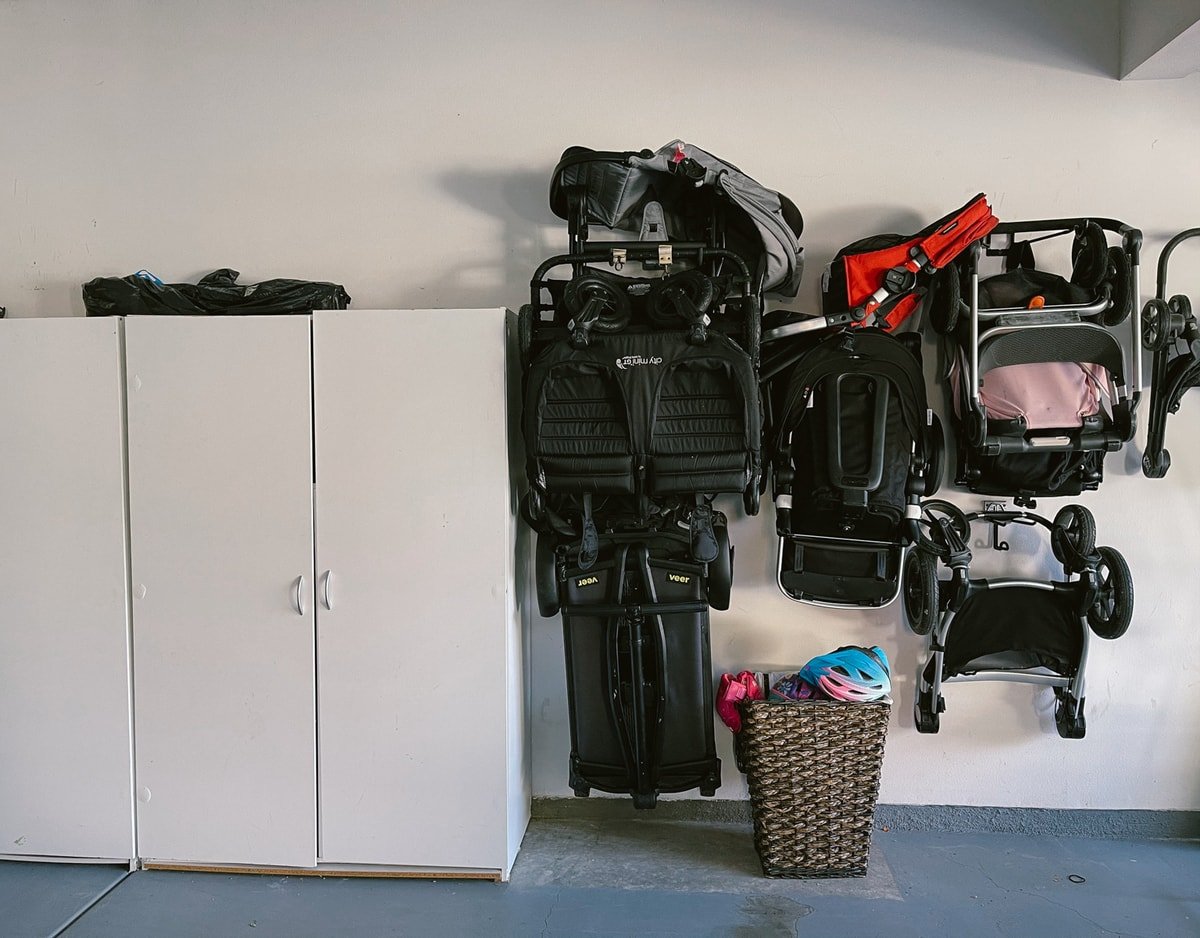 A properly stored stroller kept off the floor and away from moisture
Image source: www.mintarrow.com
A properly stored stroller kept off the floor and away from moisture
Image source: www.mintarrow.com
Pre-Storage Prep: Clean and Inspect Thoroughly
Skipping pre-storage cleaning is the most common cause of long-term stroller damage. Dirt, sand, and food crumbs can scratch frames, degrade fabric, and attract pests, while trapped moisture will cause mold and rust even if you use a cover. Follow these two steps before putting your stroller away:
Step 1: Inspect for Existing Damage
Before cleaning, check the frame for rust, cracks, or loose bolts; wheels for wear, flat spots, or embedded debris; fabric for tears, stains, or early mold growth; and harnesses for fraying straps or broken buckles. Document any existing damage with photos in case you need to make a warranty claim later. Tighten any loose screws, replace worn parts (like wheel bearings or harness clips) before storage to prevent further deterioration.
Step 2: Deep Clean All Components
First, remove all accessories: cup holders, rain covers, infant car seat adapters, parent organizer trays, and washable fabric liners. Shake out all crumbs, sand, and debris from the frame, wheels, and fabric crevices, then use a soft-bristled brush to dislodge stuck-on mud from wheel treads and frame joints. Wipe the frame with a mild soap and water solution—avoid harsh bleach or abrasive cleaners, which can degrade anodized aluminum or plastic coatings. Spot-clean fabric seats and canopies with a gentle baby-safe detergent, then rinse with a damp cloth. Next, lubricate all moving parts: wheels, folding hinges, brake mechanisms, and adjustable handle joints with a silicone-based lubricant (avoid petroleum-based oils, which degrade plastic and attract dust). Wipe away excess lubricant to prevent dirt buildup. Just as you’d keep fabric mold-free in a baby’s crib, you need to ensure all stroller fabric is 100% dry before covering it for garage storage. Let every component air dry completely for at least 24 hours in a shaded, well-ventilated area—even small amounts of trapped moisture will cause mold and rust during long-term storage.
Maximize Space With Smart Storage Solutions
How you store the stroller will determine how much garage space you save and how well the stroller holds up over time. Choose the method that fits your stroller type and garage layout:
Fold and Collapse Properly
First, collapse the stroller fully according to the manufacturer’s instructions—many modern strollers have one-hand fold mechanisms, but double strollers and jogging strollers may require extra steps to secure the frame. If you have a modular stroller like the Uppababy Vista, fold it compactly following model-specific guidance to avoid damaging the folding hinges. For extra compact storage, remove the wheels if your model allows (most strollers have quick-release wheel axles) to cut the storage footprint by nearly 40%.
Wall-Mounted Storage
Use heavy-duty wall anchors and rated hooks (minimum 50 lb capacity, since most full-size strollers weigh 20–35 lbs) to hang the stroller by its frame or handle. For added security, use a padded strap to secure the stroller to the hook, preventing it from slipping off. This method keeps the stroller off the floor, away from moisture and pests, and frees up floor space for other items.
Ceiling or Overhead Racks
If your garage has high ceilings (8 feet or taller), install an overhead storage rack rated for at least 75 lbs to store the stroller, especially bulky double or jogging strollers that take up too much floor space. Make sure the rack is installed directly into ceiling joists, not just drywall, to support the weight safely. Lift the stroller onto the rack using a step stool, and secure it with bungee cords to prevent shifting.
Freestanding Shelving Units
If you don’t want to mount hardware to your walls, a heavy-duty metal shelving unit (rated for 100+ lbs per shelf) works well for storing folded strollers. Place the stroller on the middle or top shelf to keep it out of reach of children and pets, and away from any potential floor moisture. Store smaller strollers like umbrella strollers on lower shelves for easy access.
Under-Workbench Storage
If you have a workbench along a garage wall, use the empty space underneath to store a folded umbrella or lightweight travel stroller. Slide it on a low-profile rolling cart to pull it out easily when needed, without bending or moving heavy items.
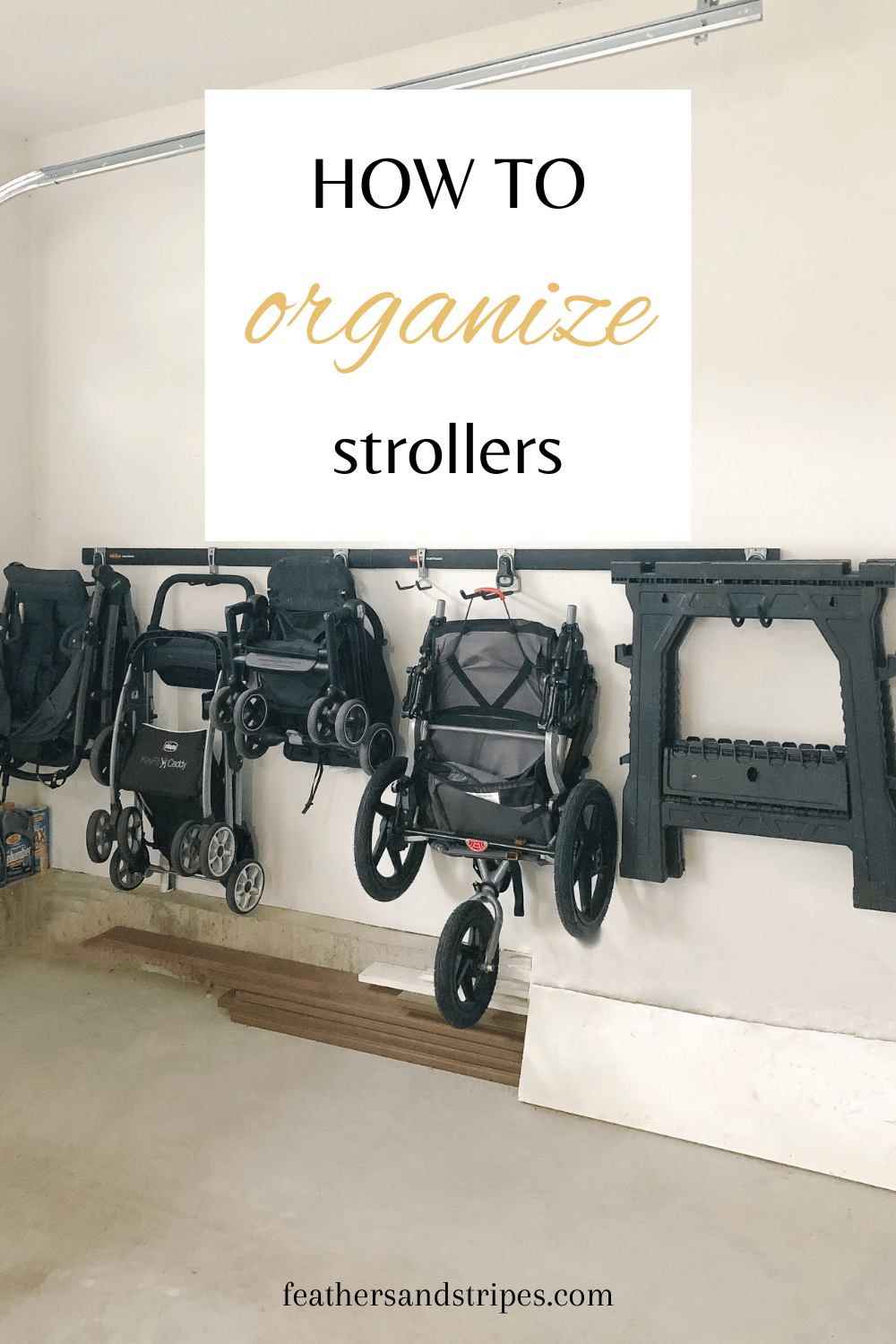 Wall hooks are a space-efficient option for storing multiple strollers off the floor
Image source: feathersandstripes.com
Wall hooks are a space-efficient option for storing multiple strollers off the floor
Image source: feathersandstripes.com
Protect Against Garage-Specific Hazards
Garages pose unique risks to strollers that indoor storage spaces don’t, so extra protection is non-negotiable for long-term storage.
Use a Properly Fitted Cover
Choose a cover made of heavy-duty, water-resistant polyester or vinyl with a breathable inner lining to prevent moisture trapping. Avoid thin plastic covers, which can tear easily and trap condensation that leads to mold. Measure your stroller’s folded dimensions before purchasing a cover to ensure a snug fit—loose covers will slip off and let in dust and pests. For extra protection, place a silica gel pack (the kind used in shoe boxes) inside the cover to absorb excess moisture.
Prevent Pest Infestations
Garages are prime targets for rodents, spiders, and insects, which can chew on stroller fabric, wires, and plastic components, or build nests in the wheels and frame. To deter pests:
- Seal all gaps around garage doors and windows with weatherstripping to block entry points.
- Store the stroller at least 6 inches off the floor, as rodents rarely travel more than 6 inches from the ground when moving.
- Add a few natural pest deterrents, like cedar blocks or peppermint oil cotton balls, near the stroller storage area (avoid harsh chemical pesticides, which can damage stroller materials and pose a risk to children).
- Inspect the stroller monthly for signs of pest activity, like chew marks, droppings, or nesting material.
Guard Against Temperature Extremes
Garages can reach 100°F+ in summer and drop below freezing in winter, which can degrade plastic components, crack rubber wheels, and damage electronic parts (like stroller lights or Bluetooth speakers). Just as you adjust for seasonal temps when dressing your baby, you’ll need to modify your stroller storage approach as garage temperatures fluctuate between summer heat and winter cold. If your garage is not climate-controlled, store the stroller in the most temperature-stable area, usually the interior wall farthest from the garage door. For extreme climates, consider adding an insulated cover or moving the stroller to a basement or closet during the hottest and coldest months.
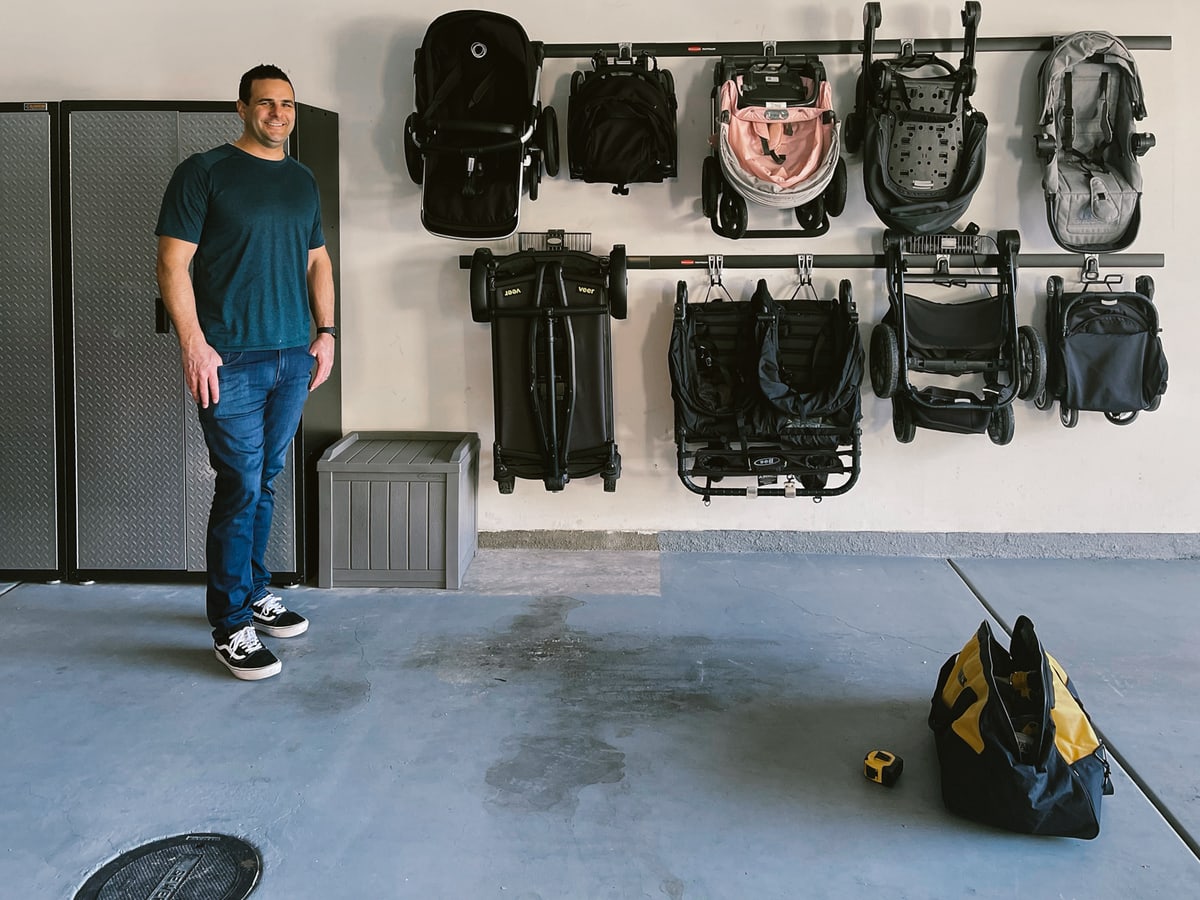 A breathable cover blocks dust and moisture without trapping condensation
Image source: www.mintarrow.com
A breathable cover blocks dust and moisture without trapping condensation
Image source: www.mintarrow.com
Year-Round Maintenance and Safety
Storing the stroller is only half the battle—regular upkeep ensures it stays safe and functional for every use.
Secure the Stroller to Prevent Tipping
If you’re hanging the stroller or storing it on a shelf, use a padded strap or bungee cord to secure it to the wall or shelf bracket. Even a minor bump from a lawnmower or bike can knock an unsecured stroller off a hook, damaging the frame or injuring someone. Place the stroller on a flat, level surface if storing it on the floor, and avoid stacking heavy items (like paint cans or toolboxes) on or near it.
Keep Pathways Clear
Never store the stroller in a way that blocks the garage door, pedestrian walkways, or access to emergency exits. Even if you only use your garage for storage, you need clear paths to exit quickly in case of a fire or carbon monoxide leak from a running vehicle. Keep at least 36 inches of clearance around all storage areas, per CPSC garage safety guidelines.
Schedule Regular Inspections
Inspect the stroller every 3 months (more often if you live in a humid or extreme climate) for signs of rust, mold, pest damage, or worn parts. Wipe away any dust accumulation, reapply lubricant to moving parts if they feel stiff, and air out the stroller for 1–2 hours if it has been stored for more than 2 months. Before each use after storage, test the brakes, wheels, and harness to ensure they are functioning properly.
Store Accessories Separately
Remove all removable parts—cup holders, rain covers, infant car seat adapters, parent trays, and washable fabric liners—before storing the stroller frame. Store these small parts in labeled, sealable plastic bins to keep them clean and prevent loss. Just as you’d organize small essentials to keep them from getting lost in a nursery, labeling bins by part type (e.g., "wheels," "harness parts," "accessories") will save you time when reassembling the stroller.
Common Stroller Storage Mistakes to Avoid
Even well-meaning parents make these errors that can permanently damage their stroller:
- Storing directly on concrete floors: Concrete absorbs and releases moisture slowly, leading to rust on metal parts and mold on fabric. Always elevate the stroller at least 6 inches off the floor with a shelf, hook, or pallet.
- Using non-breathable plastic covers: Thin plastic traps condensation, creating the perfect environment for mold growth. Always opt for a breathable, water-resistant cover.
- Skipping the pre-storage clean: Dirt and debris can scratch frames, degrade fabric, and attract pests. A 10-minute clean before storage can extend your stroller’s usable lifespan by years.
- Storing near chemical products: Fumes from paint, gasoline, and pesticides degrade stroller materials and pose a poisoning risk if children access the area.
- Forgetting to lubricate moving parts: Without regular lubrication, wheel bearings and folding hinges can seize up, making the stroller impossible to fold or roll when you need it.
Frequently Asked Questions
How do I protect a stroller from garage dust and debris?
Use a snug-fitting, breathable stroller cover made of heavy-duty polyester. For extra protection, store the stroller on a high shelf or hung on a wall hook, away from high-traffic areas where dust is kicked up from vehicles or lawn equipment. Wipe down the stroller every 2–3 months during storage to remove any accumulated dust.
Can I store a stroller in an unheated garage year-round?
Yes, as long as you take extra precautions for extreme temperatures. In winter, add an insulated cover to protect plastic and rubber parts from freezing temperatures that can cause cracking. In summer, ensure the garage is well-ventilated to prevent heat buildup that can degrade fabric and plastic. If your garage regularly drops below 20°F or rises above 90°F, consider moving the stroller to a climate-controlled space for long-term storage.
How do I prevent rust on a stroller stored in the garage?
Start with a completely dry stroller, then apply a thin layer of silicone lubricant to all metal parts before covering. Store the stroller off the concrete floor on a shelf or hook, and use a dehumidifier in the garage if you live in a humid climate. Inspect metal parts every 3 months for signs of rust, and sand small rust spots immediately with fine-grit sandpaper before applying a rust-inhibiting spray.
What’s the best way to store a double or jogging stroller in a small garage?
Double and jogging strollers are bulkier, so prioritize overhead or wall-mounted storage. Remove the wheels if your model allows to cut the storage footprint in half, and hang the frame from heavy-duty ceiling or wall hooks. If you don’t have wall space, use a freestanding metal shelving unit with wide shelves to accommodate the wider frame, and store accessories in bins on lower shelves to save space.
Do I need to deflate stroller tires for long-term storage?
No, unless you are storing the stroller for 6 months or longer. Deflating tires can cause the rubber to crack and the wheel rims to bend. For storage under 6 months, keep tires inflated to the manufacturer’s recommended PSI to maintain their shape.
Conclusion
Proper garage stroller storage doesn’t have to be complicated—by choosing the right location, prepping the stroller thoroughly, using smart storage solutions, and performing regular maintenance, you can protect your investment and keep your stroller ready for use for years. A little prep before storing saves you from costly repairs, mold cleanup, and the frustration of a broken stroller when you need it most. For more baby gear organization and care tips, browse our guides to folding popular stroller models and keeping small baby essentials clutter-free.

Emma Grace is a devoted mother and passionate content writer at BestBabyCart.com. With firsthand parenting experience and a love for research, she creates helpful guides and honest reviews to support parents in choosing the best for their babies. Her goal is to make parenthood easier, one article at a time.