
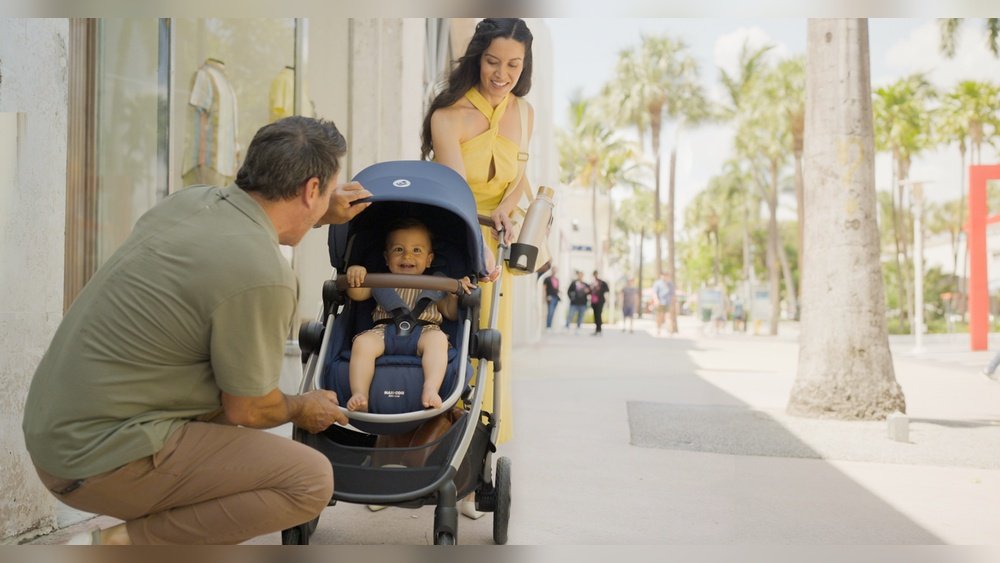
You want the best for your child, and that means keeping your stroller safe and reliable. But how do you know when it’s time to replace it?
Using an old stroller could put your little one at risk or make your outings more stressful than they should be. You’ll discover the key signs to look for and learn exactly when you should say goodbye to your stroller.
Keep reading to make sure you’re always traveling with comfort and safety in mind.
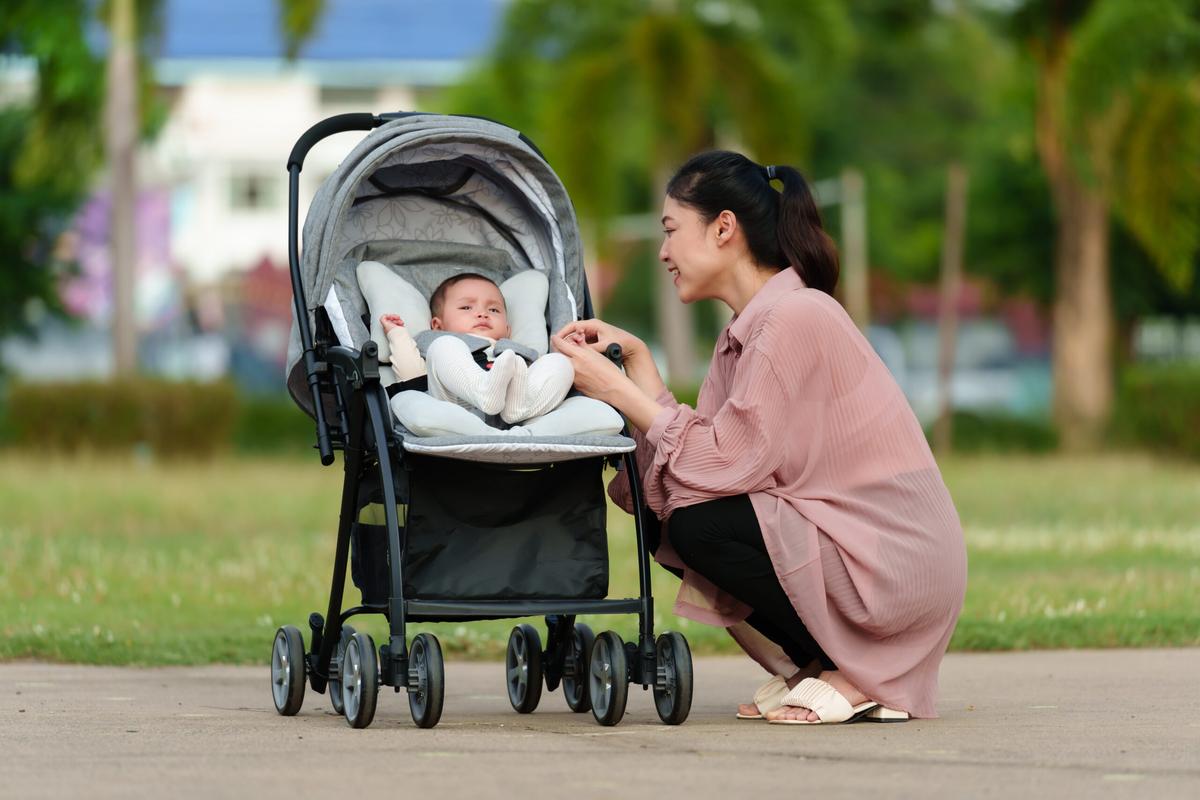
Credit: pathways.org
Signs Your Stroller Needs Replacement
Knowing when to replace your stroller keeps your child safe and comfortable. Strollers go through wear and tear from daily use. Sometimes, they stop working well or become unsafe. Spotting these signs early helps you avoid problems.
Wear And Tear Indicators
Look for frayed straps and torn fabric. Wheels that wobble or don’t roll smoothly show damage. Rust on metal parts means the stroller is aging. Bent frames can affect stability. These signs mean the stroller is worn out.
Safety Concerns
Broken brakes put your child at risk. Loose or missing parts can cause accidents. Harnesses that don’t fasten properly fail to keep your child secure. A stroller that tips over easily is unsafe. Safety issues mean it’s time to replace the stroller.
Functionality Issues
Difficulty folding or unfolding the stroller is a problem. Strollers that won’t lock in place cause frustration. Missing accessories like sun canopies reduce comfort. If it no longer fits your child’s size, it needs replacing. Function problems affect daily use and safety.
Credit: www.chiccousa.com
Average Lifespan Of Different Stroller Types
Different stroller types have varying lifespans based on their design and use. Knowing how long each type lasts helps plan replacements. It saves money and ensures safety for your child.
Standard Strollers
Standard strollers usually last about five years. They are designed for everyday use and moderate wear. Regular cleaning and checking for loose parts extend their life. These strollers are sturdy but not built for rough terrain.
Jogging Strollers
Jogging strollers often last three to four years. They have special wheels and suspension for running. These parts face more stress and wear out faster. Proper maintenance, like tire care, helps them last longer. Safety checks before use are important.
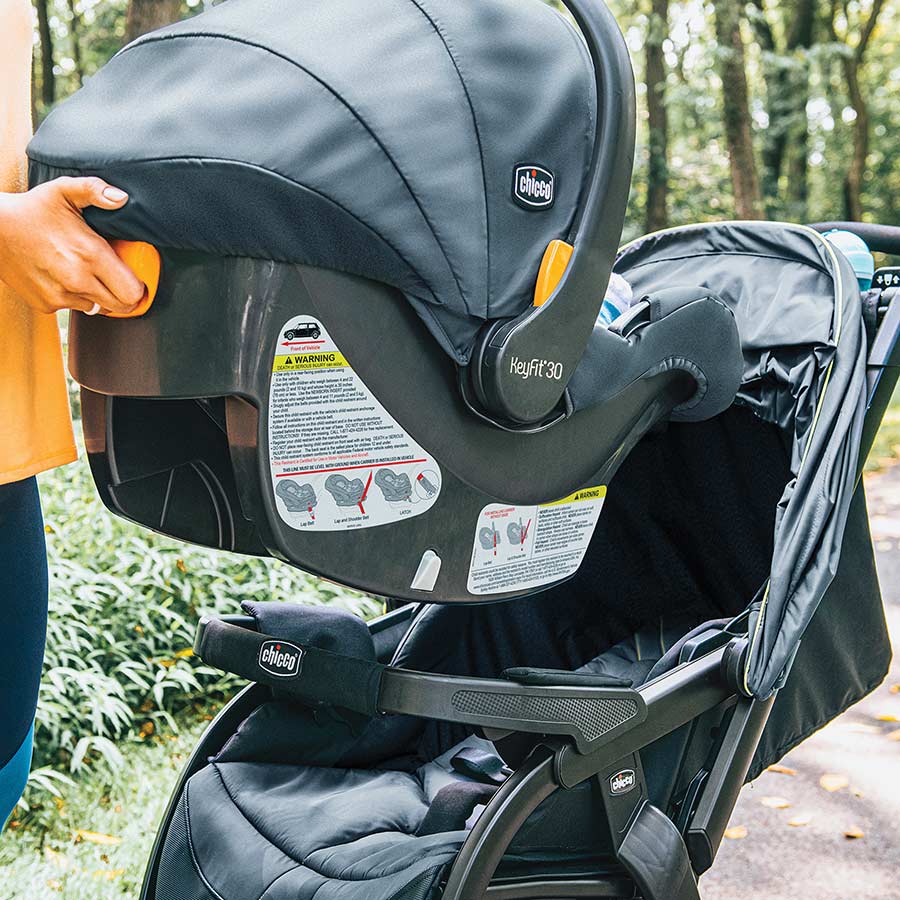
Travel Systems
Travel systems combine a stroller and car seat. They last around four to five years. The car seat’s expiration date often limits the system’s lifespan. Use both parts within their safety guidelines. Regular inspections keep the system reliable and safe.
Factors Affecting Stroller Longevity
Several factors affect how long a stroller lasts. Knowing these helps you decide when to replace it. Stroller longevity depends on use, care, and storage. Each factor plays a key role in its lifespan.
Frequency Of Use
How often you use the stroller changes how fast it wears out. Daily use causes more wear than occasional use. Rough terrain or long trips add extra strain. A stroller used rarely can last many years.
Storage Conditions
Where you keep your stroller affects its condition. Storing it indoors protects it from weather damage. Sun and rain can weaken fabric and metal parts. A dry, clean space helps prevent rust and mold.
Maintenance Habits
Regular cleaning and checks extend a stroller’s life. Wipe dirt off wheels and frame after use. Check bolts and brakes to keep them tight. Fix small problems before they become big issues.
When To Upgrade For Safety Reasons
Knowing when to upgrade your stroller is key to keeping your child safe. Strollers can wear out or become outdated. Safety rules change over time. Your child’s needs also change as they grow. Watch for signs that your stroller may no longer be safe or suitable.
Recalls And Safety Standards
Check for stroller recalls regularly. Manufacturers recall products that have safety risks. Using a recalled stroller can endanger your child. Safety standards improve over the years. Older strollers might not meet new safety rules. Make sure your stroller complies with the latest standards. This helps protect your child from harm.
Technological Improvements
New strollers often have better safety features. Improved brakes and harnesses keep children secure. Some models offer better shock absorption for comfort. Lightweight frames make strollers easier to handle. Upgrading can reduce accidents caused by outdated parts. Technology advances make strollers safer and more reliable.
Changing Needs Of Your Child
Your child’s size and activity level change fast. Infant strollers may not fit toddlers well. Older children need more support and space. Strollers with adjustable seats and harnesses are best. Consider your child’s growth when choosing a stroller. Upgrading helps meet their comfort and safety needs.
Tips To Extend Your Stroller’s Life
Extending the life of your stroller saves money and keeps your child safe. Small steps can make a big difference. Regular care helps avoid early replacement. Follow these simple tips to keep your stroller working longer.
Regular Cleaning And Inspection
Clean the stroller after every use. Dirt and debris can wear down parts quickly. Use mild soap and water for the frame and fabric. Avoid harsh chemicals that damage materials. Check wheels and brakes often for wear. Tighten loose screws and bolts. Spot any broken or cracked parts early.
Proper Storage Practices
Store the stroller in a dry place. Moisture causes rust and mold. Avoid leaving it in direct sunlight for long periods. Sunlight fades colors and weakens fabric. Fold the stroller properly to prevent damage. Keep it off the ground to avoid dirt and pests.
Timely Repairs
Fix problems as soon as they appear. Replace worn wheels and broken brakes fast. Small repairs prevent bigger issues later. Use original parts for the best fit. If unsure, ask a professional for help. Regular repairs keep the stroller safe and smooth to use.
Choosing A New Stroller Wisely
Choosing a new stroller wisely matters a lot. The right stroller fits your needs and keeps your child safe. It also makes daily trips easier and more fun. Think about what you really need before buying. This saves money and avoids hassle.
Assessing Your Lifestyle
Think about how often you use a stroller. Do you walk a lot or drive mostly? Some strollers are great for city streets. Others work better on rough paths. Consider your daily routine. Choose a stroller that matches your lifestyle needs.
Budget Considerations
Set a budget before shopping. Strollers come in many price ranges. A higher price does not always mean better quality. Look for good value, not just the cheapest option. Remember to include extra costs like accessories or maintenance.
Key Features To Look For
Check for safety features like brakes and harnesses. Look for easy folding and lightweight design. Storage space is important for carrying baby items. Adjustable handles can make pushing more comfortable. Choose a stroller with features that suit your needs well.
Credit: www.chiccousa.com
Frequently Asked Questions
How Long Does A Stroller Usually Last?
A stroller typically lasts 3 to 5 years with regular use. Proper maintenance and storage can extend its lifespan. Frequent wear and tear or changes in safety standards may require earlier replacement.
When Should I Replace My Stroller For Safety?
Replace your stroller if it has broken parts, faulty brakes, or fails safety checks. Also, consider replacement if it no longer meets current safety standards to protect your child effectively.
Can I Use A Stroller For Multiple Children?
Yes, you can use a stroller for multiple children if it remains in good condition. Check for wear and ensure all safety features work before each use.
How Do I Know If My Stroller Is Outdated?
Your stroller is outdated if it lacks modern safety features or shows significant wear. Also, consider replacement if it no longer fits your child comfortably or safely.
Conclusion
Replacing your stroller depends on wear, safety, and your child’s needs. Check it often for damage or broken parts. If your stroller feels unsafe or hard to use, it’s time to change. Growing children may need bigger, more comfortable strollers.
Keeping a stroller in good shape protects your child and saves money. Trust your judgment and stay alert. A safe stroller makes every trip easier and more fun. Choose wisely and enjoy every outing with your little one.

Sophia Linda, a proud mother of three and founder of BestBabyCart, combines real parenting experience with expert knowledge of baby products. She understands the joys and challenges of raising little ones and is dedicated to guiding parents with trusted tips, honest reviews, and practical advice to make every stage of parenthood easier and more joyful.