
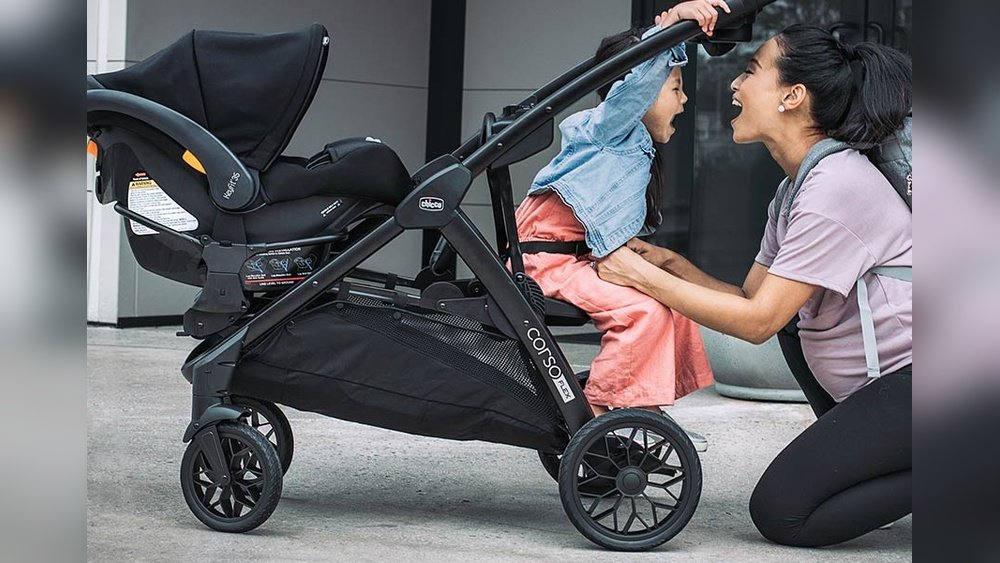
Whether you’re preparing for your first baby, inheriting a used stroller from a friend, or noticing signs of wear on your current model, the question of how long strollers last is both practical and safety-critical. A durable, well-maintained stroller can save you hundreds of dollars over time, while a worn or damaged model poses serious injury risks for your child. This guide breaks down average stroller lifespans by type, the key factors that impact durability, red flags that signal it’s time to replace your stroller, and actionable tips to extend its usable life and get the most value from your purchase. All guidance aligns with 2026 safety standards and real-world parent experiences to help you make informed, confident choices for your family.
Average Stroller Lifespan At A Glance
Lifespan varies widely depending on stroller type, build quality, and usage patterns. The table below outlines realistic average lifespans for common stroller categories with regular care and maintenance:
| Stroller Type | Average Lifespan (With Regular Care) | Typical Use Case | Key Durability Notes |
|---|---|---|---|
| Full-Sized/Standard | 5–7 years | Daily city use, errands, family outings | Durable steel/aluminum frames, large wheels, high weight limits; most hold up to heavy, long-term use |
| Jogging/All-Terrain | 4–6 years | Running, hiking, rough terrain | Reinforced frames, air-filled tires, advanced suspension; tread and wheel bearings may need replacement every 1–2 years with heavy off-road use |
| Lightweight/Umbrella | 1–3 years | Travel, quick errands, public transit | Thin aluminum frames, small plastic wheels; prone to bending and wheel damage with frequent use |
| Travel System (stroller + car seat) | 4–6 years (stroller component) | Newborn to toddler, car + stroller use | Stroller portion matches standard stroller durability; car seat expires after 6–10 years (check manufacturer label) |
| Double/Tandem | 3–5 years | Families with multiple young children | Reinforced frames to support higher weight loads; joint stress from frequent folding can shorten lifespan if not maintained |
Core Factors That Impact Stroller Durability
Multiple variables determine how long a stroller will stay safe and functional, from the materials it’s built from to how you store it between uses. You can also read our guide on best stroller for rough terrain.
Build Quality and Safety Standards
Reputable brands design strollers to meet mandatory safety standards like ASTM F833 (US) and EN 1888 (EU), which require rigorous testing for frame strength, brake performance, and harness durability. Cheap no-name strollers often skip these tests, using thin plastic and low-grade metal that cracks or bends under normal use. Look for premium features like sealed wheel bearings (prevent dirt and rust from grinding down parts) and UV-resistant fabric coatings (prevent fading and material degradation from sun exposure) for longer-lasting performance.
Usage Patterns and Stress
Frequency of use matters, but the type of use matters more: regularly navigating curbs, loading the stroller into a car trunk, carrying it up stairs, or using it on gravel or sand adds far more stress to the frame and wheels than smooth sidewalk use. Overloading the stroller beyond its listed weight limit (usually 40–65 lbs for standard models) is one of the fastest ways to break a frame or damage wheels. A common mistake parents make is hanging heavy shopping bags on the stroller handle, which strains the frame joint by up to 30% beyond its design capacity and shortens lifespan by 1–2 years in many cases. You can also read our guide on black friday stroller deals.
Maintenance and Care Routine
Neglecting small maintenance tasks leads to expensive, preventable wear. Daily users should lubricate wheel axles and brake cables every 3 months with a silicone-based lubricant (avoid petroleum-based products, which degrade rubber and plastic) to prevent grinding and seizing. Check harness buckles and straps monthly for fraying or weakening, and test brakes weekly to ensure they lock securely. These small steps take 5 minutes a month but can add 2+ years to a stroller’s usable life.
Storage Environment
Never leave a stroller in a hot car for extended periods, as temperatures over 120°F can warp plastic parts and weaken fabric coatings. Store in a cool, dry indoor space away from direct sunlight; damp basements or garages can cause rust on metal components and mold growth on fabric, which degrades material strength and creates health hazards. If storing a stroller for 3+ months (e.g., between children), remove the seat fabric to prevent mildew, and loosen the brake cable slightly to avoid tension stress on the mechanism. You can also read our guide on how to store stroller in garage.
Signs Your Stroller Needs To Be Replaced
Even well-cared-for strollers will wear out over time. Replace your stroller immediately if you notice any of the following issues, as they pose serious safety risks:
Structural Damage
Cracks, bends, or rust on the main frame, joints, or handlebars are non-negotiable red flags. Even small hairline cracks can spread under load, leading to sudden collapse during use. If the frame feels wobbly when you push or fold the stroller, or the stroller pulls consistently to one side when moving (a sign of frame warping), it is no longer safe to use regardless of how new it looks.
Worn or Malfunctioning Components
- Wheels with flat spots, cracked rubber, or seized bearings that no longer roll smoothly
- Brakes that slip, fail to lock, or have frayed cables
- Harnesses with frayed straps, broken buckles, or weakened stitching that can't secure a wiggly toddler
- Canopies with broken hinges or torn fabric that can't provide adequate sun or rain protection
- Missing or broken wheel locks that prevent the stroller from staying in place on slopes
Recall Notices or Crash Damage
Check the U.S. Consumer Product Safety Commission (CPSC) recall database regularly for stroller recalls, which are issued for defects that pose injury risks. Even if your stroller is not recalled, replace it immediately if it has been involved in a moderate to severe crash (e.g., tipping over while fully loaded, collision with a vehicle), as internal frame damage is often invisible but compromises structural integrity. You can also read our guide on what is better.
 Expired car seats and strollers past their safe service life pose serious injury risks
Credit: saferide4kids.com
Expired car seats and strollers past their safe service life pose serious injury risks
Credit: saferide4kids.com
How To Extend Your Stroller's Lifespan
Small, consistent care steps can add 2–3 years to any stroller’s usable life, protecting your investment and keeping your child safe.
Proper Cleaning Practices
Use a soft brush and mild soap to clean frame and wheel components; avoid abrasive cleaners or bleach, which can damage fabric coatings and plastic parts. Spot-clean fabric stains immediately to prevent them from setting, and remove mud or gravel from wheel treads after each use to prevent grinding down rubber and bearing components. Most removable seat fabrics are machine washable – follow the manufacturer's care label to avoid shrinking or weakening material. You can also read our guide on best strollers for newborns.
Correct Folding and Storage
Always follow the manufacturer’s folding instructions – for example, correct Uppababy Vista folding technique prevents joint stress and frame bending over time. When storing, keep the stroller upright in a cool, dry space, and avoid stacking heavy items on top of it, which can bend frame bars. If storing for extended periods, loosen adjustable components like the handlebar and seat recline to reduce tension on mechanisms.
Timely Part Repairs
Many stroller brands sell replacement parts (wheels, brake pads, harnesses, tires) separately for a fraction of the cost of a new stroller. Replacing a worn wheel or frayed harness for $20–$50 is far more cost-effective than tossing a $300 stroller that is otherwise in good condition. Avoid DIY repairs with incompatible parts, as these can compromise safety and warranty coverage. You can also read our guide on early black friday baby sale.
Protective Accessories
Use a stroller travel bag when flying or transporting in a cargo hold to prevent scratches and frame damage. Wheel covers keep gravel and debris from damaging wheel bearings, and a UV-protective canopy cover prevents fabric fading when storing outdoors for short periods. Never hang heavy bags on the handle, as this strains the frame and increases tip-over risk.
 Proper folding technique prevents frame joint stress and extends stroller lifespan
Credit: www.riverbabygroup.com
Proper folding technique prevents frame joint stress and extends stroller lifespan
Credit: www.riverbabygroup.com
Balancing Durability and Long-Term Value
Choosing a stroller isn’t just about upfront cost – it’s about calculating long-term value based on how you’ll use it.
Upfront Cost vs. Long-Term Use
A mid-range full-sized stroller ($300–$500) built with aluminum frames and sealed bearings will last 5–7 years with daily use, and can be resold for 30–50% of its original price if well-maintained. In contrast, a $100 ultra-lightweight umbrella stroller typically only lasts 1–2 years with regular use, and has almost no resale value due to its flimsy construction. For families planning to have multiple children, investing in a durable stroller that can be used for 2+ kids is often more cost-effective than buying a new cheap model for each child. You can also read our guide on how to keep stroller cool in summer.
Warranty and Manufacturer Support
Reputable stroller brands offer 1–3 year limited warranties covering defects in materials and workmanship, with some premium brands extending frame warranties to 5+ years. A strong warranty is a good indicator of build quality, as manufacturers stand behind their products. Always read warranty terms carefully to understand what is covered (e.g., wear parts like wheels and brakes are often excluded) and avoid third-party sellers that offer no warranty coverage.
Resale and Secondhand Considerations
Well-maintained strollers from popular brands retain value far better than generic models. When selling, clean all components thoroughly, replace any worn parts, and include all original accessories (e.g., rain cover, cup holder) to maximize resale price. If buying secondhand, always verify the model is not on the CPSC recall list, inspect all parts for wear or damage, and confirm the stroller has never been in a crash. You can also read our guide on best stroller for running.
When To Upgrade Your Stroller (Instead of Replacing)
A stroller doesn’t always need to be replaced just because your family’s needs change. Upgrade instead of tossing if:
Changing Family Needs
Your stroller may still be in perfect condition, but no longer fit your lifestyle as your child grows. For example, a compact city stroller may not have enough storage for family hikes, or a single stroller may no longer work for a growing sibling set. Upgrading to a stroller wagon, all-terrain model, or double stroller lets you keep your old stroller in good condition for resale or hand-me-down use, rather than tossing it.
Safety and Feature Upgrades
New stroller models often include updated safety features like improved harness systems, better suspension, or enhanced brake performance. If your current stroller lacks these features, or is subject to a recall that requires a full replacement (rather than a free repair kit), upgrading is the safest choice. Note that stroller car seat components expire after 6–10 years (check the manufacturer label on the base), even if the stroller frame is still in good condition. You can also read our guide on stroller safety checklist.
Frequently Asked Questions
What is the average lifespan of a full-sized stroller?
A well-maintained full-sized stroller used for daily city walks and errands will last 5–7 years on average. Higher-end models with steel frames and sealed bearings can last 8+ years with proper care, while cheaper models with plastic components may only last 3–4 years.
Can I use a 10-year-old stroller for my new baby?
Most strollers do not have a formal expiration date, but 10 years is far beyond the average safe lifespan for most models. Over time, plastic components become brittle, metal parts rust, and safety standards evolve to address new hazards. Always inspect an old stroller thoroughly for structural damage, and verify it meets current ASTM F833 safety standards before use.
Do jogging strollers last longer than regular strollers?
Jogging strollers are built with reinforced frames and heavy-duty air-filled tires designed for rough terrain, so they often last longer than lightweight models when used for their intended purpose. However, frequent off-road use will wear down tires and suspension components faster, requiring part replacements every 1–2 years to maintain safety and performance.
Is it worth repairing an old stroller, or should I buy a new one?
If the stroller's frame is structurally sound and the repair cost is less than 30% of the price of a comparable new model, repairing it is almost always more cost-effective. Common repairs like replacing wheels, brake pads, or harnesses cost $20–$50, while a new mid-range stroller costs $300+. Only replace the stroller if it has structural damage, is subject to an unrepairable recall, or no longer meets your family's needs.
How can I check if my used stroller is still safe?
Start by looking up the model on the CPSC recall database to confirm it has no outstanding safety defects. Inspect the frame for cracks, bends, or rust, test all brakes and wheel locks to ensure they work, check the harness for fraying or broken buckles, and confirm the weight limit is appropriate for your child. If any components are worn or damaged, replace them before use, or opt for a newer model.
Conclusion
Stroller lifespan ranges from 1 year for cheap lightweight models to 8+ years for high-end full-sized or jogging strollers, depending on build quality, usage, and care. Regular maintenance, proper storage, and timely part repairs can add 2–3 years to any stroller’s usable life, saving you money and keeping your child safe. When choosing a stroller, balance upfront cost with long-term durability: a higher initial investment in a well-built model will pay off in the long run if you use it daily, while a cheap lightweight model is a practical choice for occasional travel. Always prioritize safety over cost – if a stroller shows signs of structural damage or fails to meet current safety standards, replace it immediately, no matter how new it is. For detailed guidance on caring for your specific stroller model and maximizing its usable life, explore our full library of baby gear care tips.

Sophia Linda is a freelance writer and Certified Health Coach based in the Newbury Park, CA. Passionate about healthy living, she focuses on helping families stay active and connected to the outdoors. Together with her husband and their three young children, Sophia spends much of her time traveling, hiking, and camping. Her work has been featured on the bestbabycart blog, and she brings a practical, real-world perspective to reviewing baby products for parents.