
Choosing the right car seat and stroller for your little one can feel overwhelming. You want something safe, comfortable, and easy to use, but with so many options, where do you start?
This guide will help you make smart choices that fit your lifestyle and keep your child secure. By the end, you’ll feel confident picking the perfect car seat and stroller that make every trip easier and more enjoyable for both you and your baby.
Keep reading to discover the simple steps that will save you time, money, and stress.

Credit: orbitbaby.com
Types Of Car Seats
Choosing the right car seat is important for your child’s safety and comfort. Car seats come in different types, designed for various ages and sizes. Understanding these types helps you pick the best one for your child.
Infant Seats
Infant seats are for newborns and small babies. They face the rear of the car for better protection. These seats are light and easy to carry. You can click them in and out of a base. They keep your baby safe on short trips and walks.
Convertible Seats
Convertible seats grow with your child. They start facing backward for babies. Later, they turn to face forward for toddlers. These seats last longer and save money. They have more padding for comfort. Installation is more secure with a seatbelt or LATCH system.
Booster Seats
Booster seats are for older children who outgrow convertible seats. They raise your child to fit the car’s seatbelt properly. This helps protect the child during a crash. Booster seats come in high-back or backless styles. They are lightweight and easy to move between cars.
Car Seat Safety Features
Choosing the right car seat means focusing on safety features. These features protect your child during travel. Understanding key safety aspects helps you pick the best seat. The right features keep your child secure and comfortable.
Harness Systems
The harness holds your child in place. A five-point harness is the safest choice. It has straps over the shoulders, hips, and between the legs. This design spreads crash forces evenly. It also prevents your child from slipping out.
Adjustable harnesses grow with your child. Look for easy-to-use buckles and straps. A snug fit is crucial for safety. Loose harnesses reduce protection during a crash.
Side Impact Protection
Side impact protection shields your child from side collisions. It often includes extra padding and energy-absorbing materials. These features reduce the force on your child’s head and chest. Some seats have deep side wings for added safety.
This protection is important because side crashes can cause serious injuries. Check for seats tested and rated for side impact safety. This feature enhances overall crash protection.
Installation Methods
Proper installation is key to car seat safety. Seats attach using either a seat belt or LATCH system. LATCH uses built-in anchors in the car for easier installation. Both methods must be tight and secure.
Some seats have indicators to show correct installation. These help avoid common mistakes. Always follow the car seat and vehicle manuals for best results. A well-installed seat keeps your child safe in every ride.
Choosing The Right Car Seat
Choosing the right car seat is vital for your child’s safety. It protects your child during every ride. Selecting a car seat that fits your child and vehicle is key. This guide helps you understand what to check before buying.
Age And Weight Guidelines
Car seats are made for different ages and weights. Babies need rear-facing seats for better head and neck support. Toddlers often use forward-facing seats with harnesses. Older kids switch to booster seats. Check the label for weight and height limits. Choose a seat that fits your child’s current size and stage.
Vehicle Compatibility
Not all car seats fit all cars. Check your vehicle’s manual for car seat rules. Look for seats with easy installation systems like LATCH. Test the seat in your car before buying. A well-fitted seat stays secure during travel. Proper fit reduces the risk of injury.
Ease Of Use
Choose a car seat that is simple to install and adjust. Easy buckling and unbuckling save time and frustration. Clear instructions help ensure safety. Seats with washable covers are practical. A user-friendly seat encourages regular and correct use.
Credit: www.cholsamaj.com
Types Of Strollers
Choosing the right stroller makes outings easier and safer for your child. Strollers come in different types. Each type fits different needs and lifestyles. Knowing the main types helps you pick the best one.
Standard Strollers
Standard strollers are the most common choice for daily use. They are sturdy and comfortable for your child. These strollers usually have good storage space. They work well on smooth surfaces like sidewalks and malls. Standard strollers can fold easily for travel or storage.
Jogging Strollers
Jogging strollers are designed for active parents. They have three large wheels for better control and stability. These strollers handle rough terrain and uneven paths well. They offer extra suspension to keep the ride smooth. Jogging strollers are heavier but provide safety during fast runs.
Travel Systems
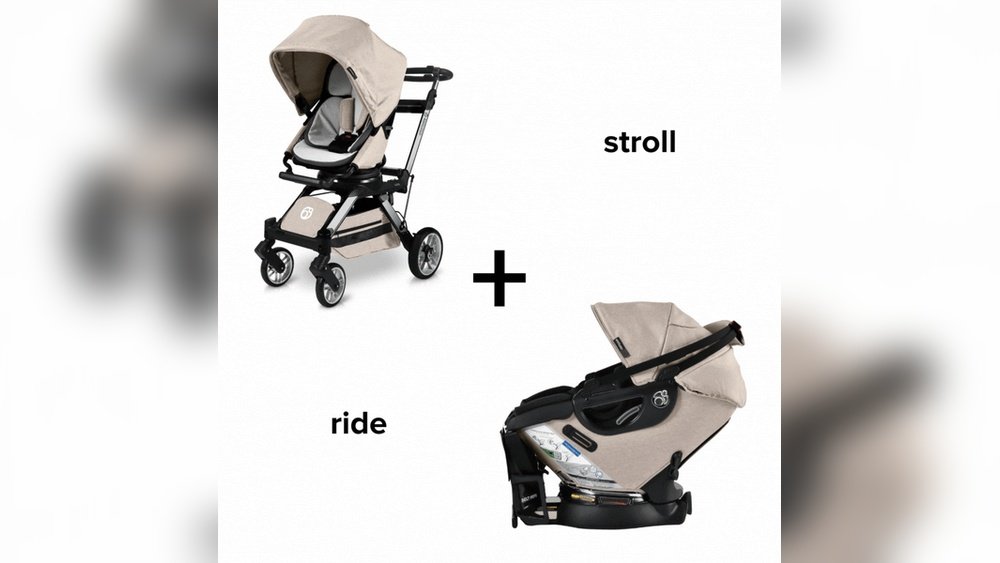
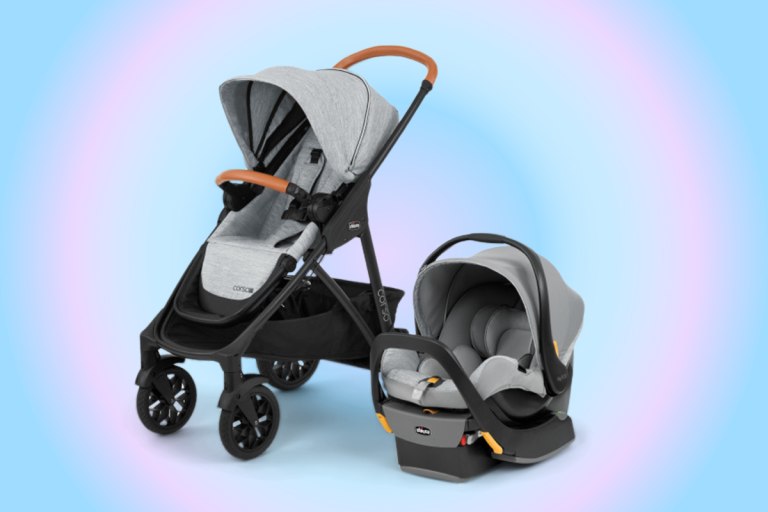
Travel systems combine a stroller and a car seat. They allow you to move your baby without waking them. The car seat clicks into the stroller frame quickly. Travel systems save time and reduce hassle during trips. They are a practical choice for parents on the go.
Stroller Features To Consider
Choosing the right stroller is important for comfort and safety. The features of a stroller affect how easy it is to use daily. Focus on key aspects that make your outings smooth and stress-free. Consider how the stroller moves, where you can keep your items, and how easy it is to carry and store.
Maneuverability
Maneuverability means how easily the stroller moves. Look for smooth steering and wheels that turn well. Swivel wheels help in tight spaces like stores or crowded sidewalks. Good suspension can absorb shocks on rough paths. This makes the ride comfortable for your child and easier for you to push.
Storage Options
Storage space helps carry baby items and personal belongings. Check for baskets under the seat that can hold bags or toys. Some strollers have pockets or cup holders for bottles and snacks. The more storage, the less you must carry separately. This keeps your hands free and your trip organized.
Fold And Portability
A stroller should fold easily and be light to carry. A simple fold saves time and effort. Compact folding helps fit the stroller in car trunks or small closets. Some models have one-hand fold systems. Portability makes travel and daily use much easier for parents.

Credit: orbitbaby.com
Matching Car Seats With Strollers
Choosing the right car seat and stroller can feel tricky. Matching them well makes travel easier and safer. A good match means you can move your baby without waking them. It also saves time and effort during trips.
Travel System Compatibility
Many car seats and strollers work together as travel systems. These sets are designed to click in and out easily. Check if the car seat fits the stroller frame securely. A compatible system ensures your baby stays safe and comfortable. It also lets you switch from car to stroller quickly.
Adapters And Accessories
Adapters help connect car seats and strollers that do not match. They provide a stable link between different brands or models. Always check the adapter’s instructions for proper use. Some accessories improve comfort or convenience. Look for sunshades, rain covers, or extra padding. These small additions make outings smoother.
Budget And Brand Choices
Choosing the right car seat and stroller involves thinking about your budget and the brands you trust. These two factors help you find safe and reliable products without spending too much money. Understanding price ranges and brand reputations makes shopping easier and smarter.
Price Ranges
Car seats and strollers come in many price ranges. Basic models can cost less but still meet safety standards. Mid-range options offer extra features like adjustable handles or more padding. High-end models provide the latest technology and stylish designs. Decide how much you want to spend before shopping. Balance your budget with the features you need most.
Trusted Brands
Choosing a trusted brand ensures safety and quality. Brands with good reviews and safety ratings often last longer. They also offer better customer support. Look for brands known for testing and following safety rules. Popular brands usually have many options to fit different budgets. Trust matters most when it comes to your child’s comfort and protection.
Maintenance And Longevity
Choosing the right car seat and stroller is just the start. Taking care of them helps keep your baby safe and comfortable. Proper maintenance also saves money by making these items last longer. Simple steps can protect your investment and keep everything working well.
Cleaning Tips
Clean the car seat and stroller regularly. Dirt and spills can cause damage over time. Use mild soap and water for fabric parts. Avoid harsh chemicals that might weaken materials. Wipe plastic and metal parts with a soft cloth. Let everything dry completely before use. Remove crumbs and debris from crevices often. Clean straps gently without soaking them. This keeps the safety features strong and reliable.
When To Replace
Car seats and strollers wear out with use. Replace them after a crash, even if no damage is visible. Check the manufacturer’s expiration date on the label. Most car seats last about six years. Strollers may last longer, but inspect for broken parts. Look for frayed straps, cracked frames, or faulty brakes. If you notice any damage, stop using the item. Safety is the top priority for your child’s gear.
Frequently Asked Questions
What Factors Should I Consider When Choosing A Car Seat?
Focus on safety ratings, size, weight limits, and ease of installation. Ensure the seat fits your vehicle. Check for adjustable harnesses and padding for comfort. Always choose a seat that meets current safety standards and suits your child’s age and size.
How Do I Pick The Right Stroller For My Baby?
Consider your lifestyle, terrain, and stroller weight. Look for safety features, ease of folding, and storage space. Choose a stroller with adjustable handles and comfortable seating. Ensure it fits your daily needs and grows with your child.
When Should I Switch From Infant Car Seat To Toddler Seat?
Switch when your child exceeds the infant seat’s weight or height limits. Usually, this happens around 12 months. Always follow manufacturer guidelines and local safety laws. Ensure the new seat offers proper support and harness adjustments for toddlers.
Can I Use One Brand For Both Car Seat And Stroller?
Yes, some brands offer travel systems that combine car seats and strollers. These sets ensure compatibility and convenience. They often save space and time when traveling. However, always verify each product’s safety and comfort features independently.
Conclusion
Choosing the right car seat and stroller keeps your child safe and comfortable. Think about your daily needs and travel plans first. Check safety ratings and ease of use for both products. Consider your budget but don’t skip on quality.
Test the items in stores if possible. Remember, a good fit means less stress for you and your child. Take your time to decide. This helps you find the best match for your family’s lifestyle. Safety and comfort always come first.

Emma Grace is a devoted mother and passionate content writer at BestBabyCart.com. With firsthand parenting experience and a love for research, she creates helpful guides and honest reviews to support parents in choosing the best for their babies. Her goal is to make parenthood easier, one article at a time.