
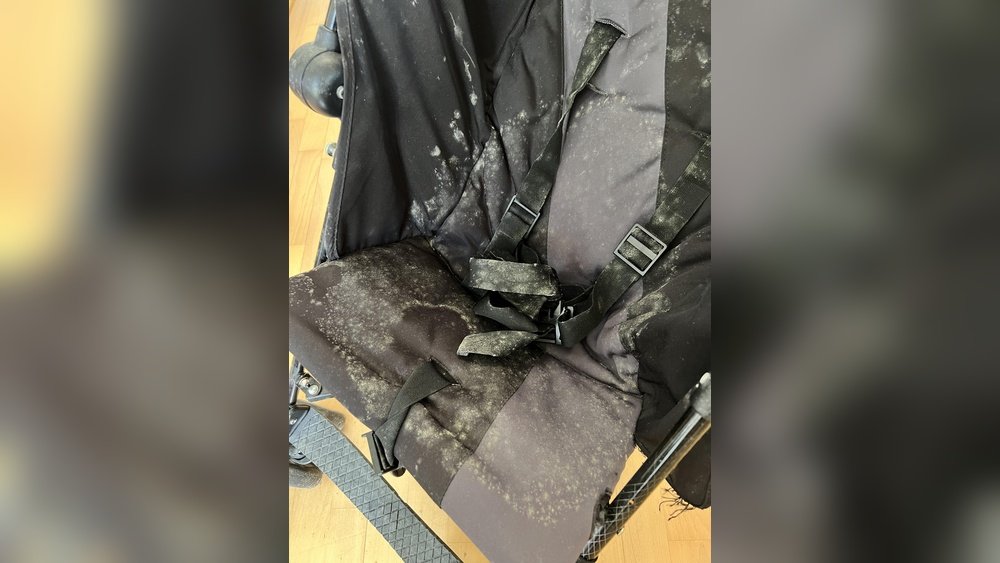
Mold on your stroller can be more than just an eyesore—it can affect your child’s health and safety. If you’ve noticed those stubborn black or green spots creeping onto your stroller, you’re not alone.
But don’t worry, you don’t have to toss it out or spend a fortune on a new one. Cleaning mold off a stroller is easier than you think, and with the right steps, you can make it look fresh and safe again.
Keep reading to discover simple, effective methods that will help you protect your little one and keep your stroller mold-free.
Credit: www.reddit.com
Identify Mold Areas
Check all parts of the stroller carefully for mold, especially in corners and fabric folds. Mold often hides where moisture stays longest. Look under cushions, straps, and wheels for dark or fuzzy spots.
Check Fabric And Padding
Mold often hides on fabric parts of the stroller. Look closely at the seat, canopy, and straps. Mold spots appear as black, green, or white patches. Feel for dampness or a musty smell. These signs show mold growth under or on top of the fabric.
Inspect Frame And Joints
The stroller’s metal or plastic frame can also develop mold. Check corners, joints, and crevices carefully. Moisture tends to collect in these areas. Mold may look like small spots or fuzzy growth. Wipe with a cloth to see if the mold smears or stays.
Look Under Wheels And Storage Baskets
Wheels and storage baskets often stay damp after use. Mold can grow on plastic or fabric parts here. Remove any debris and examine all surfaces. Mold can hide in hard-to-see places under the stroller. Don’t forget to check inside storage compartments too.
Gather Cleaning Supplies
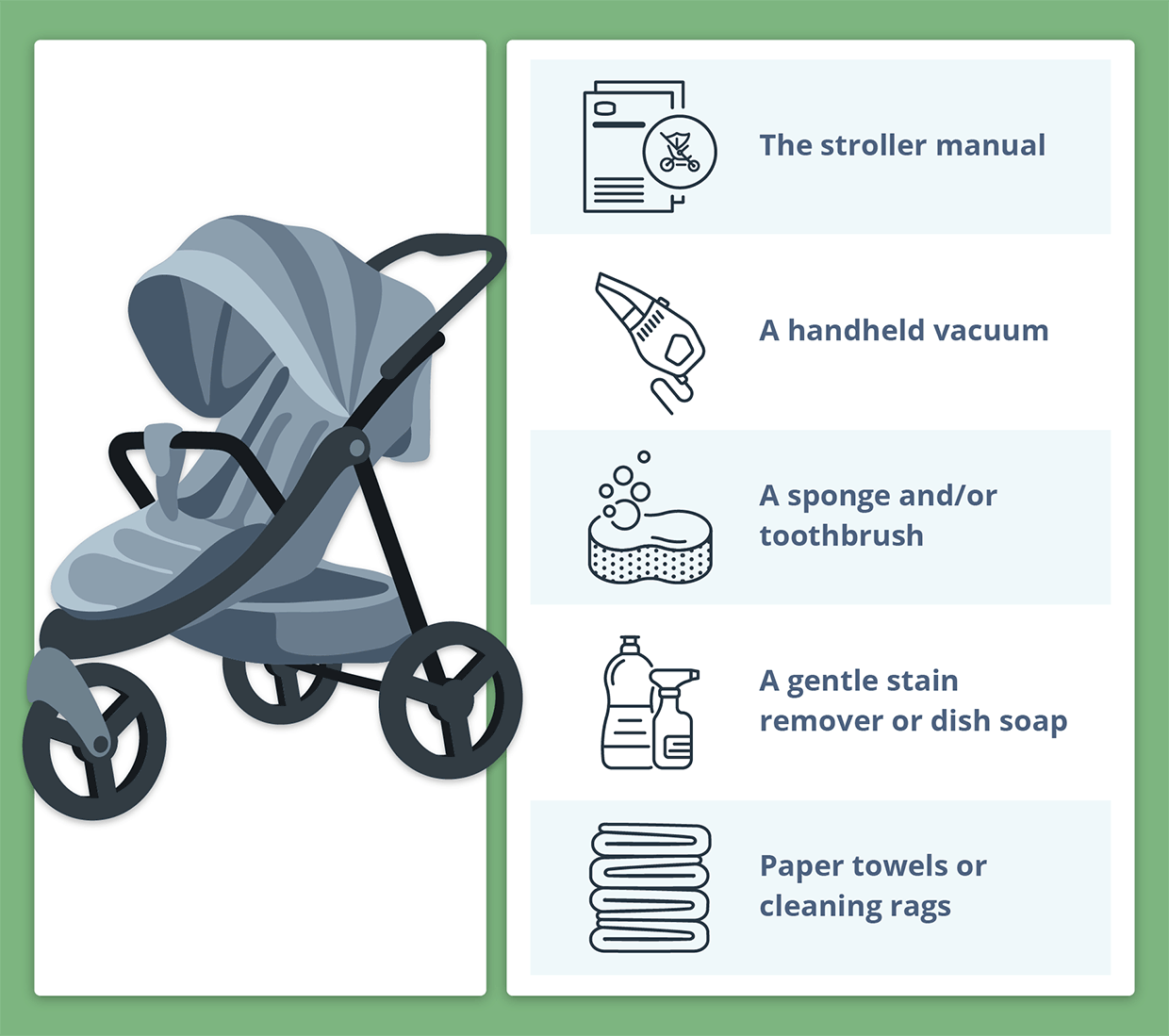
Gathering the right cleaning supplies makes mold removal easier and safer. Prepare everything before starting to avoid interruptions. This step helps clean the stroller thoroughly and protects your baby’s health.
Protective Gloves And Mask
Wear gloves to keep mold spores off your skin. A mask stops you from breathing in harmful spores. These items protect your health during cleaning.
Soft Brush Or Sponge
Choose a soft brush or sponge to scrub mold gently. Avoid hard brushes that can damage the stroller’s fabric. A soft tool cleans well without causing harm.
Mild Detergent Or Soap
Use mild detergent or soap for cleaning mold stains. Harsh chemicals can ruin the stroller’s material. Mild cleaners remove mold without damage.
White Vinegar Or Baking Soda
White vinegar and baking soda help kill mold naturally. They are safe and eco-friendly options for cleaning. Use them to remove stubborn mold spots effectively.
Clean Water And Towels
Have clean water ready for rinsing the stroller. Use towels to dry the stroller completely after cleaning. Drying stops mold from coming back.
Prepare The Stroller
Preparing the stroller is the first step to clean mold safely and well. You need to get it ready for cleaning. This makes the process easier and more effective.
Start by moving the stroller to a well-ventilated area. Fresh air helps reduce mold spores in the air. It also keeps your home safe.
Remove All Fabrics And Accessories
Take off all fabrics, cushions, and accessories. Check pockets and hidden spots too. Mold can hide in small places. Washing these parts separately helps clean better.
Brush Off Loose Mold
Use a soft brush to remove loose mold from the stroller. Do this outdoors to avoid spreading spores inside. Brush gently to avoid damaging the stroller’s surface.
Vacuum The Stroller Frame
Vacuum the frame and wheels to remove dust and mold particles. Use a vacuum with a brush attachment. This step clears dirt before wet cleaning.
Check The Manufacturer’s Instructions
Read the stroller’s care label or manual. Some parts may need special cleaning methods. Following instructions keeps your stroller safe and in good shape.
Choose A Cleaning Solution
Choosing the right cleaning solution is key to removing mold from your stroller safely. The solution should kill mold but not harm the fabric or frame. Some prefer natural options that are gentle and eco-friendly. Others choose commercial cleaners for strong, fast mold removal. Understanding these choices helps you pick the best product for your stroller.
Natural Remedies
Natural remedies use simple ingredients like vinegar, baking soda, or lemon juice. Vinegar is acidic and kills many types of mold. Spray it on the moldy area and let it sit for an hour. Then scrub gently with a brush or cloth. Baking soda removes odors and cleans surfaces. Mix it with water to form a paste and apply on mold spots. Lemon juice works like vinegar but leaves a fresh scent. These remedies are safe for children and easy to find at home.
Commercial Cleaners
Commercial cleaners offer strong mold-fighting power. They often contain chemicals like bleach or hydrogen peroxide. These products kill mold quickly and prevent regrowth. Use a cleaner made for fabrics and plastics to protect your stroller. Follow the instructions carefully to avoid damage or irritation. Always test a small area first. Wear gloves and ensure good ventilation during cleaning. Commercial cleaners work well for tough mold problems or large areas.
Clean Moldy Surfaces
Cleaning mold off a stroller is important for your child’s health. Mold can grow on many parts of the stroller. You must clean all moldy surfaces to stop it from spreading. Use safe methods to protect your baby and stroller. Focus on both fabric and hard parts of the stroller for a deep clean.
Fabric Parts
Remove any removable fabric pieces first. Brush off loose mold outside to avoid spores inside the house. Mix mild detergent with warm water. Use a soft brush or cloth to scrub fabric gently. Avoid soaking the fabric too much. Rinse with clean water and let it dry in the sun. Sunlight helps kill mold spores naturally. For stubborn mold, add a small amount of white vinegar to the cleaning mix. Always test on a small area first to avoid damage.
Metal And Plastic Components
Wipe metal and plastic parts with a cloth dipped in warm soapy water. Use an old toothbrush to reach small crevices. For metal, dry thoroughly to prevent rust. Spray a solution of equal parts water and white vinegar on affected areas. Let it sit for 10 minutes, then wipe clean. Avoid harsh chemicals that can damage the stroller’s finish. Regularly check these parts to keep mold from returning.
Credit: www.chiccousa.com
Rinse And Dry Thoroughly
Rinsing and drying your stroller after cleaning mold is very important. It removes leftover cleaning solution and stops mold from growing again. Proper drying keeps the stroller fresh and safe for your child.
Water can hide in small places. That’s why thorough rinsing is needed. It washes away all mold particles and cleaning agents. This step helps keep the stroller clean and healthy.
Drying stops moisture that mold needs to grow. Using the right drying method keeps the stroller dry fast. This reduces the chance of new mold spots forming.
Rinse With Clean Water
Use a hose or bucket of clean water. Rinse all parts of the stroller carefully. Make sure no soap or mold remains on the fabric or frame. Rinsing well prevents skin irritation for your child.
Shake Off Excess Water
After rinsing, shake the stroller gently. This removes drops hiding in corners and folds. Less water means faster drying and less mold risk. Check wheels, fabric, and joints for trapped water.
Air Dry In Sunlight
Place the stroller outside in direct sunlight. Sunlight helps kill mold spores and dries the stroller quickly. Keep the stroller open to let air flow inside. Avoid damp or shaded areas for drying.
Use A Towel For Quick Drying
Use a clean, dry towel on fabric and frame parts. Pat gently to absorb moisture. This helps speed up drying before sun exposure. Toweling also removes water from hard-to-reach spots.
Check For Moisture Before Storage
Before storing, touch the stroller to check dryness. Look inside folds and seams for dampness. Storing wet strollers causes mold to return fast. Only store when fully dry to keep it mold-free.
Prevent Future Mold Growth
Stopping mold from growing again on your stroller saves time and keeps your child safe. Mold grows in damp, dark places. Removing moisture and keeping the stroller clean helps prevent mold.
Proper Storage Tips
Store the stroller in a dry place. Avoid basements or areas with high humidity. Use a cover to protect it from dust and dirt. Make sure the stroller is completely dry before storing it. Open the stroller slightly to let air flow inside. This stops mold spores from settling.
Regular Maintenance
Clean the stroller often, even if it looks clean. Wipe down fabric and frame with a mild soap solution. Dry the stroller parts well after cleaning. Check for wet spots or spills and dry them quickly. Regular checks help catch mold early. This keeps the stroller fresh and safe for your child.

Credit: www.youtube.com
Frequently Asked Questions
How Do I Remove Mold From A Stroller Fabric?
Use a mixture of water and white vinegar to scrub mold off stroller fabric. Let it sit for 10 minutes, then rinse and air dry.
Can Mold Damage My Stroller’s Frame?
Yes, mold can corrode metal and weaken plastic parts. Clean mold promptly to avoid permanent damage.
Is It Safe To Use Bleach On Stroller Mold?
Bleach can damage fabric and plastic. Use mild detergent or vinegar instead to safely remove mold without harm.
How Often Should I Clean My Stroller To Prevent Mold?
Clean your stroller every 1-2 weeks if exposed to moisture. Regular cleaning prevents mold growth and keeps it safe.
Conclusion
Cleaning mold off a stroller keeps it safe and fresh. Act quickly to stop mold from growing more. Use gentle cleaners and soft brushes to protect fabric. Let the stroller dry completely before using it again. Regular checks help catch mold early and avoid damage.
A clean stroller means a healthier ride for your child. Simple steps make a big difference in stroller care. Keep your stroller mold-free for peace of mind.
Sophia Linda, a proud mother of three and founder of BestBabyCart, combines real parenting experience with expert knowledge of baby products. She understands the joys and challenges of raising little ones and is dedicated to guiding parents with trusted tips, honest reviews, and practical advice to make every stage of parenthood easier and more joyful.