
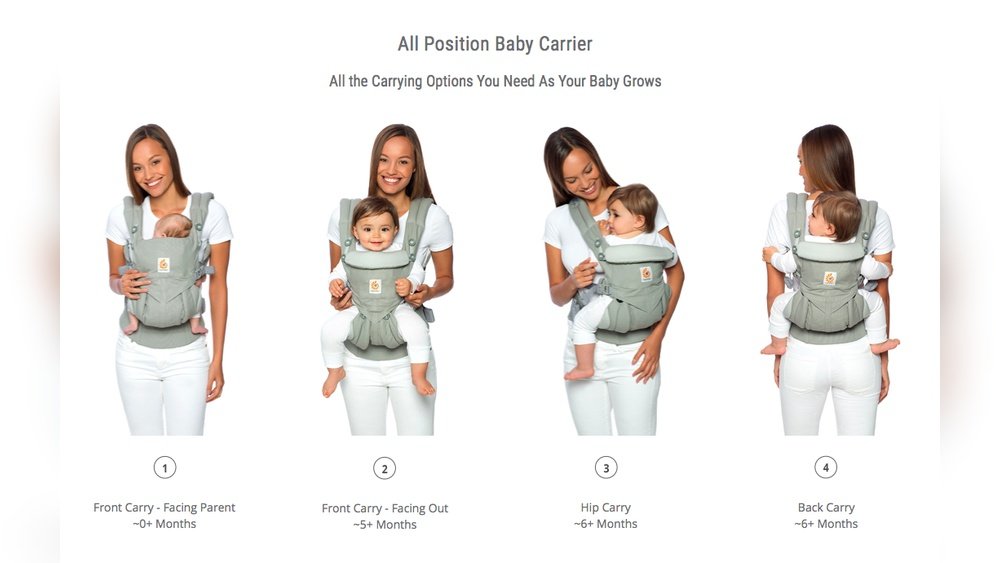
You want to keep your baby close, hands-free, and comfortable—but using a baby carrier can feel tricky at first. Imagine having the freedom to move around easily while your little one feels safe and snug against you.
Sounds great, right? In this guide, you’ll discover simple, step-by-step tips to use a baby carrier with confidence. Whether you’re a new parent or just looking for better ways to carry your child, this article will help you unlock the full benefits of babywearing.
Keep reading to learn how to make every moment with your baby easier and more enjoyable.
Choosing The Right Baby Carrier
Choosing the right baby carrier is important for your comfort and your baby’s safety. A good carrier makes carrying easier and keeps your baby close. Many types of carriers fit different needs and ages. Picking the right one helps you enjoy every moment with your baby.
Types Of Baby Carriers
There are several types of baby carriers. Wraps are long pieces of fabric that tie around you and your baby. Slings go over one shoulder and support the baby on your hip. Soft-structured carriers have padded straps and buckles for easy use. Each type offers different support and convenience.
Selecting Based On Age And Weight
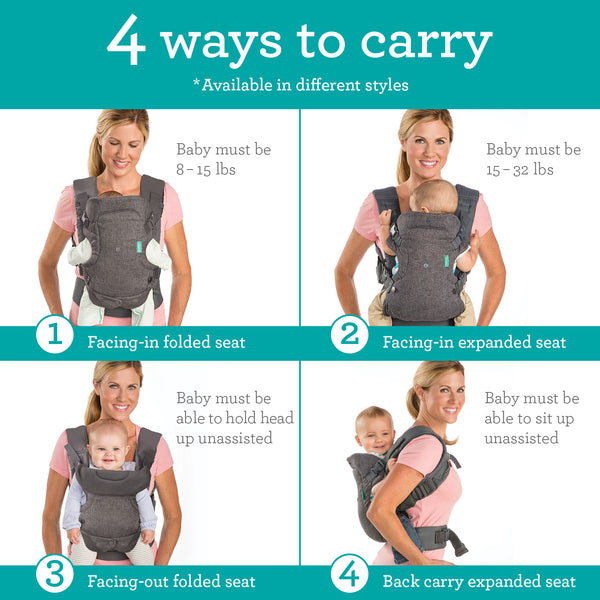
Choose a carrier that fits your baby’s age and weight. Newborns need extra head and neck support. Some carriers have inserts for small babies. Older babies need more space and stronger support. Always check the weight limit before buying.
Material And Comfort Features
Look for soft, breathable materials. Cotton and linen are good choices. Avoid stiff or rough fabrics that can irritate skin. Padded straps and waistbands help distribute weight evenly. Adjustable features make the carrier fit better and feel more comfortable.

Credit: www.youtube.com
Preparing For Babywearing
Preparing for babywearing helps make the experience safe and comfortable. Taking small steps before you start can protect your baby and give you confidence. This section covers simple ways to get ready for using a baby carrier.
Dressing Your Baby Appropriately
Dress your baby in clothes that match the weather. Use layers for easy adjustment. Avoid bulky outfits that can make the carrier tight. Choose soft fabrics to keep your baby cozy. Make sure the baby’s neck and head are supported well.
Checking Carrier Safety Standards
Use carriers that meet safety rules. Look for labels showing they pass tests. Read instructions to understand weight limits. Use carriers made from strong materials. Proper safety standards help prevent accidents.
Inspecting For Wear And Tear
Check your carrier before each use. Look for loose seams or torn fabric. Make sure buckles and straps work well. Replace the carrier if it shows damage. Regular checks keep your baby secure and safe.
Proper Positioning Techniques
Proper positioning is key to using a baby carrier safely and comfortably. It keeps your baby secure and supports their body well. Correct positioning also helps prevent discomfort for both you and your baby. Follow these simple steps to ensure your little one stays safe and happy in the carrier.
Correct Baby Placement
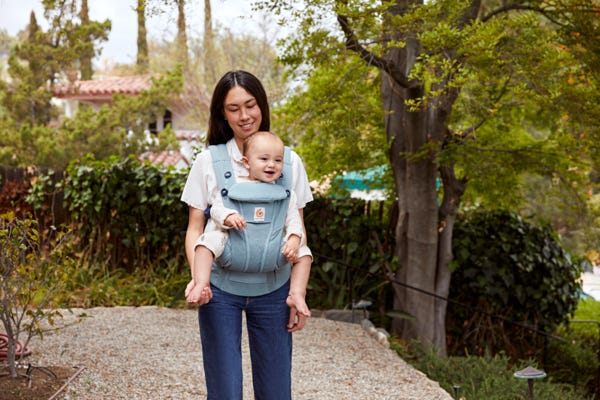
Place your baby high enough on your chest so you can easily kiss their head. Keep their face visible and close to your body. The baby’s chin should never press against their chest. This allows clear breathing and comfort. Adjust the carrier straps to hold your baby snugly but not tightly.
Supporting Head And Neck
Newborns and young babies need extra head and neck support. Use the carrier’s built-in support or add a small rolled cloth. Make sure the baby’s head does not flop backward or sideways. Support should keep the head aligned with the body. This prevents strain and keeps your baby safe during movement.
Maintaining Hip Health
Keep your baby’s hips in a natural, spread position. Their knees should be higher than their bottom, forming an “M” shape. Avoid letting their legs dangle straight down. This position supports healthy hip development. Choose carriers designed to maintain this posture for long-term comfort and safety.
Adjusting For Comfort And Security
Adjusting your baby carrier for comfort and security is key to enjoying every moment with your little one. Proper adjustments protect your baby and keep you comfortable for longer periods. This section covers simple steps to make your baby carrier fit just right.
Tightening Straps Safely
Start by loosening all straps before placing your baby in the carrier. Pull the shoulder straps gently to tighten, but avoid making them too tight. Tight straps can hurt your shoulders and back. Make sure the straps hold your baby close without squeezing. Check if your baby feels secure and snug inside.
Ensuring Even Weight Distribution
Spread the weight evenly across your shoulders and hips. Adjust the waist belt to sit low and tight around your hips. This helps take pressure off your shoulders. Use both shoulder straps to balance the load. Uneven weight can cause pain and make carrying hard.
Avoiding Common Discomforts
Watch for pinching or pressure points on your body. Move straps slightly if you feel any discomfort. Check your baby’s legs and back for good support. Make sure your baby’s chin is not pressed against their chest. Take breaks to stretch and adjust as needed.
Safety Tips While Carrying
Using a baby carrier helps keep your baby close and your hands free. Safety matters most while carrying your little one. Follow key safety tips to protect your baby and enjoy the experience.
Monitoring Baby’s Breathing
Always check your baby’s face and chest. Make sure their nose and mouth are clear. Keep their chin off their chest. This helps them breathe easily. Adjust the carrier if you see any trouble.
Avoiding Hazardous Activities
Do not run, jump, or do fast movements. Avoid cooking or carrying hot drinks near your baby. Stay away from sharp objects or rough surfaces. These actions could hurt your baby or cause falls.
Recognizing Signs Of Discomfort
Watch your baby’s body and face closely. Look for fussiness, crying, or restlessness. Check if their skin is red or sweaty. Adjust the carrier or take breaks if needed. Comfort keeps your baby calm and happy.
Credit: ergobaby.com
Cleaning And Maintenance
Keeping your baby carrier clean and well-maintained is very important. It helps the carrier last longer and stay safe for your baby. Dirt and sweat can build up quickly. Regular care keeps the fabric fresh and the straps strong.
Washing Instructions
Check the label on your carrier before washing. Most carriers need gentle washing. Use mild detergent and cold water. Avoid bleach or harsh chemicals. Hand washing is often best. If machine washing, use a delicate cycle. Always air dry to keep the fabric strong. Never use a dryer as heat can damage the material.
Storing Your Carrier Properly
Store your carrier in a cool, dry place. Avoid damp areas to prevent mold and mildew. Fold it neatly to keep its shape. Keep it away from direct sunlight. Sunlight can fade colors and weaken fabric. Use a storage bag or box to protect it from dust.
Regular Safety Checks
Look over your carrier before each use. Check all straps and buckles for damage. Make sure stitching is tight and not frayed. Test buckles to ensure they click securely. Replace or repair parts if they show wear. Safety is key to carrying your baby comfortably.
Credit: infantino.com
Frequently Asked Questions
What Are The Benefits Of Using A Baby Carrier?
Using a baby carrier keeps your hands free and strengthens bonding. It helps soothe your baby and supports their development. Carriers also promote better posture for parents and ease mobility during daily tasks or travel.
How Do I Choose The Right Baby Carrier?
Consider your baby’s age, weight, and comfort when choosing a carrier. Look for adjustable straps and ergonomic designs. Materials should be breathable and easy to clean. Always check safety certifications and read user reviews before buying.
When Is It Safe To Start Using A Baby Carrier?
You can start using a baby carrier from birth if it supports newborn posture. Choose carriers designed for infants with proper head and neck support. Always follow manufacturer guidelines and consult your pediatrician for personalized advice.
How Do I Properly Position My Baby In The Carrier?
Ensure your baby’s hips are spread in an “M” shape, knees higher than their bottom. Keep their back supported and head close enough to kiss. Avoid covering their face and maintain clear airways for safety.
Conclusion
Using a baby carrier keeps your hands free and your baby close. It helps you move easily while caring for your child. Always check the carrier fits well and supports your baby safely. Practice putting it on before you go out.
Comfort matters for both you and your baby. Enjoy the special moments of bonding and closeness. A good baby carrier makes daily tasks simpler and more joyful. Keep your baby happy and secure wherever you go. Simple steps lead to great comfort and ease.

Emma Grace is a devoted mother and passionate content writer at BestBabyCart.com. With firsthand parenting experience and a love for research, she creates helpful guides and honest reviews to support parents in choosing the best for their babies. Her goal is to make parenthood easier, one article at a time.