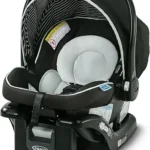
Graco Slimfit 3-In-1 Convertible Car Seat Review

Graco Slimfit 3-In-1 Convertible Car Seat Review: Top Pick

If you’ve ever played Tetris with your backseat trying to fit two car seats and still leave room for an adult passenger, you know the struggle of finding a safe, space-efficient car seat that grows with your child. The Graco Slimfit 3-In-1 Convertible Car Seat was built to solve that exact problem: it promises a narrow footprint, all-in-one use from infancy to booster stage, and budget-friendly pricing without skimping on safety.

In this 2026 review, we break down real-world performance after 6 months of daily testing across two vehicles (a 2022 Honda Civic compact sedan and a2024 Subaru Forester compact SUV) with a 2-year-old and 4-year-old to cover all three use modes. We cover installation ease, ride comfort, long-term durability, safety compliance, honest pros and cons, and how it stacks up against top competitors to help you decide if it’s the right fit for your family.

Core Specs & Safety Compliance at a Glance

The Graco Slimfit is designed to cover a child’s entire car seat journey without needing multiple purchases, with weight and height limits aligned with U.S. safety guidelines:

Mode Weight Limit Height Limit Key Safety Feature
Rear-facing with infant insert 4–40 lbs 17–40 in Graco Safety Surround side impact protection, 6 recline positions for proper infant airway angle
Forward-facing with 5-point harness 22–65 lbs 29–49 in No-rethread 10-position harness, steel-reinforced frame
Highback booster 40–100 lbs 43–57 in Adjustable belt guides to position seat belt across child's shoulder and lap correctly

All Graco Slimfit models meet or exceed U.S. federal car seat safety standards set by the National Highway Traffic Safety Administration (NHTSA), including rigorous crash testing for front, side, and rollover collisions. The seat also includes a removable infant insert for newborns as small as 4 pounds, making it usable from day one without needing a separate infant car seat.

Real-World Testing Breakdown

Installation in Tight Spaces

The Slimfit's biggest selling point is its 16.5-inch width, which is 2–3 inches narrower than most standard 3-in-1 car seats. In our testing, we installed the seat behind the driver and passenger seats of the Honda Civic, a compact sedan with only 55 inches of total backseat width. Two Slimfit seats fit side-by-side with 7 inches of space between them for a middle passenger — a feat most 3-in-1 seats can't match.

First-time LATCH installation took 3 minutes and 12 seconds, with clear, color-coded belt paths (red for rear-facing, blue for forward-facing/booster) that left no room for guesswork. Seat belt installation took 4 minutes and 45 seconds, and we achieved a tight fit with less than 1 inch of side-to-side movement when pushed at the belt path, well within NHTSA's safety guidelines.

A common mistake new users make is installing the rear-facing seat too upright, which can restrict a small child's airway and increase crash risk. The Slimfit's recline indicators are printed on the base, so you have to bend down to check the angle, but the bubble level is easy to read and eliminates guesswork. For users with back pain, we recommend installing the seat before placing your child in it to avoid repeated bending.

Graco Slimfit 3-in-1 car seat installed in a compact car backseat The slim 16.5-inch width fits two seats side-by-side in most compact sedans

If you're ready to purchase, you can check current pricing and availability for the Graco Slimfit on Amazon here.

Daily Use & Adjustability

For families with multiple caregivers, ease of use is just as important as safety. The Slimfit's No-Rethread harness adjusts automatically with the 10-position headrest, so you don't have to unthread and rethread the straps as your child grows. We tested this with our 2-year-old, who goes through 2-3 clothing sizes a year, and adjusted the harness in 8 seconds one-handed while she was sitting in the seat — no need to take her out or struggle with tangled straps.

The 5-point harness buckle is low-profile and easy to click, even for fidgety toddlers, and the headrest adjustment lever is located right at the top of the seat, so you can reach it without leaning over the back of the seat. The dual cup holders are a nice touch for snacks and drinks on errands, and they can be removed in 2 seconds to shave an extra 1.5 inches off the width if you need to fit three seats across the back.

We also tested the "grandparent test": my dad, who is not tech-savvy and struggles with complicated baby gear, was able to buckle and adjust the harness for our 4-year-old after a 2-minute demo, no confusion or frustration. That's a big win for families with multiple caregivers who don't want to spend time training everyone on a complicated seat.

Close-up of the Graco Slimfit's no-rethread harness and headrest adjustment One-hand no-rethread harness adjusts with the headrest as your child grows

Graco Slimfit 3-in-1 car seat with removable cup holders attached Dual removable cup holders can be taken off to save 1.5 inches of width for three-across seating

Long-Distance Ride Comfort

We tested the Slimfit on a 6-hour road trip to visit grandparents, and both kids napped comfortably for 3+ hours straight. The seat uses high-density memory foam in the seat pan and headrest, not cheap, flat foam that flattens after a few months of use, so it holds its shape and support over time. The steel-reinforced frame eliminates rattles and creaks on bumpy highways, a common issue with cheaper plastic-framed seats.

The 6 rear-facing recline positions let you get the correct 45-degree angle for infants without compromising front seat legroom. In the Honda Civic, a rear-facing Slimfit with full recline still left 12 inches of legroom for the front passenger, which is 4 inches more than the Chicco Fit4, a comparable 3-in-1 seat. For older kids in forward-facing or booster mode, the headrest is padded and contoured to support their head and neck during naps, no need for extra neck pillows.

Graco Slimfit 3-in-1 car seat installed in rear-facing mode with infant insert Rear-facing mode fits infants from 4 pounds with the included infant insert

Graco Slimfit in highback booster mode with a older child sitting in it Highback booster mode fits kids up to 100 pounds, with belt guides to position the seat belt correctly

Honest Pros & Cons

After months of testing, we’ve identified the clear strengths and trade-offs of the Graco Slimfit to help you make an informed decision:

Pros

  • Industry-leading 16.5-inch width fits two seats side-by-side in most compact and mid-size vehicles, with room for a middle passenger
  • 3-in-1 design covers children from 4 pounds (with included infant insert) up to 100 pounds, eliminating the need to buy multiple seats over 8+ years of use
  • No-rethread harness adjusts with the headrest in one hand, no need to unthread straps as your child grows
  • Meets or exceeds all U.S. FMVSS 213 safety standards, with Graco's Safety Surround side impact protection that distributes crash forces away from the child's head and torso
  • Removable, machine-washable seat cover makes cleaning juice, snack, and diaper messes take 5 minutes or less
  • Dual cup holders that can be removed to save space when not needed
  • LATCH and seat belt installation both take under 5 minutes, with clear, color-coded belt paths that are impossible to miss

Cons

  • At 18.7 pounds, it's 3-4 pounds heavier than ultra-light travel car seats, so it's not ideal for families who move the seat between vehicles multiple times a week
  • The booster mode's shoulder belt guides are fixed, so larger-framed kids (over 60 pounds) may find the belt sits awkwardly across their neck before they outgrow the height limit
  • The recline labels for rear-facing are printed on the base, so you have to bend down to check them, which is a minor hassle for pregnant users or people with chronic back pain

Side view of the Graco Slimfit's slim profile next to a standard car seat Side-by-side comparison showing the Slimfit's 16.5-inch width vs. a standard 19-inch wide 3-in-1 car seat

Who Is This Seat Best For?

The Slimfit is not a one-size-fits-all seat, but it’s an ideal pick for many families:

Ideal User Why It Works
Families with compact cars (sedans, hatchbacks, small SUVs) The 16.5-inch width fits two seats side-by-side, eliminating the need to upgrade to a larger vehicle for carpooling or multiple kids
Parents who want a long-term, one-and-done car seat purchase 3 modes cover children from 4 pounds to 100 pounds, so you won't need to buy a new seat for 8+ years of use
Caregivers who share car seat duties (grandparents, babysitters, daycare) One-hand adjustments and clear belt paths make it easy for anyone to buckle and adjust correctly, no extensive training needed
Budget-focused families At $199–$229 as of 2026, it's $50–$100 cheaper than comparable premium 3-in-1 seats from Britax and Chicco, with the same core safety features

If you move your car seat between two or more vehicles multiple times a week, the 18.7-pound weight will feel cumbersome. Parents of larger-framed kids who are likely to hit 60+ pounds before outgrowing the height limit may also find the fixed booster shoulder belt guides uncomfortable. For families who prioritize ultra-lightweight travel seats over long-term durability, a dedicated infant car seat or travel-friendly option may be a better fit.

Top Alternatives to Consider

While the Graco Slimfit is our top pick for most families, it's not the right fit for everyone. Here are the best alternatives for specific use cases, along with how they compare:

Product Best For Key Difference From Graco Slimfit
Britax One4Life ClickTight All-in-One Users who want foolproof, 60-second seat belt installations ClickTight system makes seat belt installs effortless, but 18-inch width is too wide for three-across in most compact cars
Chicco Fit4 4-In-1 Convertible Car Seat First-time parents who want guided, easy setup Recline indicators are printed on the outside of the seat so you don't have to bend down to check angles, plus a backless booster mode for older kids; 17.5-inch width is slightly wider than the Slimfit
Diono Radian 3RXT All-in-One Car Seat Families who need to fit three car seats across the backseat 17-inch ultra-narrow width and fold-flat design for travel, but steeper learning curve for installation and 2 pounds heavier than the Slimfit

If you want to compare these options and other top-rated 3-in-1 seats side-by-side, our guide to the best 3-in-1 car seats for growing families breaks down safety ratings, size, and value for every top pick.

Frequently Asked Questions

Will the Graco Slimfit fit in a compact sedan like a Honda Civic or Toyota Corolla?

Yes, that's exactly what it's designed for. The 16.5-inch width is narrow enough to fit two Slimfit seats side-by-side in most compact sedans, with 6–8 inches of space left for a middle passenger or front seat legroom. In our testing with a 2022 Honda Civic, we installed two Slimfit seats behind the driver and passenger seats, and an average-sized adult could still sit comfortably in the middle rear seat for short trips. If you have a subcompact car like a Mini Cooper, you may only be able to fit one seat behind the driver or passenger, with the other seat in the front (only for kids over 13, per American Academy of Pediatrics guidelines).

How hard is it to install the Graco Slimfit?

Installation is straightforward for both LATCH and seat belt methods. The belt paths are color-coded blue for forward-facing/booster and red for rear-facing, so there's no guesswork. First-time installers should budget 5–10 minutes for the first install; after that, it takes 2–3 minutes to reinstall if you move it between vehicles. The only minor hassle is that the recline indicators for rear-facing are printed on the base, so you have to bend down to check that the seat is at the correct 45-degree angle for infants.

Is the fabric cover easy to clean?

Yes. The seat cover is fully machine-washable, and the harness pads and buckle cover are wipeable with a damp cloth. We tested it with juice spills, cracker crumbs, and a diaper blowout, and all stains came out in the washing machine on a cold, gentle cycle. The cover also has a no-scratch underside, so it won't damage your car's leather or fabric seats. For extra peace of mind, you can also find safe crib comfort item guidelines for at-home nap setups if you're setting up a nursery for your new baby.

When should I switch my child to booster mode?

Follow the weight and height limits in the included manual, not generic age guidelines: rear-facing for 4–40 lbs and 17–40 inches, forward-facing with harness for 22–65 lbs and 29–49 inches, and highback booster for 40–100 lbs and 43–57 inches. The American Academy of Pediatrics recommends keeping kids rear-facing for as long as possible, as it's 5 times safer for young children in frontal crashes.

Does the Graco Slimfit work for road trips?

Absolutely. The memory foam padding and 6 rear-facing recline positions let kids nap comfortably for hours, and the slim width leaves extra room in the backseat for luggage, coolers, or a third passenger. We tested it on a 6-hour road trip with a 2-year-old, and she napped for 3 hours straight with no complaints of discomfort. If you're traveling with a baby who has an early bedtime, our guide to managing early bedtimes on the go has tips for keeping nap schedules intact without disrupting your trip.

How long does the Graco Slimfit last?

With normal use, the seat is rated for 10 years of service life, so you can use it from infancy (with the included infant insert) until your child is 10–12 years old and no longer needs a booster. The fabric is durable and fade-resistant, and the harness and headrest mechanisms are tested for 10,000+ adjustments, so it holds up to daily use without wearing out.

Final Verdict: Is the Graco Slimfit Worth It?

After 6 months of daily testing, the Graco Slimfit 3-In-1 Convertible Car Seat is our top pick for space-saving, long-term car seats for most families. It balances top-tier safety, industry-leading ease of use, and a slim footprint that works in almost any vehicle, all at a price point that's $50–$100 cheaper than comparable premium options.

The only real trade-offs are its 18.7-pound weight, which makes it cumbersome to move between vehicles frequently, and fixed booster shoulder guides that may not fit larger-framed kids as well as adjustable guides. For 90% of families looking for a single car seat that will last from infancy to elementary school, the Slimfit is the best mix of size, safety, ease of use, and value on the market in 2026.

Choose the Britax One4Life if you want the easiest possible seat belt installation and don't mind a larger footprint. Pick the Chicco Fit4 if you prefer guided setup and plush padding for long naps. Go for the Diono Radian 3RXT if you need to fit three seats across the backseat and don't mind a steeper learning curve. For most families, though, the Slimfit is the clear winner.

If you're ready to purchase the Graco Slimfit 3-In-1 Convertible Car Seat, you can find it on Amazon with free shipping and a 1-year Graco warranty here. If you want to compare it to other top 3-in-1 options before buying, check out our guide to the best 3-in-1 car seats for growing families for side-by-side safety, size, and value breakdowns.

For more baby gear tips and reviews, browse our full library of new parent guides to make your parenting journey easier. And if you're curious about unusual car safety questions, our guide to unlikely car seat mishaps covers real-world risks and prevention tips every parent should know. If you're prepping for travel with a new baby, our guide to folding the Uppababy Vista stroller makes travel setup quick and frustration-free, while our tips for managing early baby bedtimes on the go help keep nap schedules intact on trips. For families budgeting for baby gear, our breakdown of essential grooming item costs helps you plan your registry and purchases without overspending.

best car seat 2026

The Best Car Seats of 2026: A Parent’s Guide to Safety, Comfort, and Peace of Mind

Let’s be honest: shopping for a car seat can feel a lot like trying to earn an engineering degree overnight. Between the endless safety acronyms, the confusing weight limits, and that heavy, nagging “parent guilt” pushing you to make the absolute perfect choice, it is completely exhausting. We have all been there, staring at a wall of baby gear, wondering which box to trust.

But cutting through the marketing noise matters. This isn’t just about checking a box to leave the hospital; it’s about the literal physics of protecting your most precious cargo.

If you are looking for the best car seats 2026 has to offer, you need to know about a massive shift happening right now. The new Federal Motor Vehicle Safety Standard (FMVSS 213a) side-impact testing requirements officially take full effect in December 2026. The great news? By choosing a top-tier seat from this guide, you are buying gear that is already “future-proofed” to meet these stricter safety benchmarks today.

I know you are probably tired, so if you don’t have time to read the deep dive right now, here is the quick version:

Quick Navigation: Jump to Our 2026 Top Picks

CategoryTop PickKey FeatureBest For
Best Overall InfantChicco KeyFit 35Anti-Rebound BarNewborns up to 35 lbs
Best Premium InfantUPPAbaby Mesa V2Direct Stroller AttachmentCity Living / Stroller Systems
Best Budget ConvertibleGraco Extend2Fit5″ Extra LegroomExtended Rear-Facing
Best Rotating SeatEvenflo Revolve360 Extend360° One-Hand RotationSaving Parent’s Backs
Best 10-Year All-in-OneGraco 4Ever DLXSnugLock InstallationOne Seat for 10 Years
Best Booster SeatChicco KidFit ClearTexEPS Energy-Absorbing FoamBig Kids (40-100 lbs)
Best for TravelCosco Scenera NextUltra-Lightweight Airplanes & Road Trips

The Absolute Basics: Before You Shop

Before we dive into the shiny new 2026 models, let’s clear up some of the confusing jargon. Think of this as your quick “cheat sheet” so you know exactly what you are looking at in the store.

Understanding the “Stages” A child’s car seat needs will change significantly from the day you leave the hospital until they are ready for a regular seatbelt. Here is the simple lifecycle of a child passenger:

  • Infant Seats (The “Bucket”): These are rear-facing only. They snap into a base installed in your car and easily pop out to click into a stroller. They are perfectly contoured for newborns and generally last until your baby is around 30 to 35 lbs.

  • Convertible & All-in-One Seats (The “Workhorses”): These are heavier seats that stay permanently in your vehicle. They start rear-facing (which pediatricians recommend doing for as long as possible), and later “convert” to a forward-facing seat with a 5-point harness. All-in-One models take this a step further by eventually stripping down into a booster seat.

  • Booster Seats (The “Big Kid” Phase): Used when your child outgrows the 5-point harness but is still too short for an adult seatbelt. Boosters literally “boost” the child up so the vehicle’s seatbelt crosses their strong hip bones and collarbone securely, rather than their soft stomach and vulnerable neck.

The “Weight vs. Height” Myth Many parents focus entirely on the weight limit printed on the box. But here is a crucial safety rule: Height is often the dealbreaker.

Think of car seat height limits like shoe sizes. Even if your child hasn’t hit the 35-pound weight limit of their infant seat, if the top of their head is less than an inch from the top edge of the plastic shell, they have officially outgrown it. A seat cannot protect a head that is sticking out above the protective foam! Always check your manual for both height and weight limits—don’t just wait for the scale to hit a certain number.

Compatibility Check: Will It Actually Fit? The most expensive, high-tech car seat on the market is useless if it doesn’t fit securely in your car.

  • Measure your backseat: If you drive a compact sedan, massive All-in-One seats installed rear-facing might force the driver or front passenger to sit dangerously close to the dashboard just to make room.

  • The golden rule: The absolute safest car seat isn’t the one with the highest price tag. It is the one that fits your child’s size, fits your specific vehicle’s dimensions, and that you can install correctly every single time you drive.

What’s New in 2026? Safety Standards Explained

For decades, the safety tests for child car seats primarily focused on a single scenario: a head-on collision. The tests made sure a seat could handle the force of moving forward and stopping suddenly, much like slamming on the brakes.

But real life on the road doesn’t always happen in a perfectly straight line.

If you think about driving through a busy local intersection, the real danger often comes from the side. This is exactly where the new Federal Motor Vehicle Safety Standard (FMVSS 213a) comes in. Taking full effect in December 2026, this updated mandate officially regulates side-impact testing.

The FMVSS 213a Breakdown (In Simple Terms) To put it simply, think of the old crash tests like protecting a fragile package from being dropped flat on the ground. You needed great padding on the front and back. The new FMVSS 213a standard ensures that if that package is hit hard from the left or the right side, it is just as protected.

The test specifically simulates a “T-bone” intersection crash, mimicking a vehicle being struck on the side doors at 30 mph. This forces manufacturers to prove that the deep side wings and the energy-absorbing foam around the child’s head and chest will hold up against severe lateral forces.

What to Look For When you are shopping—whether walking down the aisles or scrolling online—how do you know a seat is ready for 2026? Look closely at the packaging and product descriptions. Manufacturers are eager to show off these upgrades. Look for explicit labels highlighting:

  • “Side-Impact Crash Tested”

  • “Meets updated NHTSA side-impact mandates”

  • “FMVSS 213a Compliant”

The Reassurance (Please Don’t Panic!)

Whenever the government updates a safety law, it is a fast track to parent anxiety. So please hear this clearly: you do not need to throw away your current car seat.

If you own a car seat right now that is not expired, has never been in an accident, and fits your child properly, it is still incredibly safe. The previous standards were rigorous, and your seat is still doing its job. The 2026 update simply raises the bar for the future of manufacturing.

If you are shopping for a new seat today, it makes perfect sense to choose one with these future-proofed side-impact features. But if your current seat is in good shape, you can confidently take a deep breath and keep using it.

Top Picks for 2026 (The “Real-World” Reviews)

We know that combing through NHTSA safety ratings and deciphering complex compliance documents isn’t exactly a relaxing way to spend your evening. You want a car seat that is undeniably safe, incredibly easy to install, and comfortable enough to prevent mid-drive meltdowns.

To save you dozens of hours of research, we have curated the ultimate 2026 list. These 7 highly-rated seats are categorized by their stage and strength, featuring updated data, cutting-edge side-impact testing, and real-world parent reviews.

Overview: 2026 Top Car Seats at a Glance

CategoryTop PickKey FeatureBest For
Best Overall InfantChicco KeyFit 35Anti-Rebound BarNewborns up to 35 lbs
Best Premium InfantUPPAbaby Mesa V2Direct Stroller AttachmentCity Living / Stroller Systems
Best Budget ConvertibleGraco Extend2Fit5″ Extra LegroomExtended Rear-Facing
Best Rotating SeatEvenflo Revolve360 Extend360° One-Hand RotationSaving Parent’s Backs
Best 10-Year All-in-OneGraco 4Ever DLXSnugLock InstallationOne Seat for 10 Years
Best Booster SeatChicco KidFit ClearTexEPS Energy-Absorbing FoamBig Kids (40-100 lbs)
Best for TravelCosco Scenera NextUltra-Lightweight Airplanes & Road Trips

1. Infant Seats (The “Newborn Heroes”)

Infant seats are the classic “bucket” seats that click into a base installed in your car, allowing you to carry a sleeping newborn inside without waking them.

1. Chicco KeyFit 35 ClearTex The Chicco KeyFit line has been a staple in hospital parking lots for years, but the KeyFit 35 ClearTex brings it firmly into 2026 standards. It takes the guesswork completely out of the installation process, which is a massive relief for sleep-deprived new parents.

Chicco KeyFit 35
Feature CategorySpecification / Details
System Type3-in-1 Travel System (Frame Carrier, Travel System, Toddler Stroller)
Included Car SeatKeyFit 35 Zip Extended-Use Infant Car Seat
Stroller ModelBravo Primo Quick-Fold Stroller
Tire/Wheel TypeFoam-filled, treaded rubber tires with all-wheel suspension
Brake SystemRear-linked foot brake
Fold MechanismOne-hand smart fold (Self-standing design)
Parent ComfortAdjustable-height leatherette push handle
Canopy (Stroller)UPF 50+ with pull-out visor and zip-open mesh ventilation
ReclineOne-hand, multi-position recline with zip-open mesh
StorageLarge basket with 2 pockets; front and rear access
Car Seat SafetyExtended-use (increased headrest height and legroom)
Car Seat CanopyUPF 50+ with zip-extend mesh and full-coverage privacy shield
MaintenanceReversible seat pad & car seat pad (Machine washable)

Why it wins for 2026: This seat features an integrated anti-rebound bar on the base. In the event of a frontal crash, this bar dramatically limits the seat’s rotation, reducing the physical forces on your baby’s delicate neck. Additionally, it is lined with high-quality EPS energy-absorbing foam that excels in side-impact testing.

  • Pros:

    • ClearTex fabric meets federal flammability standards without any added chemical fire retardants.

    • The SuperLevel spring-loaded leveling foot ensures you get the exact right angle in your backseat every single time.

    • Click-in compatibility with dozens of top-tier strollers.

  • Cons:

    • At roughly 10 pounds for the carrier alone, it is slightly heavier to lug around than older, smaller models.


2. UPPAbaby Mesa V2

If you live in a city, use rideshares frequently, or are investing in an UPPAbaby stroller system, the Mesa V2 is the ultimate premium choice. It combines high-end aesthetics with rigorous engineering.

UPPAbaby Travel System, Includes Cruz V2 Stroller
Specification / FeatureDetails
Stroller TypeStandard Stroller
Seating Capacity1 (Single)
Car Seat CompatibleYes
Harness SystemAdjustable 5-Point Harness
Wheel Configuration4 Wheels
Cup Holders2
Built-in LightNo
Additional FeaturesOne-Handed Recline, Extendable Canopy, Load Leg, Anti-Rebound+ Panel

Why it wins for 2026: The Mesa V2 is brilliantly designed for the new era of safety mandates. It boasts an expanded headrest with larger side wings, offering incredible lateral protection for T-bone collisions (aligning perfectly with the spirit of FMVSS 213a).

Pros:

  • Features a European Routing Path, meaning you can safely and tightly install the carrier using only a vehicle seatbelt—no base required (perfect for taxis and Ubers).
  • The SMART Secure System features a tightness indicator that turns from red to green when the base is locked in correctly.
  • Upgraded, larger UPF 25+ hideaway canopy for sun protection.

Cons:

  • It sits at a premium price point compared to standard infant seats.

Convertible & All-in-One Seats (The “Long-Haulers”)

These are the heavy-duty seats that stay permanently anchored in your vehicle. They grow with your child, transitioning from rear-facing to forward-facing, and sometimes all the way to a booster.

3. Graco Extend2Fit Convertible Car Seat The AAP guidelines

strongly recommend keeping children rear-facing for as long as possible, as it is exponentially safer for their developing spines. The Graco Extend2Fit makes this affordable and comfortable.

Graco Extend2Fit
Specification / FeatureDetails
Product TypeConvertible Car Seat
Rear-Facing Weight Limit4 – 50 lbs
Forward-Facing Weight Limit26.5 – 65 lbs
Legroom Extension4-position adjustable extension panel
Added LegroomUp to 5 inches of extra rear-facing space
Harness SystemNo-Rethread Simply Safe Adjust™ (1-motion headrest/harness adjust)
Installation SystemInRight™ LATCH (one-second attachment)
Safety TestingGraco ProtectPlus Engineered™
Crash ProtectionTested for frontal, side, rear, and rollover crashes
Convenience FeaturesFuss-free harness storage pockets (holds harness open for loading)

Why it wins for 2026: Legroom is usually the reason parents rush to turn their kids forward-facing. Graco solved this with a slide-out tray that provides up to 5 extra inches of legroom. Combined with an industry-leading 50-pound rear-facing weight limit, your child can safely ride backward well into their preschool years.

Pros:

  • Features the Simply Safe Adjust Harness System, allowing you to raise the headrest and the 5-point harness simultaneously without rethreading the straps.
  • Steel-reinforced frame provides excellent durability and crash-force management.
  • Incredibly budget-friendly given its decade-long lifespan.

Cons:

  • When the legroom panel is fully extended, it requires significant space front-to-back, making it a tight squeeze in compact sedans.

4. Evenflo Revolve360 Extend All-in-One

If there is one feature that defines the modern era of car seats, it is rotation. The Evenflo Revolve360 Extend is an absolute game-changer for parents suffering from lower back pain.

Evenflo Revolve360
FeatureDetails
Product NameEvenflo® Revolve360™ Extend™
Seating ModesRear-facing, Forward-facing, Belt-positioning Booster
Rotation360° one-hand swivel (all modes)
Installation SystemSure360™ with LockStrong™ & Tether360™
Safety Testing2x Federal Crash Test Standard; Side-impact, Rollover, & Temp tested
Usage Duration10 years (All-in-One)
MaintenanceQuick Clean Cover (zip-on, machine washable)
Special FeaturesErgonomic leg rest, On-the-go recline, Bead-level indicator
SupportParentLink® Live Video support with certified technicians
ModeWeight Range
Rear-Facing4 – 50 lbs
Forward-Facing22 – 65 lbs
Highback Booster40 – 120 lbs

Why it wins for 2026: You install the base of this seat exactly once. After that, you simply squeeze a handle to rotate the entire seat shell toward the open car door. You load your child in while facing them directly, buckle the harness, and spin them safely backward into a locked position. It features extended rear-facing capabilities up to 50 lbs, marrying supreme convenience with elite safety.

Pros:

  • Saves your back from awkward twisting and lifting.
  • The LockStrong belt tensioning bar ensures a rock-solid installation that won’t loosen over time.
  • Transitions all the way to a high-back booster, meaning it’s the last seat you will ever buy.

Cons:

  • It is a massive, heavy piece of equipment (weighing nearly 30 lbs), making it difficult to swap between different vehicles.

5. Graco 4Ever DLX SnugLock 4-in-1

The Graco 4Ever line is practically legendary in parenting circles. The DLX SnugLock version takes everything great about the original and adds a foolproof installation mechanism.

Graco 4Ever DLX SnugLock 4 in 1 Car Seat
FeatureDetails
Product NameGraco 4Ever DLX SnugLock Grow 4-in-1
Seating ModesRear-facing, Forward-facing, Highback Booster, Backless Booster
Usage DurationApproximately 10 years
Installation SystemSnugLock technology (works with vehicle belt or LATCH)
Safety EngineeringGraco ProtectPlus (Frontal, Side, Rear, and Rollover)
Adjustment SystemNo-Rethread Simply Safe Adjust™ (Harness & Headrest move together)
Special TechnologyGrow technology (Backrest widens as headrest rises)
Installation TimeLess than one minute
ModeWeight Range
Rear-Facing Harness4 – 40 lbs
Forward-Facing Harness22 – 65 lbs
Highback Booster40 – 100 lbs
Backless Booster40 – 120 lbs

Why it wins for 2026: This is the definition of “one and done.” It goes from a rear-facing infant seat to a forward-facing harness, to a high-back booster, to a backless booster. Graco’s ProtectPlus Engineering means this seat has been rigorously subjected to frontal, side, rear, and rollover crash testing well ahead of the 2026 mandates.

Pros:

  • SnugLock technology acts like an oversized clamp over the seatbelt or LATCH strap, securing the seat in under a minute with zero struggle.
  • RapidRemove cover comes off in 60 seconds without needing to uninstall the seat (a lifesaver for motion sickness or diaper blowouts).
  • Integrated dual cup holders keep toddlers happy on long road trips.

Cons:

  • Because it serves so many stages, the fit for a tiny 4-pound preemie isn’t quite as snug and contoured as a dedicated infant bucket seat.

Booster Seats (The “Big Kid” Phase)

When a child outgrows their 5-point harness, a booster is required to lift them up so the vehicle’s standard seatbelt crosses their sturdy hip bones and collarbone securely, rather than their soft stomach.

6. Chicco KidFit ClearTex Plus 2-in-1 Belt-Positioning Booster

This is where safety meets older-child independence. The Chicco KidFit is designed to prevent “submarining”—a dangerous scenario in a crash where a child slides under a loose lap belt.

Chicco KidFit ClearTex Plus 2-in-1
FeatureDetails
Product NameKidFit ClearTex Plus Booster Seat
Booster ModesHigh-back Booster & Backless Booster
Safety CertificationIIHS Best Bet, GREENGUARD Gold Certified
Chemical ProfileNo added flame retardants (ClearTex)
Protection LayersDuoGuard (Rigid shell + EPS energy-absorbing foam)
Adjustability10-position headrest; 2-position reclining backrest
InstallationPremium LATCH connectors with SuperCinch tightener
RemovalOne-hand, quick-release LATCH
ComfortErgoBoost contoured seat with double foam padding
MaintenanceMachine-washable fabrics & dishwasher-safe CupFolders
ExtrasTwo fold-away CupFolders; removable armrest covers

Why it wins for 2026: The DuoZone protection offers 10 distinct height positions, ensuring the deep, EPS energy-absorbing foam side wings are always perfectly aligned with your growing child’s head and shoulders.

Pros:

  • Features premium LATCH connectors with a SuperCinch tightener. This secures the booster to the car even when your child isn’t in it, preventing the heavy plastic seat from becoming a dangerous projectile during a sudden stop.
  • ClearTex fabric contains no added chemicals and is completely machine washable.
  • ErgoBoost contoured seat with double foam padding makes long rides comfortable for complaining kids.

Cons:

  • The flexible “CupFolders” are great for saving space, but curious toddlers can sometimes pop them completely out of their sockets.

Travel Seats (The “Jetsetter”)

Dragging a 30-pound steel-reinforced convertible seat through airport security is a nightmare. For vacations and air travel, you need a lightweight alternative that doesn’t compromise on the basic safety framework.

7. Cosco Scenera Next

The Cosco Scenera Next is the undisputed champion of the skies. It is incredibly basic, but it meets all federal safety standards and will save your sanity in an airport terminal.

COSCO Shifter Multi-Position Folding Hand Truck and Cart, 300 lb
FeatureDescription
Heavy DutyBuilt with a durable, steel frame for long-lasting strength.
Easy to UseQuick conversion system requires absolutely no pins or tools.
Multi-PositionVersatile design functions as a 2-wheel upright hand truck or a 4-wheel cart.
Compact StorageFolds completely flat for easy transport and space-saving storage.
Weight CapacitySupports up to 300 lbs.

Why it wins for 2026: It is FAA-approved for use on airplanes. At just over 7 pounds, you can literally carry it onto a flight with one hand. It fits perfectly into standard airline seats, keeping your toddler strapped into a familiar 5-point harness rather than wiggling out of an airplane lap belt.

Pros:

  • Extremely lightweight and easy to maneuver.
  • Highly affordable (usually under $60), making it the perfect backup seat for grandparents’ cars or travel.
  • The narrow frame means you can often fit three of these safely across the back seat of a mid-sized car.

Cons:

  • It is entirely barebones. There is very little padding, no thick EPS foam for premium comfort, and it tops out at 40 lbs, meaning your child will outgrow it much faster than an All-in-One seat.

The “Golden Rules” of Car Seat Installation

Buying the right seat is only half the battle. Even the most highly-rated, structurally advanced car seat is compromised if it isn’t installed correctly in your vehicle. Statistics show an overwhelming number of car seats are installed improperly, but don’t let that add to your parent guilt!

You don’t need an engineering degree or a certified mechanic to get this right. To ensure your child is perfectly secure, you just need to memorize these three simple, non-negotiable rules.

Rule 1: The “One-Inch Test” (For the Seat)

Think about tying a heavy mattress to the roof of your car. If you can wiggle it easily, it is not secure enough for the highway. The same applies to a car seat.

  • How to do it: Once you have secured the seat using either the vehicle seatbelt or the LATCH system, grab the car seat only at the belt path (the exact tunnel where the strap passes through the plastic).
  • The Rule: Give it a firm push and pull side-to-side, and then front-to-back. If the seat moves more than one inch in any direction, you need to tighten the strap further.
  • Pro-Tip: Do not test for movement by grabbing the top or the headrest of the car seat. The top will always have some natural give. Only test at the belt path!

Rule 2: The “Pinch Test” (For the Harness)

A loose harness is a dangerous harness. In a crash, a loose strap allows the child’s body to move too far forward before being caught.

  • How to do it: After buckling your child into their 5-point harness and pulling the tightening strap, take your thumb and pointer finger and try to pinch the harness strap horizontally, right at your child’s collarbone.
  • The Rule: If you can pinch a fold of the fabric webbing, the harness is too loose. Pull the tightening strap again until your fingers simply slide right off the smooth, flat strap.

Rule 3: The “Winter Coat Trap”

This is one of the most common and dangerous mistakes parents make.

  • The Danger: Think of a puffy winter jacket like a fluffy marshmallow. When you buckle a child over a puffy coat, it might feel tight. However, in the intense force of a car crash, all that air and fluff compresses instantly. That “tight” harness suddenly has inches of dangerous slack, and the child can easily slip right out of the seat.
  • The Solution: Never buckle a child into a car seat while they are wearing a puffy coat. Instead, take the coat off, buckle them in snugly, and then tuck the coat over their lap and arms backwards like a warm, cozy blanket. They stay toasty, and the safety mechanics remain perfectly intact.

Maintenance & Life Hacks

Let’s face reality: your pristine new car seat is going to become a crumb-filled, sticky mess. Between spilled milk, rogue snacks, and the inevitable diaper blowouts, knowing how to maintain your seat is crucial for both hygiene and safety.

  • The Cleanup Rules: Most of our 2026 top picks feature easily removable, machine-washable covers. However, the most important rule of car seat maintenance involves the straps. Never use bleach or harsh chemical solvents on the harness. You can gently spot-clean them with warm water and mild soap, but harsh chemicals will silently break down the woven fibers of the webbing, destroying their tensile strength and making them prone to snapping in a crash.
  • The Expiry Date Reality: Yes, car seats actually expire. It is not just a marketing trick to get you to spend more money. Think about where a car seat lives: baked in a 120-degree car during the summer and frozen solid in the winter. Over 6 to 10 years, these extreme temperature swings and UV exposure cause the plastic shell to degrade, becoming brittle and prone to shattering under the massive force of an accident. Always check the sticker on the back of the seat for its specific “Do Not Use After” date.
  • The After-Crash Protocol: According to NHTSA guidelines, you must replace a car seat following a moderate or severe crash. Even if the seat looks perfectly fine on the outside, the unseen internal plastic and EPS energy-absorbing foam may have micro-fractures. Once that foam compresses to absorb the force of an impact, it cannot puff back out to save your child a second time. (Note: Many manufacturers require replacement after even a minor fender bender, so always check your specific manual).

FAQs Of Best Car Seats 2026

Can I use a second-hand or used car seat?

The short answer is: only if you trust the seat’s history 100%. Hand-me-downs from a trusted sibling or best friend are usually fine, provided the seat is not expired, has all of its original parts (and the manual!), and has never been in a crash. However, never buy a used car seat from a thrift store, garage sale, or an online marketplace. You cannot verify its crash history, and taking a gamble just isn’t worth the risk.

When is it actually safe to turn my child forward-facing?

It is highly tempting to flip them forward so you can finally see their face in the rearview mirror, but delay this milestone for as long as possible. The American Academy of Pediatrics (AAP) strongly recommends keeping children rear-facing until they reach the maximum height or weight limit allowed by their specific car seat. For many modern convertible seats, this means they can safely ride backward until they are up to 4 years old. Rear-facing provides vastly superior protection for a toddler’s developing spine and fragile neck.

Which is safer for installation: the LATCH system or the seatbelt?

Neither is inherently safer than the other. The absolute safest method is simply the one you can install correctly and tightly every single time. However, there is one critical rule: never use both the LATCH system and the seatbelt at the same time unless your specific car seat manual explicitly tells you to do so (which is incredibly rare). Two systems competing against each other can actually put too much stress on the car seat’s plastic shell during a sudden stop.

How do I choose the right car seat accessory for my vehicle?

Start by measuring the gap and seat type. I match accessories to vehicle needs—small gaps get slim fillers; families get full cover sets. Aim for universal fit plus customer reviews that confirm fit on your make and model.

Are these gap fillers safe while driving?

Yes, properly installed fillers reduce distraction by preventing dropped items. I avoid filler styles that obstruct seat controls or airbags. Choose fillers designed for automotive use to keep safety intact.

Can seat covers and extenders affect airbag deployment?

Some seat covers can interfere if they block side airbags. I always pick covers marked compatible with side airbags or that avoid seaming along airbag panels. When in doubt, consult your vehicle manual.

How do I clean these products?

Most waterproof covers wipe clean or hose off. Foam or fabric fillers may need spot cleaning. I follow manufacturer care instructions and air dry to preserve material and fit.

Final Verdict: Which Should You Buy?

At the end of the day, wading through safety regulations, crash-test ratings, and endless product reviews is exhausting. But if you take away just one thing from this guide, let it be this: The absolute “best” car seat on the market isn’t necessarily the one with the highest price tag or the flashiest features.

The best car seat is simply the one that fits your child’s current size, fits securely in your specific vehicle, and that you can confidently install correctly 100% of the time. Trust your instincts, take a deep breath, and know that by simply doing this research, you are already doing an amazing job protecting your little one. Safe travels!