

Breaking the cycle of an overtired baby can seem overwhelming. But it’s possible with some practical steps.
Babies often struggle to fall asleep when they’re overtired. This creates a frustrating loop for both parents and baby. Understanding the signs of overtiredness and knowing how to respond can make a huge difference. By recognizing early cues and setting a consistent sleep routine, you can help your baby rest better.
In this blog, we’ll discuss simple strategies to soothe your overtired baby. These tips will guide you toward creating a peaceful bedtime environment. Let’s explore how to turn those sleepless nights into restful ones.
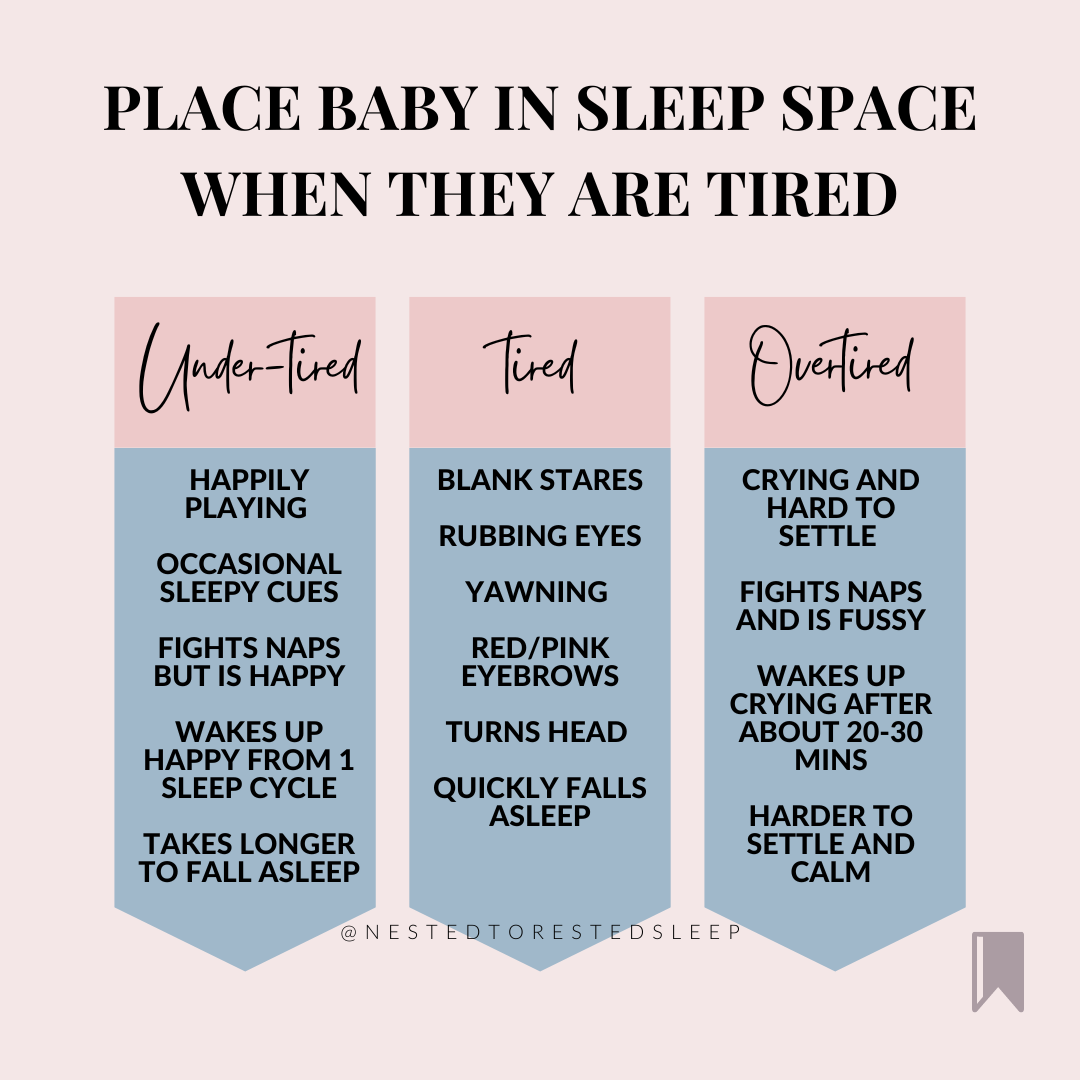
Recognizing Signs Of An Overtired Baby
One of the biggest challenges for new parents is recognizing when their baby is overtired. An overtired baby can be hard to soothe and may have trouble falling asleep. This section will help you identify the physical and behavioral signs of an overtired baby.
Physical Cues
Babies often show physical signs when they are overtired. These signs can help you act quickly to avoid a meltdown.
- Rubbing eyes: An overtired baby will often rub their eyes.
- Yawning: Frequent yawning is a clear sign of tiredness.
- Red eyes: Their eyes may become red and puffy.
- Clenched fists: Babies might clench their fists when overtired.
Behavioral Indicators
Behavioral changes can also indicate that your baby is overtired. Knowing these signs can help you respond promptly.
- Crying: An overtired baby may cry more than usual.
- Fussiness: Increased fussiness and irritability are common.
- Hyperactivity: Some babies become more active when overtired.
- Difficulty settling down: They might resist sleep and become restless.
Understanding these signs can help you address your baby’s needs and break the cycle of overtiredness. Pay close attention to both physical cues and behavioral indicators to ensure your baby gets the rest they need.
Common Causes Of Overtiredness
Understanding the common causes of overtiredness can help parents break the cycle of an overtired baby. Knowing these causes allows for better planning and effective solutions. In this section, we will explore two major contributors: Sleep Disruptions and Inconsistent Routines.
The AAP infant sleep guidelines recommend a safe sleep environment to prevent overtiredness.
Sleep Disruptions
Baby sleep tips. Sleep disruptions are a major cause of overtiredness in babies. Various factors can disturb a baby’s sleep, leading to exhaustion. Here are some common disruptions:
- Noise: Loud sounds can easily wake a baby.
- Light: Bright lights in the room can hinder sleep.
- Temperature: Too hot or too cold rooms can be uncomfortable.
- Hunger: A hungry baby will wake up frequently.
- Illness: Any discomfort from sickness will disrupt sleep.
Ensuring a quiet, dark, and comfortable environment can help minimize these disruptions. Regular feeding schedules can also prevent hunger-related wake-ups. most important An overtired baby may also have discomfort from diaper rash—explore our diaper rash remedies for relief.
Inconsistent Routines
Inconsistent routines can confuse a baby’s internal clock. This inconsistency often leads to overtiredness. Babies thrive on predictable routines. Here’s how to establish a consistent routine:
- Set a fixed bedtime: Choose a regular time for bed each night.
- Create a bedtime ritual: Activities like a bath or story can signal sleep time.
- Regular nap times: Schedule naps at the same times each day.
A consistent routine helps a baby know what to expect. This predictability can make them feel secure and ready for sleep.
The Impact Of Overtiredness On Babies
Overtiredness can have a significant impact on babies. When babies don’t get enough sleep, their overall well-being is affected. Understanding these effects can help parents manage and improve their baby’s sleep patterns.
Emotional Effects
Overtired babies often show increased irritability. They may cry more frequently and be harder to soothe. Mood swings become common. The baby can go from laughter to tears in seconds.
Babies also struggle with self-soothing when overtired. This makes it difficult for them to fall asleep. They can become clingy and have trouble separating from their parents.
Developmental Consequences
Overtiredness can impact a baby’s development. Cognitive development may slow down. Babies learn less effectively when tired.
Physical growth can also be affected. Overtired babies might not gain weight properly. They may miss important milestones like sitting up or crawling.
Additionally, overtiredness can weaken the immune system. This makes babies more susceptible to illnesses.
| Emotional Effects | Developmental Consequences |
|---|---|
| Increased irritability | Slower cognitive development |
| More frequent crying | Impacted physical growth |
| Difficulty self-soothing | Weakened immune system |
| Mood swings | Missed milestones |
Creating A Consistent Sleep Schedule
Establishing a consistent sleep schedule helps break the cycle of an overtired baby. Regular bedtime routines can improve sleep quality. Consistency is key for better rest.
Creating a consistent sleep schedule can help break the cycle of an overtired baby. Babies thrive on routine. A regular sleep schedule helps them know what to expect. Consistency can make a big difference in their sleep quality.
Establishing Bedtime Routines
A good bedtime routine sets the stage for sleep. Start with a warm bath to relax your baby. Follow up with a gentle massage. Read a favorite bedtime story. Sing a lullaby. Dim the lights to signal bedtime. Keep the routine the same every night. This helps your baby feel secure. They will know it is time to sleep.
Adjusting Nap Times
Regular nap times are as important as a bedtime routine. Observe your baby’s sleep patterns. Note when they seem tired. Schedule naps accordingly. Avoid late afternoon naps. These can make it hard for your baby to sleep at night. Keep nap times consistent each day. Adjust as needed for growth or changes in sleep habits. This helps prevent overtiredness.
Soothing Techniques For An Overtired Baby
Breaking the cycle of an overtired baby involves gentle soothing techniques. Try swaddling, rocking, and creating a calm environment. These methods help your baby relax and fall asleep faster.
Dealing with an overtired baby can be a real challenge. Babies often struggle to settle down when they are overtired. Yet, there are effective ways to calm them. Let’s explore some soothing techniques that can help.
Calming Sounds
Soft, calming sounds can work wonders. White noise is a popular choice. The gentle hum mimics the sounds in the womb. You can use a white noise machine or an app. Lullabies are also soothing. Sing or play them softly. Even a fan or a vacuum cleaner can help. The steady noise creates a calming environment. Babies find it easier to drift off.
Gentle Rocking
Rocking is a time-tested method. Hold your baby close. Gently sway back and forth. You can also use a rocking chair. The rhythmic movement soothes the baby. It reminds them of being in the womb. You can also try a baby swing. Make sure it is safe and secure. The gentle motion helps to relax the baby. They feel comforted and safe. “`
The Role Of The Environment
Creating the right environment can help break the cycle of an overtired baby. The surroundings play a key role in how well your baby sleeps. A peaceful, calm, and comfortable space can make a big difference. This section will explore how to set up the best sleep environment for your baby.
Optimal Sleep Conditions
The bedroom should be dark. Use blackout curtains to block out light. Light can disrupt sleep. A cool room temperature is also important. Babies sleep better in a cool room, around 68-72°F (20-22°C). Use a fan or air conditioner if needed.
A white noise machine can help. It blocks out unwanted sounds. This creates a calm environment. Soft bedding and a comfortable mattress are also key. Safety is important, so avoid loose blankets and pillows in the crib.
Minimizing Distractions
Keep the sleep area free of distractions. Remove toys and bright objects from the crib. These can keep the baby awake. Electronic devices should be turned off or kept out of the room. The blue light from screens can interfere with sleep.
Establish a bedtime routine. This signals to the baby that it is time to sleep. A warm bath, a story, or a lullaby can be part of this routine. Consistency is key. Stick to the same routine every night.
When To Seek Professional Help
Dealing with an overtired baby can be overwhelming. Sometimes, no matter what you do, your baby remains restless and irritable. This can affect the whole family. In such cases, seeking professional help might be the next best step. Here’s when to consider consulting experts to break the cycle of an overtired baby.
Consulting A Pediatrician
If your baby is constantly overtired despite your efforts, a pediatrician can help. They will check for underlying health issues affecting your baby’s sleep. Sometimes, even minor health problems can disrupt sleep patterns. A pediatrician can provide guidance and suggest helpful routines.
Regular check-ups are essential. They ensure your baby grows healthy and happy. Don’t hesitate to reach out if you have concerns. A pediatrician’s advice can make a significant difference.
Working With Sleep Specialists
Sleep specialists focus on sleep issues in children. They offer tailored solutions for your baby’s unique sleep challenges. These specialists understand the science of sleep. They can create a sleep plan that suits your baby’s needs.
Working with a sleep specialist can be a game-changer. They provide strategies to improve sleep quality. This support can help you and your baby rest better. A well-rested baby means a happier family.
Preventing Overtiredness In The Future
Preventing overtiredness in your baby is crucial for their health and well-being. Establishing a routine can help maintain a happy and rested baby. Below are some strategies that can help.
Regular Sleep Patterns
Creating regular sleep patterns is essential. Babies thrive on consistency. Aim to put your baby to sleep at the same time every night.
Consider the following tips to create regular sleep patterns:
- Set a consistent bedtime.
- Follow a bedtime routine like bathing, reading, or singing.
- Keep the sleep environment calm and quiet.
Regular sleep patterns help your baby understand when it is time to sleep. This reduces the risk of overtiredness.
Monitoring Baby’s Sleep Needs
Every baby has unique sleep needs. Monitoring these needs helps ensure your baby gets enough rest.

Here are some ways to monitor your baby’s sleep:
- Observe your baby’s sleep cues like yawning or rubbing eyes.
- Track sleep times and durations in a journal.
- Adjust nap times based on your baby’s behavior.
Understanding your baby’s sleep needs can prevent overtiredness. Adjust their sleep schedule as needed.
Below is a table summarizing average sleep needs by age:
| Age | Total Sleep Time (24 hours) |
|---|---|
| Newborn (0-3 months) | 14-17 hours |
| Infant (4-11 months) | 12-15 hours |
| Toddler (1-2 years) | 11-14 hours |
By establishing regular sleep patterns and monitoring your baby’s sleep needs, you can prevent overtiredness. This ensures your baby remains happy and healthy.

Frequently Asked Questions (FAQ)
How Can I Tell If My Baby Is Overtired?
Signs of an overtired baby include fussiness, irritability, and trouble falling asleep. They may also have difficulty staying asleep.
What Causes A Baby To Become Overtired?
Lack of proper naps, inconsistent sleep routines, and overstimulation can cause a baby to become overtired.
How Can I Soothe An Overtired Baby?
To soothe an overtired baby, create a calm environment, use gentle rocking, and maintain a consistent bedtime routine.
How Long Should Naps Be For A Baby?
A newborn’s nap should be 1-2 hours. Older babies need 2-3 naps of 1-1. 5 hours each.
Need more sleep tips? Check our FAQ for new parents.
Conclusion
Struggling with sleep? Feel free to reach out to us for personalized advice. Breaking the cycle of an overtired baby takes patience and consistency. Establish a soothing bedtime routine. Stick to a regular sleep schedule. Pay attention to sleep cues and act quickly. Create a calm, dark sleep environment. Limit stimulating activities before bedtime.
Ensure your baby is comfortable. Consistent efforts help your baby sleep better. Rested babies are happier and healthier. Trust the process and stay committed. Your baby will thank you with peaceful sleep.

Emma Grace is a devoted mother and passionate content writer at BestBabyCart.com. With firsthand parenting experience and a love for research, she creates helpful guides and honest reviews to support parents in choosing the best for their babies. Her goal is to make parenthood easier, one article at a time.