

Loose Baby Tooth During Cleaning. But what actually happens to it?
Hey there, amazing parent! If your child’s loose baby tooth caught you by surprise during a cleaning session, you’re not alone. It’s a milestone that can feel both exciting and nerve-wracking—especially when you’re brushing their tiny teeth and suddenly notice a wobble. Should you stop cleaning? Is it safe?
At BestBabyCart.com, we’re here to guide you with essential dental tips for kids, emotional support, and practical steps to handle a loose baby tooth with confidence. Let’s dive in and make this moment a breeze for you and your little one!
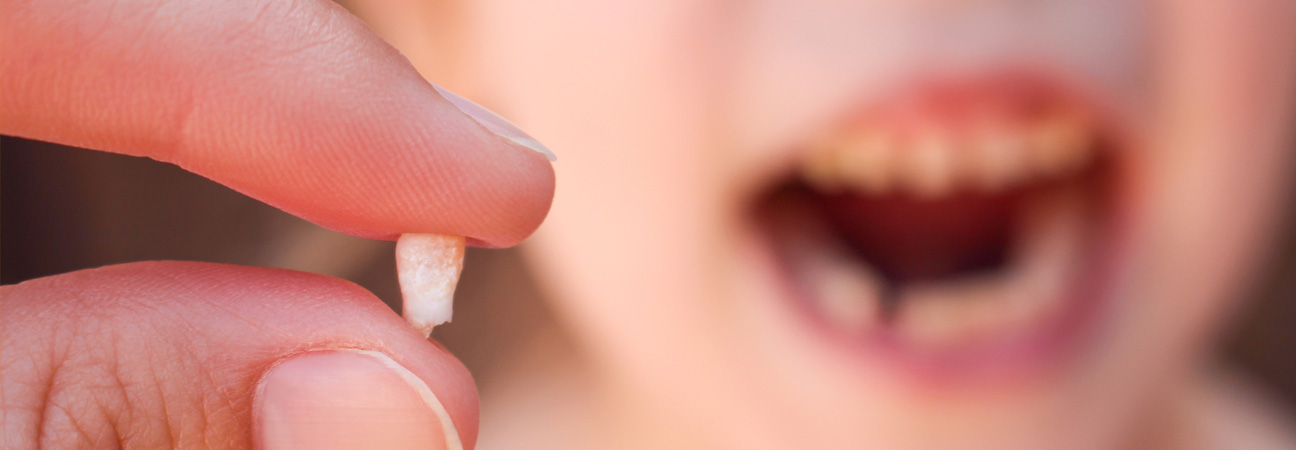
Introduction To Baby Tooth Care
Loose baby teeth can move during cleaning, causing discomfort. Gently brush to avoid pain and help the tooth fall out naturally.
Caring for your baby’s teeth is essential. Healthy baby teeth help with chewing and speaking. They also keep space for permanent teeth. Good dental habits begin early. Even before the first tooth appears, it’s vital to clean your baby’s mouth.
Importance Of Early Dental Hygiene
Starting dental care early is crucial. It helps prevent cavities and gum disease. Use a soft, damp cloth to clean your baby’s gums. Once teeth appear, use a small toothbrush. Brush twice daily with a tiny amount of fluoride toothpaste. Regular check-ups with a dentist are also important.
Common Concerns For Parents
Parents often worry about loose baby teeth. Cleaning a loose tooth can be tricky. Use gentle brushing to avoid pain. If a tooth is very loose, it may fall out during cleaning. This is normal and not harmful. Always reassure your child. Let them know losing teeth is a natural part of growing up. “`
Loose Baby Tooth Basics
Loose baby teeth are a common part of growing up. They start to wiggle when adult teeth push through the gums. This process is natural and happens to every child. Understanding the basics can help parents and kids feel more comfortable.
Why Baby Teeth Become Loose
Baby teeth, also known as primary teeth, become loose due to the growth of adult teeth. The roots of baby teeth dissolve as adult teeth develop. This makes the baby teeth loose and ready to fall out. It’s a natural process that signals the beginning of a new stage in dental health.
Several factors can cause baby teeth to become loose:
- Growth of permanent teeth
- Natural wear and tear
- Minor injuries to the mouth
These factors contribute to the loosening of baby teeth, preparing the way for adult teeth.
Typical Age For Tooth Loss
Most children begin to lose their baby teeth around the age of six. The process usually starts with the front teeth, also known as incisors. By the age of 12, most children have lost all their baby teeth.
Here’s a typical timeline for tooth loss:
| Age | Teeth Lost |
|---|---|
| 6-7 years | Central incisors |
| 7-8 years | Lateral incisors |
| 9-11 years | Canines and first molars |
| 10-12 years | Second molars |
Each child is different, so the timeline can vary. But the overall process remains the same. Regular dental check-ups can help monitor this progress.
Identifying A Loose Tooth
During cleaning, a loose baby tooth might wiggle more or fall out completely. This is natural and usually painless. The new tooth will soon grow in its place.
A loose baby tooth can be a bit concerning. Parents often wonder what to do next. Understanding the signs helps in managing the situation better. Knowing when to consult a dentist can save a lot of worries.
Signs Of A Loose Tooth
There are several indicators to watch for. Your child might complain about discomfort while eating. They may touch the tooth often. You might notice slight bleeding around the tooth. If the tooth wobbles when touched, it’s another clear sign.
When To Consult A Dentist
Not every loose tooth needs a dentist visit. Consult a dentist if there’s severe pain. If the gum around the tooth looks swollen or red, seek help. Also, if the tooth doesn’t fall out after a few weeks, it’s time to see a dentist. Regular check-ups can also help in managing loose teeth. “`
Cleaning A Loose Baby Tooth
Cleaning a loose baby tooth can be a delicate task. It is important to maintain oral hygiene while ensuring the tooth is not damaged. Proper cleaning techniques help keep the area clean and free from infection. Parents often worry about causing pain or discomfort, but gentle methods and safe products can ease the process.
Gentle Brushing Techniques
Use a soft-bristled toothbrush to clean a loose baby tooth. Brush gently to avoid causing pain or dislodging the tooth prematurely. Consider these steps for safe brushing:
- Use a small, pea-sized amount of fluoride toothpaste.
- Brush in small, gentle circles around the tooth.
- Focus on cleaning the gum line and surrounding teeth.
- Encourage your child to spit out the toothpaste, not swallow it.
Encourage your child to brush twice daily. Supervision ensures the tooth is cleaned properly without damage.
Safe Cleaning Products
Choose safe, child-friendly products for cleaning a loose baby tooth. Some recommended options include:
| Product | Description |
|---|---|
| Fluoride Toothpaste | Prevents cavities and strengthens teeth. Use a small amount. |
| Soft-Bristled Toothbrush | Gentle on gums and teeth. Suitable for children. |
| Mouthwash | Optional for older children. Choose alcohol-free options. |
Avoid products with harsh chemicals. They can irritate the gums and cause discomfort. Always read the labels to ensure safety for your child.
By following these techniques, parents can ensure a loose baby tooth stays clean and healthy. Gentle care promotes a comfortable experience for the child.
Emotional Support for Parents and Kids
A loose baby tooth is a big milestone—for both you and your child! It’s normal to feel a mix of excitement and worry. Let’s navigate this together.
Make It a Fun Milestone
Turn the loose tooth into a celebration! Tell your child about the Tooth Fairy or start a fun tradition, like a special treat when the tooth falls out. This creates joyful memories and eases any fears.
You’re Doing Great, Parent!
It’s okay to feel unsure—you’re learning right alongside your child. Every wobbly tooth is a sign of growth, and you’re there to guide them through it. Lean on other parents in online communities on X or local groups for support and shared stories.
Preventing Discomfort
Loose baby teeth can cause discomfort during cleaning. Gently brushing can prevent pain and help the tooth fall out naturally.
Loose baby teeth can cause discomfort during cleaning. Parents should take steps to reduce pain and irritation. There are simple methods to help your child feel better. Below are some effective strategies.
Pain Relief Methods
Over-the-counter pain relievers can help. Use children’s ibuprofen or acetaminophen. These medicines can ease pain and reduce swelling. Always follow the dosage instructions. For natural relief, try a cold compress. Place it gently on the cheek. This numbs the area and reduces inflammation. Another method is a warm saltwater rinse. Mix one teaspoon of salt in a cup of warm water. Have your child rinse their mouth gently. This cleans the mouth and soothes the gums. Ensure the child spits out the solution.
Foods To Avoid
Certain foods can cause more discomfort. Hard and crunchy foods are the main culprits. Avoid foods like apples, carrots, and nuts. They can put pressure on loose teeth. Sticky foods are also a problem. Candy, gum, and caramel can stick to the teeth. This increases the risk of pain and can dislodge the tooth prematurely. Instead, choose soft foods. Yogurt, mashed potatoes, and scrambled eggs are good options. These foods are easy to chew and gentle on the gums. They help prevent discomfort and make mealtime easier. “`

Handling A Fallen Tooth
Loose baby teeth may come out during cleaning. It’s normal and usually painless. Gently rinse the mouth afterward.
Handling a fallen tooth can be challenging for both children and parents. It is important to stay calm and follow some simple steps. This will help ensure the best possible outcome for your child’s oral health.
Steps After A Tooth Falls Out
First, find the tooth. Once you locate it, pick it up by the crown. Avoid touching the root to prevent damage. Next, rinse the tooth gently with water. Do not use soap or chemicals. Also, avoid scrubbing the tooth. This can harm the delicate tissue attached to it. Check your child’s mouth for any remaining fragments. If there is bleeding, have your child bite down on a piece of gauze. This helps stop the bleeding. It also keeps your child from swallowing the tooth.
Storing The Tooth Safely
If you cannot reinsert the tooth into the socket, store it properly. Place the tooth in a container with milk. Saliva can also be used if milk is not available. This keeps the tooth moist and helps preserve the living cells. Do not store the tooth in water. Water can damage the root surface cells. Take your child and the tooth to the dentist as soon as possible. The quicker you act, the better the chances of saving the tooth. The dentist can provide the best advice on how to proceed. Handling a fallen tooth doesn’t have to be a stressful experience. By following these steps, you can ensure your child’s smile stays healthy and bright.
Potential Complications
Cleaning a loose baby tooth can sometimes lead to complications. While rare, these issues can cause significant discomfort. Awareness helps prevent further problems. Here are potential complications to watch for when cleaning a loose baby tooth.
Signs Of Infection
Infections are a serious concern with loose baby teeth. Look for red, swollen gums. Pus around the tooth is a strong indication. Persistent bad breath may also signal infection. Discomfort when chewing should not be ignored. These signs require immediate attention to prevent spreading.
When To Seek Medical Attention
Sometimes, home care is not enough. Seek medical help if the tooth becomes painful. If the child has a fever, it’s a sign of infection. A loose tooth that doesn’t fall out after a long time may need a dentist. Unusual swelling or redness should also be checked. Early intervention can prevent further issues.
Maintaining Oral Health
Maintaining oral health is crucial for children, especially during the phase of losing baby teeth. Proper care ensures healthy gums and a smooth transition to adult teeth. Loose baby teeth often require special attention during cleaning.
Regular Dental Checkups
Regular dental checkups are essential. Dentists can monitor the progress of loose baby teeth. They ensure that loose teeth do not cause any complications. Dentists also provide professional cleaning, which is gentle and effective.
During checkups, dentists can advise on the best ways to clean loose teeth at home. They can also spot any issues early, preventing more serious problems. Regular visits help maintain overall dental health.
Tips For Long-term Dental Care
Use a soft-bristled toothbrush for loose baby teeth. This helps avoid irritation. Make sure to brush gently around the loose tooth. Flossing is also important, but be careful around the loose areas.
Encourage your child to rinse their mouth with water after meals. This helps remove food particles. A balanced diet is key. Reduce sugary snacks and drinks to prevent cavities. Healthy eating supports strong, healthy teeth.
Finally, establish a consistent oral hygiene routine. Brushing twice a day and regular flossing are crucial. This routine builds good habits for long-term dental health.
Conclusion And Final Tips
Cleaning loose baby teeth can be a delicate process. Parents often worry about hurting their children or causing unnecessary pain. Understanding what happens during cleaning can ease these concerns and help ensure proper dental care for kids.
Recap Of Key Points
Loose baby teeth are common in children. Gently brushing and flossing is important. Avoiding hard foods can prevent discomfort. Regular dental check-ups monitor progress and ensure no complications arise. Encouraging good habits early promotes lifelong dental health.
Encouraging Good Dental Habits
Teach children to brush twice daily. Use a soft-bristled toothbrush. Flossing should start once teeth touch each other. Limit sugary snacks and drinks. Schedule regular visits to the dentist. Praise and reward good dental behavior. Make brushing fun by using songs or games. Lead by example and brush together.
Frequently Asked Questions
What Happens To A Loose Baby Tooth During Cleaning?
A loose baby tooth may fall out during cleaning. Gentle brushing and flossing can help remove it. If it doesn’t fall out, the dentist can assess its condition.
Should I Worry About A Loose Baby Tooth?
No, a loose baby tooth is normal. It means the adult tooth is ready to come in. Ensure proper dental hygiene to support healthy gums and teeth.
Can A Dentist Remove A Loose Baby Tooth?
Yes, a dentist can safely remove a loose baby tooth if needed. They will ensure minimal discomfort and check for any underlying issues.
How To Clean Around A Loose Baby Tooth?
Gently brush and floss around the loose baby tooth. Use a soft-bristled toothbrush and avoid applying too much pressure. This helps maintain oral hygiene without causing pain.
Conclusion
Taking care of loose baby teeth is important during cleaning. Gently brush the area to prevent discomfort. Loose teeth often fall out naturally. Encourage good dental habits early. Regular dental visits help monitor progress. Keeping baby teeth clean ensures healthy adult teeth.
Always use a soft-bristled toothbrush. Avoid hard foods that might cause pain. Dental hygiene for kids sets the foundation for a lifetime. Remember, a clean mouth promotes overall health.

Emma Grace is a devoted mother and passionate content writer at BestBabyCart.com. With firsthand parenting experience and a love for research, she creates helpful guides and honest reviews to support parents in choosing the best for their babies. Her goal is to make parenthood easier, one article at a time.