

When it comes to your baby’s crib, safety is the top priority. You want to create a cozy space where your little one can sleep peacefully—and where you can have peace of mind.
But did you know that some common items placed in cribs can actually be dangerous? Knowing what should never be in your baby’s crib can protect your child from risks you might not expect. Keep reading to discover the four things you must avoid putting in your crib to keep your baby safe and sound.
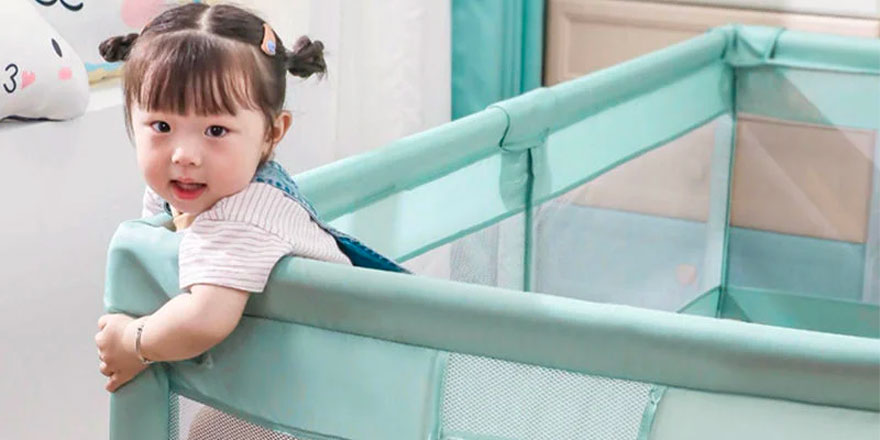
Credit: picketandrail.com
Loose Bedding Hazards
Loose bedding in a crib can cause serious safety issues for babies. These items can cover a baby’s face and make breathing hard. Babies are not able to move these objects away, which increases the risk of suffocation. It is best to keep the crib free from any loose fabrics to ensure a safe sleep environment.
Risks Of Blankets And Sheets
Blankets and sheets can easily slip over a baby’s head. This blocks air and raises the chance of suffocation. They also increase the risk of overheating. Babies cannot pull blankets off like older children. Using a fitted sheet only is the safest choice.
Dangers Of Pillows And Cushions
Pillows and cushions can press against a baby’s face. This stops airflow and makes breathing difficult. Soft items can trap heat, causing overheating. Babies do not need pillows for comfort or support. The safest crib is one without pillows or cushions.
Credit: www.halosleep.com
Stuffed Animals And Toys
Stuffed animals and toys may seem like a cozy addition to a baby’s crib. They can look soft and comforting. Many parents want to make the crib feel warm and friendly. Yet, these items can pose serious risks to a sleeping baby. It is safer to keep the crib free of these objects.
Suffocation Risks
Stuffed animals can block a baby’s nose or mouth. This can stop the baby from breathing properly. Soft toys can press against a baby’s face during sleep. Babies cannot move heavy objects away on their own. This creates a dangerous risk of suffocation.
Choking Hazards
Toys often have small parts like buttons or eyes. These parts can come loose easily. Babies put things in their mouths. Loose parts can cause choking if swallowed. It is best to avoid any toys with small pieces in the crib.
Crib Bumpers
Crib bumpers are soft pads placed around the inside edges of a crib. They often look cozy and protect babies from bumping their heads or getting limbs stuck between crib slats. Many parents use them to create a snug and safe sleeping space. Yet, these bumpers can bring hidden risks that parents should know.
Why Bumpers Are Unsafe
Crib bumpers can block air flow in the crib. This raises the risk of suffocation. Babies can press their faces against the soft fabric and struggle to breathe. There is also a risk of strangulation if the bumper ties come loose. Some babies may climb on bumpers and fall out of the crib. Many health experts warn against using bumpers because of these dangers.
Alternatives To Bumpers
Use a crib with narrow slats to prevent limbs from getting stuck. Dress your baby in a sleep sack to keep them warm. Keep the crib empty except for a firm mattress and fitted sheet. These simple steps create a safe crib without bumpers. A clear, open crib is best for baby’s safety and comfort.
Credit: www.halosleep.com
Unsafe Sleep Positioners
Unsafe sleep positioners are devices designed to keep babies in a certain position while sleeping. Parents often use them to prevent babies from rolling over or moving too much. These products look helpful but can be dangerous in a crib. Experts warn against using them because they can cause serious risks during sleep.
Health Concerns
Sleep positioners can block a baby’s breathing. If a baby’s face presses against the device, they might not get enough air. This raises the risk of suffocation and sudden infant death syndrome (SIDS). Babies can also get trapped or stuck, which can cause injury. These products do not have safety approval from health organizations for use in cribs. Using them can lead to dangerous accidents.
Approved Sleep Practices
Experts recommend placing babies on their backs to sleep. The crib should have a firm mattress and a tight-fitting sheet only. No extra items like blankets, pillows, or positioners should be inside. The best way to keep a baby safe is to let them move freely on a flat surface. Following safe sleep rules reduces risks and helps babies sleep safely.
Frequently Asked Questions
What Items Are Unsafe In A Baby’s Crib?
Unsafe items include pillows, blankets, toys, and bumper pads. These increase the risk of suffocation and Sudden Infant Death Syndrome (SIDS). Keeping the crib bare ensures a safer sleeping environment for your baby.
Why Avoid Pillows And Blankets In Cribs?
Pillows and blankets can block airflow and cause overheating. They also pose a suffocation hazard for infants. It’s best to use a fitted sheet on a firm mattress instead.
Are Crib Bumpers Dangerous For Babies?
Yes, crib bumpers can trap babies and increase suffocation risk. Many safety experts advise against using bumpers in cribs. A bare crib is the safest option for infant sleep.
Can Toys In The Crib Cause Harm?
Toys in the crib can be choking hazards and increase suffocation risk. Soft toys should be kept out of the crib until the baby is older and can safely play with them.
Conclusion
Keeping a crib safe means avoiding four key items inside it. Soft toys, pillows, and loose blankets can cause harm. Bumpers also pose risks and should not be used. Always choose firm mattresses and keep the crib clear. This simple step helps protect your baby during sleep.
Safety starts with what you put inside the crib. A clear crib creates a safer sleep space for your child. Remember, less is truly more in a crib.

Emma Grace is a devoted mother and passionate content writer at BestBabyCart.com. With firsthand parenting experience and a love for research, she creates helpful guides and honest reviews to support parents in choosing the best for their babies. Her goal is to make parenthood easier, one article at a time.