

Have you ever wondered what life was like before the invention of diapers? If you’re a parent, you might shudder at the thought of managing without them!
But humans have been caring for babies long before modern conveniences like disposable diapers came into existence. Imagine dealing with the daily challenges of baby care without the ease of simply throwing away a used diaper. How did parents manage?
What ingenious solutions did they come up with to keep their little ones clean and comfortable? You’ll uncover the fascinating practices and clever techniques people used before diapers became a household staple. Get ready to dive into history and discover insights that might surprise you, and perhaps even make you appreciate the convenience of modern baby care just a little bit more.

Credit: commons.wikimedia.org
Early Methods For Infant Hygiene
Before the invention of modern diapers, parents across the world relied on various methods to keep their infants clean and dry. These early methods of infant hygiene were often ingenious and resourceful, reflecting the culture and environment of different regions. Have you ever wondered how your great-grandparents managed baby care without the convenience of disposable diapers? Let’s dive into some historical practices that might surprise you.
Cloth Wrappings
One of the most common practices was using cloth wrappings. Parents would wrap their babies in soft, absorbent fabrics, often made from linen or cotton. These cloths were reusable, requiring frequent washing and drying. Can you imagine the laundry workload? This method was economical and sustainable, but it demanded constant attention to keep the baby comfortable.
Parents had to be vigilant about changing the cloth wrappings to prevent irritation or infection. This approach fostered a close bond between parent and child, as the process required regular interaction. How different is this from the fast-paced diaper changes of today?
Natural Absorbent Materials
In many cultures, natural absorbent materials played a crucial role in infant hygiene. Moss, grass, and even animal skins were creatively employed to absorb moisture. These materials were readily available and biodegradable, making them environmentally friendly options.
Imagine using moss as a natural diaper! This method required skill in selecting and preparing the materials. Parents had to ensure that the chosen materials were clean and safe for their baby’s sensitive skin. Does this make you appreciate the convenience of modern diapers a bit more?
Some communities used dried corn husks or even soft bark as liners within cloth wrappings. These innovative solutions showcase human adaptability and resourcefulness. What other natural materials do you think could have been used?
These early methods highlight the creativity and dedication of parents throughout history. They might not have had the convenience of today’s diapers, but they certainly had their own effective strategies. Reflecting on these practices can deepen your appreciation for the simple innovations that have shaped childcare over the centuries.

Credit: www.quora.com
Traditional Practices Around The World
In ancient times, people used natural materials instead of diapers. Grass, moss, and animal skins were common choices. These practices varied widely across cultures, adapting to local resources and traditions.
Before the invention of modern diapers, parents around the world relied on various traditional methods to keep their babies dry and comfortable. These practices, though different from the disposable diapers we know today, were rooted in the cultural and environmental contexts of their regions. Understanding these methods not only offers insight into human ingenuity but also highlights sustainable and resourceful practices that might surprise you.
Indigenous Techniques
Many indigenous communities used natural materials readily available in their environment. In parts of Africa, mothers would use soft moss or grass as absorbent materials, carefully wrapping them around the baby. In Native American cultures, mothers crafted cradleboards lined with absorbent materials like sphagnum moss, known for its antibacterial properties. This moss was then wrapped in softened animal skins, providing both comfort and protection. Have you ever thought about how resourceful people can be with just what’s around them? This makes you wonder about the creative potential in everyday life.
European Innovations
Europe had its own set of traditional practices before modern diapers emerged. In Medieval Europe, parents often used strips of linen or wool, secured with pins or ties. These materials were easy to wash and reuse, which was crucial given the lack of disposable options. By the 19th century, some European families began using rubber pants over cloth to contain leaks, paving the way for more sophisticated designs. Isn’t it fascinating how necessity drives innovation? You might find that looking for creative solutions in your own life can lead to unexpected breakthroughs. Traditional practices around the world showcase the diversity and adaptability of human culture. These methods remind us that solutions are often closer than we think, waiting to be discovered in the simplest of forms.
Ancient Potty Training Methods
Long before diapers, parents had unique methods for potty training. These methods were simple and relied on understanding babies’ natural rhythms. Families used observation and timing to assist children in eliminating waste. This practice was common in various ancient cultures.
Elimination Communication
Elimination communication was a key method in ancient times. Parents closely observed their babies’ signals for elimination. They learned the child’s natural patterns and timing. This helped them guide children to designated elimination spots.
Cues And Timing
Parents paid attention to cues like facial expressions or body movements. Timing was crucial in this method. They predicted when their child needed to go based on past habits. It required patience and attentiveness from caregivers.
Reusable And Sustainable Solutions
Long before the invention of modern diapers, people had to get creative. They used various reusable and sustainable solutions for baby hygiene. These solutions were practical and environmentally friendly. They also reflect the resourcefulness of ancient cultures. Let’s explore some of these fascinating methods.
Moss And Grass
Moss and grass were common materials used for baby care. They were abundant and easy to gather. Soft and absorbent, moss worked well for keeping babies dry. People would place moss inside fabric wraps. This combination acted like a primitive diaper. Grass served a similar purpose. It was often used in combination with other materials. These natural options were biodegradable. They also provided a sustainable solution for baby care.
Animal Skins
Animal skins were another resourceful solution. Many cultures used them due to their availability. Skins were durable and could be fashioned into baby wraps. They provided a protective layer against leaks. People would line these skins with soft materials. This made them more comfortable for the baby. The use of animal skins showcased early resourcefulness. It was a practical and reusable method for parents.
Influence Of Culture And Environment
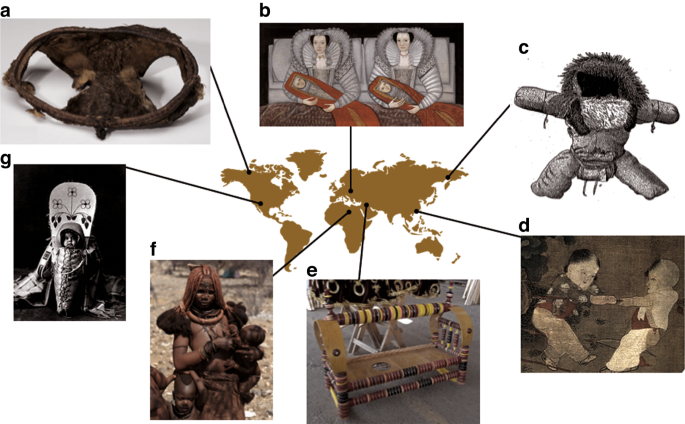
Throughout history, diverse cultures crafted inventive solutions for infant care before diapers. In ancient times, parents relied on natural materials like moss and grass. Indigenous communities used cradleboards, allowing easy cleaning and comfort.
Before diapers, cultural and environmental factors shaped how people managed baby care. Different regions had unique approaches, influenced by local beliefs and surroundings. Understanding these methods reveals a rich tapestry of human innovation and adaptation.
Geographical Variations
In colder climates, parents used animal skins to keep babies warm and dry. In tropical regions, banana leaves served as a natural covering. These materials were readily available and suited to the environment. In arid areas, sand was sometimes used for absorption. Each geography offered its own solutions, reflecting the resourcefulness of its people.
Cultural Beliefs
Cultural beliefs deeply influenced baby care practices. In some cultures, early potty training was encouraged. Babies were held over designated places to relieve themselves. This practice connected to beliefs about cleanliness and discipline. Other cultures valued natural practices, using plant-based materials for baby care. Traditions passed down through generations played a vital role. Practices were shared from mother to daughter, keeping cultural customs alive.
Evolution Of Baby Care Techniques
Baby care has evolved significantly over the centuries. Parents once had different methods for managing their babies’ needs. These methods reflect creativity and adaptability. Let’s explore the journey from ancient practices to modern conveniences.
Transition To Modern Diapers
Cloth was the primary material for baby care long ago. People used soft fabric to wrap babies. These cloths needed frequent washing. Over time, technology brought changes. In the mid-20th century, disposable diapers appeared. They offered convenience and hygiene. Modern diapers have absorbent materials. They keep babies dry longer. Parents embraced this innovation quickly. It simplified daily routines.
Impact On Parenting
Modern diapers changed parenting significantly. Parents save time with fewer laundry tasks. This allows more focus on bonding and development. The ease of use reduces stress for caregivers. The improved hygiene contributes to healthier babies. This impacts overall family well-being positively.
Credit: www.nature.com
Frequently Asked Questions
What Did Ancient People Use Instead Of Diapers?
Ancient people used natural materials like moss, leaves, and animal skins as diapers. They sometimes employed cloths, which were washed and reused. In some cultures, infants were held over designated areas for elimination, known as elimination communication. These methods varied based on available resources and cultural practices.
What Did Native Americans Use As Diapers?
Native Americans used natural materials as diapers, including moss, grass, or soft animal skins. They placed these materials inside cradleboards or wrapped them around babies, providing comfort and absorption. These solutions were biodegradable and sustainable, fitting seamlessly with their environment-friendly lifestyle.
What Did They Use For Diapers In The 1800s?
In the 1800s, people used cloth diapers made from materials like linen, cotton, or flannel. They secured them with safety pins. Parents washed and reused these cloth diapers regularly. Some families used absorbent moss or animal skins as diaper liners.
What Did They Use For Diapers In Bible Times?
In Bible times, parents likely used natural materials for diapers. Cloth or animal skins were common choices. These materials were wrapped around the baby to absorb waste. People relied on what was available locally, making diapering solutions simple yet effective.
Conclusion
Exploring diaper alternatives shows human adaptability and creativity. Cultures developed unique methods for baby care. Moss, leaves, and animal skins were popular choices. Potty training began early, using signals and routines. Families crafted cloths from available materials. These traditions highlight resourcefulness before modern inventions.
Understanding past practices helps appreciate today’s conveniences. It also connects us to history and diverse cultural practices. Our ancestors’ solutions remind us of human resilience. This journey through history offers insight into child-rearing’s evolution. We can learn a lot from their experiences.

Emma Grace is a devoted mother and passionate content writer at BestBabyCart.com. With firsthand parenting experience and a love for research, she creates helpful guides and honest reviews to support parents in choosing the best for their babies. Her goal is to make parenthood easier, one article at a time.