
When setting up your baby’s crib, you might wonder about the best way to keep it safe and cozy. You’ve probably heard about crib liners and crib bumpers—but what exactly sets them apart?
Choosing the right option can make a big difference for your little one’s comfort and safety. You’ll discover the key differences between crib liners and crib bumpers, helping you make the best choice for your baby’s nursery. Keep reading to find out what works best for you and your child.
Crib Liners Basics
Crib liners are soft fabric pieces that fit inside a crib. They wrap around the crib’s sides to create a smooth surface. Many parents use them to protect babies from hard crib rails. Crib liners differ from crib bumpers in design and safety. Understanding these basics helps you make a better choice for your baby’s sleep area.
Material And Design
Crib liners usually come in breathable fabrics like cotton or mesh. The design is thin and lightweight to allow air flow. They cover the inside edges of the crib without adding bulk. Some liners have stretchy sides for a snug fit. The focus is on comfort and softness.
Purpose In The Crib
The main job of crib liners is to protect babies from rough crib edges. They stop little arms and legs from getting scratched. Liners can also prevent clothing from catching on crib slats. They do not fill the whole space like bumpers do. Instead, they provide a gentle barrier.
Safety Features
Crib liners are designed to reduce suffocation risks. Breathable materials keep air moving inside the crib. Many liners have secure fasteners to prevent loose fabric. This helps avoid strangulation or entrapment hazards. Choosing a liner that meets safety standards is very important.
Credit: breathablebaby.com
Crib Bumpers Essentials
Crib bumpers are soft pads placed inside a crib. They line the crib’s sides to protect babies. Understanding their key features helps parents choose wisely.
Material And Padding
Crib bumpers usually use soft fabrics like cotton or polyester. The padding inside is thick foam or polyester fill. This padding cushions the crib’s hard sides to prevent bumps.
Intended Use
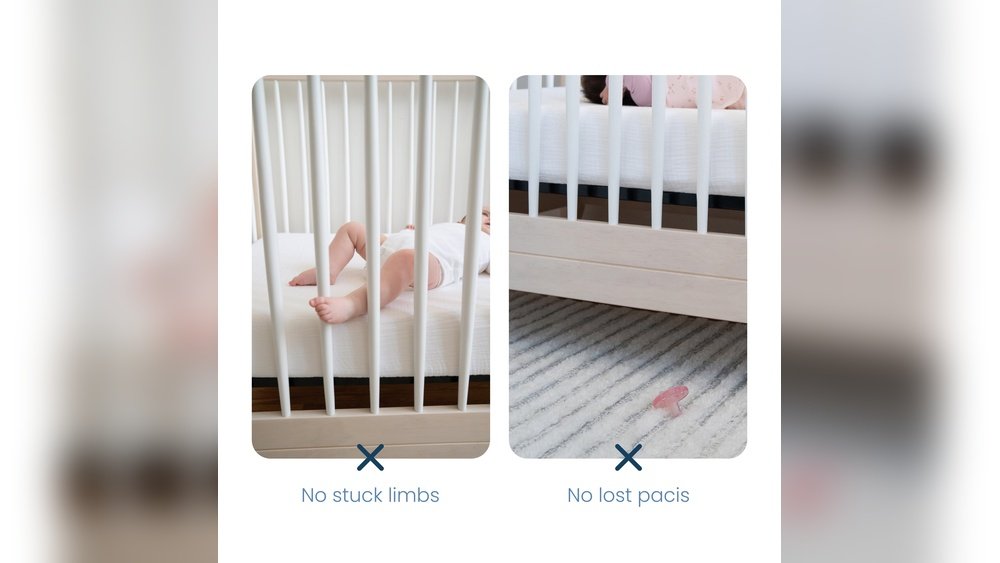
The main goal is to stop babies from hitting crib rails. Bumpers also reduce limb entrapment between crib bars. They create a cozy, enclosed space for the baby.
Safety Concerns
Experts warn bumpers may cause suffocation risks. Babies can get trapped against the soft pads. Many recommend avoiding bumpers for safe sleep environments.
Key Differences
Crib liners and crib bumpers are often confused. Both add comfort and style to a baby’s crib. But they serve different purposes and have distinct features. Understanding their key differences helps parents choose the right option for their baby’s needs.
Functionality Comparison
Crib liners mainly protect the crib’s wooden slats. They stop marks and scratches caused by baby’s movements. Crib bumpers create a padded barrier around the crib. They cushion the baby from hard crib sides. This can help reduce bumps and bruises.
Design And Construction
Crib liners are usually flat and thin. They are made of mesh or fabric that allows airflow. This design helps keep the crib breathable. Crib bumpers are thicker and padded. They come in various shapes and materials. Some have ties to secure them to crib rails.
Impact On Baby’s Safety
Crib liners are considered safer because they do not block airflow. They reduce the risk of suffocation. Crib bumpers can pose safety risks. They may cause overheating or accidental suffocation. Experts often advise against using bumpers in cribs. Safety must be the top priority for parents.

Credit: www.halosleep.com
Safety Guidelines
Safety is the top priority when choosing crib liners or crib bumpers. Both products can affect your baby’s sleep environment. Understanding safety guidelines helps protect your child from risks. This section explains expert advice, rules, and safer choices.
Recommendations From Experts
Doctors and child safety groups advise against using crib bumpers. They can cause suffocation or overheating. Experts suggest keeping the crib clear of soft items. Crib liners might be safer if they fit tightly and are breathable. Always check for hazards and follow safety tips.
Regulations And Standards
Many countries have strict rules about crib bumpers. Some bans limit their sale due to safety concerns. Crib liners must meet certain standards for materials and design. Look for products tested for choking and suffocation risks. Compliance with standards ensures better protection for babies.
Safe Alternatives
Consider mesh crib liners as a safer option. They allow air to pass through easily. Another choice is a bare crib with a fitted sheet only. Using sleep sacks can keep babies warm without extra bedding. These alternatives reduce risks and create a safer sleep space.
Choosing Between Liners And Bumpers
Choosing between crib liners and crib bumpers is important for your baby’s safety and comfort. Both protect your baby from the hard crib sides but differ in design and use. Understanding these differences helps you make the best choice for your nursery.
Factors To Consider
Think about safety first. Crib liners are thinner and breathable. They reduce the risk of suffocation. Bumpers are thicker and softer but may block airflow.
Check your baby’s age and mobility. Babies who move a lot might get tangled in bumpers. Liners offer less risk here. Also, consider the crib style and size for fitting options.
Parental Preferences
Some parents prefer liners for their simplicity and safety. Others like bumpers for the cozy feel they provide. Your choice depends on what feels right for you and your baby’s needs.
Consider how easy each option is to clean. Liners often wash faster and dry quicker. Bumpers might take longer due to their padding.
Practical Tips
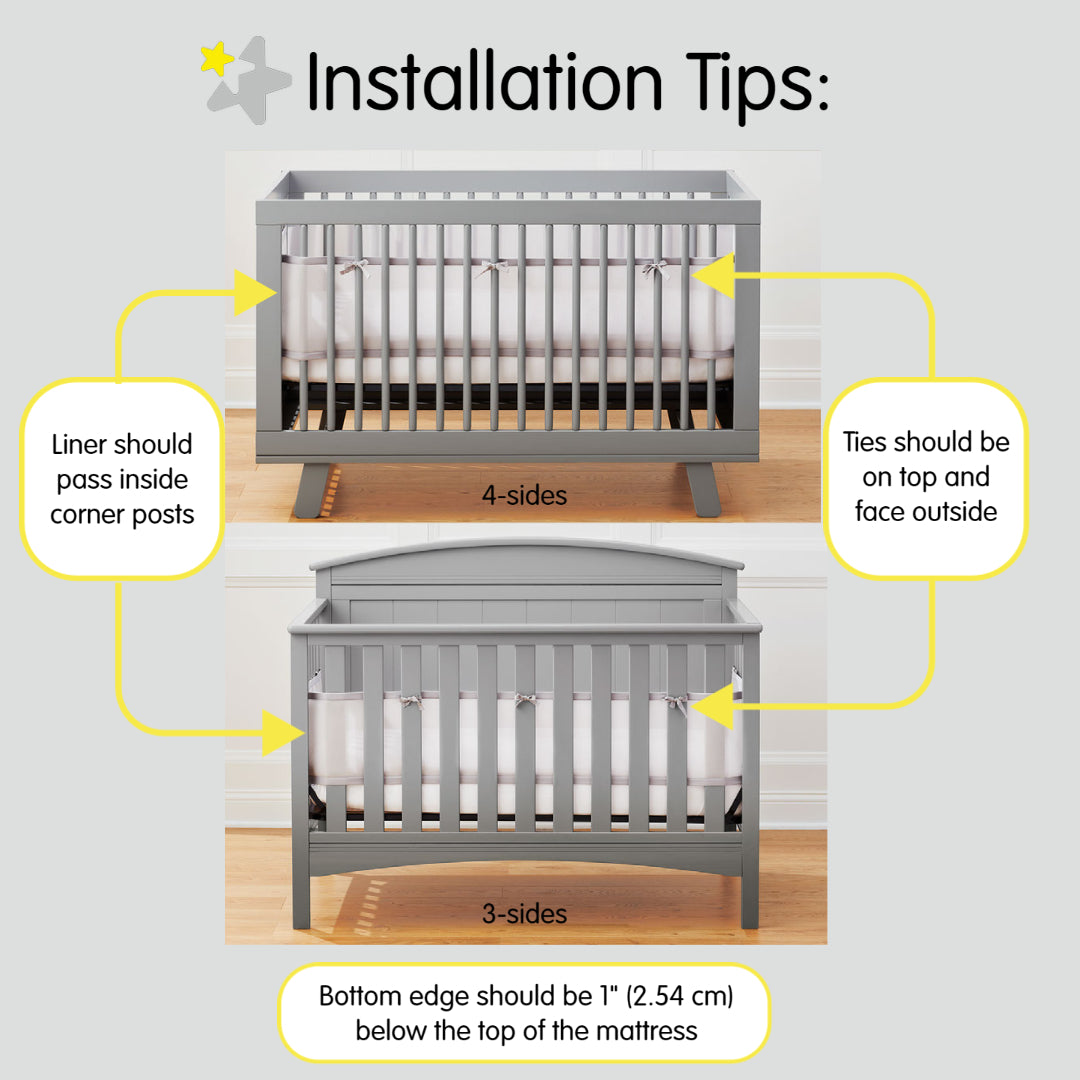
Always check for certifications and safety standards. Use only products that meet current guidelines. Secure liners or bumpers tightly to avoid gaps.
Regularly inspect for wear and tear. Replace any damaged liners or bumpers immediately. Keep the crib clutter-free for the safest sleep environment.

Credit: www.newtonbaby.com
Frequently Asked Questions
What Are Crib Liners Used For?
Crib liners protect the crib’s sides from drool, teething marks, and scratches. They provide a soft barrier without padding. Liners are breathable and designed to keep the crib clean while allowing airflow for baby’s safety.
How Do Crib Bumpers Differ From Liners?
Crib bumpers are padded and cover the crib’s interior sides. They cushion the baby from hard rails but may restrict airflow. Liners are thinner, less padded, and mainly protect the crib rather than provide a cushion.
Are Crib Bumpers Safe For Babies?
Many experts advise against crib bumpers due to suffocation and SIDS risks. They can block airflow and trap babies against soft padding. Parents should prioritize breathable, mesh crib liners or opt for no barriers.
Can Crib Liners Prevent Baby Injuries?
Crib liners can reduce minor scrapes from crib slats but don’t cushion impacts. They protect the crib’s wood or paint but offer limited injury prevention compared to padded bumpers.
Conclusion
Crib liners and crib bumpers serve different purposes in a baby’s crib. Liners protect the crib from drool and mess. Bumpers aim to cushion the sides but may pose safety risks. Choosing the right one depends on your baby’s needs and safety advice.
Always prioritize comfort and safety over appearance. Remember, a safe crib helps your baby sleep better. Keep your baby’s well-being as your top concern.

Emma Grace is a devoted mother and passionate content writer at BestBabyCart.com. With firsthand parenting experience and a love for research, she creates helpful guides and honest reviews to support parents in choosing the best for their babies. Her goal is to make parenthood easier, one article at a time.