
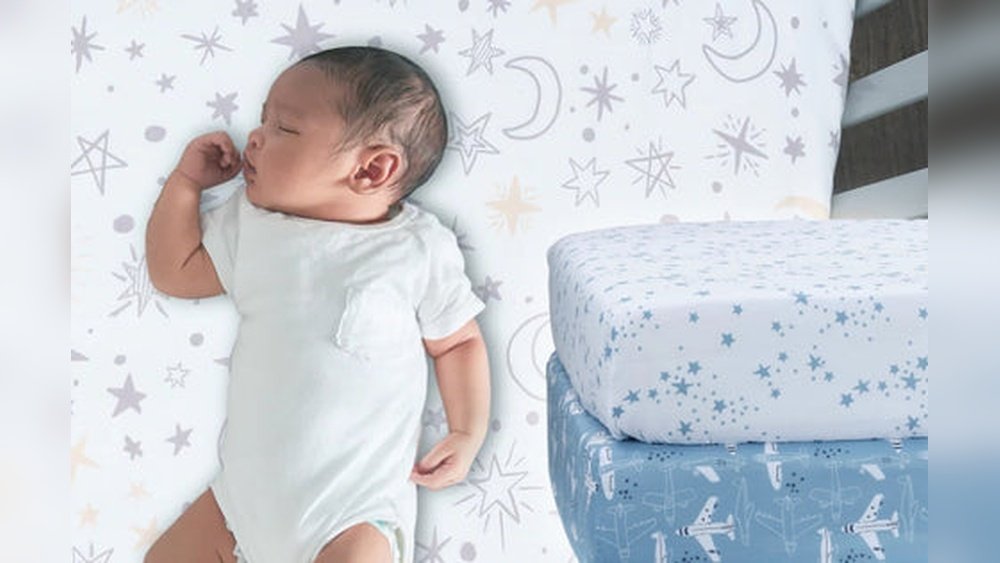
When it comes to your baby’s crib, every detail matters—especially the sheets they sleep on. You want to be sure the material is not only soft and comfortable but also safe for your little one’s delicate skin.
Choosing the right crib sheet can protect your baby from allergies, irritants, and even harmful chemicals. But with so many options out there, how do you know which material is truly the safest? Keep reading, because understanding this can make a big difference in your baby’s comfort and well-being.
Your peace of mind starts here.
Natural Fibers
Natural fibers are a top choice for crib sheets. They offer softness and breathability. These fibers reduce the risk of irritation. Babies feel comfortable and safe in natural materials. Let’s explore three popular natural fibers for crib sheets.
Cotton Benefits
Cotton is soft and gentle on baby’s skin. It allows air to pass through, keeping babies cool. Cotton is durable and can handle many washes. It resists dust mites and allergens well. These qualities make cotton a common crib sheet fabric.
Organic Cotton
Organic cotton is grown without harmful chemicals. It is safer for sensitive baby skin. This cotton reduces exposure to pesticides and toxins. Organic cotton sheets often feel softer than regular cotton. Parents choose organic cotton for a cleaner sleep environment.
Bamboo Fabric
Bamboo fabric is smooth and silky to touch. It naturally resists bacteria and mold. Bamboo keeps babies dry by absorbing moisture well. It is eco-friendly and grows fast without chemicals. Bamboo sheets offer a cool, comfortable sleep for babies.

Credit: www.amazon.com
Synthetic Materials
Synthetic materials are common choices for crib sheets. They offer durability and easy care. Many parents prefer them for their wrinkle resistance and quick drying. Safety is a key concern when choosing synthetic crib sheets. Not all synthetics are created equal. Understanding the safety of different synthetic fabrics helps make a better choice for your baby.
Polyester Safety
Polyester is one of the most popular synthetic fabrics. It is strong and resists shrinking. Polyester crib sheets dry quickly after washing. The fabric does not attract dust easily. This quality helps reduce allergens near your baby.
Some polyester fabrics can trap heat. This may make your baby uncomfortable. Choose polyester sheets that are lightweight and breathable. Check for certifications like OEKO-TEX. These labels ensure the fabric is free from harmful chemicals.
Blended Fabrics
Blended fabrics mix synthetic and natural fibers. Common blends include cotton and polyester. These sheets combine softness with strength. They often last longer than pure cotton sheets.
Blends can improve moisture control and breathability. This helps keep babies cool and dry. Look for blends with a higher natural fiber content. They feel softer and allow better air flow. Always verify the fabric’s safety standards before buying.
Hypoallergenic Options
Choosing the right crib sheet is important for your baby’s comfort and health. Hypoallergenic crib sheets help reduce the risk of allergies. These sheets are made from materials less likely to cause reactions. They create a safe and cozy sleeping space for your baby.
Allergy Concerns
Babies have delicate skin and sensitive airways. Dust mites, mold, and pet dander can trigger allergies. Certain fabrics trap allergens more easily. Synthetic materials may cause irritation or rashes. Hypoallergenic sheets minimize these risks by using gentle fabrics. They keep allergens away and reduce skin irritation. Choosing the right sheet lowers chances of allergic reactions.
Best Hypoallergenic Fabrics
Cotton is a top choice for hypoallergenic crib sheets. It is soft, breathable, and natural. Organic cotton has no harmful chemicals. Bamboo fabric is another good option. It is naturally antibacterial and moisture-wicking. Polyester blends can be hypoallergenic if tightly woven. Look for sheets labeled hypoallergenic or allergen-resistant. These fabrics protect your baby’s skin and breathing. They ensure a healthy, comfortable sleep environment.

Credit: www.milkandbaby.com
Chemical Treatments
Chemical treatments on crib sheets affect baby’s health. Many sheets get special sprays or coatings. These can protect against bugs or fire. But some chemicals may harm babies. Parents should know what is safe and what is not.
Pesticide Residues
Some crib sheets have pesticide residues. These come from growing cotton or other fibers. Pesticides kill bugs on plants but can stay on fabric. Babies sleep close to sheets and breathe near them. Pesticides can cause allergies or breathing problems. Organic sheets often avoid pesticides. Choosing organic reduces the risk of chemical exposure.
Flame Retardants
Flame retardants are chemicals to stop fires. Many crib sheets have these added by law. Some flame retardants can be toxic to babies. They may affect brain development and health. Look for sheets labeled “no flame retardants” or “natural.” Natural fibers like organic cotton usually do not need these chemicals. Safe sheets avoid harmful flame retardants to protect babies.
Breathability And Comfort
Breathability and comfort are key factors for choosing crib sheets. A baby’s skin is very delicate and sensitive. The right crib sheet lets air flow freely. This helps keep your baby cool and cozy. Soft, breathable fabric also prevents skin irritation. It creates a safe, comfortable sleeping space for your little one.
Temperature Regulation
Good crib sheets help keep your baby’s temperature steady. Natural fabrics like cotton and bamboo allow heat to escape. They stop your baby from getting too hot or too cold. These materials adjust to the room’s temperature. Your baby stays comfortable all night without sweating or shivering.
Moisture Wicking
Moisture-wicking fabrics pull sweat away from the skin. This keeps your baby dry and comfortable. Bamboo and cotton are excellent at absorbing moisture. They help stop dampness that can cause rashes or discomfort. Dry skin means better sleep and happier babies.

Credit: www.amazon.com
Durability And Maintenance
Durability and maintenance matter a lot when choosing crib sheets. Strong materials last longer and stay safe for babies. Easy-to-clean fabrics save time and effort for parents. Safe crib sheets should handle many washes without losing softness or shape.
Washing Tips
Wash crib sheets in cold water to keep colors bright. Use mild detergent to protect the fabric and baby’s skin. Avoid bleach; it can weaken fibers and cause allergies. Dry sheets on low heat or air dry to prevent shrinking. Regular washing removes dust, dirt, and germs, keeping sheets fresh.
Wear And Tear
Look for fabrics that resist pilling and tearing. Natural fibers like cotton or bamboo often last longer. Avoid thin materials that wear out quickly or lose softness. Check seams and edges for strong stitching to prevent fraying. Durable sheets save money and stay comfy for your baby.
Certifications To Look For
Choosing the safest material for crib sheets means checking for trusted certifications. These labels show the product meets strict safety and health standards. They help parents avoid harmful chemicals and allergens. Certified crib sheets offer peace of mind for your baby’s comfort and safety.
Gots
The Global Organic Textile Standard (GOTS) certifies organic fabrics. It ensures the material is free from toxic chemicals. GOTS also checks social and environmental criteria in production. Crib sheets with GOTS certification are made from organic cotton. This means no pesticides or harmful dyes touch your baby’s skin.
Oeko-tex
OEKO-TEX Standard 100 tests textiles for harmful substances. It guarantees the crib sheet is safe for babies. The certification covers everything from fabric to thread and buttons. OEKO-TEX helps parents avoid allergens and irritants. Choosing OEKO-TEX certified sheets means choosing safer sleep for your child.
Price Vs. Safety
Choosing crib sheets involves balancing price and safety. Parents want the best for their babies but often face tight budgets. Safe materials sometimes cost more, but cheaper options might lack important protections. Understanding this balance helps pick the right crib sheets.
Budget-friendly Choices
Some safe crib sheets come at lower prices. Look for organic cotton or bamboo blends. These materials are gentle and breathable. They reduce the risk of allergies and skin irritation. Many budget-friendly brands offer certifications like OEKO-TEX or GOTS. These labels ensure sheets are free from harmful chemicals. Always check product details before buying. Affordable does not mean unsafe. Careful shopping can find both safety and value.
Investing In Quality
Higher-priced crib sheets often provide extra safety features. They use pure organic fabrics with no dyes or toxins. These sheets last longer and withstand many washes. Investing in quality protects your baby’s health and comfort. Good crib sheets fit snugly, reducing suffocation risks. They offer peace of mind to parents. Spending more upfront can save money later. Durable sheets mean fewer replacements. Choose quality materials for safer sleep environments.
Frequently Asked Questions
What Materials Are Safest For Baby Crib Sheets?
Organic cotton and bamboo fabrics are safest for crib sheets. They are breathable, hypoallergenic, and free from harmful chemicals. These materials reduce the risk of allergies and skin irritation, ensuring a safe sleeping environment for babies.
Why Choose Organic Cotton For Crib Sheets?
Organic cotton is grown without pesticides or synthetic fertilizers. It is gentle on baby’s sensitive skin and environmentally friendly. Choosing organic cotton ensures fewer toxins and better comfort, promoting healthier sleep for your infant.
Are Bamboo Crib Sheets Safe For Newborns?
Yes, bamboo crib sheets are safe for newborns. Bamboo fabric is naturally antibacterial, moisture-wicking, and soft. Its hypoallergenic properties help prevent skin irritation and keep babies comfortable throughout the night.
How To Identify Non-toxic Crib Sheets?
Look for certifications like GOTS or OEKO-TEX Standard 100. These labels ensure sheets are free from harmful chemicals and safe for babies. Always check product descriptions and reviews for additional safety assurance.
Conclusion
Choosing the safest material for crib sheets helps protect your baby’s skin. Natural fabrics like cotton and bamboo breathe well and reduce allergies. These materials feel soft and keep your baby comfortable. Avoid harsh chemicals and synthetic fibers that may irritate delicate skin.
Always check for certifications to ensure safety and quality. Clean crib sheets often to keep germs away. Safe crib sheets support healthy sleep and peace of mind. Your baby deserves the gentlest, safest bedding possible.

Emma Grace is a devoted mother and passionate content writer at BestBabyCart.com. With firsthand parenting experience and a love for research, she creates helpful guides and honest reviews to support parents in choosing the best for their babies. Her goal is to make parenthood easier, one article at a time.