
When you’re preparing for your baby, saving money is important. Buying second hand can be a great way to do that.
But not everything used is safe or smart for your little one. You might think you’re getting a good deal, but some items could put your baby at risk or cause unexpected problems. Want to know which things you should avoid buying second hand?
Keep reading, because your baby’s safety and comfort depend on it. This guide will help you make the best choices for your family.
Credit: www.drvcares.com
Secondhand Baby Gear To Skip
Buying secondhand baby gear can save money and help the environment. Some items, though, are not safe to buy used. These products may have hidden damage or fail safety standards. Choosing the wrong gear can put your baby at risk. Here are important baby items to avoid buying secondhand.
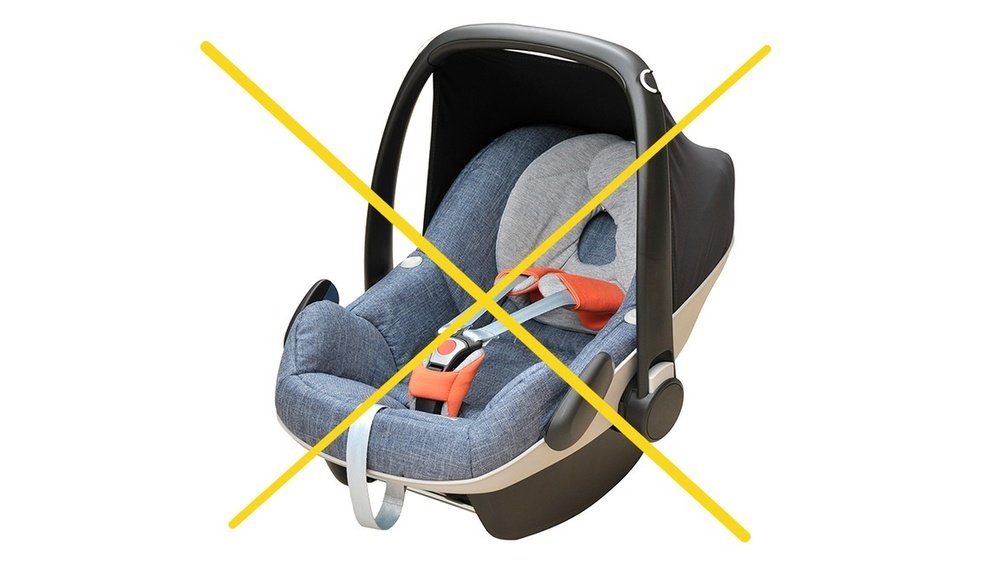
Car Seats With Unknown History
Car seats protect babies in crashes. Old seats may have hidden damage or expired parts. You cannot always know if a seat was in an accident. Recalls may not be fixed on used seats. Buy new car seats for the best safety.
Cribs And Bassinets With Recalls
Cribs and bassinets must meet strict safety rules. Used models may have recalls you don’t know about. Old cribs can have broken parts or loose screws. These issues create danger for babies. Choose new or certified safe cribs only.
Used Strollers With Wear And Tear
Strollers take a lot of use. Wheels, brakes, and folding parts wear out. Worn strollers can break or collapse. Used strollers may lack important safety features. Inspect carefully or prefer new strollers for peace of mind.
Old Baby Monitors And Electronics
Baby monitors and electronics can have outdated technology. Older models may lose connection or stop working suddenly. Batteries may not last long. Some old devices lack important safety features. New monitors offer better reliability and security.

Credit: www.babycenter.com
Avoid Used Baby Clothes That Pose Risks
Used baby clothes can save money and reduce waste. Yet, some second-hand clothes carry safety risks. These risks might harm your baby’s health or comfort. Choose carefully to keep your baby safe and happy.
Clothes With Stains Or Damage
Stains can hide germs and allergens. Damaged clothes may have sharp edges or rough spots. Avoid clothes with tears, holes, or discoloration. Clean and intact clothes are safer and more comfortable.
Items With Loose Buttons Or Threads
Loose buttons can fall off and cause choking. Threads that unravel may tangle or catch on objects. Check every button and thread before buying. Secure clothes reduce the risk of accidents.
Sleepwear Not Meeting Safety Standards
Sleepwear must be fire-resistant or snug-fitting. Loose or flammable sleepwear increases fire risk. Look for labels that confirm safety standards. Proper sleepwear protects your baby during sleep.
Toys And Accessories To Pass On
Buying secondhand baby items saves money and reduces waste. But not all toys and accessories are safe to buy used. Some can be dangerous for babies. It is important to know which items to avoid. This keeps your baby safe and healthy.
Focus on toys and accessories that might cause harm or carry germs. These items are better left new or avoided altogether. Your baby deserves the best care and safety.
Choking Hazards In Secondhand Toys
Small parts can break off from old toys. Babies love to put things in their mouths. Loose buttons, beads, or pieces can cause choking. Avoid toys that show wear and tear. Check for age-appropriate labels before buying.
Outdated Or Broken Toys
Toys with cracks or missing parts can hurt your baby. Old toys might not meet current safety rules. Plastic can become brittle and sharp over time. Avoid toys that look worn or damaged. Always choose items in good condition.
Pacifiers And Bottles Not Recommended
Used pacifiers and bottles can carry germs. These items touch your baby’s mouth and need to be clean. Old pacifiers lose shape and can harm your baby’s teeth. Bottles may have hidden cracks. Buy these new for hygiene and safety.
Credit: teis-ei.com
Health And Hygiene Concerns
Health and hygiene matter a lot for babies. Their immune systems are still growing. Germs and allergens can cause sickness or allergies. Choosing the right items helps keep babies safe and healthy. Some second-hand baby items may hide risks that are hard to see. It is best to avoid those items to protect your baby’s health.
Bedding And Blankets With Allergens
Used bedding and blankets can hold dust mites and allergens. These tiny pests trigger allergies and breathing problems. Washing often may not remove all allergens. Old fabrics may also carry mold or pet dander. New bedding is safer to keep your baby comfortable and healthy.
Used Feeding Equipment Risks
Second-hand bottles, nipples, and breast pumps can carry bacteria. Tiny cracks or scratches on these items can trap germs. They are hard to clean properly. Using new feeding equipment lowers the risk of infections. Always choose items designed for single use or easy cleaning.
Items That Are Difficult To Sanitize
Some baby gear has many small parts or porous surfaces. Toys with fabric, car seats, or soft carriers fall into this group. Dirt and germs hide in tight spaces and folds. Cleaning thoroughly is very difficult. Avoid buying these items second hand to keep your baby safe from germs.
How To Safely Buy Secondhand
Buying secondhand baby items can save money and reduce waste. It is important to be careful to keep your baby safe. Follow simple steps to make smart choices. These steps help avoid risks and ensure quality.
Check For Safety Recalls
Always check if the item has safety recalls. Recalls mean the product has a safety problem. Use official websites to find recall information. Avoid any product listed in a recall. This step protects your baby from harm.
Inspect Condition Thoroughly
Look closely at the item before buying. Check for broken parts or missing pieces. Test if it works correctly and safely. Cleanliness is important. Avoid items with stains or strong smells. This ensures the item is safe and healthy.
Verify Manufacturer Guidelines
Read the manufacturer’s instructions for the product. Check the age and weight limits. Confirm if the item fits current safety standards. Follow the guidelines for installation and use. This keeps the product safe for your baby.
Frequently Asked Questions
What Baby Items Should Never Be Bought Second Hand?
Never buy second hand car seats, cribs, and helmets. These items may have hidden damage or expired safety features. Using new ensures maximum safety and reliability for your baby.
Are Used Baby Clothes Safe To Buy?
Used baby clothes can be safe if thoroughly cleaned. Avoid items with stains, holes, or harsh chemicals. Always wash them before use to protect your baby’s sensitive skin.
Why Avoid Second Hand Mattresses For Babies?
Second hand mattresses can harbor allergens, dust mites, and bacteria. They may also lack proper firmness needed to prevent suffocation risks. Always choose a new, firm mattress for baby safety.
Can Buying Used Toys Be Harmful To Babies?
Used toys might contain broken parts or harmful bacteria. Check for recalls and ensure they are non-toxic and age-appropriate. Sanitizing second hand toys before use is essential.
Conclusion
Choosing what not to buy second hand keeps your baby safe. Some items wear out or carry germs you cannot see. Car seats, cribs, and helmets often hide damage. Avoid these to protect your child’s health and safety. Save money on toys or clothes instead.
Always check for recalls or broken parts before buying anything used. Trust your instincts and pick wisely for your baby’s best start. Safety matters most when shopping second hand for babies.

Emma Grace is a devoted mother and passionate content writer at BestBabyCart.com. With firsthand parenting experience and a love for research, she creates helpful guides and honest reviews to support parents in choosing the best for their babies. Her goal is to make parenthood easier, one article at a time.