
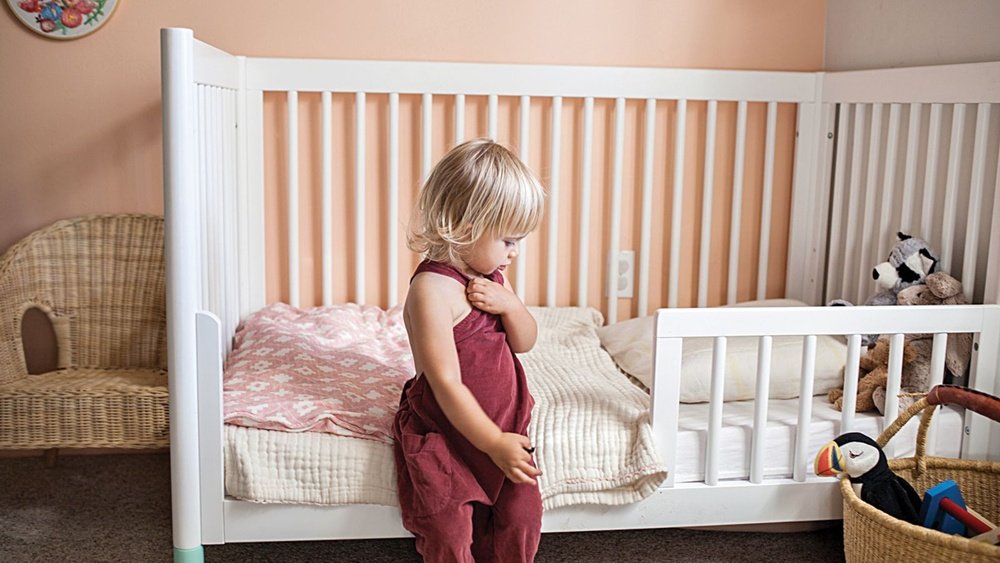
Have you ever wondered why you shouldn’t put a pillow in your baby’s crib? It might seem like a small, cozy addition, but it can actually be risky for your little one’s safety.
If you want to protect your baby while helping them sleep comfortably, understanding this simple rule is crucial. Keep reading to discover the important reasons behind this advice and how you can create the safest sleep space for your child.
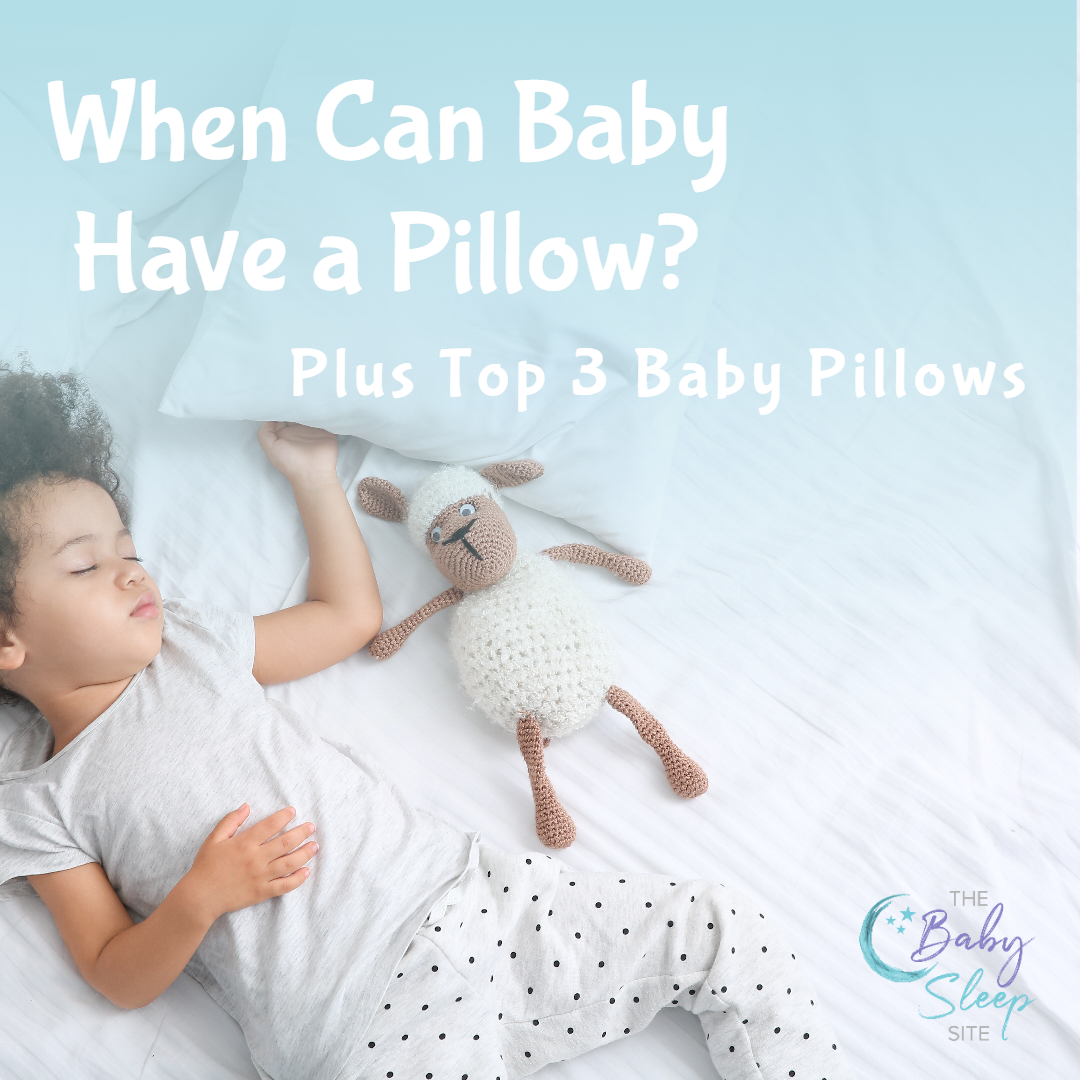
Credit: www.babysleepsite.com
Risks Of Pillows In Cribs
Pillows in cribs can bring many risks to babies. Their soft and fluffy nature may seem harmless. Yet, they create unsafe sleep spaces for infants. Parents often do not realize these dangers. Understanding these risks helps protect little ones during sleep.
Babies cannot move their heads well. A pillow can block their breathing or trap heat. This makes the crib a dangerous place. Knowing the risks of pillows in cribs is key for safe sleep.
Suffocation Hazards
Pillows can cover a baby’s nose and mouth. Babies may not wake up if they cannot breathe. The soft surface of a pillow can trap air. Babies can suffocate quickly without help. Cribs should be free of soft bedding to avoid this risk.
Sudden Infant Death Syndrome (sids) Link
Studies show a link between pillows and SIDS. SIDS is the sudden, unexplained death of a baby. Pillows increase the chance of unsafe sleep positions. Babies may roll into pillows and face down. This raises the risk of SIDS greatly.
Choking And Strangulation Dangers
Pillows often have loose covers or filling. Babies can pull out stuffing and choke on it. Strings or decorations on pillows can wrap around a baby’s neck. This can cause strangulation. Avoiding pillows eliminates these choking and strangulation dangers.
Safe Sleep Recommendations
Safe sleep is very important for babies. It helps reduce the risk of sudden infant death syndrome (SIDS). Parents must follow clear rules to create a safe sleep space. These rules guide the choice of sleep surfaces and bedding. They explain why pillows do not belong in cribs.
These safety tips come from experts and health organizations. They focus on making the baby’s crib as safe as possible. Babies need a firm, flat surface without soft items. This keeps their breathing clear and their body supported.
Ideal Sleep Environment For Babies
Babies should sleep in a quiet and calm room. The temperature should be cool but not cold. Overheating can cause health problems. The room should have good airflow. Bright lights and loud sounds can disturb sleep.
Approved Sleep Surfaces
Only use a firm crib mattress covered with a fitted sheet. The mattress should fit snugly in the crib. Avoid soft mattresses, sofas, or armchairs. These surfaces can cause suffocation or trapping of air. The baby must always lie on their back to sleep.
Appropriate Bedding Choices
Use a thin, fitted sheet made for the mattress. Avoid pillows, blankets, quilts, and stuffed animals. These items can block the baby’s nose and mouth. Sleep sacks or wearable blankets are better options. They keep the baby warm without extra bedding.
Common Misconceptions
Many parents wonder why pillows are not allowed in cribs. Misunderstandings about baby safety cause confusion. Some common ideas about pillows in cribs are not true. These myths can lead to unsafe sleeping environments. Clearing up these misconceptions helps keep babies safe and comfortable.
Understanding the facts about pillows and baby sleep can protect infants from risks. Let’s explore some common beliefs and the truth behind them.
Pillows For Comfort
Some parents think pillows make babies more comfortable. Soft pillows seem cozy and warm. But babies do not need pillows for comfort. Their necks are delicate and need support from a flat surface. Pillows can cause suffocation or sudden infant death syndrome (SIDS). A firm, flat crib mattress is safest for baby sleep.
Using Pillows To Prevent Rolling
Parents often place pillows to stop babies from rolling over. They believe this keeps babies in a safe position. Pillows or cushions can trap babies or block breathing. Babies learn to roll naturally as they grow. It is better to allow safe movement. Use a crib with proper safety standards instead of pillows.
Myths About Baby Sleep Positions
Some say pillows help keep babies in a certain sleep position. Many think side sleeping reduces choking risks. Experts recommend placing babies on their backs to sleep. Pillows do not make this safer. They may cause babies to roll onto their stomachs or faces. Safe sleep means no loose bedding or soft objects, including pillows.

Credit: www.checkupnewsroom.com
Alternatives To Pillows
Many parents wonder how to make their baby’s crib cozy without using pillows. Pillows can be unsafe for infants. Thankfully, there are safe and comfortable alternatives. These options help keep your baby secure and comfortable during sleep.
Swaddling Techniques
Swaddling wraps your baby snugly in a soft blanket. It mimics the feeling of the womb. This can calm your baby and improve sleep. Use lightweight, breathable fabric for swaddling. Make sure the swaddle is snug but not too tight. Always leave room for hip movement to prevent discomfort.
Sleep Sacks And Wearable Blankets
Sleep sacks are wearable blankets that keep babies warm safely. They replace loose blankets that could cover a baby’s face. Sleep sacks come in different sizes and materials. Choose one based on your baby’s age and the room temperature. They allow free arm movement while keeping the baby cozy.
Crib Positioning Tips
Position your baby’s crib away from windows and cords. This avoids drafts and hazards. Keep the crib mattress flat and firm to support safe sleep. Use a fitted crib sheet made of soft material. Remove any toys, bumpers, or blankets to keep the space safe.
Guidelines From Health Authorities
Health authorities provide clear rules about crib safety. These rules help keep babies safe during sleep. One important guideline is about not putting pillows in cribs. Pillows can cause serious risks for infants. Understanding these guidelines helps parents make safe choices.
Recommendations From Pediatricians
Pediatricians strongly advise against using pillows in cribs. Pillows increase the risk of suffocation and sudden infant death syndrome (SIDS). Babies cannot move pillows away from their faces. Doctors suggest using only a firm mattress and a fitted sheet. This creates a safe sleep space for infants.
Advice From Safety Organizations
Safety groups like the American Academy of Pediatrics (AAP) also warn against pillows. They recommend keeping the crib empty except for the baby. Soft objects like pillows and stuffed toys can block airways. Safety organizations promote a clear crib to reduce hazards. These rules are based on research and real cases.
International Safety Standards
Worldwide, safety standards forbid pillows in cribs for babies under one year. Countries follow guidelines from the World Health Organization and others. These standards aim to lower infant sleep accidents globally. Parents and caregivers should follow these rules for every baby. Compliance with standards protects babies during sleep.

Credit: www.todaysparent.com
Frequently Asked Questions
Why Is A Pillow Unsafe In A Crib?
Pillows pose a suffocation risk for babies. They can block airways and cause overheating. Crib safety guidelines recommend avoiding pillows to prevent Sudden Infant Death Syndrome (SIDS).
At What Age Can A Baby Use A Pillow?
Babies can safely use pillows after 18 months. By this age, they can move independently and reduce suffocation risk. Always choose firm, small pillows designed for toddlers.
Can Pillows Cause Sudden Infant Death Syndrome (sids)?
Yes, pillows increase SIDS risk by obstructing breathing. Soft bedding items like pillows create unsafe sleeping environments. Experts advise a firm mattress and no soft objects in the crib.
What Alternatives Are Safe Instead Of A Pillow In A Crib?
Use a firm, flat mattress without soft bedding. Dress the baby in appropriate sleepwear for comfort. Swaddling or sleep sacks are safer options than pillows.
Conclusion
Keeping pillows out of cribs helps protect your baby’s safety. Soft items can block breathing and cause accidents. Babies sleep best on firm, flat surfaces without extra bedding. This simple rule lowers risks and gives parents peace of mind. Always follow safe sleep guidelines to create a secure space.
Remember, a clear crib supports healthy, comfortable sleep for your little one. Safety first—no pillows allowed in the crib.

Emma Grace is a devoted mother and passionate content writer at BestBabyCart.com. With firsthand parenting experience and a love for research, she creates helpful guides and honest reviews to support parents in choosing the best for their babies. Her goal is to make parenthood easier, one article at a time.