
If you’re a parent, nothing matters more than your baby’s safety. But did you know that using a crib made before 1988 could put your little one at serious risk?
It’s a fact many don’t realize, yet it could make all the difference in keeping your child safe while they sleep. You’ll discover why those old cribs are dangerous and what you can do to protect your baby. Keep reading—your child’s safety depends on it.
Credit: www.simplynursery.com
Crib Safety Standards Before 1988
Cribs made before 1988 do not meet modern safety rules. These older cribs often have risks that can harm babies. Understanding the crib safety standards before 1988 helps parents protect their children better.
Materials And Construction Issues
Older cribs used materials that may be unsafe today. Paints with lead were common before strict rules. Lead paint can poison babies if they chew crib rails. The wood and joints in old cribs may weaken over time. Loose or broken parts can trap or hurt a baby. These construction flaws increase the chance of accidents.
Lack Of Safety Features
Cribs made before 1988 miss many safety features now required. Slats were often too far apart, which can trap a baby’s head. Drop-side rails were common, but they can fall suddenly. This failure causes serious injuries or even death. Modern cribs have fixed sides and narrow slats to keep babies safe. Older cribs do not have these life-saving improvements.
Common Hazards In Older Cribs
Older cribs often have hidden dangers that can harm babies. These hazards come from outdated materials and unsafe designs. Understanding these risks helps parents keep their children safe.
Lead Paint Risks
Many cribs made before 1988 used lead-based paint. Lead is toxic and can cause serious health problems. Babies often chew on crib rails. This can lead to lead poisoning. Symptoms include stomach pain, learning problems, and behavior changes. Paint on old cribs may chip or peel, increasing the risk.
Drop-side Rail Dangers
Drop-side rails were common in older cribs. They move up and down to make it easier to place babies inside. But these rails can break or detach. This creates a gap where babies can get trapped or fall. Such accidents have led to many injuries and deaths. Drop-side cribs are banned today for safety reasons.
Spacing Between Slats
Older cribs often have wide gaps between slats. Large spaces can trap a baby’s head or limbs. This raises the risk of suffocation or injury. Modern cribs have strict rules for slat spacing. These rules prevent babies from slipping through or getting stuck. Checking slat distance is crucial when considering an old crib.
Changes Introduced After 1988
Cribs made before 1988 often lack important safety features. Changes introduced after 1988 made cribs much safer for babies. These updates reduced risks of injury and accidents.
Updated Federal Regulations
The government set new rules for crib safety in 1988. These regulations require stronger materials and safer construction. They limit gaps between crib slats to stop babies from getting stuck. The rules also ban toxic paints and finishes. These regulations help prevent suffocation and falls.
Improved Design Requirements
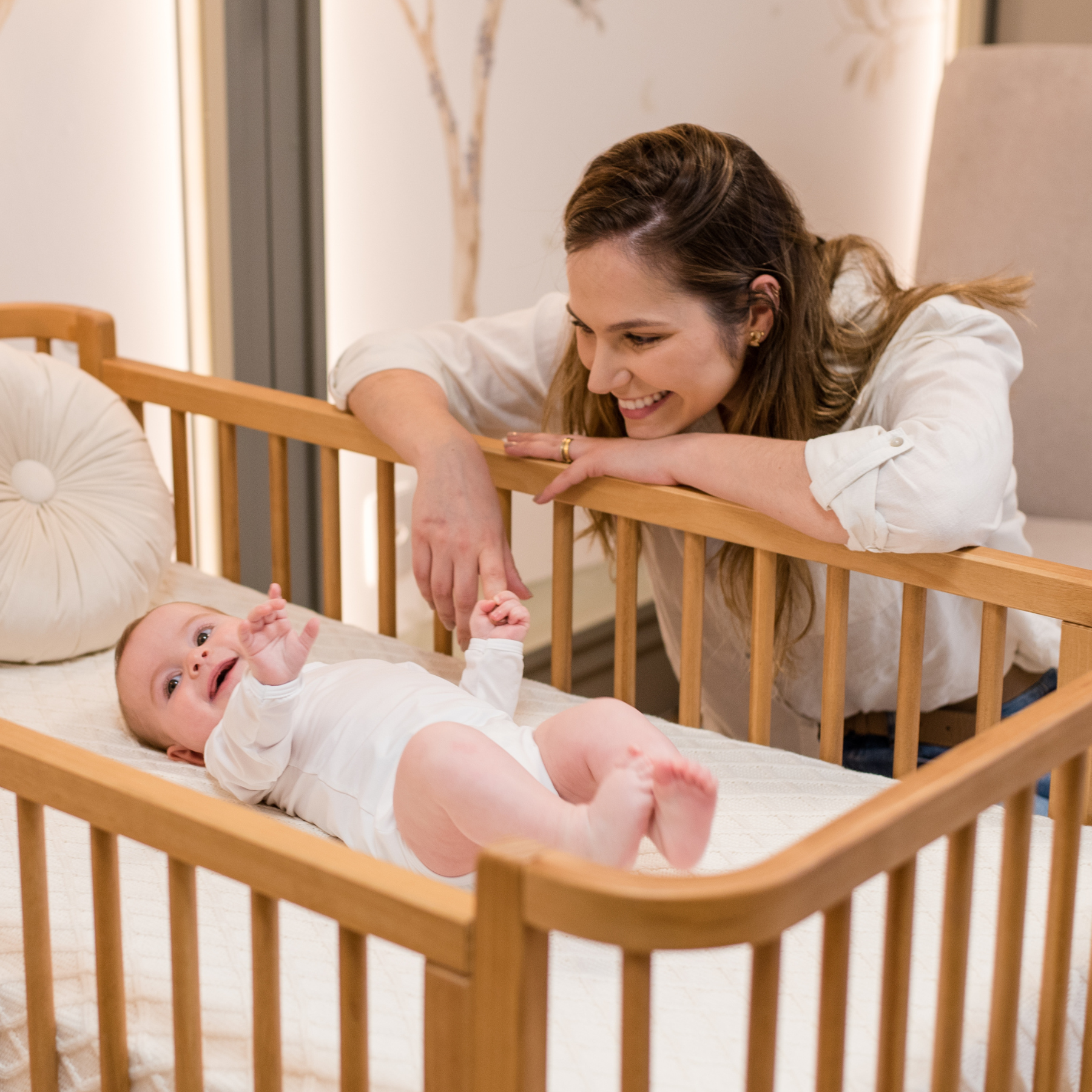
New design rules focus on baby safety in every detail. Cribs must have fixed sides, not drop-down sides. This reduces the chance of collapse or trapping babies. Mattress supports became more secure to prevent falls. Cribs must pass strict tests for durability and safety. These improvements make cribs safer places for babies to sleep.

Credit: www.amazon.com
Potential Consequences For Babies
Using a crib made before 1988 can put babies at serious risk. These older cribs do not meet today’s safety standards. Babies can face many dangers that modern cribs prevent. Understanding these risks helps parents protect their children.
Injury Risks
Old cribs often have weak or broken parts. Slats can come loose or break, causing cuts or bruises. Paint used in older cribs may contain lead. This is harmful if babies chew on the crib. The structure may collapse, trapping the baby inside.
Suffocation And Entrapment
Older cribs may have wide gaps between slats. Babies can get their heads or limbs stuck. This leads to suffocation or serious injury. Some old cribs have drop sides that can fall suddenly. This traps the baby against the mattress or crib sides.
Falls And Strangulation
Cribs made before 1988 may be too low or unstable. Babies can climb out and fall, causing injuries. Loose or missing hardware can create loops or gaps. These gaps may catch a baby’s clothing or cords. Strangulation risk increases with these hazards.
Safer Alternatives To Pre-1988 Cribs
Choosing a safe crib is key to protecting your baby. Cribs made before 1988 often lack modern safety features. Safer alternatives exist to keep your child secure during sleep. These options meet current safety rules and reduce risks of accidents.
Certified Modern Cribs
Certified modern cribs follow strict safety standards. They have proper slat spacing to prevent baby’s head from getting stuck. The paint used is non-toxic and free from lead. These cribs have sturdy construction to avoid collapses. Many models include adjustable mattress heights for safety. Certified cribs pass tests for stability and durability. Choosing one means trusting that your baby sleeps safely.
Secondhand Crib Precautions
Secondhand cribs can be safe if checked carefully. Avoid cribs made before 1988, as they may not meet safety codes. Look for recalls on the model before buying. Check for broken parts, loose screws, or splinters. Remove drop-side rails, as they are dangerous and banned. Clean the crib thoroughly to remove dirt and allergens. Replace old mattresses with firm, well-fitting ones. Taking these steps helps reduce risks when using secondhand cribs.

Credit: www.albeebaby.com
Tips For Choosing A Safe Crib
Choosing a safe crib is very important for your baby’s health and safety. A crib made before 1988 may not meet today’s safety rules. This section shares easy tips to help parents pick the safest crib. Follow these steps to avoid risks and protect your child.
Checking For Recalls
Start by checking if the crib has been recalled. Many old cribs have safety problems. Visit official recall websites to find recall information. Avoid cribs with any recall alerts. This helps keep your baby safe from known dangers.
Inspecting Structural Integrity
Look closely at the crib’s structure. Make sure there are no loose or broken parts. Check for sharp edges or splinters that can hurt your baby. The crib should feel sturdy and strong. A weak crib can collapse or cause accidents.
Verifying Compliance With Current Standards
Confirm the crib meets today’s safety standards. Cribs made after 1988 follow stricter rules. These rules cover slat spacing, mattress fit, and drop-side rails. Look for labels or certifications showing the crib passed these tests. This ensures your baby sleeps safely every night.
Frequently Asked Questions
Why Avoid Cribs Made Before 1988 For Babies?
Cribs made before 1988 often lack modern safety standards. They may have lead paint or wide slats. These hazards increase injury risks, making them unsafe for infants. Parents should always choose cribs meeting current safety regulations to protect their babies.
What Safety Risks Do Old Cribs Pose?
Old cribs can have toxic paint, loose hardware, and large gaps. These issues increase choking, strangulation, and poisoning dangers. Updated crib standards prevent such hazards. Using outdated cribs puts babies at serious risk of injury or death.
How Did Crib Safety Change After 1988?
In 1988, new federal crib safety standards began. These rules limited slat width and banned toxic paint. Cribs must now pass strict testing for sturdiness and design. This ensures safer sleep environments for infants and reduces injury risks.
Are Vintage Cribs Compliant With Current Safety Laws?
Most vintage cribs do not meet today’s safety standards. They often have features now banned for infant safety. Using them can violate safety laws and increase hazards. Parents should avoid vintage cribs for their child’s wellbeing.
Conclusion
Old cribs made before 1988 may have safety risks. They often lack modern features that protect babies. Paint and materials used back then can be harmful. Using such cribs can lead to accidents or injuries. Parents should choose cribs that meet current safety rules.
This helps keep babies safe and comfortable. Always check for recalls and safety certifications. Safe sleep environments matter most for your child’s health. Choose wisely to protect your little one every night.

Sophia Linda, a proud mother of three and founder of BestBabyCart, combines real parenting experience with expert knowledge of baby products. She understands the joys and challenges of raising little ones and is dedicated to guiding parents with trusted tips, honest reviews, and practical advice to make every stage of parenthood easier and more joyful.