
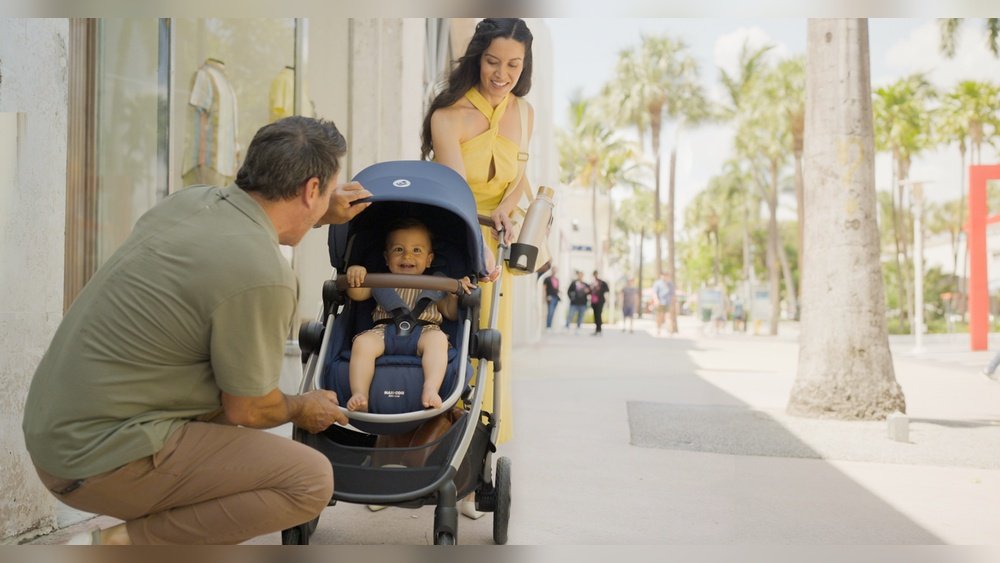
As one of the most used and highest-investment pieces of baby gear you’ll buy, a stroller typically serves your family for 3–7 years with proper care. But there’s no one-size-fits-all timeline for replacement: a stroller that’s perfectly safe for one family may be a hazard for another, depending on usage, maintenance, and changing safety standards. If you’re wondering how often should I replace my stroller?, the answer depends less on a fixed calendar date and more on concrete safety and functionality signs. Below, we break down average lifespans by stroller type, non-negotiable red flags that require immediate replacement, and expert tips to extend your stroller’s usable life so you can get the most value out of your purchase.
What’s the Average Stroller Lifespan by Type?
Stroller lifespan varies drastically based on design, build quality, and how frequently you use it. Below are typical ranges for the most common stroller types, based on 2026 consumer data and manufacturer guidance:
Standard Everyday Strollers
Built for daily errands and paved sidewalk walks, standard strollers last 4–6 years with regular use. Light users who only take their stroller on occasional trips can expect 6–7 years of use with proper care, as these models have moderate-duty frames and wheels designed for low-impact use. Typical wear timelines shift lower if you regularly navigate rough terrain or overload the stroller beyond its weight limit. You can also read our guide on stroller safety checklist.
Jogging and All-Terrain Strollers
These heavy-duty models last 3–5 years even with diligent maintenance, as their reinforced frames, air-filled tires, and suspension systems face extra stress from running, hiking, and uneven surfaces. Frequent use on gravel or hiking trails can shorten lifespan to 2–3 years if tires and suspension aren’t serviced regularly.
Travel Systems
Travel systems, which pair a stroller frame with an infant car seat, last 3–5 years, limited almost entirely by the car seat’s expiration date (most infant car seats expire 6 years from manufacture, per car seat compliance rules). The stroller frame itself may remain fully functional long after the car seat is no longer safe to use, so many parents opt to replace only the car seat component rather than the full system if the stroller base is in good shape. You can also read our guide on why cant a crib be under a window.
Umbrella Strollers
Ultra-lightweight umbrella strollers last 2–4 years, as their foldable, minimal frames are more prone to warping and part wear. These are designed for occasional travel and quick trips, not daily heavy use, so frequent use will significantly shorten their usable life.
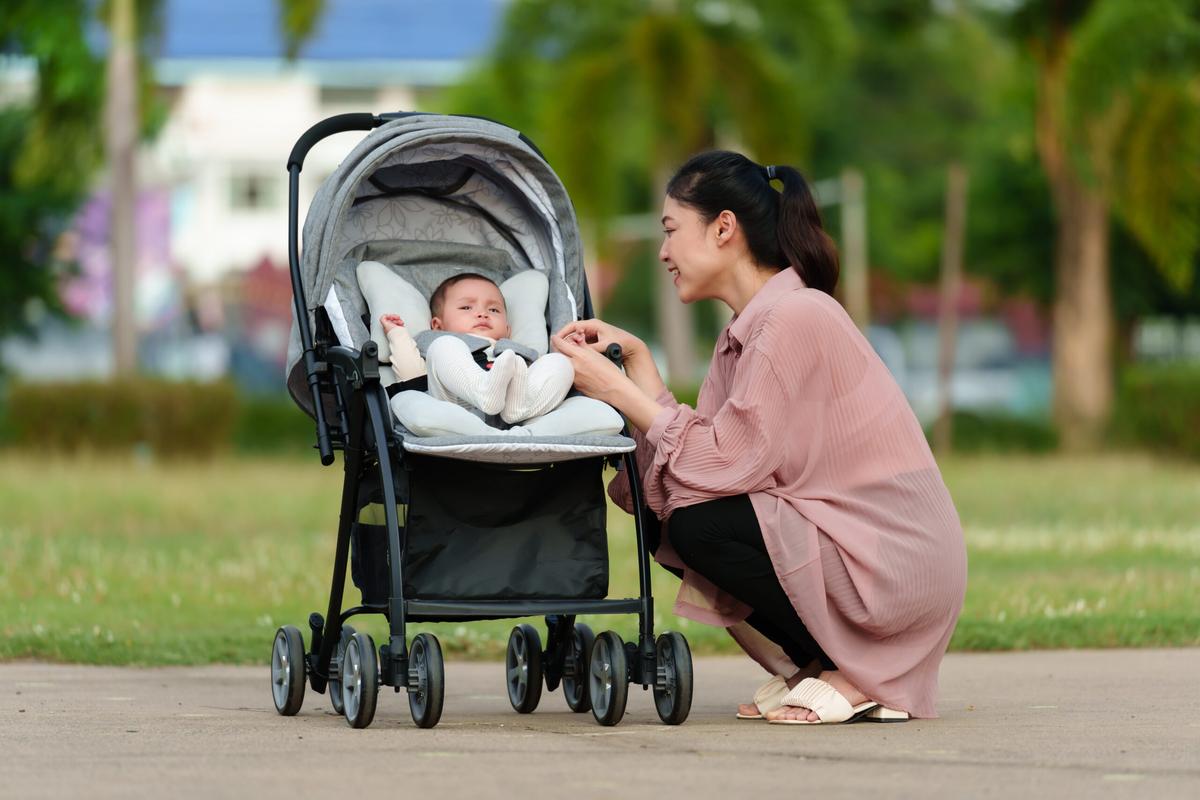 A well-maintained stroller can last 3–7 years with proper care, depending on type and usage frequency.
8 Non-Negotiable Signs It’s Time to Replace Your Stroller
Minor wear and tear is normal for any frequently used baby gear, but the following signs indicate your stroller is no longer safe to use, even if it looks functional at a glance:
- Critical safety component failure: This is the only non-negotiable replacement trigger. If your stroller’s brakes no longer hold it in place on a mild incline, the 5-point harness buckle no longer latches securely, or the frame has visible cracks, bends, or micro-fractures, replace it immediately. Even if the part looks repairable, load-bearing components can fail under stress if their structural integrity is compromised. A common mistake parents make is assuming a stroller is safe as long as it looks intact, but degraded plastic or webbing can snap without warning.
- Irreparable wear to core parts: Frayed harness webbing that exposes the inner core, wheels with permanent flat spots even after reinflation, rust that has eaten through metal frame joints, or torn fabric that can’t be replaced with official parts all signal the end of the stroller’s usable life. Minor surface fraying on non-load-bearing fabric is normal, but damage to structural parts is not.
- Failure to meet current safety standards: The U.S. Consumer Product Safety Commission updated national stroller safety standards in 2024 to include stricter requirements for brake force, harness strength, and tip-over resistance. Strollers manufactured before 2018 may not meet these updated requirements, even if they appear fully functional. Check the U.S. Consumer Product Safety Commission recall database monthly for any reported hazards with your stroller’s make and model.
- No longer fits your child’s size or weight: Every stroller has a listed maximum weight and height limit, usually printed on the frame or in the user manual. If your child has outgrown these limits, the stroller can no longer safely support their weight, and the harness may not fit properly to keep them secure. Attempting to use a stroller beyond its limits increases the risk of tip-overs and part failure.
- Persistent mechanical failure even after repairs: If the folding mechanism sticks so hard you have to force it, wheels wobble no matter how many times you tighten the axles, or the stroller won’t lock into place when unfolded, repeated repairs are a sign the frame is warped or parts are worn beyond repair. Forcing a malfunctioning stroller to work can cause sudden failure during use.
- Unresolved manufacturer recall: If your stroller is subject to a recall and the manufacturer cannot or will not provide a free repair or replacement, you must stop using it immediately. Recalls are issued for identified safety hazards that cannot be fixed with at-home repairs.
- Mold, rot, or structural damage from water exposure: If the stroller frame has warped from being left in the rain, or fabric and foam parts have mold that cannot be fully removed, the structural integrity of the stroller is compromised. Mold can also trigger allergic reactions in babies with sensitive respiratory systems.
- Missing irreplaceable parts: If a critical part like a brake lever, harness buckle, or frame lock breaks and is no longer available from the manufacturer or third-party retailers, the stroller can’t be used safely. Some older stroller models have discontinued parts that are impossible to find after 5+ years on the market.
Key Factors That Shorten or Extend Your Stroller’s Life
Your daily habits have a far bigger impact on stroller lifespan than the model’s listed average range. These are the most impactful variables:
Usage Frequency and Terrain
A stroller used daily for walks and errands will wear out far faster than one used only for occasional travel, even with identical maintenance. Strollers used primarily on rough gravel, hiking trails, or uneven sidewalks put extra stress on wheels, suspension, and frame joints, accelerating wear on these components. If you regularly navigate uneven surfaces, opt for an all-terrain stroller pick built to handle that stress for longer. You can also read our guide on black friday stroller deals.
Storage Conditions
Storing your stroller in a hot car trunk, damp basement, or direct sunlight for extended periods will degrade plastic, fabric, and metal parts far faster than climate-controlled indoor storage. Prolonged sun exposure fades and weakens fabric, while moisture causes rust and mold growth on metal parts. If you’re unsure how to store your stroller without damaging the frame, review correct folding steps for your model to avoid warping the frame during storage. To avoid heat damage to fabric and plastic parts during summer months, follow heat damage prevention tips for parking and storage.
Maintenance Habits
Parents who perform basic maintenance after every use—wiping down the frame and wheels to remove dirt and corrosive salts, tightening loose bolts, and checking brakes and harnesses—can extend their stroller’s lifespan by 1–2 years compared to those who skip regular checks. Neglecting small issues like loose screws or minor tire wear will lead to larger, more expensive failures later.
Safety Updates That May Require an Early Upgrade
Even if your stroller appears to be in perfect working condition, changes to safety standards or new safety features may make an upgrade worth the investment for your family’s peace of mind:
- Outdated safety standards: As mentioned earlier, strollers made before 2018 may not meet 2024 CPSC requirements for brake performance and tip-over resistance. If you have an older model, test the brakes on a steep incline to confirm they hold the stroller in place with your child’s weight inside; if they fail, replace the stroller immediately.
- New safety features: Modern strollers often include features that reduce injury risk, such as adjustable handlebars that fit parents of different heights (reducing back strain and loss of control), improved suspension that reduces jostling for infants with fragile neck muscles, and reflective materials for low-light visibility. If your current stroller lacks these features and you frequently walk in low light or on rough terrain, an upgrade may be worth the cost for added safety.
- Recalled parts with no fix: Some stroller recalls involve defects that cannot be repaired, requiring full replacement of the unit. Never attempt to DIY-fix a recalled stroller, as this can create additional safety hazards. Look for a Juvenile Products Manufacturers Association (JPMA) certification seal on new strollers, which verifies the stroller meets all current ASTM safety standards, per JPMA's baby product safety guidelines.
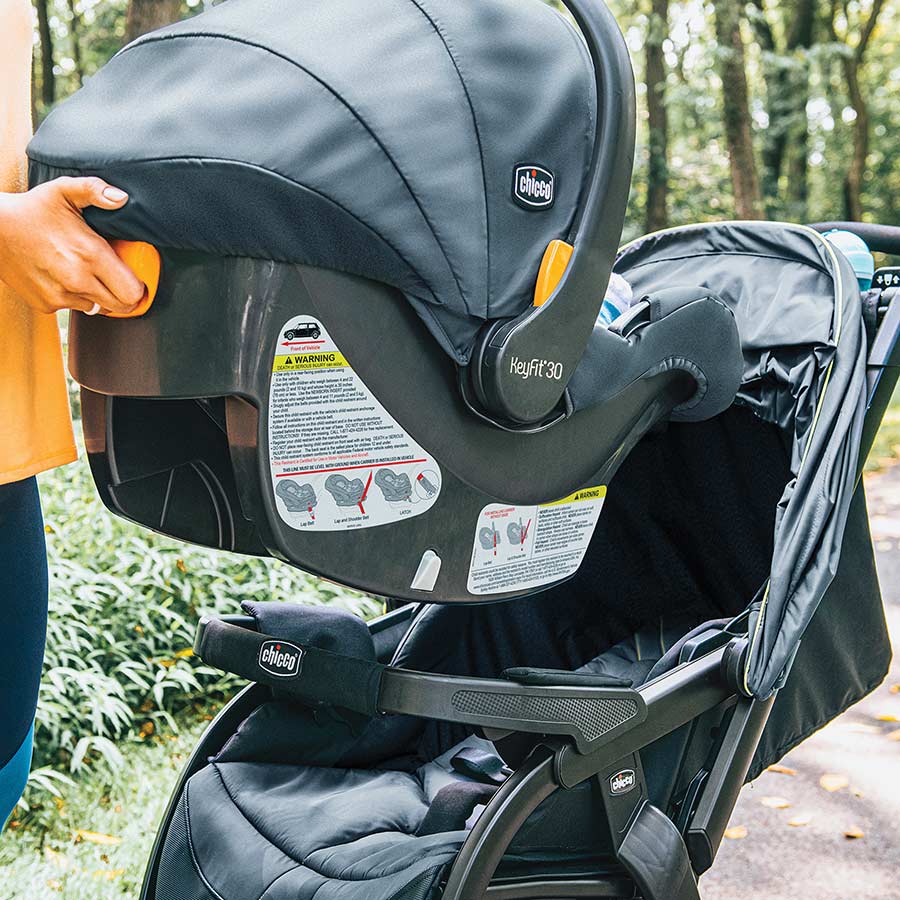 Safety-critical components like brakes and harnesses should be inspected for damage before every use.
Expert Tips to Extend Your Stroller’s Usable Life
If your stroller is still in good shape, these small, low-effort habits can add 1–2 years to its lifespan and keep your child safer during use:
- Perform a 2-minute pre-use safety check every time you use the stroller: test the brakes, confirm the harness buckles securely, check that wheels roll smoothly, and ensure the frame locks into place when unfolded.
- Clean the stroller after every use: wipe down the frame and wheels with mild soap and water to remove dirt, sand, and road salts that can corrode metal parts and wear down wheel bearings. Avoid harsh chemicals like bleach, which can degrade fabric and plastic.
- Lubricate the folding mechanism quarterly with silicone spray (never use WD-40, which degrades plastic and rubber parts over time) to prevent sticking and warping.
- Store the stroller in a dry, shaded area away from extreme temperatures. Avoid leaving it in a hot car trunk for extended periods, as heat can warp plastic frames and weaken fabric.
- Use only official manufacturer replacement parts for repairs. Third-party parts may not meet safety standards and can cause unexpected failure.
- Never exceed the stroller’s listed weight capacity, which strains the frame, wheels, and harness, leading to premature wear and increased risk of failure.
How to Choose a Replacement Stroller That Lasts
When it’s time to replace your stroller, prioritize long-term value and safety over trendy features or low upfront cost to avoid another early replacement:
- Match the stroller type to your lifestyle: If you frequently hike, navigate gravel paths, or jog, opt for a jogging/all-terrain stroller with air-filled tires and reinforced suspension. For city use with occasional travel, a lightweight umbrella or compact stroller may be a better fit. For growing families, a convertible stroller that can be used from infancy through toddlerhood offers the best long-term value.
- Prioritize safety certifications: Look for a JPMA certification seal, which verifies the stroller meets all current ASTM safety standards. Avoid used strollers that are more than 3 years old, as they may not meet current safety requirements.
- Check weight and height limits: Choose a stroller with a maximum weight limit of at least 50 lbs to accommodate your child through age 3–4, and an adjustable harness that fits both infants and toddlers.
- Consider resale value: High-quality strollers from reputable brands hold their value well, so you can recoup 30–50% of the cost if you sell it after your child outgrows it, making them a better long-term investment than cheap, low-quality models.
- Read real-user reviews: Look for reviews from parents who use the stroller in conditions similar to yours, e.g., if you live in a rainy city, look for feedback about water resistance and rust resistance.
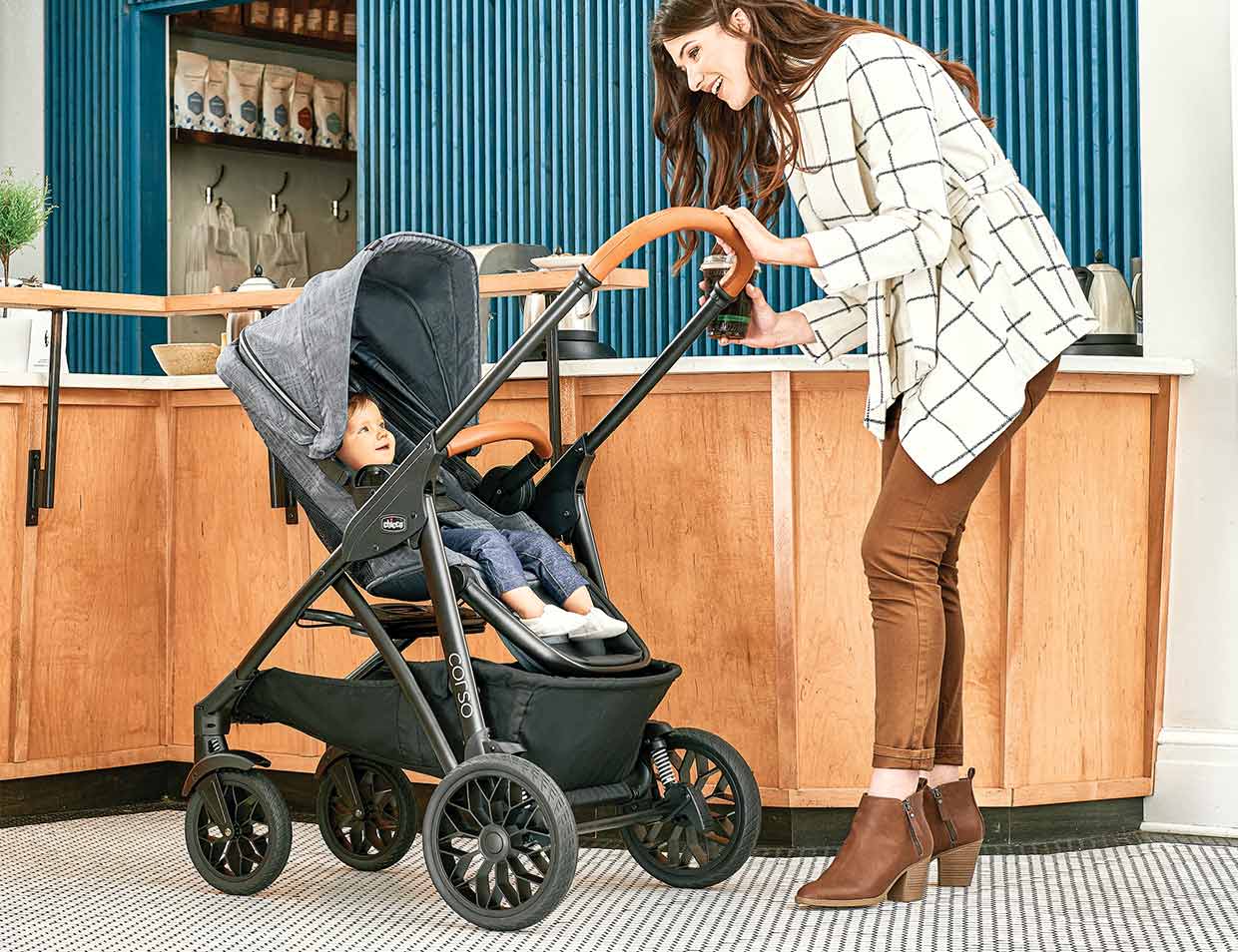 Proper folding and storage prevent frame warping and premature part wear.
Frequently Asked Questions
How long does a stroller usually last?
Most strollers last 3–7 years with proper care, depending on type and usage frequency. Umbrella strollers fall on the lower end (2–4 years) for occasional use, while high-quality standard and jogging strollers can last 6–7 years for light users who follow maintenance best practices.
When should I replace my stroller for safety reasons?
Replace your stroller immediately if it has failed brakes, a broken or non-latching harness, visible frame cracks or bends, or is subject to an unresolved recall. You should also replace it if it was manufactured before 2018 and fails to meet 2024 CPSC safety standards for brake force and tip-over resistance.
Can I use a stroller for multiple children?
Yes, as long as the stroller is in good working condition, passes all safety checks, and meets current safety standards. Many parents use a single high-quality stroller for 2–3 children over 5–7 years, as long as it is properly maintained and not subjected to excessive wear.
Is it worth repairing a stroller, or should I just replace it?
Repairs are worth it for minor, non-safety issues like replacing a flat tire, fixing a broken wheel bearing, or reupholstering a torn canopy if official parts are available. However, repairs are not worth it for safety-critical components like brakes, harnesses, or the frame, as these parts are load-bearing and failure can cause serious injury.
Can I sell a recalled stroller?
No, it is illegal to sell or donate a recalled stroller, as it has a known safety hazard. Contact the manufacturer for instructions on how to properly dispose of the recalled unit, as many offer free recycling programs for recalled products.
How do I know if my stroller is outdated?
Your stroller is outdated if it lacks modern safety features like a 5-point harness, reliable brake system, or tip-over resistance, was manufactured before 2018, or fails to meet current ASTM F2194 safety standards. You can also check the CPSC website for any recalls or safety notices related to your stroller’s make and model.
Conclusion
There is no fixed calendar timeline for replacing your stroller: its usable life depends on its type, how often you use it, how well you maintain it, and whether it meets current safety standards. The top priority is always your child’s safety: if any critical component is damaged, the stroller fails a safety check, or it does not meet 2024 CPSC requirements, replace it immediately, even if it appears to be in good shape. For parents looking to extend their stroller's life, regular maintenance and proper storage are the most effective, low-cost steps. When it’s time to upgrade, prioritize safety certifications and a model that fits your family’s daily routine to get the most value out of your investment for years of safe, comfortable outings.

Sophia Linda is a freelance writer and Certified Health Coach based in the Newbury Park, CA. Passionate about healthy living, she focuses on helping families stay active and connected to the outdoors. Together with her husband and their three young children, Sophia spends much of her time traveling, hiking, and camping. Her work has been featured on the bestbabycart blog, and she brings a practical, real-world perspective to reviewing baby products for parents.