
When your baby is in pain and discomfort, it can break your heart. You’re probably familiar with diaper rash, but what happens when it becomes something more?
Yeast infections are common in babies, and they can be quite tricky to deal with. You might be wondering if the diaper rash cream you already have on hand could be the solution. Before you reach for that tube, let’s explore whether it can truly help with a yeast infection.
Understanding the difference between a simple rash and a yeast infection is crucial for your little one’s comfort and health. Stick around to find out how you can make the best decision for your baby’s skin.
Diaper Rash Vs. Yeast Infection
Diaper rash cream is designed to soothe irritated skin. It may not effectively treat yeast infections. Yeast infections need antifungal treatments to address the root cause. Always consult a healthcare provider for proper guidance.
Understanding the difference between diaper rash and yeast infection can be crucial for effective treatment. While both conditions can affect the diaper area, they stem from different causes and require distinct approaches. As a parent, you might have faced the perplexing question: can diaper rash cream help with a yeast infection? Let’s dive into the distinctions between these two common skin issues.Key Differences
Diaper rash is typically caused by moisture and friction. Prolonged exposure to a wet diaper can irritate the baby’s sensitive skin, leading to redness and soreness. Yeast infection, however, is caused by an overgrowth of Candida, a type of fungus. This can occur when the skin’s natural balance is disrupted, often due to antibiotics or prolonged dampness. Unlike diaper rash, yeast infections require antifungal treatment. Diaper rash creams might soothe the skin but won’t address the root cause of a yeast infection.Symptoms Comparison
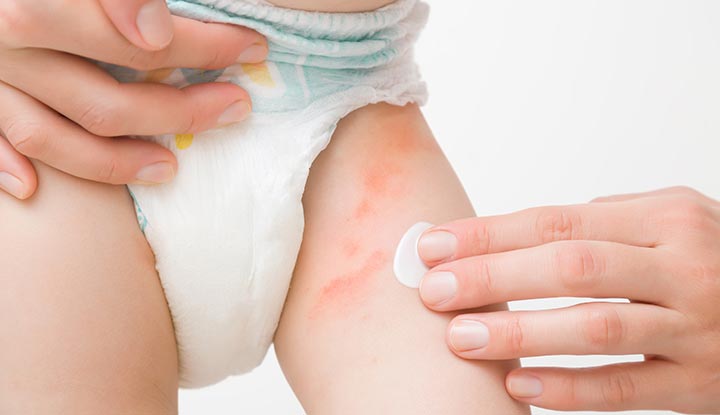
Diaper rash usually presents as red, inflamed patches on the skin. It may look like a sunburn and can be painful to touch. Yeast infection, on the other hand, often appears as bright red spots with defined edges. You might notice small satellite lesions, which are tiny red dots surrounding the main rash. If your baby seems unusually uncomfortable, or if the rash doesn’t improve with regular diaper cream, it might be a yeast infection. Before you reach for that diaper rash cream, consider whether your baby’s symptoms align more closely with a yeast infection. Would changing your approach lead to faster relief for your little one? Understanding these key differences can help you make informed decisions about treatment.Causes Of Yeast Infection
Yeast infections are uncomfortable and often misunderstood. Many people associate them solely with poor hygiene. But they can occur due to several factors. Understanding the causes helps in effective treatment.
Common Triggers
Antibiotics can disrupt the balance of bacteria and yeast. This imbalance often leads to yeast overgrowth. Hormonal changes also play a role. Pregnancy or birth control pills can trigger infections. Tight clothing traps moisture and creates a breeding ground for yeast. A high-sugar diet feeds yeast, making it flourish.
How It Develops
Yeast infections begin when Candida yeast grows excessively. Candida naturally lives in our bodies. But when conditions are right, it multiplies quickly. Warm, moist environments accelerate this growth. The infection spreads, causing irritation and itching. Early detection can prevent severe symptoms.
Diaper Rash Cream Ingredients
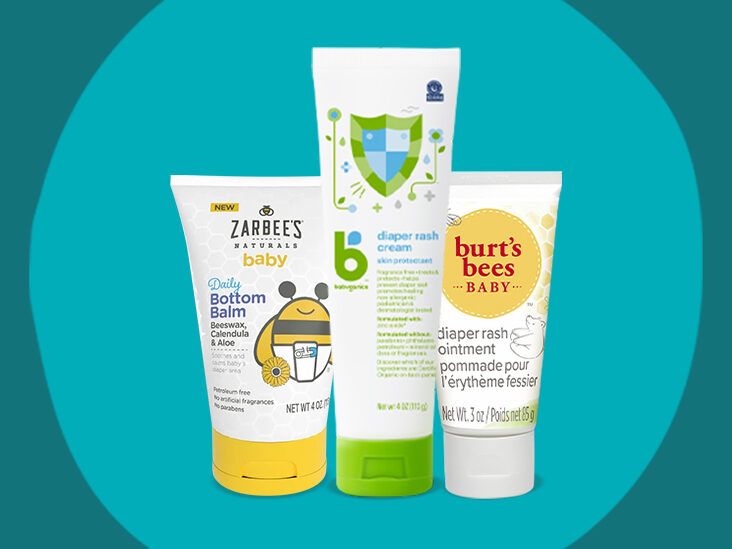
Diaper rash creams often contain zinc oxide and petrolatum. These ingredients soothe and protect baby skin. For yeast infections, consult a doctor, as specific antifungal treatments might be needed.
Understanding the ingredients in diaper rash creams can help you determine their effectiveness against a yeast infection. These creams are designed to protect a baby’s sensitive skin, but can they tackle the stubborn yeast infection? Let’s dive into the components of diaper rash creams and see how they might play a role.Active Components
Diaper rash creams often contain a mix of ingredients aimed at soothing and protecting. Zinc oxide is a common active ingredient. It acts as a barrier against moisture and irritants, which can be helpful in preventing further irritation. Another common component is petrolatum. It’s a form of petroleum jelly that helps seal out wetness. While it’s great for moisture protection, it doesn’t directly combat yeast.Function And Purpose
The primary function of these ingredients is to create a protective layer over the skin. This layer helps to prevent friction and moisture, two culprits that exacerbate diaper rash. But what about yeast infections? Yeast thrives in warm, moist environments. While the barrier created by diaper rash creams can protect against moisture, it might not be enough to tackle yeast alone. Have you ever wondered why some diaper rash creams work better than others? It could be due to the combination of ingredients. While some may offer relief from symptoms, they may not address the root cause of a yeast infection. If you’re concerned about a yeast infection, it might be time to explore other treatments. Consult a healthcare professional for advice tailored to your situation.Effectiveness Against Yeast Infections
Diaper rash cream is a common household item. Many parents reach for it to soothe a baby’s irritated skin. But does it help with yeast infections? This question puzzles many. Understanding its ingredients is key. Zinc oxide, a main component, plays a vital role. But antifungal properties are needed to treat yeast infections.
Role Of Zinc Oxide
Zinc oxide is popular in many creams. It forms a protective barrier on the skin. This barrier helps keep moisture away. Moisture can worsen yeast infections. So, reducing moisture is crucial. But zinc oxide does not kill yeast. It primarily protects and soothes irritated skin.
Antifungal Properties
Yeast infections require antifungal treatment. This means killing the fungus causing the infection. Some diaper rash creams contain antifungal agents. These agents actively fight yeast infections. But not all creams have these ingredients. Read labels carefully for antifungal properties. This ensures the cream can effectively treat yeast infections.
When To Use Diaper Rash Cream
Diaper rash creams are a common remedy for irritated baby bottoms, but can they help with yeast infections? Understanding when to use diaper rash cream is crucial for effective treatment. Using the right product at the right time can be the difference between soothing relief and prolonged discomfort. Let’s explore the appropriate scenarios to reach for that tube of cream and the importance of consulting healthcare providers.
Appropriate Scenarios
Diaper rash creams are primarily designed to treat simple skin irritations. They work by forming a protective barrier over the skin, preventing moisture from causing further irritation. This is useful when dealing with standard diaper rashes caused by wetness and friction.
However, yeast infections require a different approach. While some diaper rash creams have antifungal properties, they are not always sufficient for treating yeast infections. If the rash is persistent, bright red, and doesn’t improve with regular diaper rash cream, it might be a yeast infection.
Consider using diaper rash cream when the irritation is mild and not showing signs of yeast, such as pustules or satellite lesions. Always check the cream’s label for antifungal ingredients if you suspect yeast involvement.
Consulting Healthcare Providers
It’s easy to assume you can handle a diaper rash or yeast infection with over-the-counter products. But when the rash doesn’t improve or seems severe, it’s time to seek professional advice. A healthcare provider can confirm whether you’re dealing with a yeast infection or a simple rash.
They can recommend specific treatments that are more effective than general rash creams. Remember, a healthcare provider’s insight can prevent prolonged discomfort for your baby. You wouldn’t want to use the wrong product and worsen the condition.
Have you ever treated a diaper rash only to find it was a yeast infection? How did you handle it? Sharing experiences helps other parents navigate these common challenges.
Credit: my.clevelandclinic.org
Alternative Treatments For Yeast Infection
Yeast infections can be incredibly uncomfortable, leaving many searching for effective treatments beyond the usual recommendations. While diaper rash cream is occasionally considered, it’s crucial to explore alternative treatments that specifically target the yeast infection. This section will delve into antifungal medications and natural remedies, providing actionable insights to help you make informed decisions.
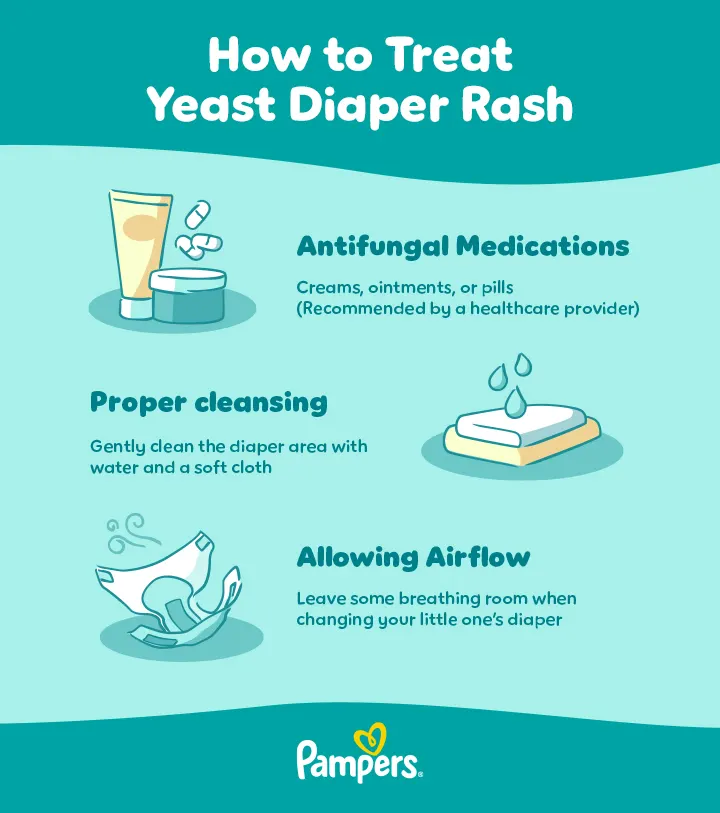
Antifungal Medications
Antifungal medications are often the go-to solution for yeast infections. They are available in various forms, such as creams, ointments, and oral pills. These medications work by directly attacking the yeast cells, preventing them from growing and spreading.
Consider over-the-counter options like clotrimazole or miconazole creams. These are popular choices and can be found in most pharmacies. Always read the labels carefully and follow usage instructions.
For persistent infections, you might need a prescription-strength medication. Consult with your healthcare provider to determine the best course of action. Have you tried an antifungal medication before, and what was your experience?
Natural Remedies
If you’re more inclined towards natural solutions, there are several remedies to explore. Many people find relief using tea tree oil, which has antifungal properties. Dilute it with a carrier oil and apply it to the affected area.
Another popular option is yogurt containing live cultures, which can help restore the balance of bacteria and yeast in the body. Eating yogurt regularly or applying it topically can be beneficial.
Garlic, known for its antifungal and antibacterial properties, can also be effective. Add garlic to your diet or use garlic oil for topical application. Have you considered any of these natural remedies, and did they offer relief?
Ultimately, the choice of treatment depends on your personal preferences and the severity of the infection. Whether you opt for medications or natural remedies, ensure that your approach is consistent and mindful of your body’s needs.
Preventing Yeast Infections
Preventing yeast infections is crucial for overall health. Many people face this issue frequently. Understanding preventive measures can make a significant difference. Focus on hygiene and diet to lower risk.
Hygiene Practices
Keep the skin clean and dry. Moist environments promote yeast growth. Change diapers frequently to avoid wetness. Use gentle soap to cleanse the skin. Pat dry instead of rubbing to prevent irritation. Choose breathable fabrics for clothing. Cotton lets the skin breathe.
Dietary Considerations
Diet plays a role in preventing infections. Sugar can promote yeast growth. Reduce sugar intake for better health. Add probiotics to your diet. Yogurt and kefir are good sources. Eat foods rich in vitamins and minerals. Boost your immune system naturally. Stay hydrated with plenty of water. It helps flush out toxins.

Credit: www.babycenter.com
Credit: www.healthline.com
Frequently Asked Questions
Can Desitin Help A Yeast Infection?
Desitin primarily treats diaper rash and skin irritation. It doesn’t effectively treat yeast infections. Consult a doctor for appropriate antifungal treatment. Always seek professional advice for proper diagnosis and treatment options.
What Cream Is Good For Yeast Infection Rash?
Clotrimazole cream effectively treats yeast infection rashes. It relieves itching and irritation quickly. Consult a healthcare professional for persistent symptoms.
Will Zinc Oxide Cream Help A Yeast Infection?
Zinc oxide cream soothes skin irritation but doesn’t treat yeast infections. Consult a healthcare provider for effective antifungal treatment. Always follow medical advice for proper care and management of yeast infections.
How To Tell If It’s A Yeast Infection Or Diaper Rash?
Yeast infections often appear as red, inflamed patches with defined edges and may include small bumps. Diaper rash typically covers larger areas and appears as red, irritated skin without distinct borders. Consult a healthcare professional for accurate diagnosis and treatment recommendations.
Conclusion
Diaper rash cream might offer temporary relief for yeast infection symptoms. Its soothing properties can ease discomfort. But, it is not a cure for yeast infections. Always consult a healthcare professional for proper diagnosis and treatment. Yeast infections need specific antifungal treatments.
Using the wrong product could worsen the condition. Proper hygiene and care are essential for healing. Choose treatments wisely for effective results. Your skin deserves the right care. Stay informed and make choices that prioritize your health. Seek expert advice when in doubt.
Your well-being matters most.

Emma Grace is a devoted mother and passionate content writer at BestBabyCart.com. With firsthand parenting experience and a love for research, she creates helpful guides and honest reviews to support parents in choosing the best for their babies. Her goal is to make parenthood easier, one article at a time.