
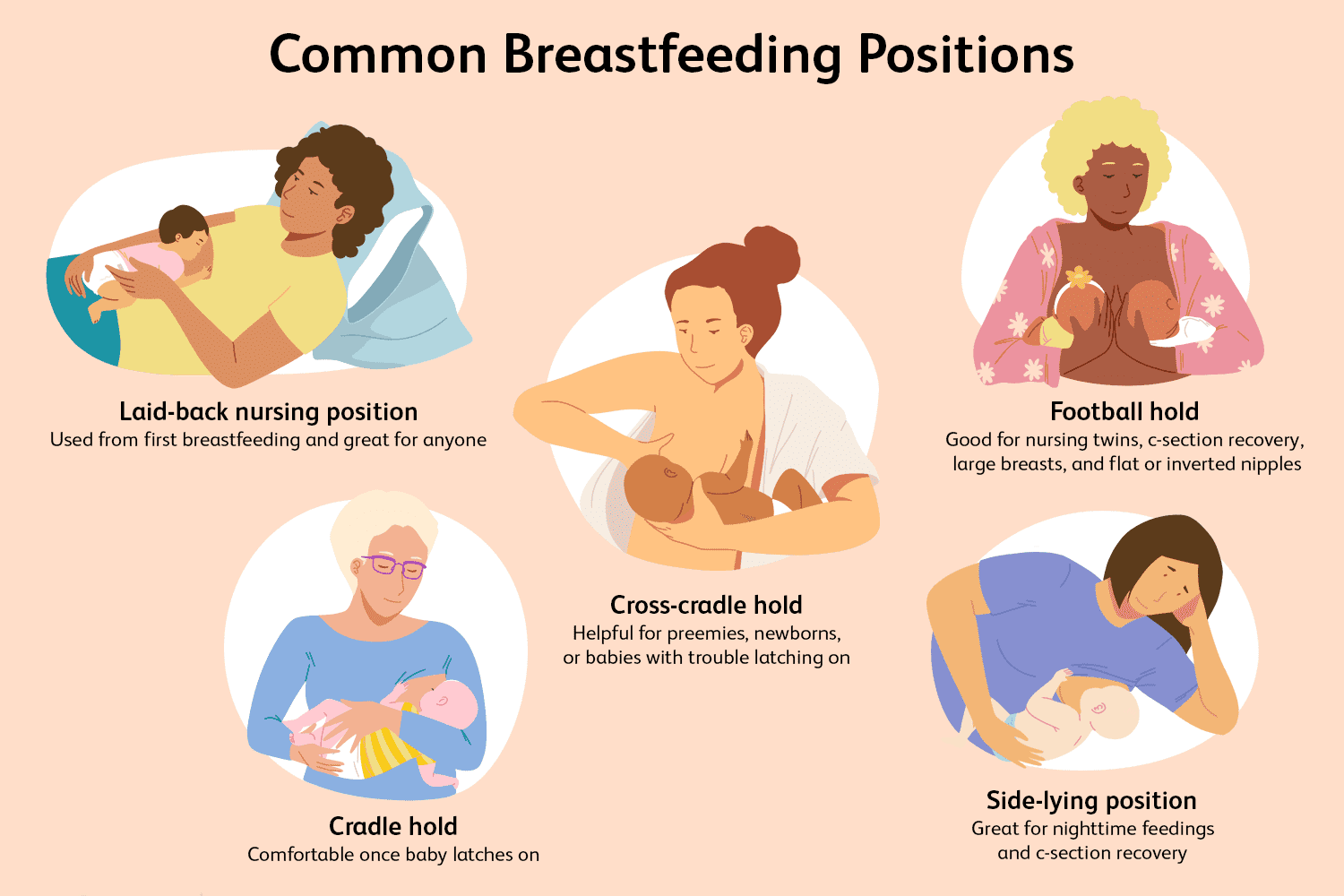
Breastfeeding your newborn is one of the most rewarding parts of new parenthood, but it rarely comes naturally to either you or your baby. Finding the right breastfeeding position can mean the difference between painful, frustrating feeds and calm, nourishing bonding time. The right position improves milk transfer, reduces your risk of nipple trauma and clogged ducts, and even supports postpartum recovery, especially if you’re healing from a C-section. There’s no one-size-fits-all approach: what works for one parent-baby duo may not work for another, and trial and error is completely normal in the first few weeks. This guide covers all evidence-based breastfeeding positions for newborns, including step-by-step setup, who each position is best for, common mistakes to avoid, and troubleshooting tips for latch challenges, all aligned with 2026 guidance from the CDC and American Academy of Pediatrics.
Why Breastfeeding Position Matters for Newborns
Proper positioning is the single most important modifiable factor for successful, low-pain breastfeeding. Per the CDC’s evidence-based breastfeeding guidelines, parents who receive early support with positioning are 30% more likely to still be breastfeeding at 6 months, compared to those who don’t. When your baby is positioned correctly, they can latch deeply to the breast, which empties the breast more effectively to build and maintain your milk supply, reduces your risk of sore nipples and mastitis, and ensures your baby gets enough milk to gain weight steadily. Poor positioning, by contrast, leads to shallow latches, frequent slipping off, nipple pain, and insufficient milk transfer—all of which are top reasons new parents stop breastfeeding earlier than they planned. For babies, a good latch also reduces the risk of swallowing excess air, which can cause gas, colic, and reflux. You can also read our guide on anti colic wide neck bottle starter set.
Core Breastfeeding Positions for Newborns
Each position below includes step-by-step setup, ideal use cases, and pro tips to avoid common pitfalls.
Cradle Hold
The classic cradle hold is one of the most intuitive positions for new parents, ideal once your baby has enough head control to support their own neck (usually around 3–4 weeks).
- Sit in a supportive chair with armrests, and place a nursing pillow or folded blanket on your lap to raise your baby to breast level.
- Hold your baby in the arm on the same side as the breast you’re feeding from, supporting their head and neck with your forearm.
- Tuck your baby’s lower arm under your breast to keep their body close to your chest, and align their nose with your nipple.
- Ensure your baby’s entire body is facing yours, with their ear, shoulder, and hip in a straight line to avoid twisting their neck. A common mistake many new parents make with the cradle hold is letting the baby’s torso dangle unsupported, which leads to a shallow latch and nipple pain within the first week of feeding. For extra comfort, rest your supporting arm on a pillow to avoid shoulder strain. You can also read our guide on 31zg97ow1el. sy300 sx300 ql70 fmwebp.
Cross-Cradle Hold
The cross-cradle hold is the top recommendation for newborns in their first 1–2 weeks, as it gives you maximum control over guiding your baby to a deep latch.
- Hold your baby with the arm opposite the breast you’re feeding from, supporting their head and neck with your hand.
- Form a C-shape with your thumb and fingers behind your baby’s shoulders (not the back of their head) to support their upper body.
- Use your free hand to support your breast if needed, and gently guide your baby’s mouth to your nipple.
- Tilt your baby’s head back slightly (as if they are looking up at the ceiling) to open their throat wide for a deeper latch. This position is especially helpful for babies with low muscle tone, tongue tie, or a persistent shallow latch. Avoid pressing on the back of your baby’s head, as this triggers their rooting reflex to pull away. You can also read our guide on best hospital strength double electric breast pump.
Football Hold
The football hold tucks your baby under your arm like a running back carrying a football, making it ideal for parents with specific recovery needs or babies with reflux.
- Sit upright in a supportive chair, and place a pillow under the arm on the same side as the breast you’re feeding from to support your elbow.
- Tuck your baby under that arm, supporting their head and neck with your hand, and rest their body along your forearm.
- Keep your baby’s legs tucked behind your back, facing your body, and align their nose with your nipple.
- Use your free hand to support your breast and guide your baby to latch. This position is completely compatible with C-section recovery, as it keeps all pressure off your abdominal incision. It’s also a top choice for parents of preemies, babies with reflux, and tandem feeding for twins. A common mistake is holding baby too close to your torso, which twists their neck and makes latching uncomfortable. You can also read our guide on best car seat cushion for short driver enhance comfort and visibility instantly.
Side-Lying Position
The side-lying position is a game-changer for nighttime feeds, letting you rest while your baby feeds without having to sit up or hunch over.
- Lie on your side on a firm, flat surface, and place a pillow behind your back for support.
- Position your baby on their side facing you, aligning their nose with your nipple, and support their head and back with your lower arm.
- Tuck a small blanket behind your baby’s back (never under their head) to keep them in place, and ensure their body is pressed to yours. Per AAP safe sleep guidelines, always move your baby to their own crib or bassinet on their back after feeding, and never fall asleep while feeding in this position unless you are in a supervised, safe co-sleeping setup. For safe sleep after feeds, our safe crib setup guide walks through exactly what to include (and avoid) in your baby’s sleep space to reduce SIDS risk. You can also read our guide on what age can babies face forward in car seat.
Laid-Back (Biological Nurturing) Position
Laid-back breastfeeding uses gravity to support a natural, baby-led latch, making it a great option for babies who resist traditional holds or parents with overactive let-down.
- Recline in a semi-supported position (30–45 degrees) on a couch or bed, propping yourself up with pillows behind your back.
- Place your baby tummy-down on your chest, with their head resting near your breast and their body angled slightly downward.
- Let your baby root and nuzzle your breast on their own, using your hands only to support their bottom if they need help staying in place. A common mistake is reclining too far back, which makes it hard for your baby to reach your breast. This position is highly beginner-friendly, as it requires minimal hand support and encourages your baby’s natural feeding instincts. You can also read our guide on best car seat covers for baby comfort and protection essentials.
Koala (Upright) Hold
The Koala Hold holds your baby upright against your chest, making it a top choice for babies with reflux, gas, or who pull off frequently during feeds.
- Sit upright in a supportive chair, and hold your baby upright against your chest, with their legs straddling your waist.
- Support your baby’s head and neck with one hand, and use your other hand to guide their mouth to your nipple.
- Keep your baby’s back straight and their head aligned with their spine, and avoid hunching over to bring your breast to them. For babies with frequent spit-up, the American Academy of Pediatrics notes that upright feeding positions like the Koala Hold can reduce reflux symptoms by keeping stomach contents from flowing back up the esophagus. This position is also great for feeding on the go, as it doesn’t require a flat surface or extra pillows. You can also read our guide on best head support for infant car seat top picks for safety comfort.
| Position | Best For | C-Section Compatible | Beginner-Friendly |
|---|---|---|---|
| Cradle Hold | Parents with 3+ weeks of feeding experience, daytime feeds | Yes (if incision is fully healed) | ★★★★☆ |
| Cross-Cradle Hold | Newborns in first 2 weeks, babies with latch struggles | Yes | ★★★★★ |
| Football Hold | C-section recovery, preemies, babies with reflux, twins | ★★★★★ | ★★★☆☆ |
| Side-Lying | Nighttime feeds, rest during feeds | ★★★★★ | ★★★★☆ |
| Laid-Back | Babies who resist traditional holds, parents with overactive let-down | Yes | ★★★★★ |
| Koala (Upright) Hold | Babies with reflux/gas, feeding on the go | Yes | ★★★☆☆ |
Positions for Special Situations
While all the positions above work for most parent-baby duos, some scenarios call for tailored adjustments:
- Post C-section recovery: Prioritize the football hold or side-lying position to avoid putting pressure on your incision. Use extra pillows to support your abdomen, and start with short 5–10 minute feeds to avoid straining your healing muscles.
- Breastfeeding twins: Tandem feeding positions (double football, double cradle, or one cradle + one football) let you feed both babies at once. Use a twin nursing pillow to support both babies, and enlist a partner to help position the second baby if needed. Alternate which twin feeds first each session to balance milk supply across both breasts.
- Babies with reflux or tongue tie: For reflux, prioritize upright positions (Koala Hold, football hold) to keep stomach contents down. For tongue tie, work with a pediatric dentist or lactation consultant to assess if a minor revision will improve latch across all positions.
Common Breastfeeding Position Mistakes to Avoid
A few small adjustments can make a huge difference in feed comfort and latch success:
- Hunched posture: Leaning forward to bring your breast to your baby strains your back and neck, and twists your torso to make latching harder. Sit up straight, and use pillows to raise your baby to breast level instead.
- Unsupported baby torso: Letting your baby’s body dangle away from your chest leads to a shallow latch and frequent slipping off. Always support their back and bottom with your arm or a pillow.
- Twisted baby neck: Turning your baby’s head to latch instead of turning your whole body can cause neck strain and make swallowing difficult. Keep your baby’s ear, shoulder, and hip in a straight line at all times.
- Pressing on the back of the head: Guiding your baby to latch by pushing on the back of their head triggers their rooting reflex to pull away. Instead, apply gentle pressure to their upper back or shoulders to bring them closer to your breast.
When and How to Switch Breastfeeding Positions
You don’t need to stick to one position for every feed. Switching every 1–2 feeds helps balance milk supply across both breasts, prevents clogged ducts, and reduces repetitive muscle strain from holding the same pose. If you’re struggling to fit feeding sessions around an older child’s schedule, our guide to managing early bedtime schedules offers practical tips for carving out consistent, low-stress feeding time. A pro tip for new parents: keep a simple feeding log for the first 2 weeks to track which positions work best for different times of day. For example, you may find the cross-cradle hold works best for early morning feeds when your let-down is slower, while the side-lying position is ideal for late night feeds when you’re tired. You can also read our guide on best car seat cushion for back pain top picks for ultimate comfort.
Troubleshooting Latch Problems With Position Adjustments
If you’re experiencing persistent pain, slipping, or poor milk transfer, adjust your position before assuming there’s a deeper issue:
- Baby slips off frequently: Try the cross-cradle hold to get more control over their head, or the laid-back position to let them self-latch.
- Nipple pain or damage: Check that your baby’s chin is pressed firmly into your breast, not just sucking on the nipple. Adjust your seat height so you’re not hunching, and try the football hold to take pressure off sore nipple tissue.
- Baby is gassy or refluxing: Switch to an upright position (Koala or football hold) to keep stomach contents down, and burp baby halfway through the feed.
- You have abdominal pain after C-section: Avoid the cradle hold, which can press on your incision, and use the side-lying or football hold instead. If latch issues persist after adjusting position, consult a board-certified lactation consultant (IBCLC) for personalized, hands-on support.
Expert Tips for Comfort and Success
- Use supports strategically: A nursing pillow or folded blanket can raise baby to breast level, eliminating the need to hunch. A footstool under your feet reduces back strain by keeping your knees level with your hips. For parents with shoulder pain, the laid-back position lets you rest your arms on the couch behind you instead of holding baby’s weight.
- Follow baby’s hunger cues: Feed when you see early cues (rooting, sucking on hands) rather than waiting for crying, which makes latching harder. Most newborns feed 8–12 times per 24 hours in the first month.
- Don’t force the latch: If baby pulls away, pause, rub their cheek to trigger the rooting reflex, and try again. Forcing a latch will only lead to frustration for both of you.
- Keeping your baby’s feet warm during feeds can help them stay calm and focused on latching, and our guide to how many socks newborns need takes the guesswork out of dressing them for different temperatures.
- If you’re combo feeding to supplement breast milk, understanding common formula ingredients like palm oil can help you choose an option that supports your baby’s digestion and reduces feeding fussiness.
- A soft baby hairbrush can be a gentle tool for post-feed cuddles and soothing, and our breakdown of affordable grooming tools for newborns helps you pick a safe, budget-friendly option.
FAQ: Your Breastfeeding Position Questions Answered
What is the best breastfeeding position for a newborn?
There is no single "best" position, as it depends on your body, your baby’s latch, and your recovery status. The cross-cradle hold is often recommended for the first 1–2 weeks because it gives you the most control over guiding your baby’s head to a deep latch. The cradle hold is a popular option once your baby has better head control, usually around 3–4 weeks. You can also read our guide on BestBabyCart.com.
What is the 4-4-4 rule for breastfeeding?
The 4-4-4 rule is a guideline for milk expression, not direct feeding: 4 minutes of gentle breast massage to stimulate let-down, 4 minutes of pumping, followed by another 4 minutes of massage to maximize milk removal. It is not a rule for direct feeding duration.
What is the 6-6-6 rule for breast milk storage?
The 6-6-6 rule is a common guideline for storing expressed breast milk: up to 6 hours at cool room temperature (below 77°F/25°C), 6 days in the refrigerator, and 6 months in the freezer for optimal freshness. Always check for sour smells or curdling before feeding stored milk, and follow CDC guidance for safe handling. You can also read our guide on how to keep baby cool in stroller.
What is the 2-hour rule for breastfeeding and alcohol?
The 2-hour rule states you should wait at least 2 hours after consuming one standard alcoholic drink (12oz beer, 5oz wine, 1.5oz distilled spirits) before breastfeeding, as this is the time it takes for the average adult to metabolize one drink. Wait longer if you consume more than one drink, and avoid breastfeeding if you feel intoxicated.
What’s the easiest breastfeeding position for new parents?
The laid-back (biological nurturing) position is often the easiest for new parents because it requires minimal hand support: you recline slightly, and your baby’s weight rests on your chest, leaving your hands free to adjust their position as needed. It also encourages a baby-led latch, which can reduce latching struggles for new parents. You can also read our guide on baby stroller sitting tips expert guidelines.
How often should I switch breastfeeding positions?
Switch positions every 1–2 feeds to balance milk supply across both breasts and prevent clogged ducts. You don’t need to switch mid-feed unless you’re experiencing pain or your baby is struggling to latch.
Is side-lying breastfeeding safe for newborns?
Yes, the side-lying position is safe for feeds as long as you follow safe sleep guidelines: place baby on their side facing you on a firm, flat surface, keep pillows and blankets away from their face, and always move them to their own crib or bassinet on their back after feeding. Never fall asleep while feeding in this position unless you are in a supervised, safe co-sleeping setup per AAP guidelines. For safe sleep after feeds, our safe crib setup guide outlines exactly what to include in your baby’s sleep space to reduce risk.
What if my newborn won’t latch in any position?
First, check for early hunger cues (rooting, sucking on hands) rather than waiting for crying, which can make latching harder. Try the laid-back position to encourage a baby-led latch, and make sure baby’s nose is aligned with your nipple, not your areola. If latch issues persist after 2–3 days, consult a board-certified lactation consultant (IBCLC) for personalized support.
How do I know if my baby is getting enough milk in any position?
Look for 6–8 wet diapers per day after the first week, steady weight gain at pediatric checkups, and a baby who seems satisfied and relaxed after feeds. If you’re concerned about milk supply, track feeding frequency and diaper output, and discuss it with your pediatrician or lactation consultant.
Conclusion: Your Breastfeeding Journey Starts Here
Finding the right breastfeeding position for your newborn takes trial and error, but the right fit will make feeds more comfortable, improve milk transfer, and support your postpartum recovery. Start with the cross-cradle hold in the first few weeks for maximum latch control, then experiment with other positions as you and your baby get more comfortable. If you’re struggling with persistent pain, latch issues, or low milk supply, reach out to a board-certified lactation consultant for personalized, hands-on support. For more newborn care tips, feeding guidance, and product recommendations to make your parenting journey easier, browse our full library of evidence-based resources at BestBabyCart.
Images (preserved from original, with updated alt text and captions)
 Adjustable nursing pillow supporting a parent during cradle hold
This contoured nursing pillow reduces back strain during feeds
Adjustable nursing pillow supporting a parent during cradle hold
This contoured nursing pillow reduces back strain during feeds
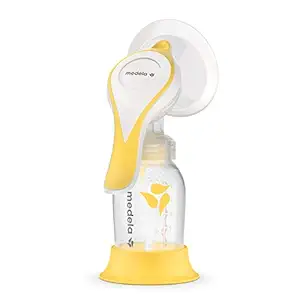 Electric breast pump with collection bottles for milk storage
A hospital-grade pump can help build supply if latching is challenging
Electric breast pump with collection bottles for milk storage
A hospital-grade pump can help build supply if latching is challenging
 Breathable nursing cover for discreet feeding in public
Lightweight covers let you breastfeed comfortably on the go
Breathable nursing cover for discreet feeding in public
Lightweight covers let you breastfeed comfortably on the go
 Lanolin nipple cream tube for soothing sore nipples
Apply lanolin after feeds to heal minor nipple irritation
Lanolin nipple cream tube for soothing sore nipples
Apply lanolin after feeds to heal minor nipple irritation
 Side-by-side comparison of 4 common newborn breastfeeding positions
Visual guide to matching positions to your feeding needs
Credit: readysetfood.com
Side-by-side comparison of 4 common newborn breastfeeding positions
Visual guide to matching positions to your feeding needs
Credit: readysetfood.com
 Parent using the laid-back breastfeeding position with a newborn
Laid-back positioning uses gravity to support a natural latch
Credit: www.madeforumoms.com
Parent using the laid-back breastfeeding position with a newborn
Laid-back positioning uses gravity to support a natural latch
Credit: www.madeforumoms.com
 Parent switching between cradle and cross-cradle hold during a feed
Alternating positions can prevent clogged milk ducts
Parent switching between cradle and cross-cradle hold during a feed
Alternating positions can prevent clogged milk ducts
 Parent using the football hold while recovering from C-section
The football hold keeps pressure off abdominal incision sites
Credit: www.mombella.com
Parent using the football hold while recovering from C-section
The football hold keeps pressure off abdominal incision sites
Credit: www.mombella.com
FAQ: Your Breastfeeding Position Questions Answered
What is the best breastfeeding position for a newborn in the first week?
The cross-cradle hold is the most recommended for newborns in their first 1–2 weeks, as it gives you full control to guide your baby’s head to a deep, comfortable latch. The laid-back position is also a great option for this stage, as it encourages your baby’s natural rooting instincts with minimal hand support from you.
Is side-lying breastfeeding safe for newborns?
Yes, when done correctly. Always feed on a firm, flat surface, keep all pillows and loose bedding away from your baby’s face, and move them to their own crib or bassinet on their back as soon as the feed is finished. Never fall asleep while feeding in this position unless you are in a supervised, safe co-sleeping setup aligned with AAP guidelines. If you’re setting up your baby’s sleep space to make post-feed transitions easier, our safe crib setup guide walks through exactly what to include to reduce SIDS risk.
How often should I switch breastfeeding positions?
Switch positions every 1–2 feeds to balance milk supply across both breasts and prevent clogged ducts. You don’t need to change positions mid-feed unless you’re experiencing pain or your baby is struggling to stay latched.
What’s the easiest position for parents with back pain?
The laid-back position is the most back-friendly option, as it lets you recline against couch cushions instead of hunching over your baby. The side-lying position is also a good choice for nighttime feeds, as it lets you rest your back while your baby feeds. If you’re struggling to fit feeding sessions around your older child’s schedule, our guide to getting out of the house when your baby has an early bedtime offers practical tips for carving out low-stress feeding time on the go.
Can I breastfeed in public comfortably?
Yes—try the Koala (upright) hold, which lets you hold your baby against your chest without needing a flat surface or extra pillows. A lightweight nursing cover can add privacy if desired, and practicing a few times at home will help you feel confident feeding on the go.
What if my newborn won’t latch in any position?
First, feed at the first sign of hunger cues (rooting, sucking on hands) instead of waiting for crying, which makes latching harder. Try the laid-back position to encourage a baby-led latch, and make sure your baby’s nose is aligned with your nipple, not your areola. If latch issues persist after 2–3 days, consult a board-certified lactation consultant (IBCLC) for personalized, hands-on support.
How do I know if my baby is getting enough milk?
Look for 6–8 wet diapers per day after the first week, steady weight gain at pediatric checkups, and a baby who seems relaxed and satisfied after feeds. A deep latch in a well-supported position ensures your baby is transferring enough milk to meet their needs.
Conclusion: Your Breastfeeding Journey Starts Here
Finding the right breastfeeding position for your newborn takes trial and error, but the right fit will make feeds more comfortable, improve milk transfer, and support your postpartum recovery. Start with the cross-cradle hold in the first few weeks for maximum latch control, then experiment with other positions as you and your baby get more comfortable. If you’re struggling with persistent pain, latch issues, or low milk supply, reach out to a board-certified lactation consultant for personalized support. For more newborn care tips, feeding guidance, and product recommendations to make your parenting journey easier, browse our full library of evidence-based resources at BestBabyCart.

Sophia Linda is a freelance writer and Certified Health Coach based in the Newbury Park, CA. Passionate about healthy living, she focuses on helping families stay active and connected to the outdoors. Together with her husband and their three young children, Sophia spends much of her time traveling, hiking, and camping. Her work has been featured on the bestbabycart blog, and she brings a practical, real-world perspective to reviewing baby products for parents.