
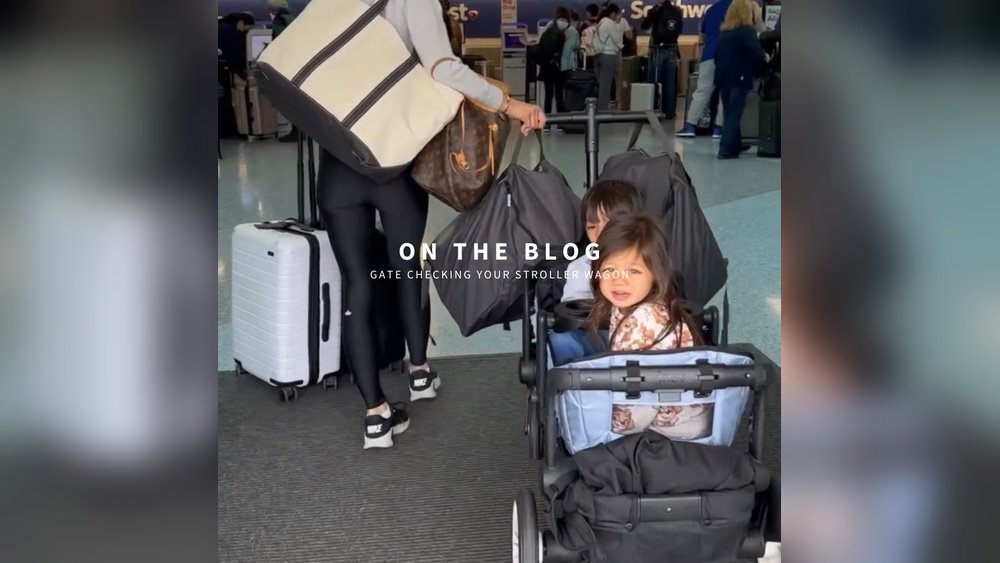
Traveling with a toddler already feels like a juggling act of snacks, nap schedules, and entertainment — gate checking a stroller shouldn’t add another layer of stress. Whether you’re navigating a crowded domestic terminal or boarding an international flight, knowing how to properly prepare, tag, and retrieve your stroller ensures it stays safe, avoids damage, and is waiting for you the second you step off the plane. This 2026-updated guide is packed with actionable, first-hand tips from frequent family travelers and official airline policy guidance, with no generic fluff to slow you down.
What Is Stroller Gate Checking, and When Should You Use It?
Gate checking is the process of handing your stroller to airline staff at the departure gate, where it’s tagged with a unique identifier and stored in the aircraft’s cargo hold for the duration of the flight. Unlike regular checked baggage, you get to use the stroller all the way through the airport terminal — through security, to the gate, and even while waiting to board — so you don’t have to carry your toddler or haul extra gear through crowded concourses. As of 2026, all major U.S. domestic carriers (Delta, American, United, Southwest, Alaska) do not charge fees for gate-checked strollers, making it a cost-effective alternative to checking the stroller at the ticket counter or trying to squeeze a full-size model into the overhead bin. It’s ideal for parents traveling with infants or toddlers who still need a stroller for mobility, or for anyone bringing a full-size stroller that won’t fit in an overhead compartment. You can also read our guide on best safety 1st travel system deals.
Choosing a Travel-Friendly Stroller for Gate Checking
While almost any stroller can be gate checked, picking the right model reduces hassle and minimizes damage risk. Not all strollers are built equal for air travel, so prioritize these factors when selecting your gear.
Compact Fold vs. Full-Size Strollers
Compact, lightweight strollers (like the Babyzen Yoyo, Uppababy Minu, or GB Pockit) are the easiest to gate check, as they fold down to the size of a small backpack and weigh under 15 pounds. Their small footprint makes them easy to carry through security and navigate crowded terminals, and many fit in overhead bins if you decide not to gate check at the last minute. Full-size strollers with larger seats, more storage, and better suspension are also eligible for gate checking, but they take up more space in the cargo hold and are more prone to damage during handling. If you’re traveling with a full-size model, invest in a padded protective bag (see below) and allow extra time at the gate for drop-off. For parents who already own a full-size stroller, rest assured that most airlines accept them for gate checking as long as they fold compactly and fit through the jet bridge door. If you own an Uppababy model, mastering a smooth, compact fold before your trip will cut down on prep time at the gate and ensure the stroller stays securely folded during handling. You can also read our guide on uppababy minu v3 travel stroller vs cruz v3.
Key Features to Prioritize
Look for strollers with a one-handed fold mechanism and a lockable fold latch, which make collapsing the stroller quick and secure while holding a toddler or carry-on bag. Padded, reinforced frames resist scratches and dents during baggage handling, while lockable swivel wheels prevent them from rolling off baggage carts. Avoid strollers with lots of protruding, fragile accessories (like hanging toy bars or detachable cup holders) if you can, as these are the most likely to break during transit.
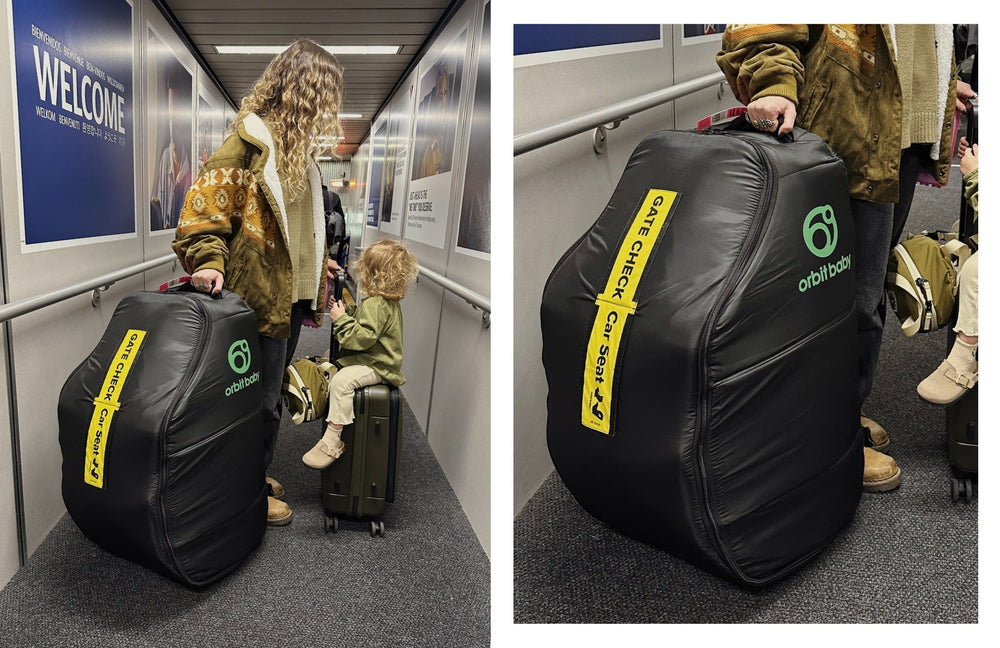 Stroller tag attached to the frame for identification during handling
Image source: orbitbaby.com
Stroller tag attached to the frame for identification during handling
Image source: orbitbaby.com
Step-by-Step Pre-Flight Stroller Preparation
Proper prep before you leave for the airport is the single biggest factor in avoiding damage or lost strollers. Follow these steps the night before your flight to eliminate last-minute stress. You can also read our guide on black friday stroller deals.
Clean and Inspect Your Stroller First
Start by wiping down all surfaces with a damp cloth to remove dirt, crumbs, and sticky residue from snacks or sunscreen. Check the wheels for stuck gravel or hair, and clear any debris from the wheel axles to prevent damage during handling. Test the brake mechanism to make sure it locks securely, and tighten any loose screws or bolts with a small travel screwdriver — loose parts are the #1 cause of preventable stroller damage during air travel, per frequent family traveler observations. Take a few photos of the stroller from all angles before you leave home, so you have proof of its condition if you need to file a damage claim later.
Remove All Loose Accessories
Strip the stroller of every non-essential item before heading to the airport. Remove detachable cup holders, snack trays, rain covers, hanging toy bars, and any items stored in the under-seat basket. Store these in your carry-on bag or personal item, as loose accessories are easily lost or damaged during baggage handling. If your stroller has a built-in USB charger or electronic components, remove those as well, as they are not covered by airline damage policies. The only items that should remain on the stroller for gate check are the frame, seat, and permanently attached wheels. You can also read our guide on nuna pipa extra base sale.
Secure Foldable and Fragile Components
Lock the stroller’s fold mechanism to ensure it stays compact during handling. If your stroller has adjustable handlebars or reclining seats, lock them in the folded position to prevent them from shifting and catching on other luggage. For strollers with plastic or glass components (like a parent tray or canopy window), wrap those areas in a soft cloth or bubble wrap and secure them with a small strap to prevent scratches or cracks. Avoid using duct tape directly on the stroller frame, as it can leave residue or damage the finish; opt for reusable velcro straps instead.
 Visual guide to folding and securing a stroller for gate check
Image source: www.reapinteractive.com
Visual guide to folding and securing a stroller for gate check
Image source: www.reapinteractive.com
Protective Gear: Do You Need a Stroller Gate Check Bag?
A protective bag or cover is not required for gate checking, but it drastically reduces the risk of scratches, dents, and dirt buildup during transit. Weigh the cost and convenience based on your stroller’s value and how often you travel. You can also read our guide on stroller accessories for disney.
Types of Protective Covers
Most airlines offer free, basic plastic gate check bags at the departure gate, but these thin covers only protect against light dirt and offer no cushioning for bumps or drops. For premium strollers that cost $400 or more, a padded, water-resistant stroller gate check bag is a worthwhile investment: these bags have thick foam padding to absorb impacts, reinforced handles for carrying, and often include wheels so you can roll the bag through the terminal if needed. Soft canvas bags are also a good option for budget travelers, as they provide more protection than plastic without the high cost of padded models. Avoid hard-shell carrying cases, as they add unnecessary weight and are difficult to store in the aircraft cargo hold.
How to Choose the Right Fit
Measure your stroller’s folded dimensions (length, width, height) before purchasing a bag, and look for a model that has 2-3 inches of extra space to avoid straining the zipper. A bag with a dedicated strap or pocket for your claim tag is also helpful, as it keeps your contact information visible to baggage handlers. If you’re traveling with a double stroller, look for a bag labeled for double models, as standard single stroller bags will be too small. For frequent travelers, a well-fitted protective bag pays for itself quickly by reducing the need for costly stroller repairs from in-transit damage. You can also read our guide on stroller bunting bag winter warm.
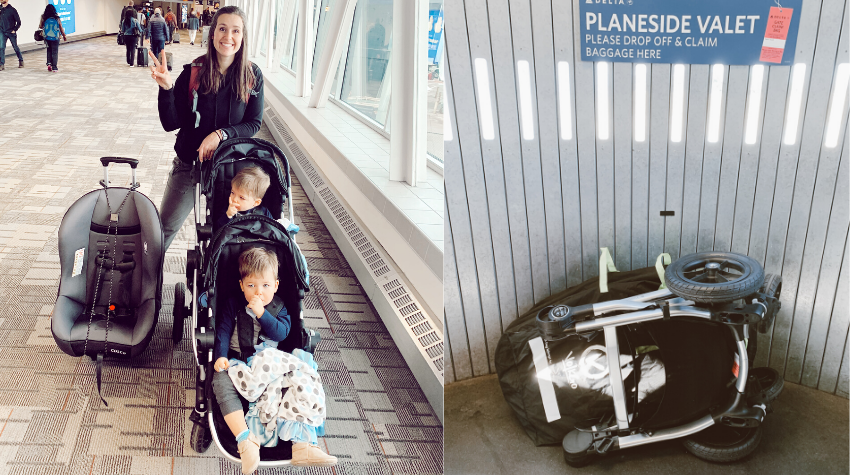 Proper labeling and protective gear reduce risk of damage or loss
Image source: www.cocoscaravan.com
Proper labeling and protective gear reduce risk of damage or loss
Image source: www.cocoscaravan.com
Navigating the Airport Gate Check Process
The actual gate check process is quick, but knowing what to expect eliminates confusion and delays.
When to Arrive and How to Tag Your Stroller
You can use your stroller all the way through security and up to the gate, so there’s no need to check it early. Arrive at the gate 30-45 minutes before boarding time for domestic flights, or 45-60 minutes for international flights, to allow time for the gate check process without rushing. When you get to the gate counter, let the agent know you’d like to gate check your stroller. They will attach a claim tag to the stroller’s frame (and often a duplicate tag to your boarding pass) and may place a basic plastic cover over it if you don’t have your own. Keep the claim tag attached to your boarding pass or carry-on bag for the duration of the flight — do not remove it, as this is how baggage handlers will identify your stroller for return. You can usually bring the stroller right up to the jet bridge before boarding, so you don’t have to carry your toddler far across the terminal. A common mistake parents make is trying to fold the stroller while holding a wiggly toddler; if possible, fold the stroller before you join the boarding line to save time and avoid fumbling.
Security and Gate Check Etiquette
Per TSA guidelines, strollers are allowed through security checkpoints without needing to be removed from their bags, as long as they fit through the X-ray machine. If you’re carrying a child in the stroller, you will need to remove them and fold the stroller to send it through the X-ray, or request a pat-down inspection instead. When handing off your stroller at the gate, make sure the fold is locked and all loose parts are secured, as baggage handlers will not adjust the stroller for you. If you have a connecting flight, confirm with the gate agent that your stroller will be transferred directly to your next flight, rather than being sent to baggage claim — this is standard for most domestic connections, but not always guaranteed for international itineraries. You can also read our guide on how to keep baby cool in stroller.
Retrieving Your Gate-Checked Stroller After Landing
For most travelers, picking up your stroller is even easier than dropping it off, but there are a few key details to keep in mind to avoid delays.
Standard Pickup Process
For nearly all domestic U.S. flights, gate-checked strollers are returned right at the jet bridge as soon as you exit the plane, no need to wait at baggage claim. As you deplane, look for airline staff holding strollers near the aircraft door, or check the jet bridge for a stack of gate-checked items. Have your boarding pass ready to show the agent if asked, and inspect the stroller immediately for any damage before leaving the gate area. If you’re traveling on a short-haul international flight to the U.S. or Canada, the stroller will usually be returned at the gate as well, but for long-haul international flights, you may need to pick it up at baggage claim after clearing customs — confirm this with your airline before your trip to avoid confusion. You can also read our guide on graco premier modes lux vs merge stroller.
What to Do If There’s a Delay or Damage
If your stroller is not waiting for you at the gate, first check with the gate agent for your arrival flight before heading to baggage claim — sometimes strollers are delayed by a few minutes if the baggage handlers are short-staffed. If you find damage to your stroller, take clear photos of the issue from multiple angles immediately, and report it to an airline agent at the airport before you leave. Most airlines require you to file a formal damage claim within 24 hours of arrival, so fill out the required paperwork before you exit the airport. Keep all related documents (your boarding pass, claim tag, damage photos, and claim receipt) for your records. If the airline denies your claim or offers insufficient compensation, check if your travel insurance policy covers stroller damage — many comprehensive travel plans cover damaged gear up to the policy’s per-item limit. For cross-border travel, IATA baggage standards require airlines to compensate passengers for damaged gate-checked items up to the limits set by the Montreal Convention, which applies to most international flights.
Airline-Specific Gate Check Policies to Know in 2026
While most gate check rules are consistent across carriers, there are key differences that can catch you off guard if you don’t research ahead of time. You can also read our guide on flushable toddler wipes septic safe.
Common Policy Differences by Carrier
As of 2026, all major U.S. legacy carriers (Delta, American, United) and low-cost carriers (Southwest, JetBlue, Alaska) do not charge fees for gate-checked strollers, and allow you to use the stroller in the terminal up to the gate. European low-cost carriers like Ryanair and EasyJet charge €10-€15 per stroller for gate checking, so factor this cost into your budget if you’re traveling within Europe. Some ultra-low-cost carriers (like Spirit and Frontier) have size limits for gate-checked strollers: if the folded stroller measures more than 62 linear inches (length + width + height), you will be required to check it at the ticket counter for a standard checked baggage fee. Always check your airline’s official baggage policy page 1-2 weeks before your trip, as policies can change with little notice. If you’re traveling with a double stroller, confirm that your airline accepts double models for gate checking, as some smaller regional carriers have restrictions on wide or heavy items.
Tips for Maximizing Convenience and Safety
Label your stroller clearly with your name, phone number, and flight number on a luggage tag attached to the frame — this helps baggage handlers return it to you quickly if the claim tag falls off. Arrive at the gate early to avoid rushing, as gate agents may be busy with boarding procedures and take longer to process stroller check requests during peak times. If you’re traveling with a newborn, keep a small diaper bag with essentials (diapers, wipes, a change of clothes) in your carry-on, so you don’t have to dig through checked luggage if your stroller is delayed. For parents traveling with a baby who naps on the go, gate checking the stroller lets you keep them in a familiar, comfortable space until boarding, which reduces fussiness and makes the pre-flight experience far less stressful — a tip that’s especially useful if you’re traveling with a napping infant.
Common Gate Check Mistakes to Avoid
Even experienced travelers make these common errors that lead to damaged strollers or delayed pickups:
- Forgetting to document your stroller’s condition before travel: Without pre-trip photos, it’s almost impossible to prove damage was caused by airline handling, not pre-existing wear and tear.
- Removing the claim tag before picking up your stroller: The tag is the only way baggage handlers match the stroller to your flight; if you lose it, you may have to go to the airline’s baggage service office to retrieve your gear.
- Leaving valuables in the stroller: Built-in chargers, phones, or wallets left in the under-seat basket are not covered by airline loss policies, and are frequently stolen from gate-checked items.
- Assuming all airlines have the same policies: Low-cost carriers and international airlines often have fees, size limits, or different pickup procedures that can catch you off guard if you don’t research ahead.
Frequently Asked Questions
Is gate checking a stroller free?
For nearly all domestic U.S. flights as of 2026, gate checking a stroller is completely free. Some international carriers and European low-cost airlines charge €10-€15 per stroller, so always confirm your airline’s policy before you travel to avoid unexpected fees.
Will my stroller be returned at the gate or baggage claim?
For most domestic and short-haul international flights, gate-checked strollers are returned right at the jet bridge immediately after you exit the plane. For long-haul international flights, you may need to pick up the stroller at baggage claim after clearing customs — confirm this with your airline ahead of time to avoid waiting unnecessarily.
Can I bring a gate-checked stroller through airport security?
Yes, the TSA allows strollers through security checkpoints. If your child is in the stroller, you will need to remove them and fold the stroller to send it through the X-ray machine, or request a pat-down inspection instead. You do not need to remove the stroller from its protective bag for screening, as long as it fits through the X-ray.
What if my stroller is damaged after gate checking?
Take clear photos of the damage immediately, and report the issue to an airline agent at the airport before you leave. Most airlines require you to file a formal damage claim within 24 hours of arrival, so fill out the required paperwork on the spot. Keep all documentation (boarding pass, claim tag, damage photos, claim receipt) for your records. If the airline denies your claim, check if your travel insurance covers stroller damage.
Do I need to remove the stroller wheels for gate checking?
No, most airlines accept strollers with wheels attached, as long as the wheels are locked to prevent rolling during handling. Removing wheels is only necessary if your stroller’s folded dimensions exceed the airline’s size limits for gate-checked items.
Conclusion
Gate checking a stroller doesn’t have to be a source of travel stress. By choosing a travel-friendly model, prepping it properly before your trip, using protective gear if needed, and knowing your airline’s policies, you can ensure your stroller stays safe and is waiting for you as soon as you exit the plane. The biggest takeaway for stress-free travel is to arrive at the gate early, keep your claim tag secure, and inspect your stroller as soon as you pick it up. For more tips on making family travel seamless, from packing lightweight gear to keeping little ones comfortable on long flights, browse our full library of family travel guides.

Emma Grace is a devoted mother and passionate content writer at BestBabyCart.com. With firsthand parenting experience and a love for research, she creates helpful guides and honest reviews to support parents in choosing the best for their babies. Her goal is to make parenthood easier, one article at a time.