
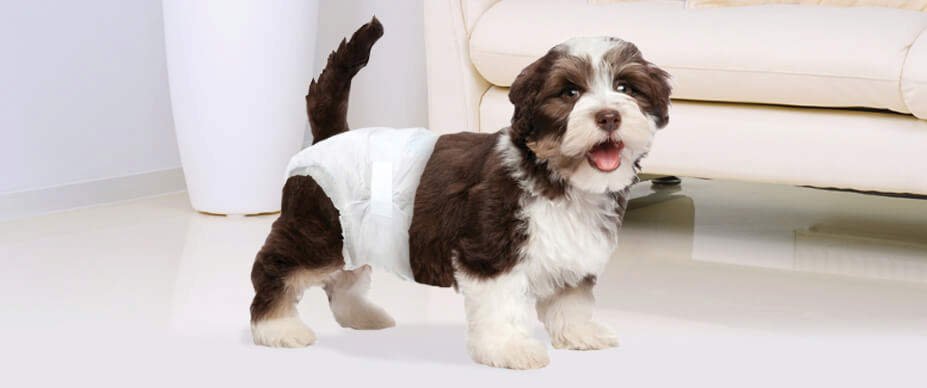
Dog diapers are a practical, widely used tool for managing canine incontinence, female heat cycles, post-surgery recovery, and mobility-related bathroom accidents, but many pet owners worry they may increase the risk of painful urinary tract infections (UTIs). The answer is not a simple yes or no: dog diapers do not directly cause UTIs, but improper use creates conditions that make infections far more likely. This 2026 veterinary-aligned guide breaks down risk factors, evidence-based prevention steps, safe alternatives, and expert guidance to help you keep your dog comfortable and healthy without unnecessary UTI risk.
What Are Dog Diapers Used For?
Dog diapers are designed to contain urine, feces, or vaginal discharge to protect your home and reduce your pet’s discomfort from accidental soiling. They are most commonly used for:
- Senior dogs with age-related urinary incontinence
- Female dogs in heat to manage spotting
- Dogs recovering from surgery (spay/neuter, bladder procedures, orthopedic surgery) that limits mobility or bladder control
- Male dogs with frequent marking issues or mild incontinence
- Dogs with underlying health conditions (e.g., diabetes, neurological disorders, chronic bladder stones) that affect bladder function
When used correctly, diapers give both you and your pet peace of mind, reducing stress from accidents and allowing your dog to maintain a normal routine even during recovery or chronic condition management. You can also read our guide on can bunnies wear dog diapers.
Common Types of Dog Diapers
Dog diapers fall into three main categories, each with distinct pros, cons, and best use cases:
| Diaper Type | Core Materials | Best Use Case | Pros | Cons |
|---|---|---|---|---|
| Disposable full-coverage | Absorbent polymer core, waterproof polyethylene outer layer | Short-term use (post-surgery, heat cycles, travel) | No cleaning required, high absorbency, convenient for on-the-go use | Less breathable than reusable options, higher long-term cost, generates more waste |
| Reusable full-coverage | Cotton/bamboo inner lining, waterproof outer shell | Long-term daily use for incontinent dogs | Breathable, eco-friendly, cost-effective over time, soft on sensitive skin | Requires regular laundering, lower initial absorbency |
| Belly band | Absorbent fabric inner, adjustable elastic waist | Male dogs with marking or mild incontinence | Easy to change frequently, exposes more skin to air, low waste | Not suitable for female dogs or full incontinence |
A well-fitting diaper should be snug enough to prevent leaks but loose enough to slip a finger between the elastic and your dog’s skin, and should not restrict movement when walking, running, or lying down.
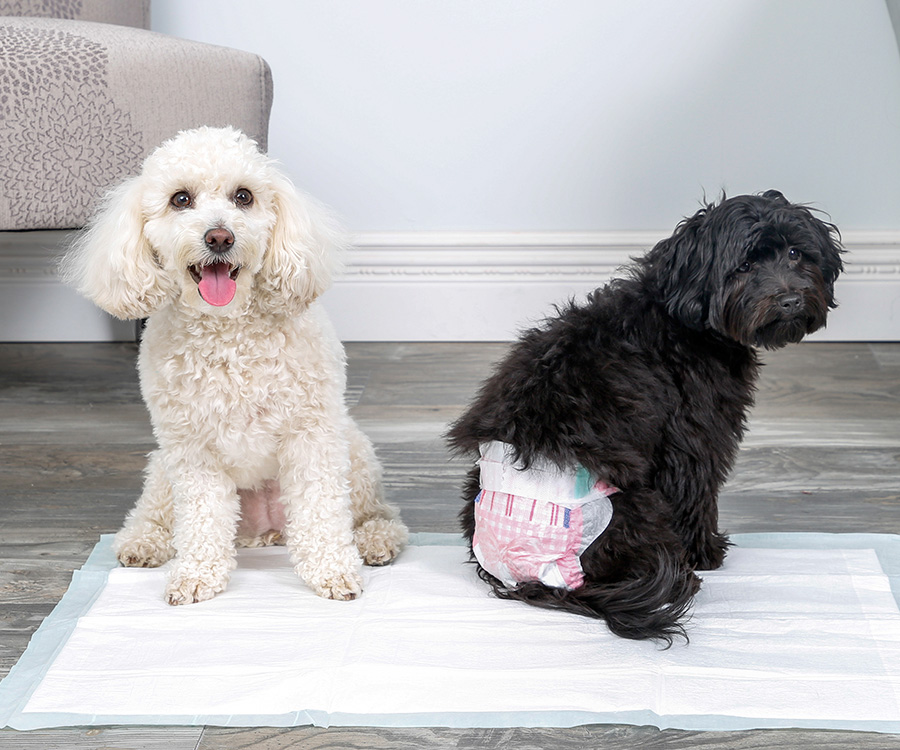 Disposable diapers are ideal for short-term use like post-surgery recovery, but require frequent changes to prevent moisture buildup.
Credit: www.hartz.com
Disposable diapers are ideal for short-term use like post-surgery recovery, but require frequent changes to prevent moisture buildup.
Credit: www.hartz.com
Can Dog Diapers Directly Cause UTIs?
No, dog diapers do not directly cause urinary tract infections. UTIs occur when bacteria (most commonly Escherichia coli, but also Staphylococcus or Proteus species) enter the urethra and multiply in the bladder, per AVMA’s official guidance on canine urinary tract infections. Dog diapers sit externally on the skin and do not come into contact with the bladder or urethra directly, so they cannot initiate an infection on their own. For more on this, see our guide on can diapers go bad.
That said, improper diaper use creates an environment that drastically increases UTI risk. A soiled, damp diaper traps moistureand bacteria against your dog’sgenital area, allowing bacteria to migrate up the urethra—especially in female dogs, who have a shorter, wider urethra that is far more susceptible to bacterial entry. In practice, veterinary clinics report that most UTI cases linked to diaper use stem from infrequent changes and poor hygiene, not the diapers themselves. Poor perineal care also allows fecal bacteria to transfer to the urethral opening, further raising infection risk. While diapers themselves do not cause UTIs, the same moisture-trapping risk applies to human diaper use, as outlined in our guide to adult diaper UTI risk factors.
Key Risk Factors That Link Diaper Use to UTIs
Several modifiable factors increase the likelihood of a UTI when using dog diapers:
- Infrequent changes are the single biggest modifiable risk factor. Leaving a diaper on for 4+ hours, or failing to change it immediately after soiling, allows urine and feces to sit against the skin, creating a warm, moist breeding ground for bacteria. For incontinent dogs, the general guideline is to change diapers every 2–4 hours, and immediately after any soiling. A common mistake owners make is leaving diapers on overnight without a change if the dog has mild incontinence; even small amounts of urine over 8+ hours can cause significant bacterial growth. Sticking to a strict changing schedule may require adjusting your daily routine to ensure your dog’s diaper is changed on time, especially if you work outside the home.
- Poor fit creates two distinct risks: diapers that are too tight cause friction and micro-abrasions in the genital skin, breaking the skin’s natural barrier and making it easier for bacteria to enter the urinary tract. Loose diapers cause leaks, which trap moisture against the skin even with regular changes, and can allow fecal matter to come into contact with the urethral opening. Measure your dog’s waist and rear circumference before purchasing, and always test the fit by slipping a finger between the elastic and their skin—if you can’t, it’s too tight, much like sizing seasonal pet wear to avoid restriction and chafing.
- Non-breathable materials (like plastic outer linings or non-porous synthetic inner layers) prevent air flow, trapping humidity against the skin and encouraging bacterial and fungal overgrowth. Opt for diapers with cotton, bamboo, or other natural fiber inner linings, which wick moisture away from the skin while allowing air circulation. For dogs with sensitive skin, avoid diapers with added fragrances or dyes, which can further irritate the genital area and compromise the skin barrier.
- Inadequate perineal cleaning leaves urine, feces, and bacteria residue on the skin before a new diaper is applied. Each time you change a diaper, use warm water and a soft, lint-free cloth, or vet-approved, fragrance-free pet wipes to gently clean the skin around the genitals. Never use human baby wipes, which often contain alcohol, fragrances, or harsh chemicals that can irritate sensitive skin and disrupt the natural pH balance of the genital area.
- Pre-existing health conditions put some dogs at far higher UTI risk even with perfect diaper care. Dogs with diabetes, chronic bladder stones, weakened immune systems, or a history of recurrent UTIs have underlying vulnerabilities that make infection more likely. If your dog falls into one of these categories, work closely with your veterinarian to manage their underlying condition alongside diaper use, and schedule more frequent urine screenings to catch infections early.
Recognizing UTI Symptoms in Dogs
Early detection of a UTI can prevent the infection from spreading to the kidneys and causing life-threatening complications. Watch for these common symptoms:
- Frequent urination of small amounts, or straining to urinate with little to no output
- Crying or whimpering while urinating (a clear sign of pain)
- Blood or cloudiness in the urine
- Strong, foul-smelling urine that is noticeably different from your dog’s normal scent
- Excessive

Emma Grace is a devoted mother and passionate content writer at BestBabyCart.com. With firsthand parenting experience and a love for research, she creates helpful guides and honest reviews to support parents in choosing the best for their babies. Her goal is to make parenthood easier, one article at a time.