
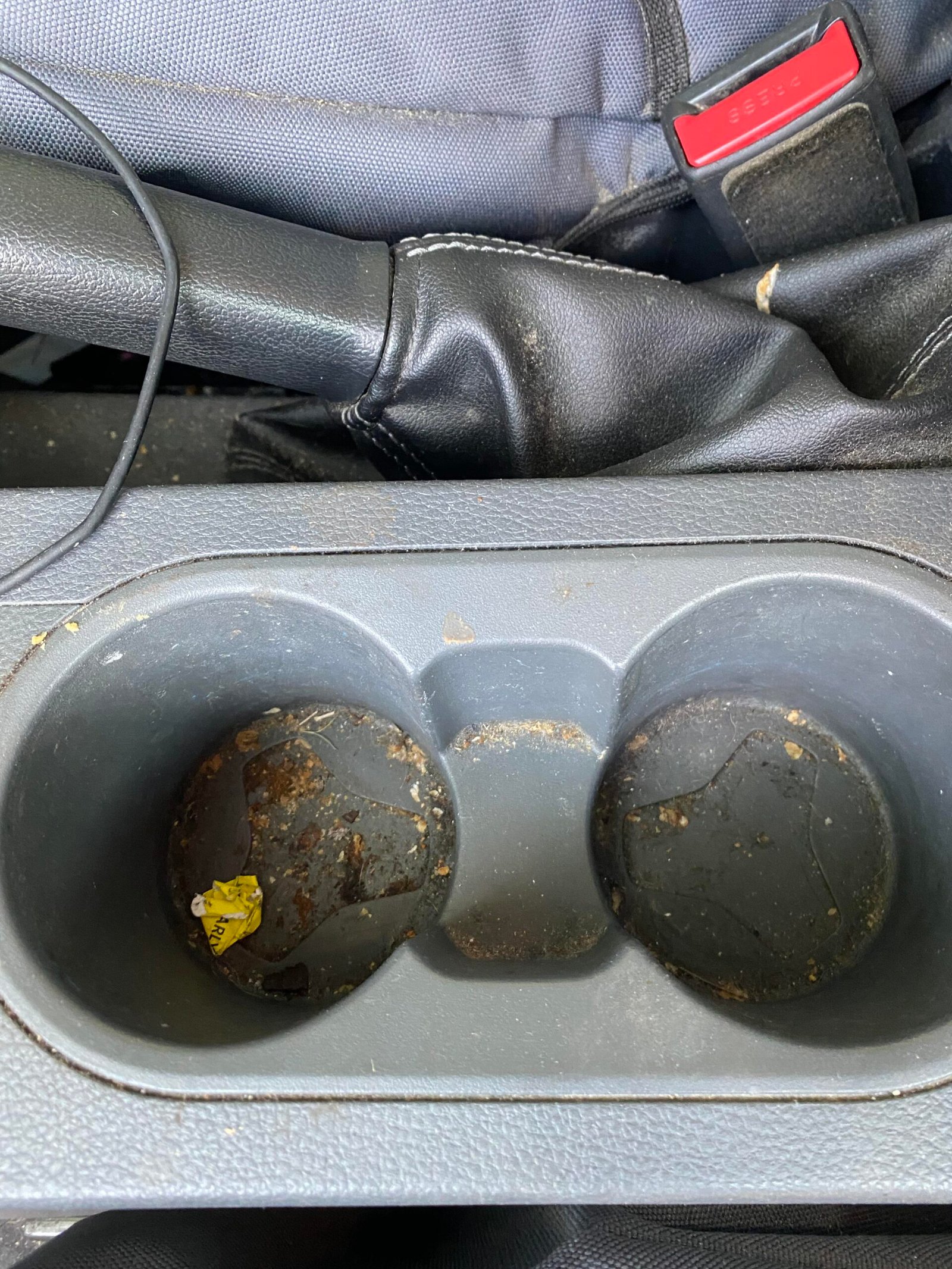
Cup holders may be the easiest place in your car to ignore — until you reach for a drink and your hand lands in a sticky film of dried soda. It's one of those small messes that builds up fast: coffee drips, condensation rings, snack crumbs, loose change, and the occasional crushed fruit snack. The good news is you don't need a professional detailer. With a few basic supplies and ten minutes, you can clean car cup holders until they look new and keep them that way.
Below is the same practical routine that works for quick weekly wipe-downs and for tackling old, dried-on messes. It works on removable liners, fixed center-console holders, and the fabric-lined cup wells found in many minivans and crossovers. For more on this, see our guide on best way to clean car cup holders top.
Why Cup Holders Get So Grimy So Fast
Cup holders are small, dark, and recessed, so spills often sit unnoticed. Sugar and moisture are the main culprits. Soda, sweetened coffee, and juice leave behind sticky sugar residue when they dry. That residue catches dust and lint, then makes the next spill even harder to clean.
Milk and juice can also sour, especially when liquid gets trapped under a removable liner. Condensation from a cold water bottle keeps the area damp for hours, which can lead to mildew in the seams. For more on this, see our guide on how to add more cup holders to your.
Common buildup includes:
- Dried drink rings from cups and bottles
- Crumbs from drive-through meals and kids' snacks
- Dust and lint stuck to sticky residue
- Coins, receipts, and parking tickets piling up
- Moisture trapped under loose cup holder inserts
Pick the Right Cleaning Tools
Before you start, gather everything in one small bucket or tray. You probably already own most of it.
| Tool | Why It Helps |
|---|---|
| Microfiber cloths | Wipe away residue without leaving lint or scratches |
| Small vacuum or crevice tool | Pull out crumbs, sand, and wrappers before wet cleaning |
| Soft-bristled brush or old toothbrush | Scrub corners and textured bases without damaging plastic |
| Cotton swabs | Reach seams, edges, and tight spots around clips or wiring |
| Mild dish soap | Cuts through grease and drink residue safely |
| White vinegar | Helps remove hard-water film and neutralize odors |
| Baking soda | Makes a gentle paste for stubborn, sticky spots |
| Plastic scraper or old gift card | Lifts crusty messes without scratching surfaces |
| Hair dryer (optional) | Dries tight areas quickly and helps prevent mold |
No specialty product is required. If you already own an all-purpose cleaner that is safe for car interiors, it works too.
Know What Your Cup Holder Is Made Of
Not all cup holders are the same, and the wrong cleaner can do more damage than the mess itself.
Removable Rubber or Plastic Liners
Many cars have rubber or silicone liners that pop out for cleaning. Press from underneath or lift the edge gently. If the liner comes out, wash it in the sink with warm soapy water, rinse it well, and let it dry completely before putting it back. For more on this, see our guide on best strollers with cup holders.
Fixed Plastic and Painted Trim
For fixed cup holders, use mild soap and water or an automotive interior cleaner. Avoid harsh solvents like brake cleaner, acetone, or strong degreasers. These can leave white stains on plastic or strip paint from the surrounding trim.
Carpeted or Fabric-Lined Cup Holders
Some vehicles, especially minivans, have fabric-lined cup holders in the rear seats. Do not soak these. Vacuum loose debris first, then use a damp microfiber cloth with a little mild cleaner. Blot, don't scrub. If the fabric gets wet, dry it with a hair dryer on low heat to keep mildew from starting. For more on this, see our guide on best adult car seat carts top picks for.
When in doubt, test any cleaner on an inconspicuous spot first.
How to Clean Cup Holders: Step-by-Step
1. Empty the Cup Holders
Take out every cup, straw, bottle, wrapper, coin, and stray key. If the liner is removable, pop it out now.
2. Vacuum Loose Debris
Use a small vacuum with a crevice tool to remove crumbs, dust, and sand. This step matters more than it seems. If you skip it, you’re basically turning crumbs into paste.
3. Apply Cleaner and Let It Sit
Dampen a microfiber cloth with warm soapy water and wipe the inside of the cup holder. For sticky spots, let the cleaner sit for 30 to 60 seconds. This softens the residue so you don’t have to scrub hard. For more on this, see our guide on how to clean car seat covers.
4. Scrub Gently
Use a soft-bristled brush or old toothbrush for corners and textured bases. Keep the pressure light. If you find yourself pressing hard enough that your knuckles turn white, stop and soften the mess a bit more. The light touch is the same idea as brushing a loose tooth carefully — the goal is to remove the grime without damaging the surface around it.
5. Wipe Away Residue
Use a damp microfiber cloth to remove soap and cleaner residue. If you leave soap behind, it will dry into a new sticky layer. For removable liners, rinse them under running water instead.
6. Dry Completely
Dry the cup holder with a clean microfiber cloth, then use a hair dryer on low or cool to reach deep seams. Trapped moisture is what causes sour smells and mildew, so don’t skip the drying step. Leave the doors or windows open for a few minutes when possible.
How to Tackle Sticky Residue
Sticky residue is the most common cup holder problem. It usually comes from sugar, syrup, or sweetened drinks that dried into a hard film.
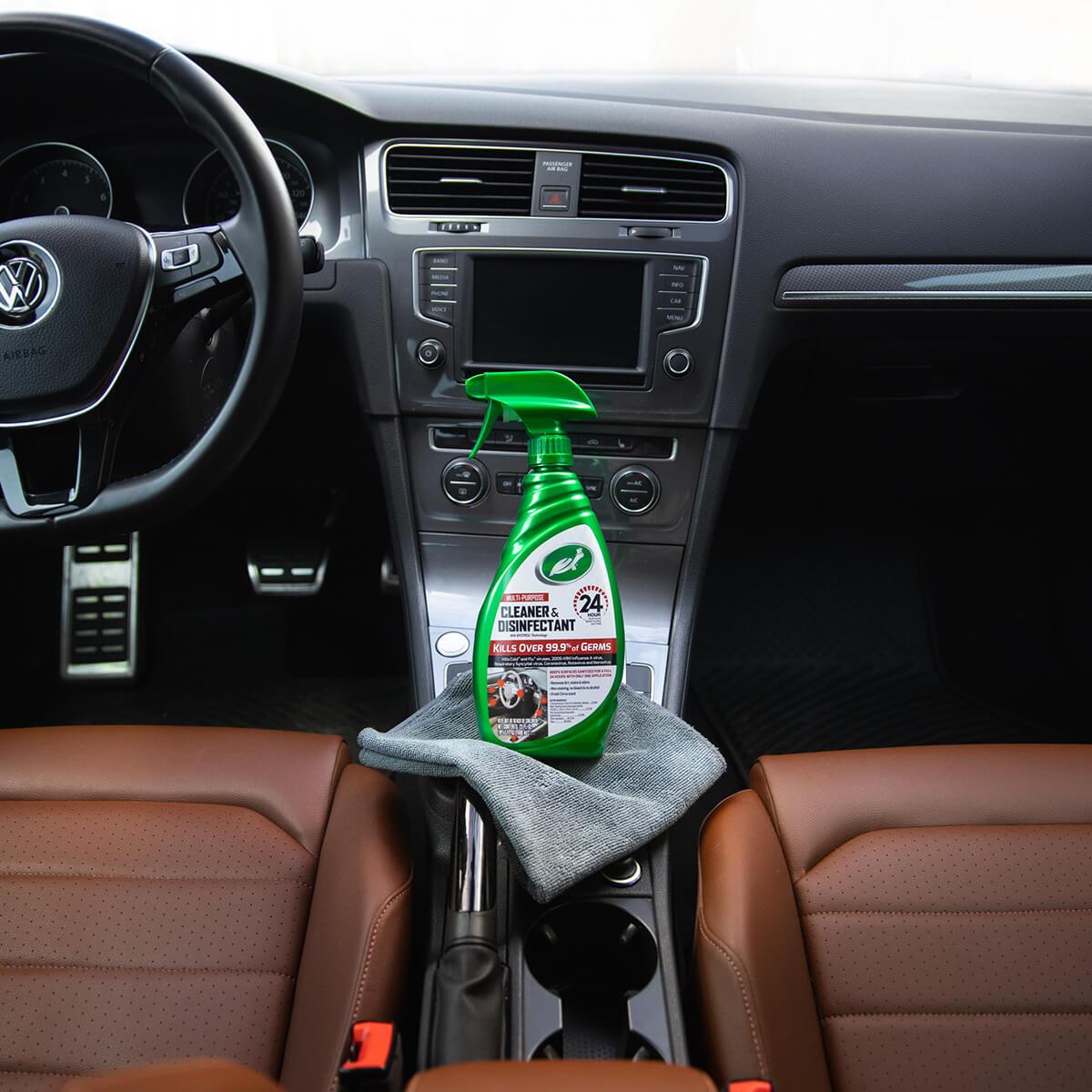
The sticky film usually builds up along the base, exactly where the cup sits.
Credit: www.turtlewax.com
Homemade Cleaning Solutions That Work
- Warm water and dish soap — the safest and most effective option for most cup holders. Use about one teaspoon of soap per two cups of water.
- Vinegar and water — mix equal parts for hard-water stains and odors. Vinegar is gentle on plastic, but don’t let it pool for long.
- Baking soda paste — mix three parts baking soda with one part water. This gives you a mild abrasive that can lift dried drink rings without scratching.
- Rubbing alcohol — 70% isopropyl alcohol on a cotton swab works well for sticker residue, gum, or tree sap. Use it sparingly and only in small areas.
A common misunderstanding is that vinegar and baking soda should be mixed together. In practice, the fizz does less cleaning than people expect. Use one at a time instead.
Store-Bought Cleaners and What to Avoid
If you prefer a store-bought option, choose an automotive interior cleaner or a mild all-purpose cleaner diluted according to the label. Products that carry the Safer Choice label from the EPA are a good starting point if you want an independent safety check on the ingredients.
Avoid bleach, ammonia-based glass cleaners, brake cleaner, and harsh degreasers. They may remove the stain but leave permanent damage on soft-touch plastic, painted trim, or rubber liners.
Remove Dried-On Gunk Without Scratching Anything
If the cup holder feels like dried syrup, stop scrubbing and start soaking.
Place a small folded microfiber cloth or a few damp paper towels inside the cup holder, then add a little warm soapy water on top. Let it sit for 10 to 15 minutes. The water softens the dried sugar and makes the mess much easier to wipe away.
For crusty spots, use a plastic trim tool or an old gift card to scrape gently. You shouldn’t need much pressure, because the soaking step did the hard part.
Removable liners can be soaked in a sink filled with hot water and dish soap for 15 minutes. A handheld steam cleaner also works well for dislodging grease, but be careful around seat wiring and electronics.
Deodorize and Check for Mold
After cleaning, smell the cup holder. If it still smells sour, wipe it with a vinegar and water solution, let it dry, then sprinkle a little baking soda inside and leave it overnight. Vacuum it out the next morning.
If you see dark spots that look like mildew, remove the liner if you can. Wash it with dish soap and water, then wipe the area with 70% rubbing alcohol. Let everything dry completely before reinstalling the liner.
The best way to avoid mold is to keep the cup holder dry. Even a clean cup holder can develop an odor if moisture sits in the seams overnight.
Keep Cup Holders Clean Longer With These Simple Habits
- Use silicone or rubber cup holder liners. They catch spills and can be rinsed in seconds.
- Use bottles with leakproof lids, or check drive-through cups for condensation before setting them down.
- Wipe the cup holders once a week while you’re sitting at a red light or waiting to pick someone up. A quick pass with a damp cloth takes less than a minute.
- Don’t let trash collect there. Coins, receipts, and snack wrappers turn a small mess into a full cleaning job.
- Give the cup holders a deeper clean once a month, or more often in summer when cold drinks make condensation a daily issue.
Family Car Edition: Make Cup Holder Cleaning a 10-Minute Habit
Anyone who drives with kids knows the cup holder is not just a drink spot. It becomes a place where teethers, cereal puffs, pouch caps, and tiny socks go to hide. The fastest way to handle it is to keep the rest of the childcare gear in order.
Before you start cleaning, deal with the gear that makes the car feel cluttered. If a bulky stroller takes up the whole trunk, a quicker stroller folding routine frees up space and makes vacuuming around the seats much easier.
The cup holder should hold drinks, not random parenting gear. That means empty it out as part of your regular routine, just like you keep only the right comfort items in a crib when you’re setting up a safe sleep space. Fewer items in the space means less mess to manage.
If you spend a lot of time running errands around your child’s nap, you already know what it feels like to sit in a parking lot while the baby sleeps. That quiet window is a perfect time to wipe down the cup holders, especially if you have a simple nap-time errand plan that keeps those trips short and predictable.
Spare socks will always find their way into cup holders. It helps to settle on a realistic sock drawer count so you can quickly toss extras back into the laundry instead of letting them collect dust in the car.
Frequently Asked Questions
How often should I clean car cup holders?
Most cars do well with a quick wipe-down once a week and a deeper cleaning once a month. If you drink coffee daily, carry drinks with condensation, or drive with small children, you may need to clean them more often.
Can I use vinegar to clean cup holders?
Yes. Equal parts vinegar and water works well for sticky residue, hard-water spots, and mild odors. It is gentle on most plastics, but test it on a small area first, and do not let it sit in the cup holder for a long time.
How do I remove a cup holder to clean it?
If it is a removable liner, lift one edge gently and pull it upward. Some liners pop out with light pressure from underneath. If it does not move easily, check your owner’s manual before forcing it.
What should I do if my cup holder smells like sour milk?
Remove the liner if possible, wash it with dish soap and warm water, and dry it completely. Wipe the holder with vinegar and water, then leave baking soda in it overnight. The smell should fade if the area is fully dry.
Can I use a magic eraser on cup holders?
You can, but use it carefully. A magic eraser is mildly abrasive and can dull shiny plastic or painted trim. Test it on a small spot first, and use light pressure only for stubborn stains.
What is the best way to clean carpeted cup holders?
Vacuum first, then blot with a damp microfiber cloth and mild cleaner. Avoid soaking the fabric. Dry the area with a hair dryer on low heat to prevent mildew.
Final Thoughts
Cleaning car cup holders takes less time than most people expect. You do not need expensive products or a trip to the detailer — just soap, water, a soft brush, and about ten minutes of attention. Once they are clean, a couple of small habits will keep them that way.
Pick one cup holder tonight and give it the soapy-cloth treatment. You will feel the difference the next time you grab your morning coffee. A clean cup holder makes the whole cabin feel fresher, and it is one of the easiest wins in car care.

Emma Grace is a devoted mother and passionate content writer at BestBabyCart.com. With firsthand parenting experience and a love for research, she creates helpful guides and honest reviews to support parents in choosing the best for their babies. Her goal is to make parenthood easier, one article at a time.