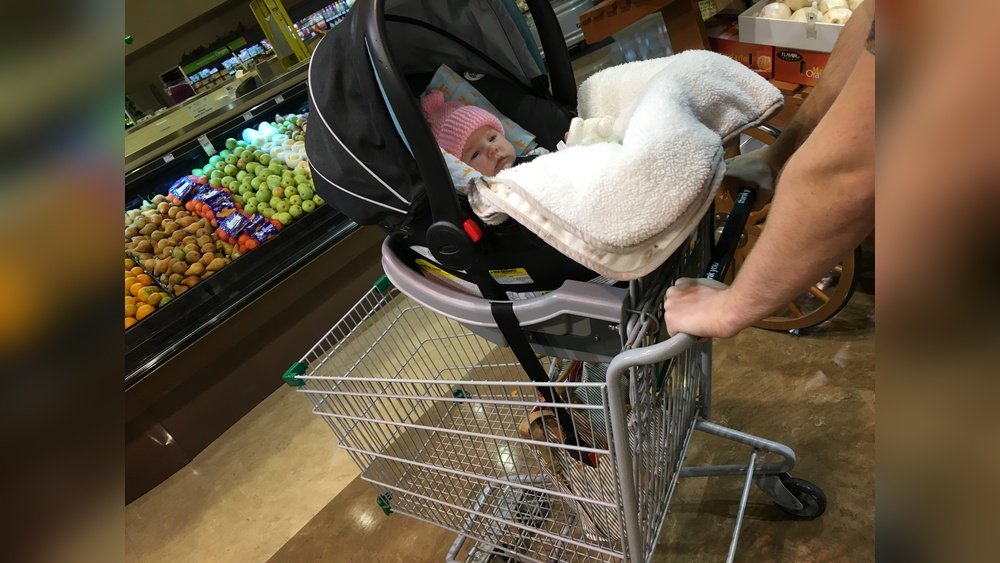
Juggling a fussy toddler, a half-empty shopping list, and a stroller that won’t turn down narrow cereal aisles is a universal struggle for busy parents. Grocery shopping with a stroller doesn’t have to feel like a high-stakes obstacle course, though: with a little planning, the right gear, and simple etiquette hacks, you can glide through the store, get everything you need, and keep your little one happy without breaking a sweat. These actionable, parent-tested tips are designed for real-world grocery runs, no perfect scenarios required.
Pick the Right Stroller for Smooth Grocery Runs
The stroller you use for park walks may not be the best fit for grocery store trips, where narrow aisles, heavy cargo, and uneven floors add extra challenges. Choosing a model built for errands will save you time, reduce back strain, and keep your child safe and comfortable.
Compact vs. Full-Size Strollers: Which Fits Your Routine?
Compact strollers (weighing 10–15lbs, with a folded size of under 20 inches wide) are ideal for small corner grocery stores, quick milk runs, or parents who only carry a few light items per trip. Models like the Babyzen Yoyo fit easily in narrow store aisles and even in self-checkout lanes. Full-size strollers (weighing 20–30lbs, with under-seat baskets that hold 15–25lbs of cargo) are better for weekly bulk hauls, larger big-box stores, or parents with multiple kids. They have larger 8–12 inch wheels that glide easily over cracked grocery store tile, and often come with adjustable handlebars that fit taller parents without back strain. The tradeoff is bulk: full-size strollers take up more space in checkout lines and can be harder to maneuver in crowded stores.
Non-Negotiable Stroller Features for Store Trips
When shopping for a stroller for grocery runs, prioritize these tested features over flashy extras:
- A large, accessible under-seat basket that holds at least 15lbs of cargo, with sides high enough to prevent items from falling out when you turn corners
- 360-degree swivel front wheels that lock in place for stability when you’re standing still, paired with all-wheel suspension to reduce jostling for napping babies
- A one-handed brake that locks both rear wheels with a single press, so you can engage it while holding your child’s hand or grabbing an item off a low shelf
- A handlebar that adjusts to heights between 36 and 48 inches, so both shorter and taller parents can push comfortably without hunching
- A water-resistant canopy that extends far enough to block overhead store lighting (which can be harsh for sensitive babies) or rain if you’re walking to and from your car A common mistake parents make is prioritizing a stroller’s fold size over basket capacity: if you regularly do weekly hauls, a stroller that fits in an overhead bin but only holds a single bag of chips will add more stress than it removes.
Plan Your Trip to Cut Stress and Save Time
A little pre-trip planning eliminates most of the chaos of stroller grocery runs, from mid-aisle meltdowns to forgotten items that require a second trip.
Build a Realistic, Stroller-Friendly Grocery List
A well-organized grocery list cuts down on unnecessary backtracking through crowded aisles, minimizing the amount of cargo you need to carry in your stroller. Start by checking your pantry, fridge, and freezer before you write your list to avoid buying duplicates. Group items by store layout (produce first, then dairy, then dry goods, etc.) to eliminate backtracking with a stroller. If you’re short on time, use your grocery store’s app to pre-build your list, and opt for curbside pickup or delivery for heavy bulk items like 10lb bags of rice or cases of water, which can throw off your stroller’s balance and risk tipping if stuffed into the basket.
Time Your Visit to Avoid Crowds and Fussiness
Timing your grocery trip is one of the easiest ways to reduce stress for both you and your baby. The best time to shop is weekday mornings between 9am and 11am, when most parents are at work and older kids are in school, or right after lunch when toddlers are winding down for naps. Avoid weekend afternoons, holiday weekends, and the hour after school lets out, when stores are packed with families and aisles are too narrow to navigate with a stroller. Align your grocery trip with your baby’s nap window to avoid mid-aisle meltdowns — for age-appropriate scheduling tips, see our guide to planning outings around naps. If your baby goes down early, adjust your shopping schedule to fit their routine, or opt for a quick 15-minute trip during their awake window instead of a long haul.
Prep Your Baby for the Outing
Dressing your baby appropriately for the store will keep them comfortable and reduce fussiness. Grocery stores are often over-air conditioned in summer and overly warm in winter, so dress your baby in thin, breathable layers you can easily add or remove. Avoid loose scarves, hats with dangling ties, or clothing with loose buttons that could get caught in stroller wheels or handles. For cold weather trips, check our tips on dressing your baby for cold outings to avoid overbundling, which can lead to overheating once you’re inside the warm store. If it’s rainy, use the stroller’s canopy to keep your baby dry, and cover the stroller’s wheels with waterproof booties to avoid tracking mud into the store. Pack 1–2 extra diapers and a packet of wipes in a zippered pouch attached to the stroller frame for quick changes if needed. If you use cloth diapers, reference our guide to how many cloth diapers you need for outings to make sure you have enough on hand for longer trips. Pack an extra pair of socks in your stroller’s storage pouch in case your baby’s feet get wet from spilled drinks or rain. For tips on stocking up on baby basics, see our guide to stocking up on baby socks.
 A well-planned trip and the right stroller make grocery runs with kids far less stressful.
Image source: thismamaloveslife.com
A well-planned trip and the right stroller make grocery runs with kids far less stressful.
Image source: thismamaloveslife.com
Pack Smart: Essentials That Keep Everyone Happy
Packing the right items eliminates last-minute stress and keeps your baby content for the full trip, even if you run longer than expected.
Snacks and Entertainment to Avoid Meltdowns
Packing the right snacks and entertainment is the difference between a peaceful trip and a public meltdown. Opt for pre-portioned, mess-free snacks like freeze-dried fruit, whole-grain crackers, or small yogurt tubes that don’t require refrigeration for short trips. Avoid sticky snacks like gummy bears or fruit snacks that can leave residue on stroller fabrics and your baby’s clothes. For entertainment, bring a “special” toy or activity that only comes out for errands: a $1 sticker book, a set of mini animal figurines, or a new board book will hold your baby’s attention far longer than their everyday at-home toys. Quiet activities are best to avoid disturbing other shoppers, and switching between 2–3 small activities every 15–20 minutes will keep your baby engaged without overstimulating them.
Storage Hacks to Keep Hands Free
Reusable bags are a must for grocery trips, but not all are created equal for stroller use. Opt for reinforced, foldable canvas bags that fit easily in your stroller’s under-seat basket, and pack 2–3 insulated bags for frozen or cold items to prevent leaks and spoilage. Attach small zippered pouches to the stroller’s frame (not the handlebar, which can cause tipping) to store coupons, receipts, and small items like hand sanitizer or lip balm for easy access. If you’re carrying a lot of items, pack a lightweight tote in the stroller basket for overflow, so you don’t have to balance multiple bags on your lap while pushing the stroller.
Navigate the Store Safely and Efficiently
Even with the best planning, navigating a crowded grocery store with a stroller requires courtesy and awareness to avoid frustrating other shoppers and keeping your child safe.
Master Aisle and Checkout Etiquette
Navigating crowded aisles with a stroller requires a little courtesy to avoid frustrating other shoppers. Pull the stroller to the side of the aisle when you stop to look at a product, so people can pass you easily. If you’re blocking a high-traffic area (like the dairy case or checkout lanes), step aside completely to let busy shoppers pass. Many large grocery stores have designated “stroller parking” zones near the entrance, deli counter, or pharmacy where you can leave your stroller temporarily if you need to grab a single item from a nearby shelf — just make sure the brake is locked and your child is supervised at all times. At checkout, opt for self-checkout lanes if they’re wide enough to fit both your stroller and your groceries, as they often have shorter wait times and more space to maneuver. If you use a manned checkout, place your stroller to the side of the conveyor belt so you don’t block the cashier or other customers.
Load Your Stroller Basket Without Overloading
Your stroller’s under-seat basket is designed for light, bulky items, not heavy or fragile cargo. Stick to lightweight items like bread, snack packs, cereal boxes, and paper goods in the basket, and avoid placing heavy items like gallons of milk or cases of soda there, as they can throw off the stroller’s center of gravity and cause it to tip. Place fragile items like eggs or glass jars in your reusable bags, not the stroller basket, to avoid breakage. If you do need to carry heavier items, hold them in your arms rather than hanging them on the stroller’s handlebar — hanging more than 2–3lbs of weight on the handlebar can cause the stroller to tip backward even with a child seated, a common safety hazard noted by the CPSC. Use bungee cords to secure loose items like a loaf of bread or a bag of chips so they don’t fall out of the basket when you navigate bumps or turns.

Non-Negotiable Safety Tips for Stroller Shopping
Your child’s safety is the top priority during any grocery run, and small oversights can lead to big risks. Follow these guidelines to avoid common hazards and keep your trip safe.
Keep Your Child Secure at All Times
Always use the full 5-point harness on your stroller, even if your baby is old enough to sit up unassisted — a sudden stop, a bumped stroller, or a wobbly wheel can send them flying if they’re not secured. Fasten the harness snugly enough that you can only fit one finger between the strap and your child’s chest, to prevent them from slipping out. Engage the stroller’s brake every time you stop moving, even for a few seconds to grab an item off a low shelf, to avoid the stroller rolling away unexpectedly. Per CPSC stroller safety guidelines, never leave your child unattended in the stroller, even for a minute to run back for a forgotten item — it only takes a few seconds for a curious toddler to unbuckle the harness or tip the stroller over.
Avoid Common Store Hazards
Grocery stores have unique hazards that aren’t present on regular walks, so stay alert while navigating the space. Watch for wet floors near the produce section or store entrances, which can cause stroller wheels to slip, and avoid areas where stock carts are being restocked, as moving carts can easily bump into a stroller. Keep all bags, purses, and loose items away from the stroller’s handlebar to avoid adding extra weight that could cause tipping, and never hang heavy items like a purse or a bag of groceries on the handles. Keep a hand on the stroller at all times when moving through crowded areas, and avoid blocking emergency exits, fire lanes, or narrow aisles where other shoppers need to pass.
 Always double-check the 5-point harness is fastened securely before moving through the store.
Image source: www.terrycaliendo.com
Always double-check the 5-point harness is fastened securely before moving through the store.
Image source: www.terrycaliendo.com
Post-Shopping Care for Your Stroller
A quick post-trip routine will keep your stroller in good condition for years, and make your next grocery run even easier.
Load Groceries Into Your Car Safely
Once you’ve checked out, loading your groceries and stroller into your car safely will protect both your gear and your child. If you drive an SUV or minivan, fold your stroller first before loading groceries into the trunk to avoid crushing the stroller’s frame or wheels with heavy items. If you drive a sedan, place the folded stroller in the back seat and secure it with a seatbelt to prevent it from shifting while you’re driving. Pack heavier items like cases of water or gallons of milk in the trunk first, then place lighter items on top to avoid crushing fragile groceries like bread or eggs. If you use a Uppababy Vista, master folding your stroller in seconds to cut down on post-trip loading time and get your child home faster for nap time.
Clean and Maintain Your Stroller After Every Trip
A quick post-trip cleanup will keep your stroller in good condition for years to come. Wipe down the stroller’s frame, handlebar, and wheels with a disinfectant wipe after every store trip to kill germs from public surfaces like cart handles and checkout belts. Check the under-seat basket for any sharp items, like broken glass jars or metal can tabs, that could tear the stroller’s fabric, and remove any food crumbs or spills immediately to avoid attracting pests or causing mold. Tighten any loose screws or bolts on the wheels and frame monthly, and wash the stroller’s fabric parts according to the manufacturer’s instructions every 2–3 months. Store the stroller in a dry, cool place away from direct sunlight to avoid fading the fabric or rusting the metal frame.
Frequently Asked Questions
How Can I Safely Park My Stroller While Shopping?
Always park your stroller in designated stroller parking zones if your store has them (most large chains like Kroger, Target, and Walmart offer these near the entrance or deli counter). If there’s no designated zone, park your stroller near a sturdy shelf or wall, engage the brake fully, and keep an eye on your child at all times. Never leave the stroller blocking aisles, emergency exits, or checkout lanes, as this creates a safety hazard for other shoppers and store staff.
What Groceries Fit Best In Stroller Storage?
Lightweight, non-perishable items like bread, snack packs, cereal boxes, and paper goods fit best in your stroller’s under-seat basket. Avoid placing heavy items (10lb bags of pet food, cases of soda) or fragile items (glass jars, eggs) in the basket, as they can cause the stroller to tip or break and spill. Use insulated reusable bags for cold or frozen items to prevent leaks onto the stroller’s fabric, and secure loose items with bungee cords to avoid them falling out while you navigate the store.
How Do I Keep My Child Entertained In A Stroller?
Bring 2–3 small, quiet activities that only come out for errands to keep your baby engaged: a sticker book, mini figurines, or a new board book are all low-cost options that hold attention for 20–30 minutes at a time. Point out interesting items like colorful fruit displays or bakery treats to keep them stimulated, and sing quiet songs or play simple games like I-spy to pass the time. Avoid screens for long periods, as overstimulation can lead to crankiness once you’re home.
What Are Stroller-Friendly Store Features To Look For?
Prioritize stores with wide aisles (at least 36 inches wide, per ADA accessibility guidelines), automatic doors to avoid having to hold the stroller while opening heavy manual doors, and spacious checkout lanes that fit both a stroller and a full cart. Ramps instead of steps at store entrances are also a plus for parents with heavy strollers or mobility challenges. Many smaller local grocery stores also offer stroller-friendly features like narrower, shorter checkout lanes designed for parents with kids, so don’t overlook them for big-box chains.
Final Tips for Stress-Free Stroller Grocery Runs
Grocery shopping with a stroller doesn’t have to be a stressful, chaotic experience. By picking a stroller that fits your routine and store layout, planning your trip around your baby’s schedule and off-peak hours, packing smart snacks and storage solutions, and prioritizing safety at every step, you can turn errand day into a smooth, even enjoyable outing. The key is to adjust your expectations: some trips will go perfectly, and others will end with a mid-aisle snack emergency, and both are totally normal. With these tips in your back pocket, you’ll be prepared for whatever the store throws at you. Bookmark this guide for your next errand run, and share your favorite stroller shopping hack in the comments below to help other busy parents.

Emma Grace is a devoted mother and passionate content writer at BestBabyCart.com. With firsthand parenting experience and a love for research, she creates helpful guides and honest reviews to support parents in choosing the best for their babies. Her goal is to make parenthood easier, one article at a time.