
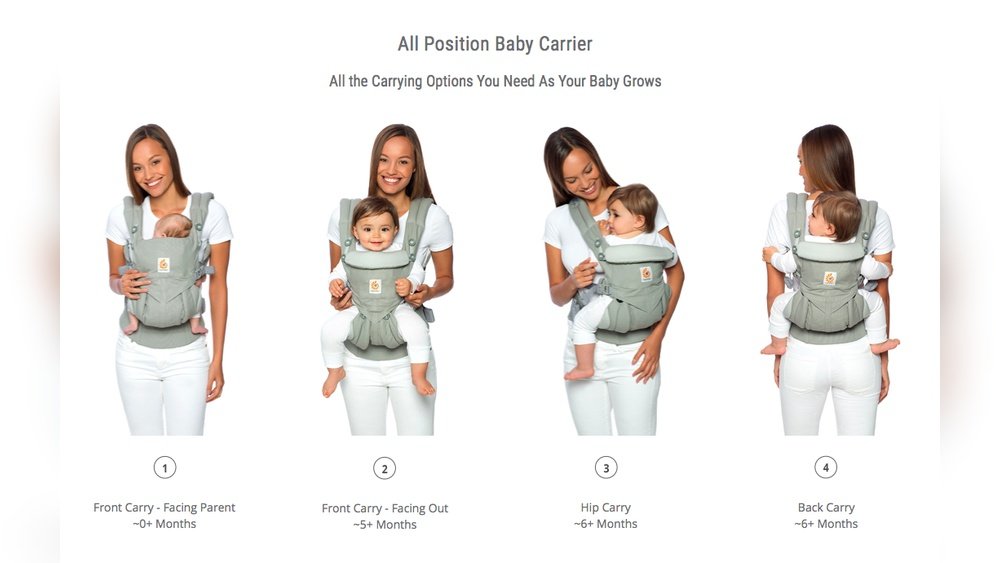
Few baby tools deliver the hands-free freedom and bonding benefits of a well-fitted baby carrier – but for new parents, the array of carrier styles, conflicting safety advice, and vague fitting instructions can make babywearing feel overwhelming. Missteps like poor positioning or an ill-fitting carrier can lead to baby hip strain, parent back pain, or even avoidable airway risks, especially for newborns whose neck and core muscles are still developing. This 2026 guide breaks down everything you need to know to choose, fit, and use a baby carrier safely and comfortably, with step-by-step guidance tailored to every baby’s age and developmental stage.
Choose the Right Baby Carrier for Your Family
The right carrier makes all the difference between a stressful, painful experience and a seamless, enjoyable part of your daily routine. Start by matching the carrier style to your baby’s age, your typical use case, and your own comfort needs.
Common Carrier Types and Their Ideal Use Cases
There are five primary carrier styles, each with distinct pros and cons:
- Wraps: Long stretchy or woven fabric pieces tied around your body and baby. They offer fully customizable fits and are ultra-portable for travel, but have a steep learning curve for new wearers and can be overly warm in hot weather.
- Ring slings: Single-shoulder carriers adjusted with metal rings, ideal for quick errands or nursing on the go. They are lightweight and easy to adjust, but concentrate all weight on one shoulder, making them less suitable for long walks or heavier babies over 25 pounds.
- Soft-structured carriers (SSCs): The most popular style for daily use, with padded shoulder straps, a supportive hip belt, and plastic buckles for easy, secure fastening. Most include newborn head support inserts and even weight distribution, making them beginner-friendly and suitable for babies from birth to toddlerhood.
- Meh dai: A hybrid of wraps and SSCs, with a structured carrier body and long tie straps instead of buckles. They are lightweight, breathable for warm weather, and offer customizable fits, but require practice to tie correctly.
- Back carriers: Structured carriers designed for older babies and toddlers (6+ months, with sufficient core strength to sit upright) for hiking, travel, or carrying heavier children hands-free.
Match the Carrier to Your Baby’s Age and Weight
Always prioritize your carrier’s stated weight and age limits over general guidelines. Most SSCs and wraps are rated for 8–40 pounds, but newborn-specific models include built-in head and neck support for infants under 12 pounds who cannot yet hold their head up unassisted. Avoid using carriers marketed for "birth to 4 months" without additional head support inserts, as these often lack the structural reinforcement needed for newborns’ fragile neck muscles. If you plan to wear your baby for the first year, opt for a convertible carrier that adapts to multiple carry positions as they grow.
Non-Negotiable Comfort and Safety Features
Look for carriers made from soft, breathable fabrics (organic cotton, linen, or mesh for warm climates) that won’t irritate sensitive skin. A wide, padded hip belt that sits low on your hips (not your waist) is critical for taking 80% of the weight off your shoulders and preventing back strain. Adjustable shoulder and chest straps let you customize the fit as your baby grows, while a removable newborn headrest ensures proper support for infants under 4 months. A well-designed carrier should provide the same safe, comfortable sleep environments you curate for your baby’s crib: no rigid seams digging into their torso, no tight straps that restrict movement, and full support for their head, neck, and hips.
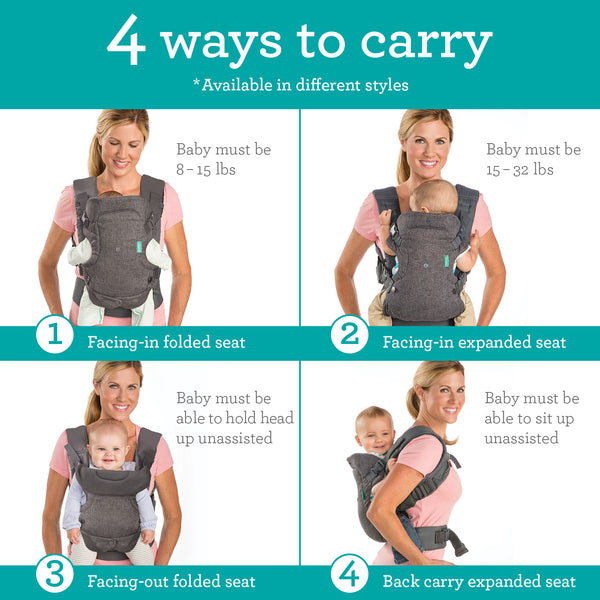 Convertible carriers like this one adapt to multiple carry positions as your baby grows, making them a cost-effective long-term option.
Credit: infantino.com
Convertible carriers like this one adapt to multiple carry positions as your baby grows, making them a cost-effective long-term option.
Credit: infantino.com
Pre-Use Preparation and Safety Checks
Skipping pre-use checks is one of the most common causes of babywearing accidents. Build these short steps into your routine before every use to avoid preventable risks.
Dress Baby for Comfort and Safety
Avoid bulky footed pajamas, thick socks, or oversized coats that push your baby away from your body and create pressure points in the carrier. For guidance on selecting non-bulky baby layers that work for every season, refer to our non-bulky baby layers guide. For cold-weather outings, opt for thin, breathable base layers and a dedicated carrier cover instead of a heavy coat; our cold-weather baby layering breakdown explains how to keep your baby warm without overheating. In warm weather, dress your baby in a single light layer and use a sun hat, as carrier fabric can retain heat from direct sunlight.
Inspect Your Carrier Before Every Use
Take 30 seconds before each wear to check for damage:
- Test all buckles to ensure they click securely into place and show no signs of cracking.
- Check seams and strap edges for fraying, loose stitching, or tears.
- Verify that adjustable sliders move smoothly and hold their position when tightened.
- If you use a secondhand carrier, inspect it thoroughly for hidden wear, and check the CPSC recall database to ensure it has not been pulled from the market for safety defects.
Verify Current Safety Certifications
Always prioritize carriers certified to meet U.S. safety standards set by the Consumer Product Safety Commission (CPSC), which tests for structural integrity, suffocation risks, and fall hazards for infant carriers. Avoid unbranded, no-name carriers sold on unregulated marketplaces, as these often skip required safety testing. Look for a certification label sewn into the carrier’s interior or printed on the packaging, and keep your purchase receipt to reference the model number if a recall is issued later.
Master Safe, Hip-Healthy Baby Positioning
Correct positioning is the single most important factor in safe, comfortable babywearing. The standard TICKS framework, developed by UK babywearing advocacy groups and endorsed by pediatricians worldwide, provides a simple, memorable checklist for every use.
The TICKS Framework for Risk-Free Positioning
Follow these five rules every time you put your baby in the carrier:
- Tight: The carrier should be snug against your baby’s body, with no sagging fabric that could let them slump or slip down.
- In view: Your baby’s face should always be visible to you, with no fabric covering their nose or mouth.
- Close enough to kiss: Your baby should be positioned high enough on your chest that you can easily lean forward and kiss the top of their head without straining.
- Keep chin off chest: Your baby’s chin should never be pressed against their sternum, as this can restrict their airway. A two-finger gap between their chin and chest is a good rule of thumb.
- Supported back: Your baby’s back should be fully supported against your body, with their spine in a natural, curved C-position (not slouched or arched).
Newborn-Specific Positioning Adjustments
Newborns lack the core strength to hold themselves upright, so extra support is non-negotiable. Use the carrier’s built-in headrest or a small, thin rolled cloth to support the back of their head and prevent it from slumping to the side or backward. Keep your baby in an upright, face-in position for the first 3–4 months, as forward-facing positions put too much strain on their developing neck and back. If your baby has reflux, an upright carry position can help reduce spit-up, but always consult your pediatrician for personalized guidance.
Support Healthy Hip Development with the "M" Position
Improper hip positioning can increase the risk of developmental dysplasia of the hip (DDH), a common condition where the hip joint does not form correctly. To avoid this, always position your baby’s hips so their knees are higher than their bottom, with their thighs spread wide around your torso, forming an "M" shape. Avoid carriers that let your baby’s legs dangle straight down, as this puts unnecessary pressure on the hip joint. For carriers proven to support healthy hip development, look for models recognized by the International Hip Dysplasia Institute, which certifies products that maintain the optimal "M" position for infant hips and reduce the risk of DDH.
Avoid These Common Positioning Mistakes
- Letting fabric cover your baby’s nose or mouth, especially when they fall asleep.
- Positioning your baby too low on your torso, which strains your back and makes it harder to monitor their breathing.
- Tightening shoulder straps before the waist belt, which leads to uneven weight distribution and shoulder pain.
- Using carriers that force your baby’s legs into a straight, downward position instead of the spread "M" shape.
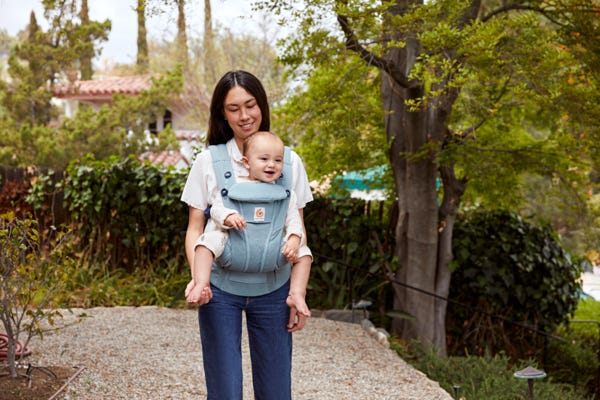 This carrier model is certified by the International Hip Dysplasia Institute for supporting healthy infant hip development.
Credit: ergobaby.com
This carrier model is certified by the International Hip Dysplasia Institute for supporting healthy infant hip development.
Credit: ergobaby.com
Adjust the Carrier for Your Comfort and Security
Even a high-quality carrier will feel uncomfortable if it is not adjusted correctly for your body. Follow these steps to distribute weight evenly and avoid strain.
Step-by-Step Strap Adjustment for Even Weight Distribution
- Loosen all straps completely before placing your baby in the carrier.
- Hold your baby against your chest, ensuring their hips are in the "M" position and their chin is off their chest.
- Fasten the waist belt first, pulling it snug so it sits low on your hips (2–3 inches above your hip bones, not your natural waist). This belt should take 70–80% of your baby’s weight.
- Pull the shoulder straps tight, but not so tight that they dig into your shoulders or restrict your ability to breathe. The straps should sit flat against your chest, not slip off your shoulders.
- If your carrier has a chest or back strap, fasten it to keep the shoulder straps from sliding apart.
- Perform a "bounce test": gently bounce up and down to ensure your baby stays secure and does not slip down.
Troubleshoot Common Discomfort Points
- Shoulder pain: Loosen the shoulder straps slightly and tighten the waist belt more, as most weight should rest on your hips, not your shoulders.
- Back pain: Adjust the shoulder straps so they are evenly distributed across both shoulders, and make sure the waist belt is not sitting too high on your waist.
- Baby leg redness: Loosen the leg openings slightly to eliminate pressure points, and ensure the carrier fabric is not bunched up under their thighs.
- Chafing: Adjust the shoulder straps so they sit flat against your chest, and wear a thin layer of clothing between the straps and your skin if needed.
A well-fitted carrier should offer the same soothing, pressure-free support as a well-made crib mattress, with no tight seams or rigid panels digging into your baby’s torso or legs.
Test the Fit Before Heading Out
Practice adjusting the carrier at home with a partner nearby before your first public outing. Walk around your house, bend over to pick up objects, and reach your arms up overhead to ensure your baby stays secure and you feel no strain. If you feel any discomfort after 10 minutes of wear, readjust the straps before continuing.
Stay Safe While Babywearing
Following basic safety rules eliminates nearly all avoidable babywearing risks. Keep these guidelines top of mind every time you wear your baby.
Monitor for Airway and Breathing Risks
Check your baby’s face and airway every 5–10 minutes, especially if they fall asleep. Ensure no fabric is covering their nose or mouth, and their chin remains off their chest. Newborns have weak neck muscles and can easily slump forward, so keep them in an upright, face-in position for the first 4 months, and avoid forward-facing carries until they have strong head control (usually 5–6 months).
Avoid High-Risk Activities
Never run, jump, or participate in high-impact sports while wearing your baby, as sudden movements can jostle them or cause you to lose balance. Avoid cooking with hot liquids or sharp objects, climbing ladders, riding a bike, or driving a vehicle while wearing your baby. Stay away from slippery surfaces, steep stairs, or crowded areas where you could be bumped into, and always hold handrails when walking up or down stairs.
Recognize Signs of Baby Discomfort
Watch for subtle cues that your baby is unhappy or at risk:
- Fussing, squirming, or crying that does not stop after adjusting the carrier.
- Red marks on their skin that last more than 5 minutes after removing the carrier.
- Sweating or overheating, especially on their back or neck.
- Slumped posture or a chin pressed to their chest.
If you notice any of these signs, stop, remove the carrier, and check for fit issues or overheating. Never ignore persistent crying, as this is almost always a sign that the carrier is not fitted correctly or your baby is unwell.
Clean and Maintain Your Carrier for Long-Term Use
Proper maintenance keeps your carrier safe, functional, and odor-free for years of use.
Washing Guidelines by Carrier Material
Always check the manufacturer’s care label before washing, as guidelines vary by fabric:
- Cotton and linen carriers: Machine wash on a gentle, cold cycle with mild, baby-safe detergent. Avoid bleach or fabric softener, as these can degrade fabric strength and irritate baby’s skin.
- Mesh or synthetic carriers: Hand wash in cool water to prevent damage to the mesh weave, then lay flat to dry.
- Carriers with foam inserts: Remove inserts before washing, and air dry them separately to prevent mildew.
Never machine dry your carrier, as high heat can weaken straps, warp buckles, and shrink fabric. Always air dry flat or hung by the waist belt, never by the shoulder straps, which can stretch under the weight of wet fabric.
Proper Storage to Prevent Damage
Store your carrier in a cool, dry place away from direct sunlight, which can fade fabric and degrade strap strength over time. Avoid damp basements or garages, as moisture can lead to mold and mildew growth. Fold the carrier neatly instead of hanging it, which prevents strap stretching. If you store your carrier for extended periods (e.g., seasonal use), place it in a breathable cotton bag to protect it from dust and pests.
When to Replace Your Carrier
Replace your carrier immediately if you notice any of the following:
- Frayed, torn, or stretched straps that no longer hold tension.
- Cracked or broken buckles that do not click securely into place.
- Expired safety certifications (most carriers are certified for 5 years from the date of manufacture).
- Your baby has outgrown the carrier’s weight limit.
Frequently Asked Questions
What are the benefits of using a baby carrier?
Baby carriers promote parent-baby bonding, reduce crying by keeping infants close to your heartbeat, and give you hands-free freedom to complete daily tasks, run errands, or go on walks. They also support healthy hip and spine development when used correctly, and can reduce parent back strain compared to holding your baby in your arms for long periods.
How do I choose the right baby carrier?
Start by prioritizing a carrier that fits your baby’s current weight and age, with adjustable straps to accommodate growth. If you are a first-time babywearer, opt for a soft-structured carrier with a simple buckle system, as these are the easiest to adjust correctly. Look for models certified by the International Hip Dysplasia Institute if hip health is a priority, and read reviews from other parents of babies in the same age range as yours.
When is it safe to start using a baby carrier?
You can start babywearing from birth as long as you use a carrier with built-in newborn head and neck support, or an insert designed for infants under 12 pounds. Avoid using ring slings or unstructured wraps for newborns without additional support, as these can let small babies slump forward and restrict their airway. Always consult your pediatrician before using a carrier for premature babies or infants with underlying health conditions.
How do I properly position my baby in the carrier?
Follow the TICKS framework: ensure the carrier is tight against your baby’s body, their face is always visible, they are positioned high enough on your chest to kiss their head, their chin is off their chest, and their back is fully supported against your torso. Their hips should be in the "M" position, with knees higher than their bottom and thighs spread wide.
Can I wear a baby carrier while pregnant?
Most manufacturers advise against using a baby carrier during pregnancy, especially in the second and third trimesters, as the pressure of the waist belt can restrict blood flow to the uterus and put strain on your already stressed back and pelvic joints. If you need to carry a baby while pregnant, opt for a light, unstructured wrap that does not sit tight on your belly, and consult your obstetrician for personalized guidance.
How long can I wear my baby in a carrier each day?
There is no strict time limit for babywearing, but most pediatricians recommend taking a 5–10 minute break every 1–2 hours to stretch, adjust the carrier, and give your baby a chance to move freely. For newborns, start with 15–20 minute sessions to build up tolerance for both you and your baby, gradually increasing time as you both get more comfortable.
Can I use a baby carrier for newborns with reflux?
Yes, an upright, face-in carry position can help reduce reflux symptoms by keeping stomach acid from flowing back up the esophagus. Avoid forward-facing or outward-facing carries for babies with reflux, as these positions put pressure on their stomach. Always follow your pediatrician’s guidance for managing reflux alongside babywearing.
Final Thoughts
Using a baby carrier is a skill that gets easier with practice, and the benefits of hands-free freedom and close bonding are well worth the initial learning curve. Prioritize a carrier that fits your baby’s age and weight, follow the TICKS positioning framework every time you wear, and inspect your carrier before each use to avoid preventable risks. With a little practice, you’ll be able to adjust your carrier in minutes and enjoy stress-free outings with your baby – even if you’re navigating strict early nap schedules that once kept you stuck at home all day.

Emma Grace is a devoted mother and passionate content writer at BestBabyCart.com. With firsthand parenting experience and a love for research, she creates helpful guides and honest reviews to support parents in choosing the best for their babies. Her goal is to make parenthood easier, one article at a time.