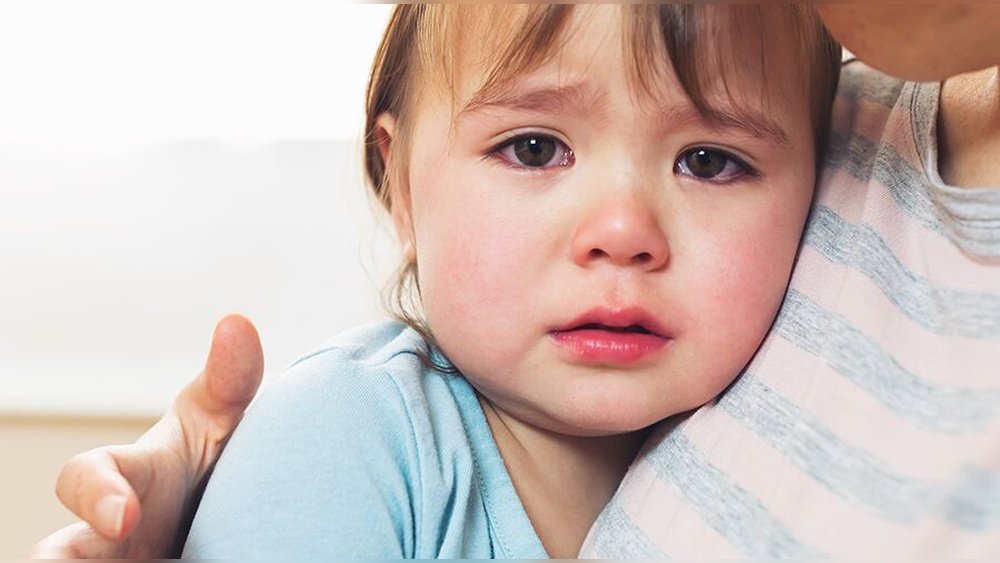
The sharp thud of a baby bumping their head on the crib is enough to stop any parent’s heart. In the split second after the noise, your mind races: Can a baby get a concussion from hitting his head on the crib? How serious is this? While the vast majority of minor crib bumps cause no long-term harm, it is possible for an infant to sustain a concussion from a high-impact collision, and knowing the 2026 evidence-based essential facts helps you avoid unnecessary panic, respond appropriately, and keep your little one safe.
This guide breaks down why infants are uniquely vulnerable to head injuries, exactly what symptoms to watch for, step-by-step steps to take after a bump, current prevention guidelines, and the long-term outlook for infant concussions, all aligned with the latest guidance from pediatric health authorities.
Why Infants Are Uniquely Vulnerable to Head Injuries
Infants face far higher head injury risk than older children or adults due to their ongoing physical development. A baby’s head makes up 25% of their total body weight (compared to 10% in adults), and their skull sutures remain soft and unfused for the first 18–24 months of life to allow for brain growth. Weak, underdeveloped neck muscles cannot stabilize the head during impact, and underdeveloped myelin (the protective fatty layer around brain nerve cells) offers less cushioning against sudden movement. These factors mean even moderate impacts can cause the brain to shift or twist inside the skull, triggering a concussion, whereas the same bump would likely cause no injury to an older person.
Common Crib-Related Impact Scenarios
Most crib bumps fall into one of four common, preventable scenarios:
- A standing baby loses balance and falls backward into the crib’s wooden rail or solid side panel
- A rolling infant collides at speed with the crib corner or wall
- A baby attempts to climb out of the crib and falls from the mattress to the floor below
- A sibling drops a hard toy into the crib that strikes the baby’s head
Low-speed bumps from normal rolling or shifting during sleep almost never cause concussion, as the force is too low to move the brain significantly. In clinical practice, most parents overestimate the risk of concussion from these minor, everyday movements, but close monitoring is still recommended after any impact.
Can a Crib Bump Cause a Concussion?
Yes, it is possible, though rare. Per American Academy of Pediatrics guidance, concussions in infants occur when a sudden impact causes the brain to bounce or twist inside the skull, disrupting normal brain function. Unlike older children, infants cannot describe symptoms like headache or dizziness, so diagnosis relies entirely on observable behavioral and physical changes.
High-impact events like falls from standing height inside the crib carry measurable concussion risk, while gentle taps from normal movement do not. A common mistake parents make is assuming a baby is fine if they fall asleep immediately after a bump; gently rousing them to check alertness is a critical first step that can catch serious injuries early.
Recognizing Concussion Symptoms in Infants
Infants cannot verbalize discomfort, so concussion symptoms appear as behavioral or physical changes. Symptoms can emerge immediately or up to 48 hours after the injury, so continuous monitoring for two full days is required after any head impact.
Immediate Symptoms (0–2 Hours Post-Injury)
- Persistent, unsoothable crying lasting more than 10 minutes despite feeding, rocking, or a pacifier
- Vomiting two or more times in the first few hours after the injury
- Clear fluid or blood draining from the nose or ears
- Unequal pupil size (one pupil larger than the other)
- Bulging or sunken soft spot (fontanelle) on the top of the head
- Seizures or convulsions
- Loss of consciousness for more than two seconds
- Inability to move one or more limbs
- Bluish tint to the lips or skin
Delayed Symptoms (2–48 Hours Post-Injury)
- Extreme irritability when being held or moved
- Difficulty waking for regular feedings
- Unusual changes in sleep patterns (sleeping far more or less than usual)
- Loss of previously acquired skills (e.g., rolling, grabbing toys, babbling)
- Reduced appetite or refusal to eat
- Unusual drowsiness or lethargy
Emergency Warning Signs That Require Immediate Care
Call 911 or go to the emergency room right away if your baby shows any of these signs: unresponsiveness or inability to wake; seizures; severe swelling or a visible dent in the skull; slow, irregular, or paused breathing; inability to move arms or legs; or persistent vomiting that will not stop after two attempts.
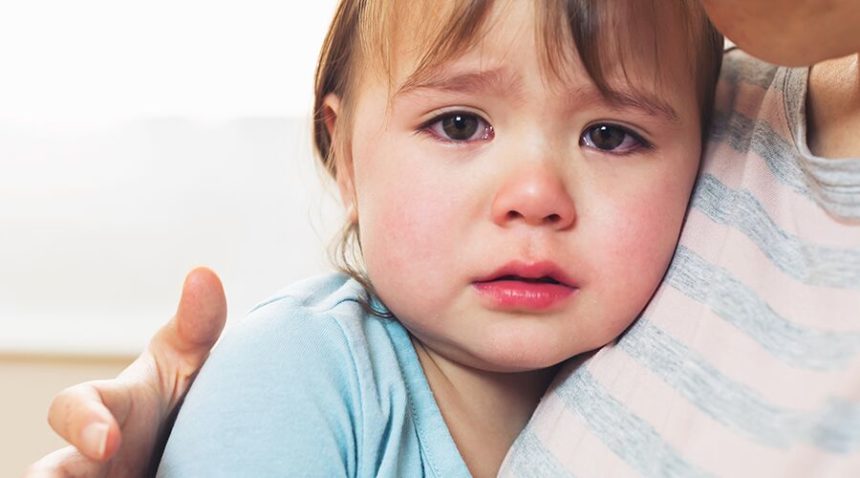 Even minor head bumps should be monitored for 48 hours for concussion symptoms.
Credit: healthtalk.unchealthcare.org
Even minor head bumps should be monitored for 48 hours for concussion symptoms.
Credit: healthtalk.unchealthcare.org
Step-by-Step Response After a Crib Head Injury
This actionable, evidence-based workflow will help you respond calmly and effectively after any crib head impact:
- Stay calm and comfort your baby: Pick them up gently, avoid jostling their head, and use their usual soothing methods (feeding, rocking, pacifier) to calm them.
- Perform a quick visual check: Look for bleeding, swelling, bruising, or a visible dent in the skull. Apply a cool compress to any swelling for 10–15 minutes if needed.
- Monitor for symptoms for 48 hours: For the first 12 hours, gently rouse your baby every 2–3 hours to check for alertness (they should respond to your voice or touch). After 12 hours, let them sleep normally unless you notice concerning symptoms.
- Contact your pediatrician if: Your baby cries for more than 15 minutes straight, vomits once, or has any mild symptoms you are unsure about.
- Seek emergency care immediately if any red flag symptoms appear, as listed above.
Treatment and Recovery Guidelines
For the vast majority of mild concussions with no serious symptoms, full recovery occurs within 7–10 days with at-home care. Medical evaluation is only required if red flag symptoms are present.
- Medical evaluation: If you see a doctor, they will perform a neurological exam to check reflexes, pupil response, and motor function. Imaging (CT or MRI) is only ordered if serious injury is suspected, as repeated radiation exposure is avoided in infants unless absolutely necessary.
- At-home care: Current 2026 AAP guidance recommends gradual return to normal activity as tolerated, rather than prolonged bed rest. Avoid loud noises, bright screens, and overstimulation for the first 24 hours. Offer small, frequent meals and plenty of fluids, using guidelines for baby dish quantities to avoid overfeeding if your baby has a mild headache or reduced appetite.
- Follow-up care: Schedule a check-up with your pediatrician 1–2 weeks after the injury to monitor for developmental delays or persistent symptoms. If symptoms last longer than 4 weeks, your pediatrician may refer you to a pediatric neurologist for further evaluation.
Preventing Crib-Related Head Injuries
Prevention is the most effective way to avoid crib-related concussions, and 2026 safety guidelines have updated significantly from older recommendations (including the now-outdated advice to use crib bumpers).
2026 Safe Crib Setup Guidelines
Per CDC safe sleep recommendations, follow these evidence-based rules to reduce injury risk:
- Use only a crib that meets current CPSC safety standards: slats spaced no more than 2 3/8 inches apart (no more than a soda can can fit between them), no drop-side rails, and no sharp corners or loose hardware.
- Use a firm, snug-fitting mattress with no gaps between the mattress and crib frame.
- Never use crib bumpers, loose bedding, pillows, stuffed animals, or plush toys in the crib: These items pose severe suffocation, strangulation, and fall risks, and do not prevent head bumps.
- Only use age-appropriate crib items that meet safety standards, such as a fitted crib sheet and a wearable sleep sack.
- Place the crib away from windows, blind cords, and furniture that a standing baby could climb onto.
Supervision and Routine Safety Checks
- Check crib hardware (screws, slats, corner posts) monthly for damage or looseness, and repair any issues immediately.
- Once your baby can stand, lower the crib mattress to the lowest possible setting to prevent climbing out and falling.
- Use a baby monitor with movement and sound alerts to stay aware of your baby’s activity during sleep, especially if you need to step away for short periods, following options for monitoring sleeping infants.
- Secure all baby gear (seats, swings, bouncers) to stable surfaces to prevent tipping, as even a shifted baby seat can lead to dangerous falls near the crib.
- Ensure your baby wears enough socks during sleep to stay comfortable, as cold discomfort can lead to restless movement that increases bump risk.
 A CPSC-approved crib with a firm mattress and no soft items reduces head injury risk.
Credit: www.imperfecthomemaking.com
A CPSC-approved crib with a firm mattress and no soft items reduces head injury risk.
Credit: www.imperfecthomemaking.com
Long-Term Outlook for Infant Concussions
For the vast majority of infants who sustain a mild concussion from a minor crib bump, full recovery occurs within 1–2 weeks with no long-term developmental or cognitive effects. Repeated head injuries, however, are a known risk factor for developmental delays, so preventing repeat bumps is critical. If your baby experiences multiple head injuries in a short period, discuss this with your pediatrician to rule out underlying issues like balance disorders or an unsafe crib setup. There is no evidence that a single mild crib bump causes permanent brain damage, but persistent symptoms (lasting longer than 4 weeks) should be evaluated by a specialist to rule out complications.
 Checking the fontanelle for bulging or depression is a key early symptom check.
Credit: www.larosaflowershop.com
Checking the fontanelle for bulging or depression is a key early symptom check.
Credit: www.larosaflowershop.com
Frequently Asked Questions
Can a baby get a concussion from a minor crib bump?
Only high-impact collisions, such as falls from standing height inside the crib, carry meaningful concussion risk. Gentle bumps from normal rolling or shifting during sleep almost never cause concussion, but all head impacts should be monitored for 48 hours for symptoms.
What are the most common concussion symptoms in babies after a crib fall?
Look for persistent unsoothable crying, vomiting 2+ times, unequal pupil size, bulging soft spot, seizures, loss of consciousness, or inability to move limbs. Delayed symptoms include increased irritability, difficulty waking for feedings, and loss of previously acquired skills like rolling.
How can I prevent head injuries in my baby's crib?
Follow 2026 CPSC and CDC guidelines: use a modern, safety-approved crib with a firm mattress, no loose bedding, no crib bumpers, and keep the crib away from climbable furniture. Lower the mattress to the lowest setting once your baby can stand, and check crib hardware monthly for damage.
When should I call a doctor after my baby hits their head on the crib?
Call your pediatrician immediately if your baby cries for more than 15 minutes straight, vomits once, or has any unusual symptoms. Call 911 or go to the ER right away if they have seizures, loss of consciousness, unequal pupils, or trouble moving their limbs.
Conclusion
The short answer to the question Can a baby get a concussion from hitting his head on the crib? is yes, but this outcome is rare, and most minor bumps result in no serious injury. The most important actions you can take are monitoring your baby for symptoms for 48 hours after any head impact, following 2026 crib safety guidelines to reduce injury risk, and seeking immediate medical care if any red flag symptoms appear.
By staying calm, informed, and proactive, you can drastically reduce your baby’s risk of head injury and feel confident navigating any bumps along the way. For more evidence-based guidance on infant safety and nursery setup, explore our full library of trusted baby care resources to keep your little one safe at every stage.

Emma Grace is a devoted mother and passionate content writer at BestBabyCart.com. With firsthand parenting experience and a love for research, she creates helpful guides and honest reviews to support parents in choosing the best for their babies. Her goal is to make parenthood easier, one article at a time.