
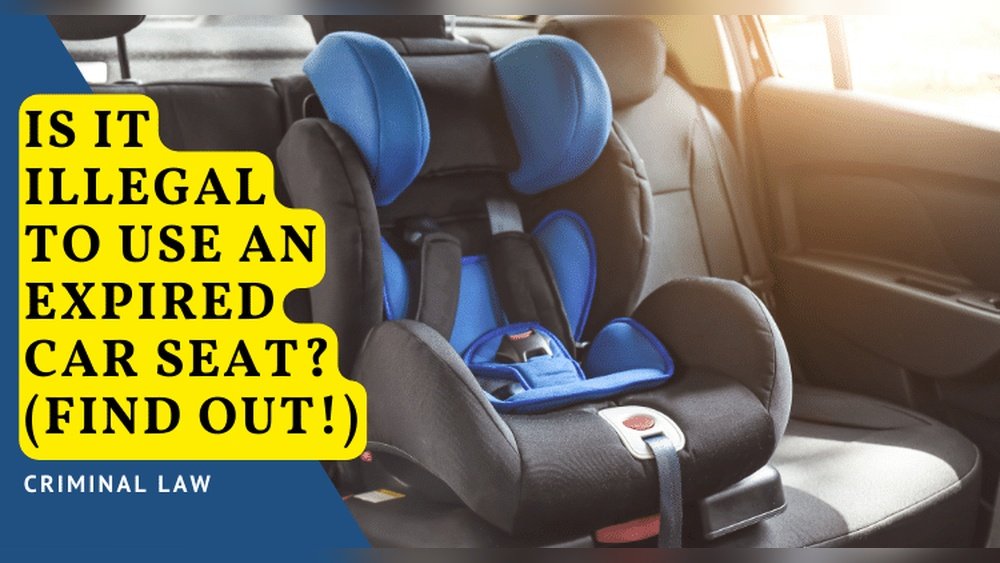
Are you wondering if it’s illegal to use an expired infant car seat? You’re not alone.
When it comes to your baby’s safety, every detail matters. Using an expired car seat might seem harmless, but could it put your child at risk or even break the law? Before you make a decision, it’s important to understand the facts.
Keep reading to discover what you need to know to protect your little one and avoid costly mistakes.
Laws On Expired Infant Car Seats
Understanding the laws on expired infant car seats is important for every parent and caregiver. These laws protect children from injury during travel. Using an expired car seat can be risky and sometimes illegal. Laws vary by region and set clear rules on car seat use and expiration.
Legal Age Limits For Car Seats
Most laws require infants to use car seats until a certain age or weight. Usually, infants must stay in rear-facing seats until at least two years old. After that, some regions allow a switch to forward-facing seats. Age and size rules help keep children safe during travel.
Regulations By Region
Different places have different rules for car seat expiration. Some regions ban the use of expired infant car seats entirely. Others focus on the seat’s condition or visible damage. Knowing local laws helps parents avoid legal trouble and keep children safe.
Penalties For Non-compliance
Penalties for using expired car seats vary widely. Fines are common and can be costly. Some areas add points to a driver’s license or require safety classes. Ignoring car seat laws risks both money and child safety. Compliance is the best choice.
Risks Of Using Expired Car Seats
Using an expired infant car seat poses serious risks. These seats lose their safety features over time. The materials weaken, and crash protection lowers. Safety rules also change, making old seats less reliable. Understanding these risks helps keep your child safe.
Material Degradation Over Time
Car seats face heat, sunlight, and wear. These factors break down plastics and fabrics. The seat may crack or weaken without visible signs. This damage reduces the seat’s ability to protect during a crash. Expired seats no longer meet safety needs.
Impact On Crash Protection
Expired seats may fail in a crash. Padding and straps lose strength and stretch out. The seat frame can become brittle and break. This leads to poor support and higher injury risk. Using a current car seat ensures better crash safety.
Recall And Safety Standards
Safety standards improve over time. Newer seats meet stricter rules for crash tests. Expired seats miss updates on recalls and safety fixes. Using an old seat might ignore important safety warnings. Always check expiration dates and recall notices for safety.
How To Check Expiration Dates
Checking the expiration date on an infant car seat is very important for your child’s safety. Car seats get old and may not protect well after a certain time. Knowing how to find and read the expiration date helps you avoid using an unsafe seat. Here are some simple steps to check the expiration date on your infant car seat.
Locating The Expiry Label
Most car seats have a label that shows the expiration date. This label is usually on the back or bottom of the seat. Sometimes it is under the padding or near the belt straps. Look carefully for a sticker or printed date. The date may say “Expiration Date” or “Use By.”
Manufacturer Guidelines
Each car seat brand has its own rules about expiration. The manual or the brand’s website explains how long the seat is safe to use. Following these guidelines is important for safety. If you do not have the manual, check online for the make and model of your seat.
Common Expiration Periods
Most infant car seats expire after 6 to 10 years from the manufacture date. Some expire sooner if they were in a crash or damaged. Knowing the general time frame helps you decide if the seat might be expired. Always trust the exact date on the seat over general rules.

Credit: saferide4kids.com
Safe Alternatives To Expired Seats
Using an expired infant car seat can be unsafe and often illegal. The materials can weaken and safety features may fail over time. Parents must find safe alternatives to keep their children protected on the road.
Choosing the right replacement is key. Options vary from buying new seats to finding certified used ones. Some also prefer donating or recycling old seats responsibly. Each choice helps maintain child safety without breaking laws.
Replacing With New Seats
New car seats meet current safety standards. They come with the latest technology and design improvements. A new seat ensures your child gets maximum protection. Always check the manufacture date before buying. This guarantees the seat is not expired or close to expiry.
Certified Used Seats
Certified used seats are inspected by professionals. They are safe and affordable alternatives to new seats. These seats must pass strict safety checks. Buying certified used seats saves money and helps the environment. Always get a receipt and confirm certification before purchase.
Donation And Recycling Options
Old or expired car seats should not be thrown away carelessly. Many programs accept donations of seats in good condition. These donations help families in need. Recycling centers can break down old seats safely. This reduces waste and protects the environment. Check local programs for donation or recycling options near you.
Tips For Maintaining Car Seat Safety
Keeping your infant car seat safe is very important. Proper care helps protect your child on every trip. Here are some easy tips to maintain car seat safety. Follow these steps to keep the seat strong and effective.
Proper Installation Practices
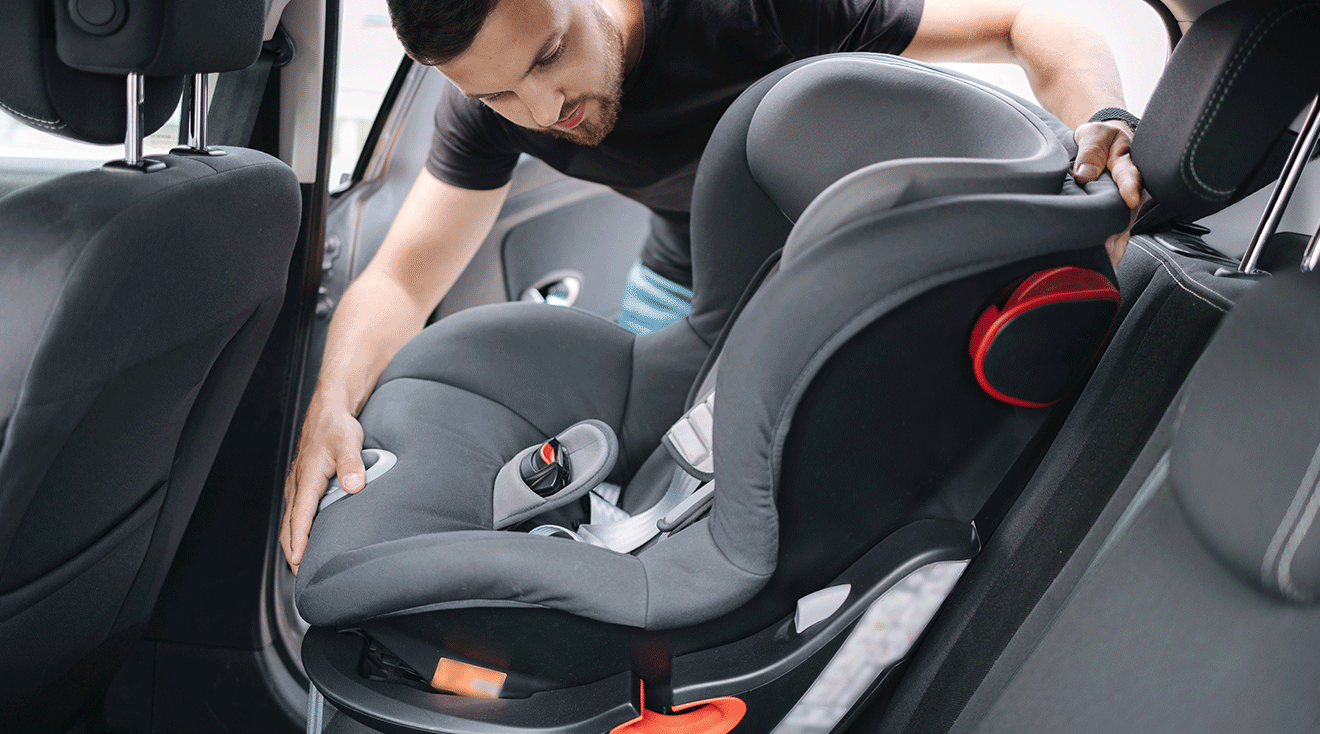
Always install the car seat tightly and in the right direction. Check the manual for the correct angle and position. Use the seat belt or LATCH system as instructed. A loose seat can be dangerous during a crash. Double-check every time you place your child in the seat.
Regular Inspections
Look over the car seat often for any problems. Check for cracks, broken parts, or missing pieces. Make sure the straps are not frayed or worn out. Clean the seat according to the manufacturer’s guide. Regular checks help spot issues before they become risks.
Avoiding Damage And Wear
Keep the car seat away from direct sunlight for long times. Heat can weaken the plastic and materials. Avoid dropping or hitting the seat hard. Store the seat in a dry place when not in use. Protect it from spills and sharp objects to prevent damage.
Credit: www.thebump.com
Frequently Asked Questions
Is It Illegal To Use An Expired Infant Car Seat?
Using an expired infant car seat is generally not illegal, but it is unsafe. Expired seats may not meet current safety standards. Always check your local laws and manufacturer guidelines to ensure compliance and your child’s safety.
How Long Is An Infant Car Seat Valid?
Infant car seats typically expire after six to ten years from the manufacture date. This period varies by brand and model. Expired seats can degrade and fail to protect your child properly during a crash.
Can Expired Car Seats Fail In Accidents?
Yes, expired car seats can fail in accidents. Materials and safety features may weaken over time. This increases the risk of injury to your child during a collision.
What Are The Risks Of Using Expired Car Seats?
Expired car seats may have weakened straps, padding, and plastic components. These degrade over time and reduce crash protection. Using an expired seat increases the risk of injury in accidents.
Conclusion
Using an expired infant car seat can put your child at risk. Laws in many places say you must not use expired seats. Safety standards change, and old seats may not protect well. Always check the expiration date on your car seat.
Choosing a new seat means better safety for your baby. Remember, protecting your child is the most important. Stay informed and keep your little one safe on every trip.

Emma Grace is a devoted mother and passionate content writer at BestBabyCart.com. With firsthand parenting experience and a love for research, she creates helpful guides and honest reviews to support parents in choosing the best for their babies. Her goal is to make parenthood easier, one article at a time.