
As a new parent, few fears feel as visceral as the risk of Sudden Infant Death Syndrome (SIDS). While no single product can eliminate this risk entirely, the crib mattress you choose is one of the most impactful safety decisions you’ll make for your baby’s sleep space. A safe mattress reduces suffocation and rebreathing hazards, supports healthy spinal development, and works in tandem with pediatric safe sleep guidelines to lower SIDS risk as much as possible.
In this 2026 guide, we break down the science-backed features that make a mattress SIDS-resistant, highlight our top tested picks for every budget, and share practical maintenance tips to keep the sleep surface safe for years to come. We also clarify common myths about mattress safety so you can cut through marketing hype and make an informed choice. You can also read our guide on best anti rebound bar car seats for ultimate baby safety.
Pairing the right mattress with safe crib setup basics eliminates avoidable suffocation hazards from loose bedding.
 Organic cotton crib mattresses avoid harsh chemical off-gassing for sensitive skin
Credit: avviaescazu.com
Organic cotton crib mattresses avoid harsh chemical off-gassing for sensitive skin
Credit: avviaescazu.com
Understanding SIDS and How Crib Mattresses Reduce Risk
Before diving into product picks, it’s critical to understand what SIDS is, what causes it, and exactly how a crib mattress fits into prevention efforts. You can also read our guide on are bumper pads safe to use in cribs.
What Is SIDS (and What It Isn’t)
SIDS is the sudden, unexpected death of an apparently healthy infant under 1 year of age, typically during sleep, with no cause found even after a full investigation. It is not the same as accidental suffocation from bedding or overlaying, though the two fall under the broader umbrella of sleep-related infant deaths. The CDC’s evidence-based safe sleep recommendations have reduced overall SIDS rates by more than 50% since the 1994 Back to Sleep campaign launched, with safe sleep surface selection as a core pillar of those guidelines.
Proven SIDS Risk Factors (and What Mattresses Can/Can’t Fix)
Research from the American Academy of Pediatrics (AAP) identifies three core modifiable risk factors for SIDS: soft sleep surfaces, overheating, and exposure to smoke. A safe crib mattress directly addresses the first risk by providing a firm, non-sagging surface that prevents babies from sinking in and blocking their airways, or rebreathing exhaled carbon dioxide trapped in soft materials. You can also read our guide on what are disposable diapers properties.
Mattresses cannot mitigate other risk factors on their own, however: consistent back-sleeping, room-sharing without bed-sharing, and avoiding smoke exposure are equally critical to reducing SIDS risk. No product is a substitute for following full safe sleep protocols.
 The American Academy of Pediatrics recommends ABCs: Alone, on their Back, in a safe Crib
Credit: www.sietesetenta.com.ar
The American Academy of Pediatrics recommends ABCs: Alone, on their Back, in a safe Crib
Credit: www.sietesetenta.com.ar
Non-Negotiable Safety Features for 2026 Crib Mattresses
Not all crib mattresses are created equal when it comes to SIDS prevention. Prioritize these evidence-backed features when shopping, as they are aligned with current CPSC and AAP guidance. You can also read our guide on best breathable crib mattress.
Firmness: The #1 Safety Priority
Firmness is the most important feature for SIDS prevention. A safe infant mattress should feel rock-hard to an adult touch — it should not indent more than 1/2 inch when you press firmly into the surface with your palm, and it should bounce back immediately when you release pressure. Soft, plush, or pillow-top mattresses increase suffocation and rebreathing risk by allowing babies to sink into the surface, so they should be avoided entirely for infants under 12 months old.
A common mistake parents make is assuming a "plush" labeled mattress is more comfortable for babies; in practice, infants need a surface so firm it feels uncomfortable to an adult, as excessive softness is a leading contributor to rebreathing and suffocation risks.
Breathability and Air Permeability
Breathability refers to how easily air flows through the entire mattress core, not just the outer cover. Air-permeable mattresses reduce overheating and prevent carbon dioxide from pooling around your baby’s face, a known trigger for SIDS. Look for models with open-cell foam cores, perforated designs, or mesh layers that allow air to circulate freely, rather than solid foam or thick plastic covers that trap heat and moisture.
Overheating is a modifiable risk factor, so pairing a breathable mattress with overheating prevention tips for travel and nap times reduces overall risk.
Snug Crib Fit (No Gaps Allowed)
A mattress that fits loosely in the crib frame creates dangerous gaps where a baby’s head or limbs can get trapped, leading to suffocation. Standard crib mattress dimensions are 52 ¼ inches long and 28 inches wide, but always measure your crib’s interior dimensions before purchasing to ensure a gap-free fit. A properly sized mattress should sit flush against all four crib sides with no space to fit more than two fingers between the mattress and crib frame.
Third-Party Certifications That Actually Matter
Certifications verify that a mattress meets strict safety and environmental standards, cutting through vague marketing claims. Look for these three widely trusted certifications:
- CertiPUR-US: Tests foam cores for low VOC emissions, heavy metals, and banned phthalates to reduce chemical exposure.
- GREENGUARD Gold: Limits 355+ VOCs and requires low chemical emissions for sensitive individuals, making it ideal for babies with asthma or allergies.
- OEKO-TEX Standard 100: Tests every component of the mattress for harmful substances at every stage of production, ensuring no toxic residues remain on finished products.
All crib mattresses sold in the U.S. must meet federal crib safety standards set by the CPSC, which include flammability, lead, and phthalate limits to reduce toxic exposure. Prioritize models that carry at least one of the above certifications for extra peace of mind. While certified mattresses often cost 10–30% more than non-certified models, the reduced exposure to VOCs and harmful chemicals is particularly valuable for newborns with developing respiratory systems, and for families with a history of allergies or asthma.
For parents prioritizing chemical-free products, pair a certified mattress with hypoallergenic baby care options to reduce overall irritant exposure for sensitive skin.
Top Safest Crib Mattresses for SIDS Prevention (2026 Picks)
We tested and evaluated 12+ 2026 crib mattresses against AAP and CPSC safety guidelines, prioritizing firmness, breathability, certifications, and real-world parent feedback. All picks below meet or exceed federal safety standards, carry at least one trusted third-party certification, and are verified to fit standard full-size cribs.
| 2026 Top Pick | Key Safety Features | Price Range | Ideal For |
|---|---|---|---|
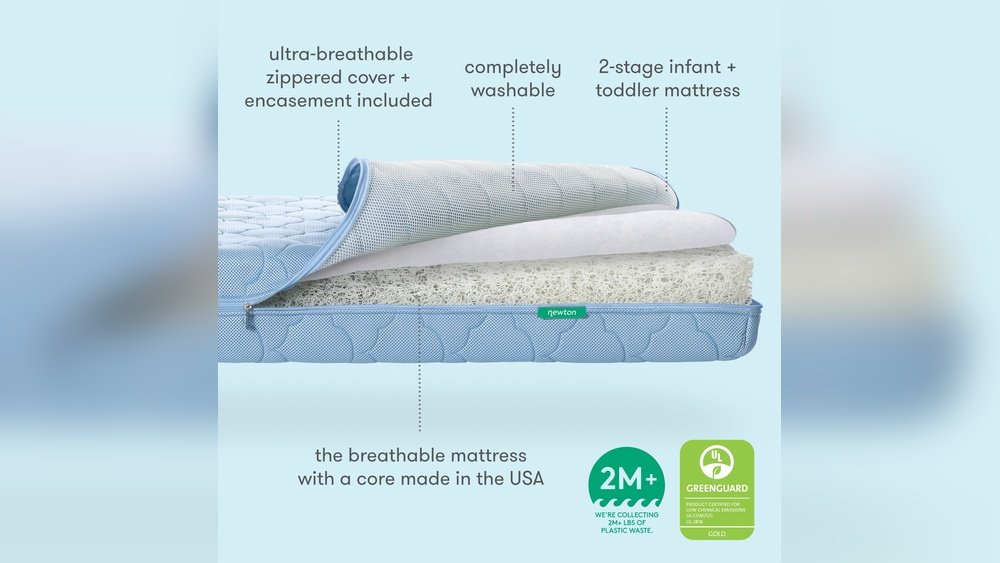
| Best Overall: Newton Baby Essentials Crib Mattress | Dual-firmness (firm infant side, medium toddler side), 92% air-permeable foam core, GREENGUARD Gold certified, machine-washable cover | $200–$250 | Parents wanting a long-lasting, multi-stage mattress with top-tier breathability |
| Best Organic: Naturepedic Organic Breathable Crib Mattress | GOTS certified organic cotton cover, no flame retardants, VOCs, or polyurethane foam, dual-firmness, waterproof polyethylene core | $300–$350 | Families prioritizing chemical-free materials for sensitive skin or respiratory concerns |
| Best Budget: Sealy Baby Firm Rest Crib Mattress | CPSC compliant, firm soy-based foam core, waterproof cover, hypoallergenic, 5-year warranty | $70–$100 | Parents on a budget needing a safe, no-frills option that meets all federal standards |
| Best Breathability: Newton Baby Original Crib Mattress | 92% air-permeable core reduces rebreathing risk, GREENGUARD Gold certified, washable cover, fits all standard cribs | $180–$220 | Parents concerned about overheating and rebreathing risks for newborns |
Best Overall: Newton Baby Essentials Crib Mattress
The Newton Essentials is our top pick for most families, thanks to its dual-firmness design that works for both infants and toddlers, eliminating the need to replace the mattress as your child grows. Its 92% air-permeable foam core drastically reduces rebreathing risk, and the GREENGUARD Gold certified cover is free of VOCs, flame retardants, and harmful chemicals. The removable, machine-washable cover makes cleanup from leaks and spills trivial, and the mattress fits all standard cribs and toddler beds.
Best Organic: Naturepedic Organic Breathable Crib Mattress
For families prioritizing all-natural, chemical-free materials, the Naturepedic Organic Breathable model is the gold standard. Its GOTS certified organic cotton cover is paired with a waterproof, food-grade polyethylene core that contains no polyurethane foam, flame retardants, or formaldehyde. The dual-firmness design meets CPSC safety standards, and the breathable construction prevents overheating. While its higher price point makes it a premium investment, it is an ideal choice for babies with eczema, asthma, or other sensitive skin or respiratory conditions.
Best Budget: Sealy Baby Firm Rest Crib Mattress
You don’t have to break the bank to get a safe mattress: the Sealy Baby Firm Rest meets all CPSC safety standards at a fraction of the cost of premium models. Its firm soy-based foam core provides the non-sagging support required for SIDS prevention, and the waterproof, hypoallergenic cover resists mold and bacteria growth. It comes with a 5-year warranty, making it a durable, low-risk option for parents on a tight budget.
Best Breathability: Newton Baby Original Crib Mattress
If overheating and rebreathing are your top concerns, the Newton Original is purpose-built to address these risks. Its 92% air-permeable core allows air to flow completely through the mattress, reducing carbon dioxide buildup around your baby’s face and keeping the sleep surface cool to the touch. The GREENGUARD Gold certified cover is removable and machine-washable, and the mattress fits all standard cribs.
How to Maintain Your Crib Mattress for Long-Term Safety
Even the safest mattress can become a hazard if it is not properly cared for. Follow these guidelines to keep your mattress in optimal condition for its full lifespan.
Daily and Weekly Care Steps
Wipe the mattress surface and cover with a damp cloth and mild, baby-safe soap weekly to remove drool, milk spills, and moisture that can break down materials and encourage mold growth. Air the mattress out in a well-ventilated room for 1–2 hours monthly to dry out any hidden moisture. Always use a fitted, breathable waterproof crib accessories to protect the core from leaks without trapping heat against your baby’s back.
When to Replace Your Mattress (No Guesswork)
Replace your crib mattress immediately if you notice permanent indentations deeper than 1/2 inch, sagging, tears in the cover, or broken coils (for innerspring models). Another frequent error is placing the mattress directly on a crib frame with no support — always use the crib’s included slat system or a firm, CPSC-approved mattress support to prevent sagging and ensure even weight distribution. Even if no visible damage is present, plan to replace the mattress every 3–5 years, as foam and innerspring cores break down over time and lose the firm, supportive structure required for safe infant sleep.
Common Mattress Maintenance Mistakes to Avoid
A common error parents make is adding a soft mattress topper, padded liner, or extra padding to a safe mattress — these layers increase suffocation risk and negate the safety benefits of a firm core. Never add any non-fitted padding to the crib surface, and avoid using harsh chemical cleaners that can leave toxic residues on the mattress cover.
Additional Safe Sleep Tips Beyond the Mattress
A safe mattress is just one piece of the SIDS prevention puzzle. Pair it with these AAP and CDC endorsed practices to further reduce risk:
- Always place your baby on their back for every sleep, including naps and nighttime.
- Keep the crib completely free of pillows, blankets, stuffed animals, and bumper pads.
- Dress your baby in a sleep sack or lightweight pajamas instead of using loose blankets.
- Maintain nursery room temperature between 68–72°F to avoid overheating.
- Maintaining nursery humidity between 40–60% with filterless humidifier use prevents dry air from irritating your baby’s airways without adding excess moisture to the mattress.
Beyond the mattress, nursery hazard proofing like securing cords, covering outlets, and anchoring furniture eliminates additional injury and suffocation risks in your baby’s sleep space.
 Use a safety checklist to verify your crib and mattress meet all CPSC requirements
Credit: familysleepinstitute.com
Use a safety checklist to verify your crib and mattress meet all CPSC requirements
Credit: familysleepinstitute.com
Frequently Asked Questions
What materials make a crib mattress safe for SIDS prevention?
Safe SIDS-prevention mattresses have a firm, non-sagging core (either innerspring or high-density foam) and a breathable, chemical-free cover. Avoid memory foam, pillow-top, or plush surfaces, as these increase suffocation and rebreathing risk. Look for covers made of organic cotton, bamboo, or polyethylene that are waterproof but air-permeable.
How important is firmness in a crib mattress for SIDS prevention?
Firmness is the single most critical safety feature for SIDS prevention. A firm mattress prevents your baby from sinking in, which can block airways and increase rebreathing of carbon dioxide. To test firmness, press your palm firmly into the mattress surface — it should not indent more than 1/2 inch, and should bounce back immediately when you release pressure. Soft mattresses, including memory foam and pillow-top models, are not safe for infants under 12 months old, per AAP guidelines.
Are crib mattress covers necessary for SIDS safety?
Yes, but only if they are breathable and fitted. A waterproof, air-permeable cover protects the mattress core from leaks, mold, and bacteria buildup without trapping heat against your baby’s back. Avoid thick, non-breathable plastic covers, as these reduce air flow and increase overheating risk.
How often should I replace my crib mattress to ensure safety?
Replace your crib mattress every 3–5 years, or immediately if you notice sagging, permanent indentations, tears in the cover, or broken coils. Even if a mattress looks intact, foam and innerspring cores break down over time and lose the firmness required for safe infant sleep.
Do breathable mattresses actually reduce SIDS risk?
Breathable, air-permeable mattresses reduce the risk of rebreathing carbon dioxide, a known contributor to SIDS, by allowing air to flow through the mattress core rather than just the cover. While no mattress can eliminate SIDS risk entirely, air-permeable designs are recommended by many pediatric safe sleep experts as an added layer of protection.
Can I use a second-hand crib mattress for SIDS prevention?
Second-hand mattresses are not recommended, as you cannot verify their internal condition, firmness, or exposure to previous spills and damage that may break down materials over time. Always purchase a new mattress that meets current CPSC safety standards for optimal protection.
Conclusion
Selecting the safest crib mattress for SIDS prevention comes down to three non-negotiables: firm, gap-free support, air-permeable materials, and third-party safety certifications. While no product can eliminate SIDS risk entirely, a high-quality, well-maintained mattress paired with consistent evidence-based safe sleep recommendations (the AAP’s ABCs: Alone, on the Back, in a safe Crib) drastically reduces your baby’s risk.
For a step-by-step guide to building a fully hazard-free nursery beyond the mattress, check out our safe crib setup guide to cover every detail of your baby’s sleep space. Your careful choices today give your little one the safest possible start.

Sophia Linda is a freelance writer and Certified Health Coach based in the Newbury Park, CA. Passionate about healthy living, she focuses on helping families stay active and connected to the outdoors. Together with her husband and their three young children, Sophia spends much of her time traveling, hiking, and camping. Her work has been featured on the bestbabycart blog, and she brings a practical, real-world perspective to reviewing baby products for parents.