
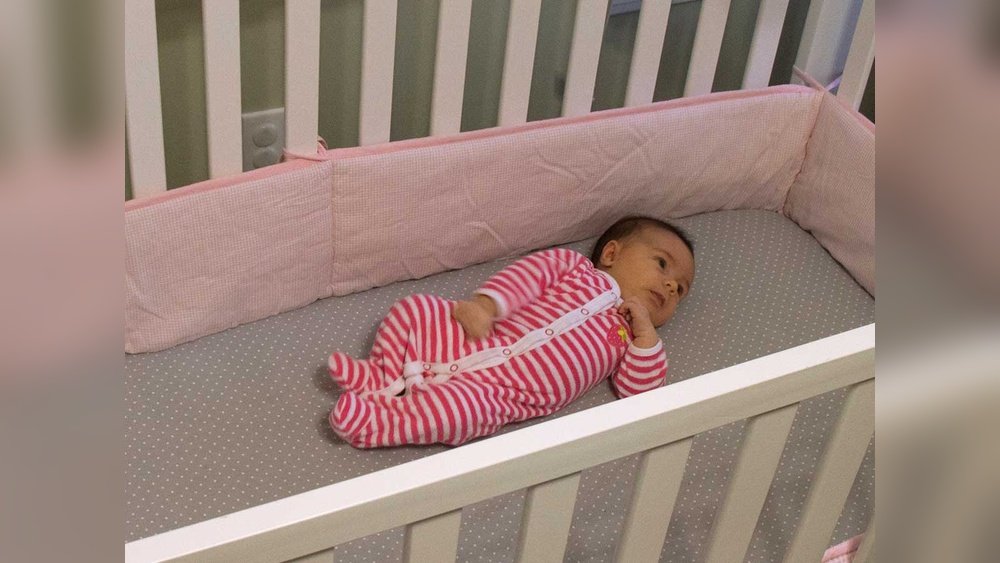
Every new parent faces the crib bumper dilemma: you want to protect your little one from bumping their head or trapping their limbs between crib slats, but you’ve also seen alarming headlines linking these soft accessories to infant suffocation and injury. Conflicting marketing claims and well-meaning advice from friends can make it hard to sort fact from fiction when deciding if and when to use a bed bumper. This guide breaks down 2026 up-to-date safety guidance from leading health authorities, exact age thresholds for use, risk mitigation steps, and safer alternatives to help you make an informed choice for your family’s sleep setup.
What Are Crib Bed Bumpers?
Crib bed bumpers are fabric or padded barriers that attach to the interior rails of a crib, originally designed to prevent babies from bumping their heads on hard wood or metal slats, or to block gaps between slats that could trap small fingers, toes, or limbs. They come in three common styles: thick padded fabric bumpers, breathable mesh bumpers, and tied fabric bumpers that wrap around individual crib rails. While they are often marketed as a harmless, cute addition to a nursery, all styles carry inherent safety risks if used incorrectly, especially for young infants.
2026 Official Safety Guidance for Crib Bumpers
Before discussing age thresholds, it is critical to share the current consensus from leading child safety organizations: the American Academy of Pediatrics (AAP) and U.S. Consumer Product Safety Commission (CPSC) both explicitly recommend against using soft crib bumpers for infants and toddlers of any age, due to documented, preventable risks of suffocation, strangulation, and fall-related injury. Between 1990 and 2019, the CPSC recorded 128 infant deaths and more than 1,000 non-fatal injuries linked to crib bumpers, 88% of which occurred in children under 12 months old.
If you choose to use a bumper despite this official guidance, it is only considered low-risk for children 12 months and older, who have the motor skills to roll, sit up, and stand independently, and can free themselves if trapped or their face is pressed against padding. Even then, only firm, breathable mesh bumpers with no loose ties or decorative elements are considered acceptable, and strict installation rules apply.
Documented Risks of Crib Bumpers
- Suffocation hazards: Soft padded bumpers can conform to an infant’s face, completely blocking their nose and mouth. Infants under 4 months have underdeveloped neck muscles and cannot turn their heads away from obstruction, making suffocation risk extremely high for this age group, even with mesh styles.
- Strangulation hazards: Bumpers with ties, ribbons, bows, or loose fabric fasteners can wrap around a baby’s neck, cutting off airflow. Even mesh bumpers with loose stitching can pose this risk if a child pulls at the material.
- Overheating and reduced airflow: Thick padded bumpers restrict airflow inside the crib, raising the temperature around the baby by 2-4°F on average. Overheating is a proven risk factor for sudden infant death syndrome (SIDS), per official safe sleep guidelines from the CDC.
- Fall and climbing risks: For toddlers over 12 months who can pull to stand, padded bumpers act as a makeshift step to climb out of the crib, leading to serious fall-related injuries. This is the second most common cause of non-fatal bumper-related injuries, per CPSC data.
Exact Age Thresholds for Bed Bumper Use
Ages Where Bumpers Are Never Safe
Crib bumpers are never safe for infants under 12 months old, no exceptions. This age group lacks the motor skills to free themselves from entrapment, and their small airways are easily blocked by soft padding. Even breathable mesh bumpers are not recommended for this group, as they can still pose strangulation risks from fasteners, or entrapment of small limbs in gaps between the bumper and crib rails. Any product marketed as "safe for newborns" is not aligned with current child safety guidance.
Ages Where Bumpers May Be Used (With Strict Safeguards)
For children 12 to 24 months old, bumpers carry significantly lower risk, but only if used correctly. At this age, most children can roll, sit up, and stand without support, so they can move away from hazards if trapped. Only use firm, JPMA-certified breathable mesh bumpers with no ties, ribbons, or decorative elements, and ensure they fit snuggly against the crib rails with no gaps larger than 2 inches.
For children 24 months and older, bumpers are almost never necessary, as most kids transition to a toddler bed at this age, which has built-in side rails that eliminate the need for aftermarket padding. If a child is still in a crib at this age, remove the bumper immediately, as they will likely use it to climb out, increasing fall risk.
Safe Use Guidelines If You Choose to Use Crib Bumpers
If you opt to use a bumper for your toddler, follow these evidence-based guidelines to minimize risk:
Choose the Right Product
Only purchase bumpers certified by the Juvenile Products Manufacturers Association (JPMA) to meet ASTM international safety standards for crib bumpers. Avoid all padded fabric bumpers, and any style with ties, bows, stuffed decorations, or loose fasteners. Look for mesh bumpers with reinforced edges that won’t sag or create gaps.
Install Correctly
Follow the manufacturer’s instructions exactly, and only use bumpers with cribs that meet current federal safety standards (no antique or modified cribs). Ensure the bumper fits tightly against the crib rails with no sagging, and that all fasteners are secured out of your child’s reach. Never modify a bumper to fit a non-standard crib.
Inspect Regularly
Check the bumper weekly for loose seams, torn fabric, broken fasteners, or sagging. Replace it immediately if any damage is found. Wash the bumper monthly according to label instructions to remove dust, allergens, and germs. Remove the bumper as soon as your child begins trying to pull to stand or climb, even if they are under 24 months old.
Avoid Misuse
Never use bumpers to keep your baby warm, as a substitute for a pillow, or to block gaps between crib slats. For warmth, opt for a wearable sleep sack or appropriate seasonal sleepwear rated for your room’s temperature, which eliminates suffocation risk entirely.
Safer Alternatives to Traditional Crib Bumpers
For most parents, avoiding bumpers entirely is the safest choice. These alternatives provide the same protective benefits without the associated risks:
Breathable Mesh Crib Liners
Mesh crib liners are the closest alternative to bumpers, with open-weave construction that allows full airflow, eliminating suffocation risk. They block small limbs from slipping through crib slats, and have no padding that could conform to a child’s face. Look for JPMA-certified models that fit snuggly against crib rails with no gaps. For a full list of vetted, safe safe crib comfort options, refer to our guide to nursery safety.
Adjustable Crib Mattress Height
Lower the crib mattress to the lowest setting as soon as your baby can sit up, to prevent them from climbing out or falling over the crib rails. This eliminates the need for bumpers to block rail gaps entirely, and is a requirement for all cribs meeting current CPSC safety standards.
Wearable Sleep Sacks
Replace loose blankets and bumper padding with a wearable sleep sack, which keeps your baby warm without loose fabric that could pose suffocation risks. Choose a sack with a TOG rating matched to your room temperature to avoid overheating, a key SIDS risk factor.
Safe Crib Setup Best Practices
Keep the crib completely free of all loose items: no pillows, stuffed animals, blankets, bumper pads, or crib toys. Place the crib away from walls, windows, and furniture to eliminate fall and entrapment risks. If you use a portable crib for travel, follow proper portable crib setup guidelines to ensure it is assembled correctly and meets all safety standards.
Common Mistakes Parents Make With Crib Bumpers
- Using secondhand bumpers: Older bumpers may not meet current safety standards, may have damaged ties, or thick padding that poses suffocation risks. Always buy new, JPMA-certified bumpers if you choose to use them.
- Prioritizing style over safety: Many bumpers are marketed with cute patterns and decorative elements, but these add unnecessary strangulation and suffocation risks. Prioritize function over aesthetics.
- Leaving bumpers on too long: Many parents leave bumpers on past 24 months, increasing fall and climbing risks. Remove the bumper as soon as your child can pull to stand, even if they are under 24 months old.
- Using bumpers with non-standard cribs: Modified cribs, antique cribs, or cribs with irregular slat spacing may not fit bumpers correctly, creating gaps where a child’s head can get trapped. Only use bumpers with cribs that meet current federal safety standards.
Expert Tips for a Hazard-Free Crib Sleep Space
Follow these actionable tips from child safety experts to keep your baby’s sleep area as safe as possible:
- Stick to the ABCs of safe sleep: your baby should sleep Alone, on their Back, in a firm, flat crib or bassinet, with no bumpers, loose bedding, or soft items in the space.
- Maintain consistent nursery conditions: keep the room temperature between 68-72°F (20-22°C) to avoid overheating. If you’re concerned about air quality or hidden hazards in the nursery, prioritize nursery mold prevention to eliminate mold and mildew growth that can irritate your baby’s airways.
- Transition to a toddler bed when ready: most children are ready for a toddler bed between 24 and 36 months, when they can climb in and out of the crib safely. If your child resists the transition, adjusting their sleep schedule can help ease the process managing early baby sleep schedules.
- Perform monthly crib safety checks: inspect the crib for loose screws, broken slats, or sharp edges. Ensure the mattress fits snugly with no gaps where a child could get trapped.
Frequently Asked Questions
Are bed bumpers safe for newborns?
No. The AAP and CPSC both recommend against all soft crib bumpers for infants under 12 months, as they pose severe suffocation and strangulation risks. Newborns lack the motor skills to move their faces away from padding or free themselves if trapped, making bumpers a leading preventable cause of infant sleep-related death.
At what age can I use breathable mesh crib bumpers?
Breathable mesh bumpers carry the lowest risk of any bumper style, but are only recommended for children 12 months and older who can move independently, sit up without support, and free themselves from entrapment. Even then, they are not endorsed by leading safety organizations, and safer alternatives like mesh liners exist.
Can I use crib bumpers to stop my baby from rolling into the crib slats?
No. Bumpers are not designed for this purpose, and pose far greater risks than the minor bump bruises they may prevent. Instead, lower the crib mattress to the lowest setting, and use a wearable sleep sack to keep your baby positioned comfortably away from the rails.
What should I do with old crib bumpers I already own?
If you have old padded or tied bumpers, dispose of them safely. Do not donate or resell them, as they may not meet current safety standards and could pose risks to other children. Many local waste management facilities accept them for recycling or specialized disposal.
Are crib bumpers required by law?
No. Crib bumpers are not required for any crib, and multiple U.S. states and countries have banned the sale of soft padded crib bumpers due to their documented safety risks. Always check your local regulations before purchasing a bumper.
Conclusion
The short answer to "at what age are bed bumpers safe?" is: only for toddlers 12 months and older, and even then, only with strict safeguards and safer alternatives available. For infants under 12 months, there is no safe way to use a crib bumper, as the risk of suffocation, strangulation, and injury far outweighs any perceived benefit of protecting your baby from minor bumps.
Prioritizing a safe, clutter-free crib environment is the single most effective way to reduce sleep-related risks for your child. Stick to official safe sleep guidelines, avoid soft accessories like bumpers, and transition to a toddler bed as soon as your child is developmentally ready. For more tips on creating a safe, comfortable nursery space, review our guide to safe crib comfort options to eliminate hidden hazards in your baby’s sleep area.
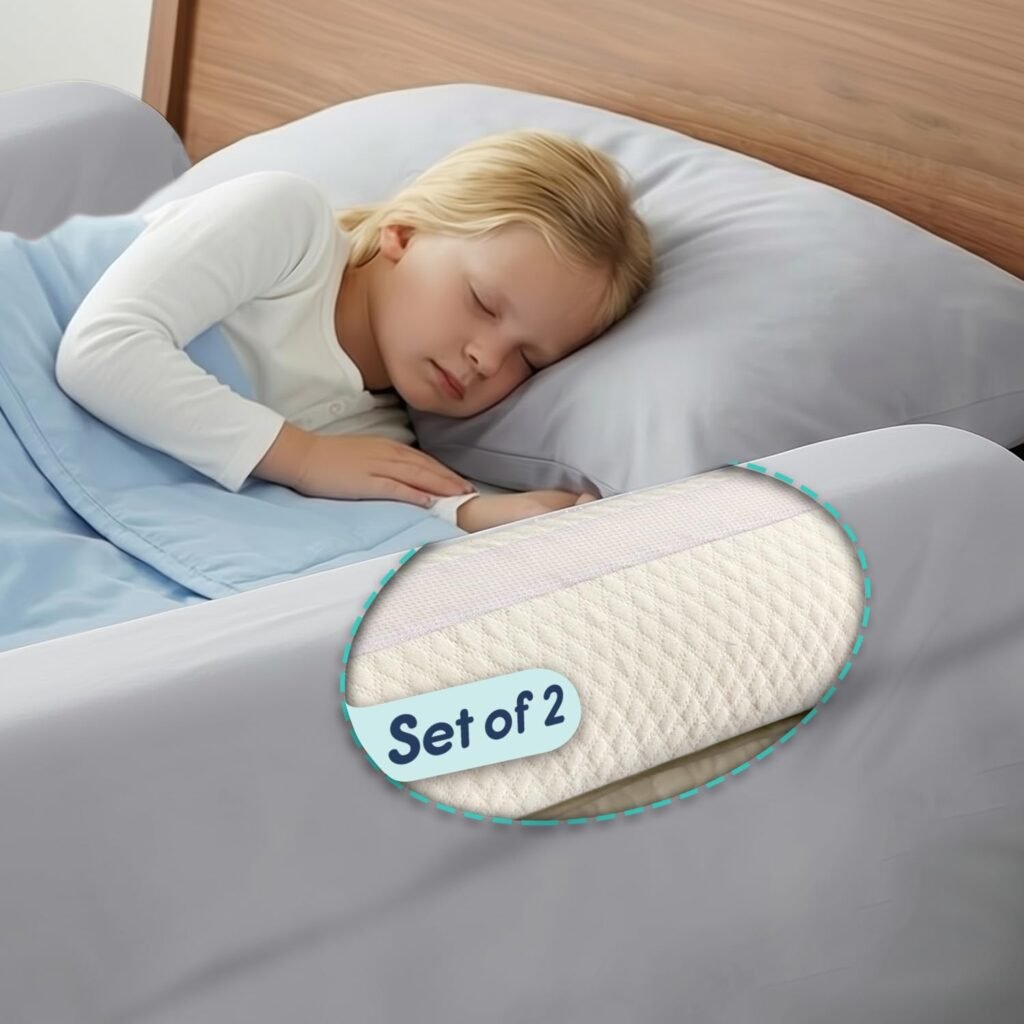 Image: Soft padded crib bumpers, a common but high-risk sleep accessory for young infants
Credit: amazon.com
Shop vetted, safety-certified crib bumpers from trusted retailers
Shop safety-certified crib bumpers
Image: Soft padded crib bumpers, a common but high-risk sleep accessory for young infants
Credit: amazon.com
Shop vetted, safety-certified crib bumpers from trusted retailers
Shop safety-certified crib bumpers
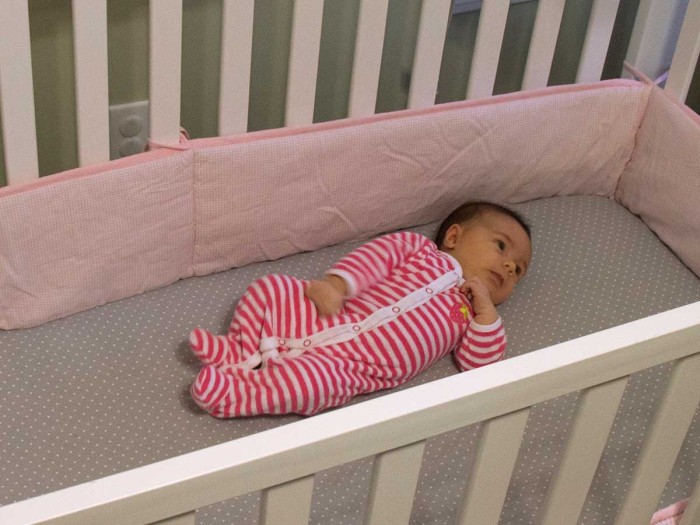 Image: Clinical research linking soft crib bumpers to infant suffocation and SIDS risk
Credit: medicine.washu.edu
Image: Clinical research linking soft crib bumpers to infant suffocation and SIDS risk
Credit: medicine.washu.edu
 Image: Breathable mesh liner, the safest alternative to traditional padded bumpers
Credit: www.halosleep.com
Image: Breathable mesh liner, the safest alternative to traditional padded bumpers
Credit: www.halosleep.com
Frequently Asked Questions
Are bed bumpers safe for newborns?
No. The American Academy of Pediatrics (AAP) and U.S. Consumer Product Safety Commission (CPSC) both explicitly recommend against all soft crib bumpers for infants under 12 months, as they pose severe, well-documented suffocation and strangulation risks. Newborns and young infants lack the motor skills to turn their heads away from soft padding or free themselves if their face becomes pressed against a bumper or trapped between the bumper and crib rail, making these products a leading preventable cause of infant sleep-related death. Even breathable mesh bumpers are not considered safe for this age group, as loose fasteners or gaps can still pose entrapment risks.
At what age can I use breathable mesh crib bumpers if I choose to?
Breathable mesh bumpers carry the lowest risk of any bumper style, but are only considered low-risk for children 12 months and older who have full head control, can sit up and stand without support, and can easily move away from hazards if trapped. Even then, leading child safety organizations do not endorse their use, as safer, risk-free alternatives like mesh crib liners exist. If you do choose to use a mesh bumper for a toddler, only select JPMA-certified models with no ties, bows, or loose decorative elements, and ensure they fit snuggly against crib rails with no gaps larger than 2 inches.
Can I use crib bumpers to stop my baby from rolling into the crib slats or bumping their head?
No. Crib bumpers are not designed for this purpose, and the risks they pose far outweigh any minor benefit of preventing superficial bumps or bruises. Instead, lower the crib mattress to the lowest setting as soon as your baby can sit up, which eliminates the risk of them falling over the rails or using a bumper as a step to climb out. A wearable sleep sack can also help keep your baby positioned comfortably away from the crib sides without loose fabric that could cause suffocation.
What should I do with old crib bumpers I already own?
If you have old padded or tied crib bumpers, dispose of them safely rather than donating or reselling them, as they may not meet current 2026 safety standards and could pose preventable risks to other children. Many local waste management facilities accept these items for specialized disposal or recycling. Never repurpose old bumpers for use as padding in playpens, toddler beds, or other sleep spaces, as they may have damaged seams, loose fasteners, or degraded padding that creates new hazards.
Are crib bumpers required by law for any crib type?
No. Crib bumpers are not required for any crib sold in the U.S. or most other countries, and as of 2026, 14 U.S. states (including California, New York, and Texas) and the European Union have banned the sale of soft padded crib bumpers entirely due to their documented association with infant injury and death. Always check your local regulatory requirements before purchasing any crib accessory.
Conclusion
The short, evidence-based answer to "at what age are bed bumpers safe?" is clear: they are only considered low-risk for children 12 months and older, and even then, only with strict adherence to safety guidelines, while risk-free alternatives are always the preferred choice for child safety. For infants under 12 months, there is no safe way to use a crib bumper—full stop. The risk of suffocation, strangulation, and fall-related injury far outweighs any perceived benefit of protecting your baby from minor bumps or bruising.
Prioritizing a safe, clutter-free crib environment is the single most effective step you can take to reduce sleep-related risks for your child. Stick to the AAP’s ABCs of safe sleep: your baby should sleep Alone, on their Back, in a firm, flat crib or bassinet, with no bumpers, loose bedding, pillows, or soft items in the sleep space. Transition to a toddler bed as soon as your child is developmentally ready, typically between 24 and 36 months, when they can safely climb in and out of the bed without assistance.
If you’re unsure whether your current nursery setup meets the latest safety standards, review our comprehensive guide to safe crib comfort options to eliminate hidden hazards and create a secure, restful sleep space for your little one.

Emma Grace is a devoted mother and passionate content writer at BestBabyCart.com. With firsthand parenting experience and a love for research, she creates helpful guides and honest reviews to support parents in choosing the best for their babies. Her goal is to make parenthood easier, one article at a time.