
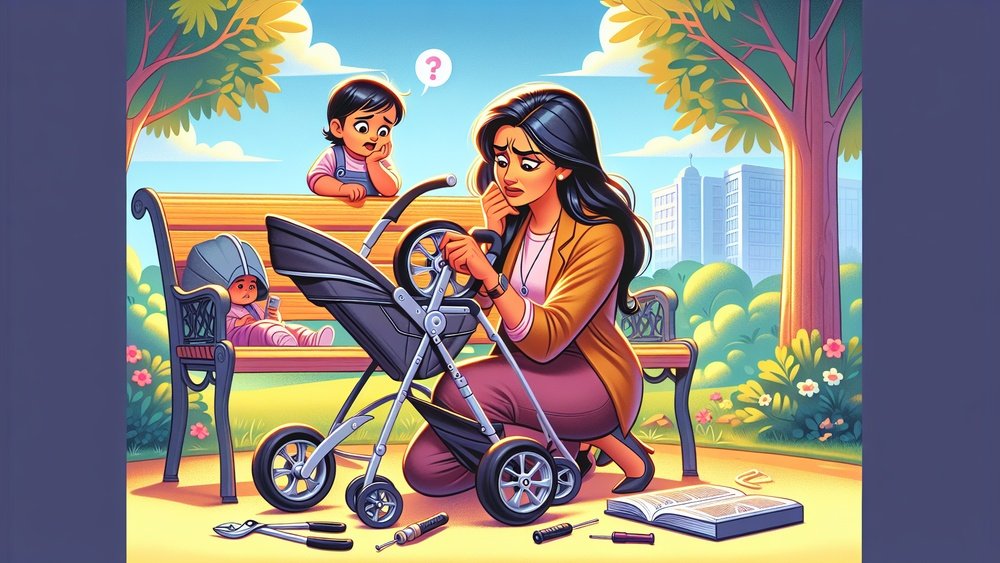
Strollers are one of the most used pieces of baby gear for most families: they carry kids to park outings, daycare drop-offs, weekend errands, and nap-time walks when car trips are too disruptive. When a stroller breaks down mid-outing, it doesn’t just ruin plans—it can create unexpected safety hazards for your child. Most common stroller problems are easy to fix with basic tools and regular upkeep, and catching small issues early can extend your stroller’s lifespan by 2–3 years, saving you hundreds of dollars in replacement costs. Below, we break down the most frequent stroller malfunctions parents face, actionable fixes for each, and clear guidance on when a repair is no longer worth the investment.
Why Stroller Maintenance Matters for Safety and Longevity
Ignoring small stroller issues can quickly turn into serious safety risks. Loose hinges can pinch small fingers, broken brakes can cause tip-overs or runaway strollers, and torn fabric can expose sharp metal edges or broken padding. The U.S. Consumer Product Safety Commission notes that brake malfunction and structural failure are leading factors in preventable stroller-related injuries for children under 5, making regular upkeep a non-negotiable part of responsible parenting. Beyond safety, consistent maintenance avoids costly last-minute replacements when you rely on your stroller for daily routines.
Most Common Stroller Problems and Step-by-Step Fixes
Below are the most frequently reported stroller malfunctions, ranked by how often they occur, with clear, actionable fixes for each.
Wheel and Tire Malfunctions
Wheels are the most stress-prone component of any stroller, especially front swivel wheels that absorb shock from uneven sidewalks, gravel paths, and curbs. The three most common wheel issues are:
- Wobbly wheels: Caused most often by loose axle nuts or a worn swivel lock, not just bent axles. Wobble is most noticeable at low speeds, like when navigating crowded store aisles. To fix: tighten the axle nut with a 10mm wrench (the standard size for most strollers) and confirm the swivel lock is fully engaged. Replace the axle only if it is visibly bent.
- Stuck or jammed wheels: The #1 overlooked cause is hair, string, and small pebbles wrapped tightly around the axle, not just general dirt buildup. To fix: use a flathead screwdriver to carefully remove wrapped debris, then lubricate the axle with silicone spray. Avoid petroleum-based lubricants, as they attract more dirt and grime over time.
- Uneven wheel wear: For air-filled tires, this is almost always caused by low pressure (most models require 30–35 PSI, check your stroller’s manual for exact specs). For foam-filled tires, flat spots can develop if the stroller is left parked in direct sun for weeks at a time. To fix: inflate air tires to the recommended PSI monthly, and rotate tires front-to-back every 3 months to even out tread wear.
| Wheel Issue | Common Cause | 5-Minute Fix | When to Replace Parts |
|---|---|---|---|
| Wobble at low speeds | Loose axle nut, worn swivel lock | Tighten nut, engage swivel lock | Bent axle, cracked wheel rim |
| Wheel won’t spin | Wrapped hair/string, debris in axle | Clear debris, lubricate axle | Seized wheel bearing, broken axle |
| Uneven handling | Low tire pressure, uneven tread wear | Inflate to recommended PSI, rotate tires | Cracked tire, misaligned frame |
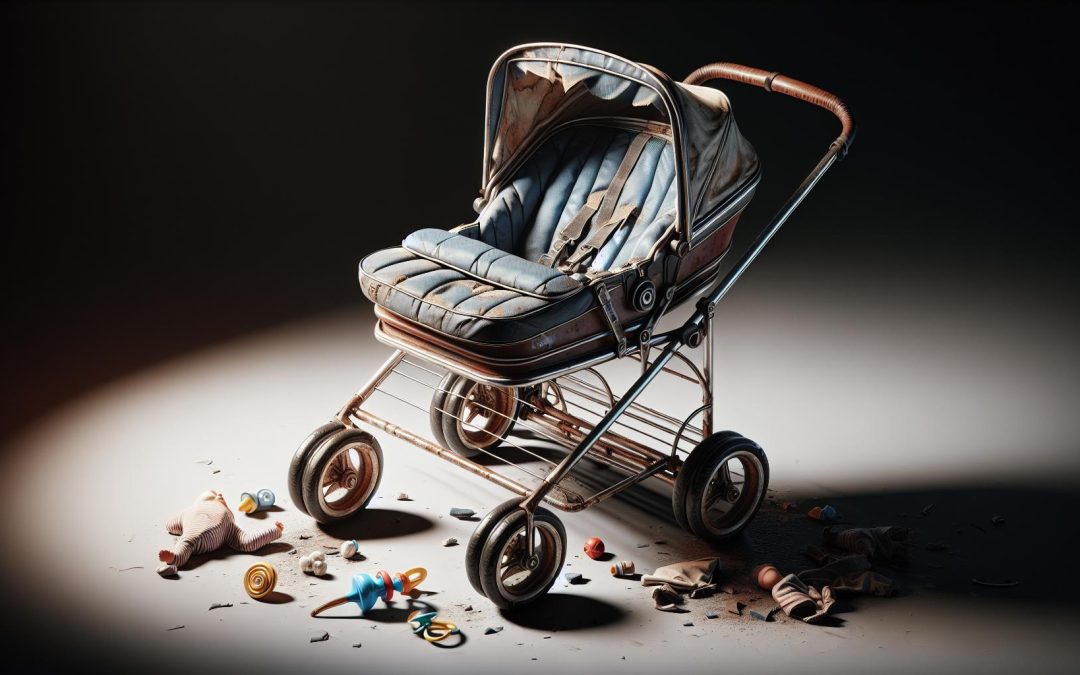 Inspect wheels regularly for embedded debris, bent axles, and uneven tread wear to prevent handling issues.
Image source: shoppingforstrollers.com
Inspect wheels regularly for embedded debris, bent axles, and uneven tread wear to prevent handling issues.
Image source: shoppingforstrollers.com
Brake System Failures
Brake malfunction is a leading preventable cause of stroller tip-overs and runaway incidents, per CPSC stroller safety guidelines, making regular brake checks non-negotiable for every outing. The three most common brake issues are:
- Brake not engaging: Usually caused by dirt buildup in the brake pivot, a loose brake cable (for cable-actuated models), or worn brake pads. To fix: wipe the pivot point with a dry cloth, tighten the cable adjuster (usually a small bolt near the brake lever) by 1/4 turn at a time, testing after each adjustment. Replace brake pads if they are worn down to 1/8 inch or less.
- Brake sticking: Caused by rust from damp storage, old grease buildup, or a misaligned brake arm. A sticking brake will keep wheels locked even after releasing the lever, making the stroller hard to push. To fix: spray silicone lubricant on the pivot point, work the brake pedal back and forth 10 times to spread the lubricant, and wipe off excess to avoid attracting dirt. Never use WD-40, as petroleum-based lubricants degrade rubber brake components over time.
- Incorrect brake tension: Loose tension causes the brake to slip on inclines; too tight tension makes it hard to release. To adjust: locate the small tension screw on the side of the brake arm, turn clockwise to tighten or counterclockwise to loosen. The brake should lock firmly with an audible click, and release with a light lift of the pedal.
Frame and Fold Mechanism Damage
The stroller frame is the backbone of the unit, and damage here makes the stroller unsafe to use regardless of how well other components function. Aluminum frames, the most common material for modern strollers, are prone to stress fractures after 3+ years of heavy use, especially if frequently folded and stored in a car trunk. The most common frame and fold issues are:
- Loose joints and hinges: Caused by repeated folding and vibration from walking on uneven surfaces. Loose hinges cause wobble that puts uneven pressure on your child’s hips and spine. To fix: tighten all hex bolts with the hex key included in most stroller packaging, and apply a drop of thread locker to bolts that repeatedly come loose to prevent future loosening.
- Broken or bent frame: Even small bends cause the stroller to list to one side, making it hard to push and increasing tip-over risk. Minor bends in aluminum frames can sometimes be straightened by a professional bike shop, but cracks or major bends require full frame replacement. Never use a stroller with a damaged frame.
- Fold mechanism malfunctions: The most common mistake parents make is not fully engaging the fold lock before carrying or storing the stroller, which bends the locking mechanism over time. Most modern strollers have a fold lock indicator (usually a red/green mark) that must fully align to confirm the stroller is secure. To fix: clean debris from the locking latch, and spray a small amount of silicone lubricant on hinge pins if the fold feels stuck. For popular Uppababy models, following manufacturer-approved folding steps reduces strain on the locking mechanism by avoiding common user errors.
Fabric, Seat, and Harness Wear
Fabric and seat components affect both your child’s comfort and safety, and are often overlooked during routine maintenance. UV exposure from sun breaks down stroller fabric fibers 2x faster than indoor storage, per standard textile care guidelines. The most common issues here are:
- Torn or worn fabrics: Small tears can be patched with fabric repair tape for temporary use, but large tears that expose padding or metal frames require full seat cover replacement. Sun-faded fabric also loses its UPF sun protection rating, so replace canopies and seat covers with significant fading to maintain UV protection.
- Seat recline issues: Most stroller recline mechanisms use a ratchet system that can skip if the ratchet teeth are worn down, or if heavy items are placed on the back of the seat when it is reclined. To fix: adjust the recline lever slowly instead of forcing it, and avoid overloading the back of the seat with heavy bags or toys.
- Harness and strap problems: Frayed straps or broken buckles are non-negotiable safety hazards—never use a stroller with a damaged harness. Perform the pinch test after buckling: you should not be able to pinch any excess strap at your child’s shoulder level. Clean crumbs and debris from buckle slots monthly with a soft brush to prevent sticking, as food buildup is the most common cause of buckles failing to latch.
Accessory and Storage Component Issues
Storage and accessory features add convenience, but they are also high-wear components that are often overloaded or misused. The most common issues are:
- Basket wear and tear: The #1 cause of basket failure is overloading the under-basket beyond the manufacturer’s 10–15 lb weight limit, which can cause the stroller to tip backward when a child is seated. To fix: reinforce small tears in basket fabric with iron-on patches, and replace the entire basket if the frame is bent or fabric is ripped along the seams. Avoid storing heavy items like diaper bags or groceries in the under-basket; instead, pack only essential planning baby gear for outings to reduce strain.
- Canopy breakage: Plastic canopy clips are prone to snapping if the canopy is forced open or closed when the stroller is folded incorrectly. Replacement clips are available for most popular stroller models for under $10. If your canopy’s UPF coating is faded or peeling, replace it to ensure it still blocks 99% of UV rays, per AAP stroller safety recommendations.
- Accessory attachments: Loose cup holders and snack trays are a leading cause of stroller-related injuries from falling objects. To fix: only use manufacturer-approved attachments, and never attach heavy items like purses to the handlebar, as this can tip the stroller backward.
When to Repair vs. Replace Your Stroller
This is one of the most common questions parents have when facing a major stroller issue, and the answer depends on the severity of the damage and the age of your stroller. Most strollers have a rated lifespan of 5–7 years of regular use, per manufacturer guidelines, as plastic and metal components degrade over time even with perfect care. Repair is worth it if:
- The cost of parts and labor is less than 30% of the stroller’s original purchase price
- The issue is a minor wear part (wheels, brake pads, harness straps) and the frame is intact
- Your stroller is under 5 years old and has no existing structural damage Replace immediately if:
- The frame is bent, cracked, or has visible stress fractures
- Repair costs exceed 50% of the stroller’s original purchase price
- The stroller is past its rated 5–7 year lifespan, as plastic components become brittle and prone to sudden failure
- You have received a safety recall notice for your stroller model (contact the manufacturer for a free repair or replacement before continuing to use it)
Simple Routine Maintenance to Avoid Costly Repairs
A small amount of regular upkeep prevents 90% of common stroller problems, and takes less than 10 minutes a month. Start with a 30-second pre-use check before every outing:
- Press the brake pedal firmly to confirm it locks both wheels
- Spin each wheel by hand to ensure no stuck points
- Buckle the harness and perform the pinch test
- Confirm the fold lock is fully engaged if the stroller was recently folded
Cleaning and Lubrication
Clean the frame and fabric parts monthly with mild soap and water, avoiding harsh bleach or solvents that degrade fabric and plastic. For moving parts (wheels, hinges, brake pivots), use only silicone-based lubricant; petroleum-based products like WD-40 degrade rubber and plastic over time, leading to faster wear. Clear wrapped hair and debris from wheel axles every month, and lubricate all moving parts every 3 months for smooth operation.
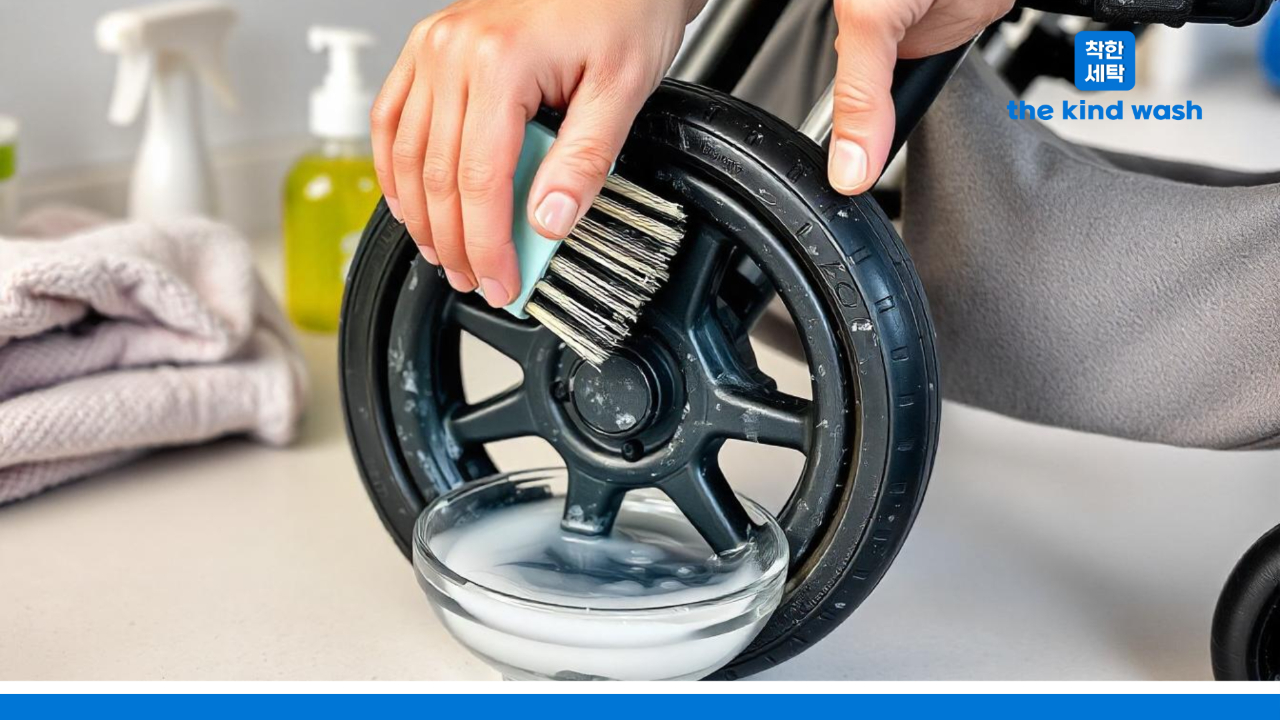 Use a soft brush and mild soap to clear hair, dirt, and string from wheel axles and brake mechanisms monthly.
Image source: thekindwash.com.sg
Use a soft brush and mild soap to clear hair, dirt, and string from wheel axles and brake mechanisms monthly.
Image source: thekindwash.com.sg
Regular Inspections
Tighten all screws and bolts every 6 months, even if they don’t feel loose, as vibration from walking on uneven surfaces can slowly loosen them over time. Inspect tires for cracks or embedded debris before each use, and replace wheels if the tread is worn down past 1/8 inch. Check the harness for fraying or loose stitching every month, and replace it immediately if any damage is found. Pairing this quick check with your routine tracking cloth diaper needs each morning ensures you catch small issues before they become dangerous.
Proper Storage Practices
Store strollers in a cool, dry place away from direct sun and extreme cold. Never leave strollers in car trunks in summer, as temperatures can exceed 150°F, which warps plastic and degrades fabric. Use a stroller cover to protect against dust and moisture if storing in a garage or basement; storing damp strollers in enclosed spaces leads to mold growth on fabric and padding, so follow preventing mold in baby gear best practices for all soft baby items. If you use your stroller in winter, pair it with a cold-weather layering guide to avoid over-bulking your child, which adds unnecessary strain to the frame and brakes.
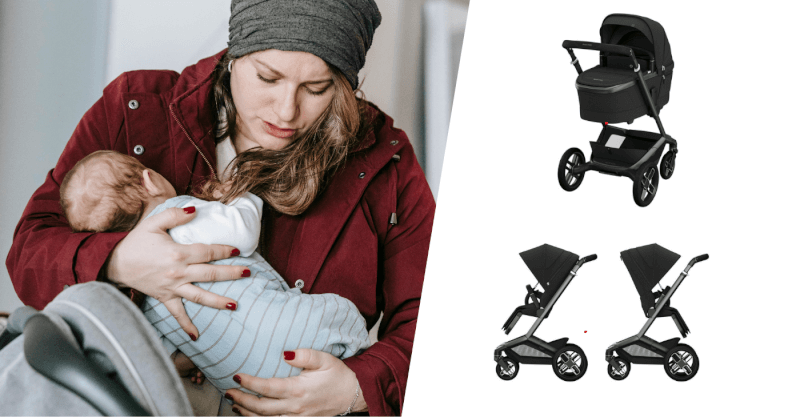 A 30-second pre-use check of brakes, wheels, and harnesses prevents most common stroller malfunctions.
Image source: totsfamily.com
A 30-second pre-use check of brakes, wheels, and harnesses prevents most common stroller malfunctions.
Image source: totsfamily.com
Frequently Asked Questions
What are the most common stroller wheel problems?
The most frequent wheel issues are wobble from loose axle nuts, stuck wheels from wrapped hair and debris, and uneven wear from low tire pressure or misalignment. Monthly cleaning of axles and regular tire pressure checks for air-filled models prevent 90% of wheel-related malfunctions.
Why does my stroller brake fail to engage?
Brake failure is most often caused by dirt buildup in the pivot point, a loose brake cable, or worn brake pads. Clean the pivot with a dry cloth, tighten the cable adjuster by 1/4 turn increments, and replace pads if they are worn down to 1/8 inch. If the brake still slips after these steps, contact the manufacturer for a replacement part.
How can I fix a stroller canopy that won’t stay open?
Broken plastic clips or a worn ratchet mechanism are the most common causes. Replacement clips are available for most stroller models for under $10. Avoid forcing the canopy open or closed, as this will break the clips further.
What causes stroller fabric to tear easily?
Fabric tears are usually caused by sharp objects in the storage basket, frequent folding along the same crease, or UV damage from long-term sun exposure. Patch small tears with fabric repair tape for temporary use, and replace seat covers or canopies with large tears or significant fading to maintain safety and sun protection.
How often should I service my stroller?
Perform a full inspection and lubrication of moving parts every 3–6 months, with monthly cleaning of wheels and axles. Do a 30-second pre-use check before every outing to catch small issues before they become dangerous.
Can I use WD-40 on stroller wheels and brakes?
No: petroleum-based lubricants like WD-40 degrade rubber and plastic components over time, leading to faster wear. Use only silicone-based lubricant for all stroller moving parts.
What is the average lifespan of a stroller?
Most strollers are rated for 5–7 years of regular use by their manufacturers. Plastic components become brittle and metal frames can develop stress fractures after this point, even with perfect care, so replace your stroller if it is past this age regardless of visible wear.
Final Thoughts
Most common stroller problems are easy to fix with basic tools and a regular maintenance routine, and catching small issues early can keep your stroller safe and functional for years. A 30-second pre-use check, monthly cleaning of wheels and axles, and timely replacement of worn parts will prevent most malfunctions that derail outings and put your child at risk. If you’re unsure whether a repair is worth the cost, err on the side of safety: a faulty stroller is never worth the risk of injury. For step-by-step maintenance guides tailored to popular stroller brands, browse our full library of baby gear care resources.

Sophia Linda is a freelance writer and Certified Health Coach based in the Newbury Park, CA. Passionate about healthy living, she focuses on helping families stay active and connected to the outdoors. Together with her husband and their three young children, Sophia spends much of her time traveling, hiking, and camping. Her work has been featured on the bestbabycart blog, and she brings a practical, real-world perspective to reviewing baby products for parents.