
When navigating the exciting world of parenthood, one of your first big gear decisions involves getting out and about safely. A reliable stroller isn't just a convenience; it's a critical piece of equipment for your infant's security. That's why a thorough Stroller safety checklist for new parents is essential.
We've analyzed manufacturer specifications and aggregate safety data to identify key checkpoints. For instance, the U.S. Consumer Product Safety Commission (CPSC) actively monitors stroller recalls, and understanding adherence to standards like ASTM F2050 for stroller frame and safety-tested latch mechanisms is paramount as of 2026. Let's dive into what you absolutely need to know.
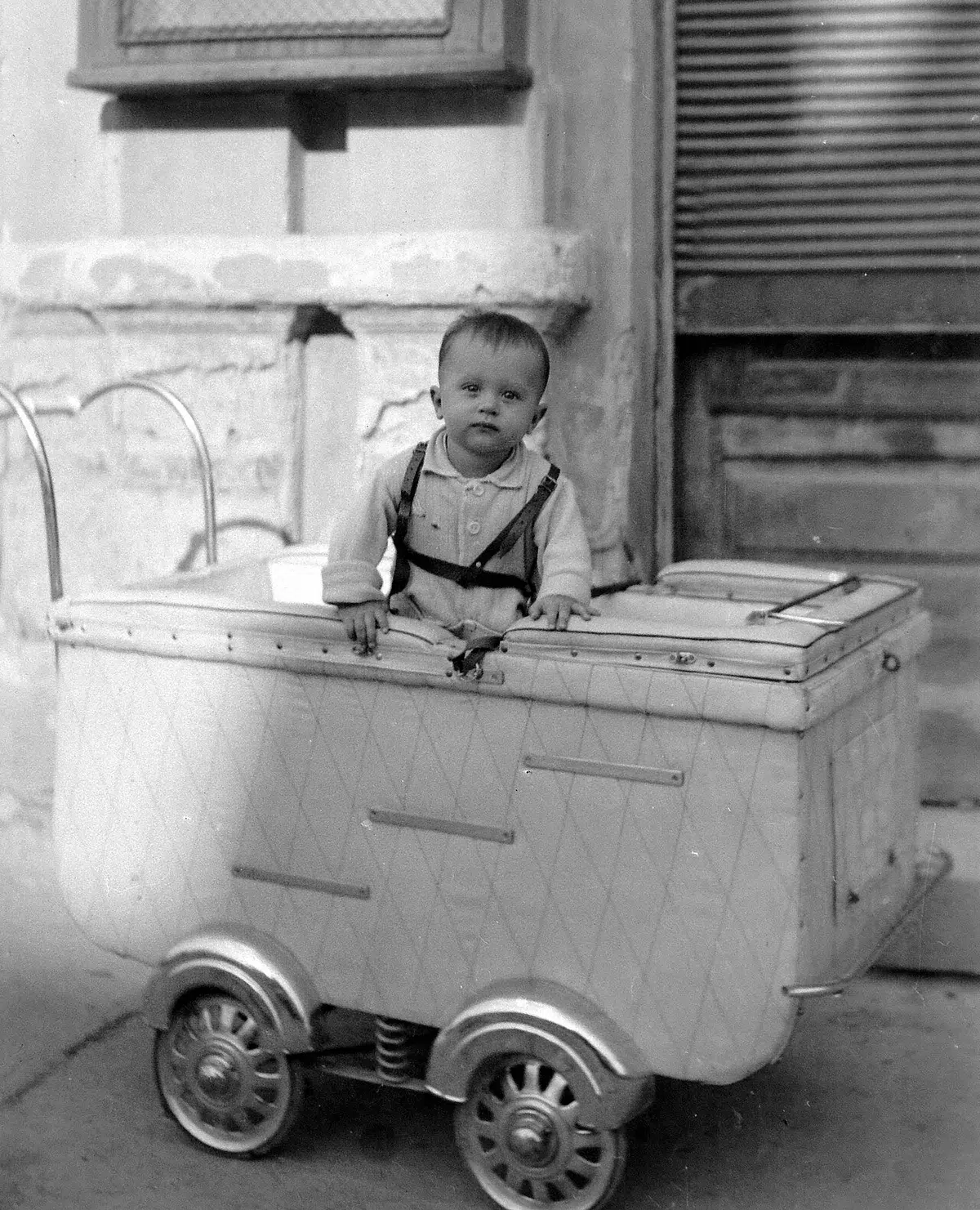
Image source: Wikimedia Commons / FOTO:Fortepan, ID 1413: Adományozó/Donor: Fortepan. archive copy at the Wayback Machine (CC BY-SA)
Why Stroller Safety Needs Your Full Attention
Ensuring your stroller is safe requires more than just a quick glance. Each component plays a vital role in protecting your little one from potential hazards. We're talking about risks like falls, entrapment, or tip-overs if certain features aren't up to par or used correctly.
This isn't about creating anxiety; it's about empowered decision-making and proactive care. By understanding the critical safety elements and performing diligent checks, you drastically reduce the chances of an accident. Investing a few extra minutes in these checks can prevent serious injury.
Decoding Stroller Standards: What You Need to Know
Strollers sold in many regions must meet specific safety benchmarks set by organizations like ASTM International. For example, ASTM F833 is a key standard covering a stroller’s overall safety, including structural integrity, braking performance, and restraint system effectiveness.
These standards are regularly updated based on incident reports and advancements in design and material science. Manufacturers design their products to pass these rigorous tests, but it’s up to you to ensure your specific model is sound and that you're using it as intended. Knowing what these standards aim to protect against helps you focus your own inspections.
Core Safety Features to Inspect Before You Buy
Before you even bring a stroller home, or when giving one a second-hand look, several core safety features demand your attention. These aren't optional extras; they are fundamental to your child's well-being while on the move.
- Frame Stability: Does the stroller feel sturdy, or does it wobble excessively? A shaky frame is a red flag.
- Wheel Lock Mechanism: Ensure wheels lock securely in place, preventing unexpected rolling.
- Seat Structure: The seat should provide adequate support and fit your infant properly, especially for newborns who need to lie flat or be in a near-flat recline.
- Small Parts Risk: Check for any easily detachable small parts that could be a choking hazard for a curious toddler.
The Five-Point Harness: Your Child's Lifeline
The five-point harness is arguably the most critical safety feature on any stroller. It’s designed to keep your child securely seated, preventing them from sliding out or standing up unexpectedly. When properly adjusted, it distributes a fall’s impact across the child’s shoulders, hips, and between their legs.
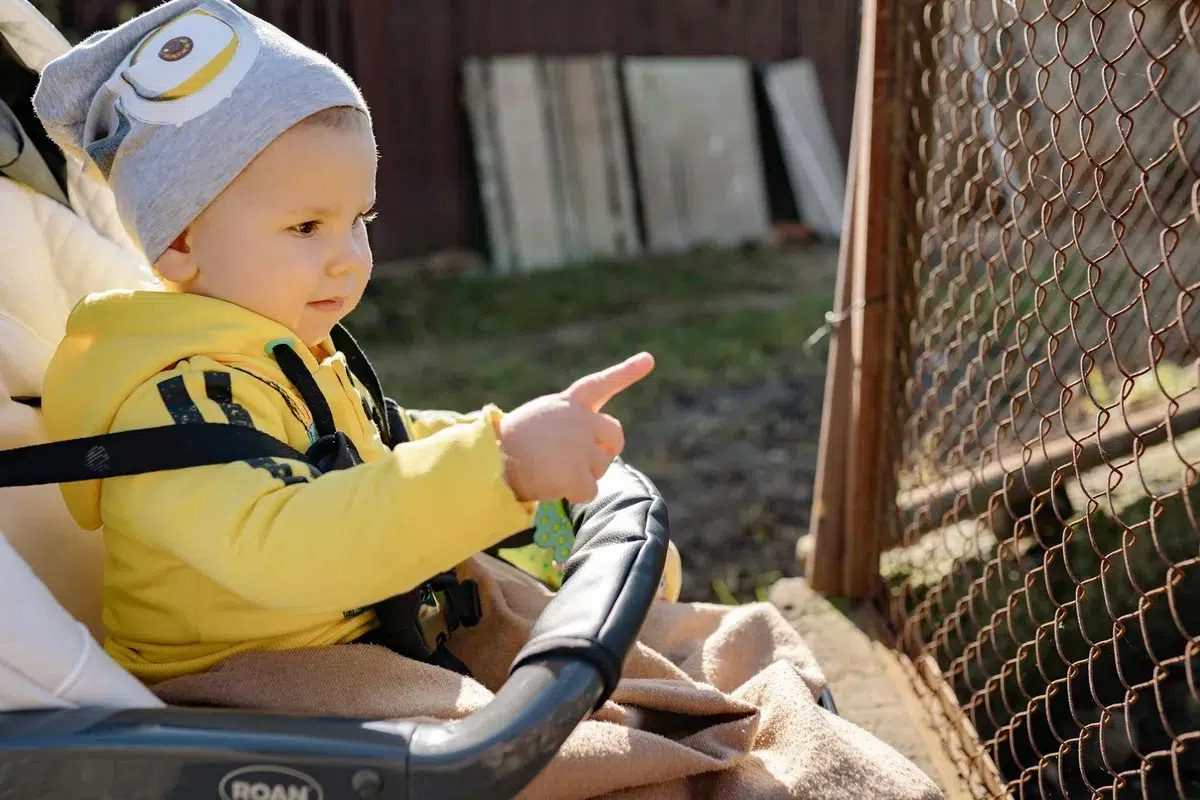
Image source: Pexels / Yan Krukau (Pexels License)
It’s crucial to understand that a five-point harness is only effective if used correctly. This means all five points, two shoulder straps, two hip straps, and a crotch strap, must be buckled and snugly adjusted. The shoulder straps should ideally be at or just above shoulder level for younger infants, allowing for a secure fit without being too loose.
- How to Check: Can you fit only one or two fingers between the harness straps and your child’s body when buckled? If you can fit more, it’s too loose.
- Adjustment Points: Most harnesses have multiple slots for shoulder strap height. Ensure you've selected the correct slot for your child's growth.
- Buckle Function: The buckle mechanism itself should be robust and intuitive to operate for an adult, but not so easy that a child can unlatch it.
Brake System Checks: Stopping Power You Can Trust
A reliable brake system is non-negotiable for stroller safety. It prevents the stroller from rolling away on any incline or even on flat surfaces when you're briefly distracted. Most strollers will have a rear-wheel braking system operated by a foot pedal.

Image source: Pexels / Kamaji Ogino (Pexels License)
What to look for:
- Engagement: When you press the pedal down, does it fully engage the brakes on both rear wheels? You should hear a distinct click or feel a solid lock.
- Release: Conversely, when you lift the pedal or trigger the release mechanism, do the wheels turn freely?
- Strength: Test it on a slight slope if possible. The brakes should hold the stroller firmly in place without any sliver of movement.
- Locking Feature: Some higher-end strollers have a central brake that locks all wheels. Understand how this operates if your model has one.
If the brakes feel weak, don't fully engage, or release too easily, this is a serious safety concern that needs immediate attention.
Frame and Wheel Stability: Preventing Tipping Troubles
A stroller’s frame and wheel configuration directly impact its stability. A wobbly or poorly designed frame, or wheels that don’t maintain proper contact with the ground, can lead to tip-overs. This is especially risky when navigating uneven surfaces or when items are hung from the stroller handles.
Key areas of focus:
- Base Width: A wider base generally offers more stability.
- Suspension: While not solely a safety feature, good suspension can help maintain wheel contact over bumps, contributing to stability.
- Handlebar Design: Ensure the handlebar is sturdy and doesn't encourage hanging heavy bags, which can unbalance the stroller and cause it to tip backward.
Always distribute weight evenly, placing diaper bags or shopping items in the designated storage basket rather than on the handlebars. Manufacturer specifications often detail the maximum weight allowance for both the child and any storage.
Canopy and Recline Safety for Little Ones
The canopy on a stroller serves a crucial purpose beyond just shade; it offers protection from harmful UV rays. Many modern canopies are designed with UPF (Ultraviolet Protection Factor) ratings, typically UPF 50+. This means it blocks over 98% of the sun’s damaging rays.
When considering recline positions, especially for newborns, ensure the seat can go nearly flat. This is vital to prevent positional asphyxiation, a risk with infants whose neck muscles are not yet strong enough to keep their airway open in a deep recline or slouch. A stroller designed for infants should have an appropriate infant recline setting supported by safety standards.
Understanding Weight Limits and Stroller Load
Every stroller comes with a clearly stated weight limit, and exceeding it poses a significant safety risk. Manufacturer specifications confirm that while these limits vary by model, they are designed to ensure the stroller remains stable and its components don't fail under too much pressure. For instance, many standard strollers have limits ranging from 35 to 50 pounds for the child, with additional capacity for storage.

Image source: Pexels / Tiago Chaves (Pexels License)
Here’s why respecting these limits is crucial:
- Stability Compromise: Overloading can make the stroller top-heavy, increasing the risk of tipping, particularly when you're trying to navigate turns or small inclines.
- Component Strain: Excessive weight puts undue stress on the frame, wheels, and braking system, potentially leading to premature wear or outright failure of these critical safety features.
- Maneuverability Issues: A heavily laden stroller becomes difficult to steer and control, which can lead to accidents.
Always check the label, usually found on the stroller frame or in the owner's manual, for the specific weight capacity. Remember to factor in the weight of your child, any diaper bag, groceries, or other items you might place in the stroller's storage basket.
Daily Safety Routine: Before Every Stroll
Making a quick safety check a part of your routine before leaving the house can prevent many potential issues. Think of it like buckling your seatbelt in the car; it’s a quick but essential step. This routine doesn't take more than a minute but offers substantial peace of mind for your outings.
This habit ensures that nothing has shifted or become loose since the last use, and that everything is functioning as it should. It’s especially important if your stroller is stored in a garage or a less-than-ideal environment where it might be bumped or exposed to the elements.
Quick Harness Fit Check
Before placing your child in the stroller, always check the harness. Ensure all straps are free from twists and that the buckles are functioning correctly. Then, adjust the shoulder straps to fit snugly against your child's body, so you can only fit one or two fingers between the strap and their shoulder.
Brake Engagement Test
Push down firmly on the brake pedal(s). Did they fully engage both rear wheels? Gently try to rock the stroller forward and backward to confirm the brakes hold it steady. If there's any give or the wheels spin, address the brake issue before proceeding.
Checking for Loose Parts
Give the stroller a quick once-over. Are any screws visibly loose? Do the wheels wobble excessively? Does the frame feel solid?
Pay attention to any new squeaks or unusual noises. If you spot anything concerning, it's best to investigate further or postpone your outing until it's resolved.
Common Stroller Safety Mistakes Parents Make
Even with the best intentions, new parents can sometimes overlook critical safety practices. One of the most frequent errors involves improper harness adjustment. Many parents think buckling the harness is enough, but failing to tighten the straps snugly leaves a dangerous gap through which a child can slouch or even slide out.
Another common mistake is the temptation to hang heavy bags from the stroller handles. While convenient for keeping essentials within reach, this can easily unbalance the stroller, leading to tip-over accidents, especially for rear-facing strollers. Always use the designated storage basket for heavier items.
Here’s a quick rundown of other frequent missteps:
- Ignoring the Weight Limit: As discussed, exceeding the stroller's specified weight capacity stresses components and affects stability.
- Not Engaging Brakes: Forgetting to lock the brakes when stopped, even for a moment, can result in the stroller rolling away.
- Improper Assembly: If you've assembled the stroller yourself, double-checking all connections and ensuring everything is securely locked into place is vital.
- Using a Recline Not Suitable for an Infant: Using a deep recline position for a newborn that can obstruct their airway, rather than a near-flat infant setting, is a serious risk.
When to Repair or Replace Your Stroller
Your stroller is a piece of equipment that sees a lot of use, and like any tool, its components can wear down over time. Recognizing when a stroller needs repair or should be retired is a key aspect of ongoing safety. Manufacturer specifications often detail expected lifespan or guidelines for component replacement.
Consider these signs that indicate it’s time to take action:
- Failing Brakes: If the brakes no longer hold effectively or are difficult to engage/disengage, they are a major safety hazard.
- Structural Damage: Cracks in the frame, bent components, or loose rivets mean the stroller's integrity is compromised.
- Worn-Out Harness or Buckles: Frayed straps, torn stitching, or a buckle that doesn't latch securely should be addressed immediately.
- Sticky or Damaged Wheels: Wheels that no longer spin freely, are damaged, or cause the stroller to pull strongly to one side can indicate a problem affecting maneuverability and stability.
- Faulty Folding Mechanism: If the stroller no longer locks securely when open or folds unexpectedly, it needs attention.
If a repair is needed, always use manufacturer-approved parts and follow their instructions or seek professional help. For minor issues, sometimes a good cleaning and lubrication can help, but for significant structural or mechanical problems, replacement is often the safest route.

Taslima Khanam Sultana, a loving mom of three, founded BestBabyCart.com to help new parents navigate the world of baby products with ease. Her passion for making parenting simpler shines through delivering honest, unbiased reviews on must-haves like diapers, strollers, and feeding gear. Taslima’s mission is to empower families with expert tips, ensuring every product is safe and top-quality for your little one. Drawing from her own parenting journey, she’s dedicated to supporting yours!