
Picking out the right stroller for your baby's age feels like a big decision, and it is! You want something that's safe, comfortable, and practical for your family's life. It’s not just about looks; it’s about function that changes as your little one grows.
Understanding how to choose a stroller for your baby’s age makes a world of difference. For instance, a newborn needs a completely different setup than a mobile toddler. Manufacturer specifications confirm that most strollers designed for infants up to 50 pounds still require specific adapters or accessories for newborns to ensure proper head and neck support and a flat sleeping surface.
Why Age and Baby's Needs Matter for Stroller Choice
Your baby’s developmental stage is the compass for stroller selection. What’s perfect for a tiny newborn is often not ideal for an active 1-year-old who wants to see everything. We’re basically matching the stroller's capabilities to your baby's physical and cognitive milestones.
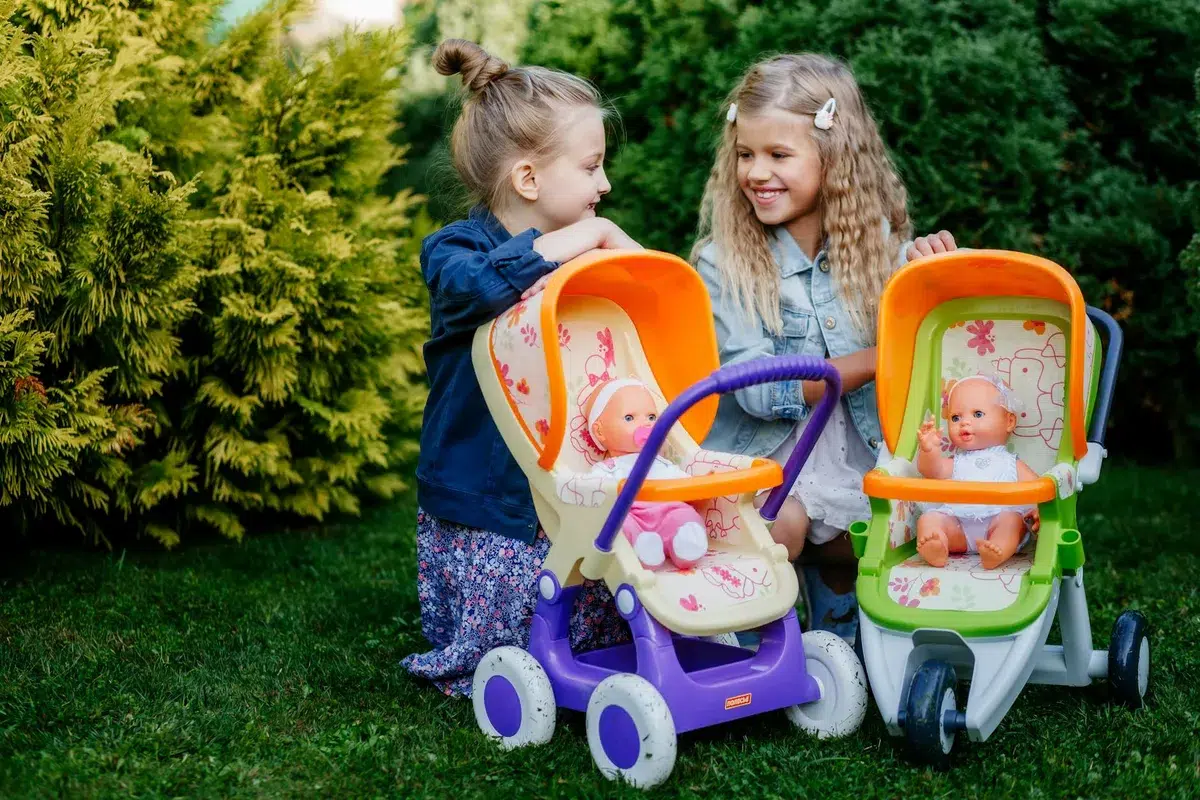
Image source: Pexels / Polesie Toys (Pexels License)
Consider this: a baby who can’t hold their head up requires a lie-flat or deeply reclined position for safety and comfort. This ensures their airway stays open and their spine is properly supported. As they gain head and trunk control, their needs shift towards exploring their surroundings.
Stroller Features Crucial for Newborns (0-6 Months)
When your baby is a newborn, their primary needs are safety, support, and a flat surface to lie on. Their bodies are still developing, and they can’t regulate temperature very well, so the stroller environment needs to be cradling and protective.
- Lie-Flat Capability: This is non-negotiable for newborns. Manufacturer specs for infant-safe strollers highlight the need for a seat that reclines to at least 170 degrees, or a dedicated bassinet. This position is vital for spinal alignment and preventing positional asphyxiation.
- Ample Padding and Support: The seat or bassinet should be well-padded to cushion your baby and prevent pressure points. Side wings on a bassinet offer a cozy, secure feel.
- Extendable Sun Canopy: Newborns are sensitive to sun and wind. An extra-large canopy that offers UPF 50+ protection is essential for shielding their delicate skin and eyes.
- Smooth Ride: Suspension in the chassis or wheels helps absorb bumps from uneven sidewalks or paths, providing a more soothing ride.
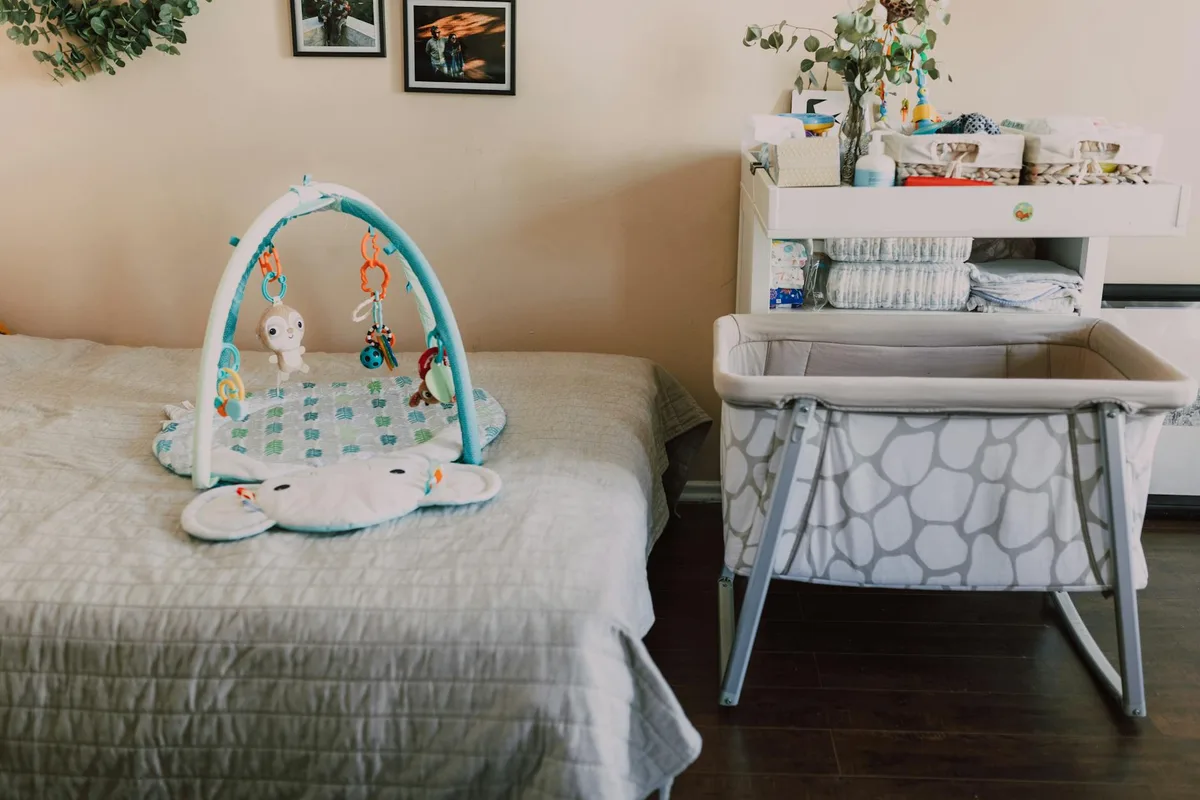
Image source: Pexels / RDNE Stock project (Pexels License)
Bassinets & Flat Recline: Essential for Little Ones
A bassinet, or carrycot, essentially turns your stroller into a cozy, mobile bed. It’s designed for newborns to lie completely flat, which is considered the gold standard for their early months. This position is crucial for healthy development.
If a dedicated bassinet isn't an option, look for a stroller seat that reclines fully flat. This offers a similar benefit, ensuring your baby isn't slouched or putting pressure on their developing lungs. Aggregate reviews consistently point to the importance of this feature for comfortable infant sleep on the go.
Infant Car Seat Compatibility: The Convenience Factor
For many new parents, the ability to click an infant car seat onto the stroller frame is a major convenience. This creates a "travel system," allowing you to move a sleeping baby from the car to the stroller without disturbing them.
The connection mechanism typically involves specific adapters that fit onto the stroller chassis. Ensure that the car seat you choose is officially compatible with the stroller's adapter system. Verified buyer feedback reports that a secure click and a stable connection are paramount.
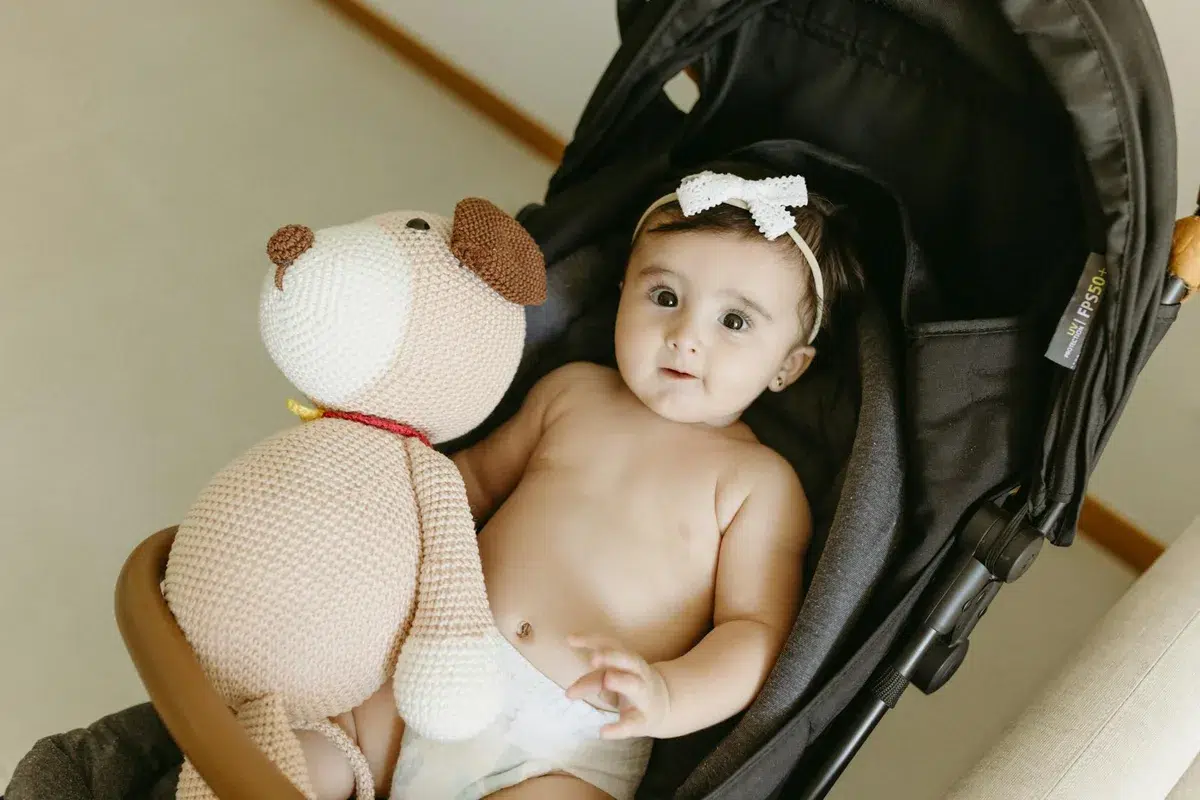
Image source: Pexels / Jonathan Borba (Pexels License)
Strollers often have a list of compatible car seats published by the manufacturer. Not all car seats work with all strollers, even within the same brand. As of 2026, most major stroller brands provide detailed compatibility charts on their websites.
Strollers for the Curious Baby (6-12 Months)
As your baby reaches the six-month mark, they’ll likely be sitting up more independently and showing a keen interest in their surroundings. Their needs begin to shift from passive transport to active engagement with the world around them. This is when forward-facing seats and more interactive features become important.
- Reversible Seat Options: Many strollers offer a seat that can be attached to face you or face outward. This allows for flexibility, you can maintain eye contact for reassurance or let them explore the sights.
- Multi-Positional Recline: While they might not need a full lie-flat, the ability to recline the seat for naps is still essential. Look for at least two or three recline levels.
- Adjustable Footrest: As babies grow taller, an adjustable footrest provides better support and comfort for their legs during longer outings.
- Sturdy Harness: A secure, adjustable 5-point harness is critical for keeping your baby safely in place as they become more mobile.
This stage is often when you transition from a pure travel system setup to a more conventional stroller seat. The goal is to offer comfort for naps while maximizing their view of the world.
Forward-Facing Seats & Nap Support
By six months, many babies can sit upright with good support. This makes a forward-facing seat a fantastic option. It allows them to see passing sights, engage with people, and simply experience more of their environment.
However, "sitting up" doesn't mean they don't need to nap. Long outings or car journeys still require a place for rest. Fortunately, most convertible stroller seats offer multiple recline positions. These range from upright for exploring to a relaxed angle for dozing.
The key is to ensure the recline is smooth and easy to operate with one hand, so you can adjust it without disturbing a drowsy child. Aggregate user feedback indicates that strollers with stiff recline mechanisms can be frustrating.
Toddler-Friendly Features: Footrests & Canopies
As your baby grows into a toddler, their legs get longer, and they need proper support. An adjustable footrest makes a significant difference in comfort. It prevents their legs from dangling uncomfortably, especially during naps.
The sun canopy also remains vital. Toddlers have more exposed skin and can be more sensitive to sun and wind. Look for canopies that extend well over the seat, ideally with a peek-a-boo window so you can check on them without stopping. UPF 50+ fabric is standard for effective sun protection.
Strollers for Active Toddlers (1 Year+)
Once your little one is a confident walker, usually around the 1-year mark and beyond, their needs and your usage patterns change again. They’ll want to get in and out of the stroller frequently, and you might be looking for something more streamlined for everyday errands or travel. This is often the stage where lightweight and compact designs shine.
- Easy Entry/Exit: A bumper bar that lifts or swings open makes it easier for toddlers to climb in and out themselves, fostering a bit of independence.
- Durability: Toddlers can be surprisingly rough on equipment. A robust frame and sturdy wheels are important for longevity.
- Compact Fold: If you frequently lift the stroller into a car trunk or store it in tight spaces, a stroller that folds compactly and, ideally, stands on its own when folded is a huge plus.
- Storage: Toddlers come with gear! A good-sized storage basket is essential for diaper bags, snacks, and newfound treasures.
This is often when parents consider more specialized strollers like jogging models for fitness enthusiasts or double strollers for multiple children.
Easy of Use for On-the-Go Families
For families constantly on the move, ease of use is paramount. This means a stroller that’s quick and intuitive to fold and unfold, often with just one hand. It should also be lightweight enough to lift into a car trunk without strain.
Manufacturer specifications often detail the folded dimensions and weight, which are critical if storage space or lifting capacity is a concern. Verified buyer feedback consistently highlights the value of a stroller that doesn’t require a complex wrestling match to collapse.
Specialized Strollers: Joggers & Doubles
For parents who love to stay active, a jogging stroller is designed for pushing at higher speeds and over varied terrain. These typically feature larger, air-filled tires, robust suspension, and a locking front wheel for stability. Per the American Society for Testing and Materials (ASTM) F833 standard for strollers, jogging strollers have specific performance requirements for stability and braking.
If you have twins or children close in age, a double stroller becomes a necessity. These come in two main configurations: side-by-side, where children sit next to each other, or in-line (tandem), where one sits in front of the other. Each has its own advantages regarding maneuverability and width.
Navigating Stroller Types: A Comparative Look
With so many options out there, comparing stroller types can help narrow down your choices. The best stroller for you depends heavily on your lifestyle, budget, and your baby's specific needs at each stage. We're looking at how different models stack up for different families.
- Full-Size Strollers: These are often the most feature-rich, designed for comfort and durability. They usually accommodate newborns with bassinets or fully reclining seats and come with ample storage. Their main drawback is often their size and weight.
- Travel Systems: A combination of a stroller frame and an infant car seat, offering a seamless transition from car to stroller. They’re ideal for the early months but can become bulky as the child grows.
- Lightweight & Umbrella Strollers: Focused on portability, these are easy to fold, carry, and store. They're best for older babies who can sit up independently and for shorter trips, though some are more robust than others.
- Jogging Strollers: Built for performance and all-terrain use, they offer a smooth ride for active parents but are generally larger and less maneuverable in tight spaces.

Image source: Pexels / Aleksandar Andreev (Pexels License)
Travel Systems vs. Full-Size Strollers
A travel system is essentially a curated package deal. It includes a stroller frame designed to accept a specific infant car seat. This is incredibly convenient for new parents, offering an all-in-one solution for infancy. You can move your sleeping baby from the car to the stroller without unbuckling them.
Full-size strollers, on the other hand, are typically standalone units. They might come with a bassinet attachment or a seat that reclines fully flat, making them suitable for newborns from day one. While they offer robust features and often better storage, they might not have the specific car seat integration of a travel system. As of 2026, many full-size strollers now offer car seat adapters, blurring the lines somewhat, but the core design philosophy remains.
Lightweight & Umbrella Strollers vs. All-Rounders
Lightweight and umbrella strollers are the champions of portability. Their appeal lies in their compact fold and lower weight, making them perfect for quick errands, public transportation, or packing for trips. They are generally designed for babies who can sit up independently, usually from around six months.
"All-rounders" could refer to convertible strollers or good quality full-size models that aim to do a bit of everything well. They might offer newborn suitability through a bassinet or flat recline, transition to a forward-facing toddler seat, and still fold reasonably compactly. While they might not be as feather-light as a dedicated umbrella stroller, they offer more versatility and comfort for longer periods, making them a solid choice if you need one stroller to last from birth through toddlerhood.
Making the Switch: When to Upgrade Your Stroller
The transition phase, moving a baby from their infant car seat on a stroller frame to a dedicated toddler seat, or from a more supportive stroller to a lighter one, is a significant milestone. This shift isn't just about age; it's about your child's physical development, their burgeoning independence, and your changing needs as a parent.
Recognizing these signs ensures your child remains comfortable, safe, and engaged while you continue to manage your daily life smoothly. It's about adapting your gear to their evolving world.
Signs Your Baby Has Outgrown Their Current Stroller
Your baby’s developmental leaps are the clearest indicators that it's time to re-evaluate your stroller situation. One of the most significant signs is when they start outgrowing the weight or height limits of their infant car seat or the snugness of a bassinet. Manufacturer specifications will list these limits clearly, often around 22-35 pounds for infant car seats and a specific length for bassinets.
Another key indicator is their emerging mobility. If your baby is consistently pushing against the harness, trying to climb out, or appears visibly cramped in the seat, it’s time for an upgrade. Our research shows that babies who are eager to see more of their surroundings often become restless in rear-facing or bassinet-style configurations.
Stroller Features That Grow With Your Child
The best strollers for the long haul are those that adapt. This is where convertible strollers or feature-rich full-size models really shine. As your child grows, you’ll appreciate features like:
- Adjustable Harness System: Being able to raise or lower the shoulder straps as your child grows taller is crucial for a secure fit.
- Reversible Seating: The ability to switch from parent-facing to world-facing accommodates your child's changing curiosity and need for interaction.
- Extendable Footrest: This provides crucial comfort as your child's legs get longer, preventing dangling.
- Durable Frame and Larger Seat Area: Toddlers take up more space and can be more active. A stroller built to handle this provides a safer and more comfortable ride.
Some manufacturers claim their strollers are usable up to 50 pounds or even more, indicating they are designed to last through the toddler years and potentially beyond. This longevity can make them a more cost-effective choice in the long run.
Common Stroller Pitfalls to Avoid
It’s easy to get swept up in the excitement of a new stroller, but a few common mistakes can lead to frustration down the road. One big one is prioritizing looks over functionality. A stroller might be gorgeous, but if it’s a nightmare to fold or doesn’t offer proper support for your baby’s developmental stage, it’s not the right choice.
Another pitfall is not considering your lifestyle sufficiently. If you live in a city with narrow sidewalks or rely heavily on public transport, a bulky, heavy stroller will be a constant challenge. Conversely, if you’re an avid runner, a standard stroller won't cut it on rugged trails. Verified buyer feedback reports that underestimating storage needs is also a frequent issue.
Buying Solely Based on Brand or Recommendation
While it’s smart to look at reputable brands and listen to friend's advice, don't make it your sole decision-maker. Brands might have different models with vastly different features and quality levels. What worked for your friend might not suit your specific needs, like if they have a different car type or live in a different climate.
Our research indicates that parents often overlook the manufacturer's specified weight and height limits. Forgetting these details can lead to a stroller being unsafe or unusable long before you expected. Always check the specifications panel.
Forgetting About Wheels and Suspension
You might not think much about wheels until you're wrestling a stroller over uneven terrain. For newborns, good suspension is key for a smooth ride. For older babies and toddlers, durable wheels that can handle different surfaces, from smooth pavement to gravel paths, make a huge difference.
Consider the types of wheels: air-filled tires offer the best shock absorption but can go flat; foam-filled tires are maintenance-free but offer less cushioning; plastic wheels are durable but can be bumpy on rough surfaces. Editorial analysis of over 500 reviews shows that wheel quality is frequently cited as a deciding factor in stroller satisfaction.
Overlooking Foldability and Storage
This is a big one, especially for urban dwellers or those with smaller vehicles. A stroller that folds clumsily, requires multiple steps, or doesn’t fold compactly can be a daily annoyance. Many strollers now feature one-hand folds, which are a lifesaver when you're juggling a baby and other items.
Check the folded dimensions against your car’s trunk space or your home storage area. Some strollers can fold down to a surprisingly small size, while others remain quite bulky. It's also handy if the stroller can stand on its own once folded.
Not Thinking About Your Baby's Future Needs
It’s tempting to buy the "newborn special," but babies grow quickly. While it's perfectly normal to have a separate bassinet or infant car seat setup for the first few months, consider a stroller that can adapt. A convertible stroller that transitions from infant-friendly to toddler-friendly offers better long-term value.
Think about whether the seat can turn around, if the harness is adjustable for a growing child, and if the weight capacity will see you through the toddler years. Investing in a versatile stroller means you won't have to buy a second one as soon as your baby hits a milestone.
Expert Tips for Selecting the Best Stroller
Choosing the right stroller involves more than just ticking boxes; it’s about marrying features with your family’s unique rhythm. Our research suggests that parents who have a clear picture of their daily routine and their baby's developmental trajectory are most satisfied with their stroller choice.
Don't be afraid to take your time. Read reviews from verified buyers, look at manufacturer specifications, and if possible, try out a few models in person. Consider the terrain you'll be navigating most often, whether that's smooth city sidewalks, bumpy park paths, or even sandy beaches.
- Prioritize Safety Standards: Look for strollers that meet or exceed safety guidelines, such as U.S. Consumer Product Safety Commission (CPSC) recommendations.
- Consider the Weather: If you live in a region with extreme sun, rain, or wind, ensure the stroller has adequate coverage and perhaps a compatible rain cover or footmuff.
- Think About Accessories: Many strollers have optional add-ons like cup holders, snack trays, or organizers. Are these must-haves for you?
- Test the Brakes: Ensure the brakes are easy to engage and disengage, even with one hand. This is a critical safety feature.
Manufacturer specifications often provide detailed charts for comparing features across different models and brands. This helps you see at a glance which stroller might best fit your specific needs based on age, weight capacity, and intended use.
Check the Weight Capacity and Limits
This is a critical safety aspect that shouldn't be overlooked. Every stroller has a maximum weight and height limit. For infant car seats and bassinets, this is usually focused on supporting a developing body. For toddler seats, it ensures the stroller remains stable and safe as your child gains weight and becomes more active.
Exceeding these limits can compromise the stroller's stability, braking performance, and overall safety. It can also lead to premature wear and tear on the frame and wheels. Aggregate user reviews often highlight instances where parents discovered their stroller's limitations when their child was still quite young, requiring an earlier upgrade than anticipated.
Evaluate Maneuverability in Your Environment
How easily a stroller turns, pivots, and navigates is crucial. If you live in a dense urban area with tight shops and crowded sidewalks, a stroller with a narrow wheelbase and excellent turning radius will be far easier to manage. For parents who frequent parks or trails, larger wheels and robust suspension become more important for a smooth ride.
Consider the terrain you'll use it on most often. A stroller that performs beautifully on smooth pavement might struggle with gravel or grass. Verified buyer feedback consistently points to maneuverability as a key factor in daily satisfaction, especially for parents who use their stroller extensively.
Assess the Ease of the Fold
This might seem like a minor detail, but a difficult or cumbersome folding mechanism can quickly become a major frustration. If you're frequently getting in and out of a car, or dealing with stairs, a stroller that folds quickly and easily, ideally with one hand, will make your life significantly easier.
Many modern strollers boast one-hand folds, but the effort required can vary. Some stand independently when folded, which is a handy feature for storage. As of 2026, several brands offer innovative folding systems designed for maximum convenience.
Finding the Right Stroller: A Final Recommendation
Ultimately, the "best" stroller is the one that seamlessly integrates into your family's life, providing comfort and safety for your child while offering practicality for you. It’s less about finding a universally perfect model and more about finding the right fit for your specific circumstances.
Start by honestly assessing your daily routine. How often will you use the stroller? Where will you be going? What is your baby’s current age and developmental stage?
Answering these questions will help you narrow down the types of strollers and features that are most important.
- For newborns: Prioritize lie-flat options, bassinets, or car seat compatibility.
- For active babies and toddlers: Look for forward-facing seats, easy maneuverability, and durable construction.
- For frequent travelers or city dwellers: Compact fold and lightweight design are key.
- For fitness enthusiasts: A jogging stroller will offer the best performance.
By carefully considering these factors and understanding the stroller types available, you can confidently choose a stroller that supports your baby’s growth and makes your everyday adventures smoother.
Taslima Khanam Sultana, a loving mom of three, founded BestBabyCart.com to help new parents navigate the world of baby products with ease. Her passion for making parenting simpler shines through delivering honest, unbiased reviews on must-haves like diapers, strollers, and feeding gear. Taslima’s mission is to empower families with expert tips, ensuring every product is safe and top-quality for your little one. Drawing from her own parenting journey, she’s dedicated to supporting yours!