
Why stroller smarts matter: protecting your little one and your wallet. It might seem straightforward, but using a stroller involves more than just pushing it. Navigating common stroller mistakes can mean the difference between a safe, happy outing and a frustrating, potentially dangerous situation for you and your child.
In our research, we've seen how seemingly minor oversights can lead to serious issues. For instance, failing to properly secure a child or forgetting to engage the brakes can have immediate consequences. According to ASTM safety standards, strollers must meet rigorous requirements for stability, restraint systems, and structural integrity, so understanding these basics is non-negotiable. Let's dive into what you need to know to keep your little explorer safe and sound.
Quick Insight: The Top Stroller Slip-Ups Parents Make
Many parents dive headfirst into stroller parenthood without realizing the potential pitfalls. The market is vast, and while most strollers are designed with safety in mind, user error is incredibly common. These aren't complex technical challenges; they're often simple oversights that can be easily avoided with a little awareness.
Knowing the most frequent mistakes upfront is your first line of defense. These issues range from how you buckle your child to how you store your gear. We've compiled the most critical errors that aggregate user feedback confirms are often overlooked.
Mistakes That Can Put Your Baby at Risk
When it comes to your baby's safety, every detail counts, especially when they're nestled in a stroller. Some common mistakes happen so quickly, you might not even realize you're making them until it's too late. Awareness is key to preventing these potentially hazardous oversights.
Harness Havoc: The Loosest Connection
The stroller harness is your primary restraint system, designed to keep your child securely in place. A common mistake is not tightening it enough. You might think a little wiggle room is fine, but a loose harness means a child could slip out, especially if they're an active toddler or infant.
The strap should be snug enough that you can't pinch any slack between your fingers. For infant car seat-compatible strollers, ensuring the car seat itself is correctly installed and securely locked into the stroller frame is also critical. Manufacturer specifications often detail a specific "pinch test" for the harness straps, if you can pinch excess webbing, it needs to be tighter.
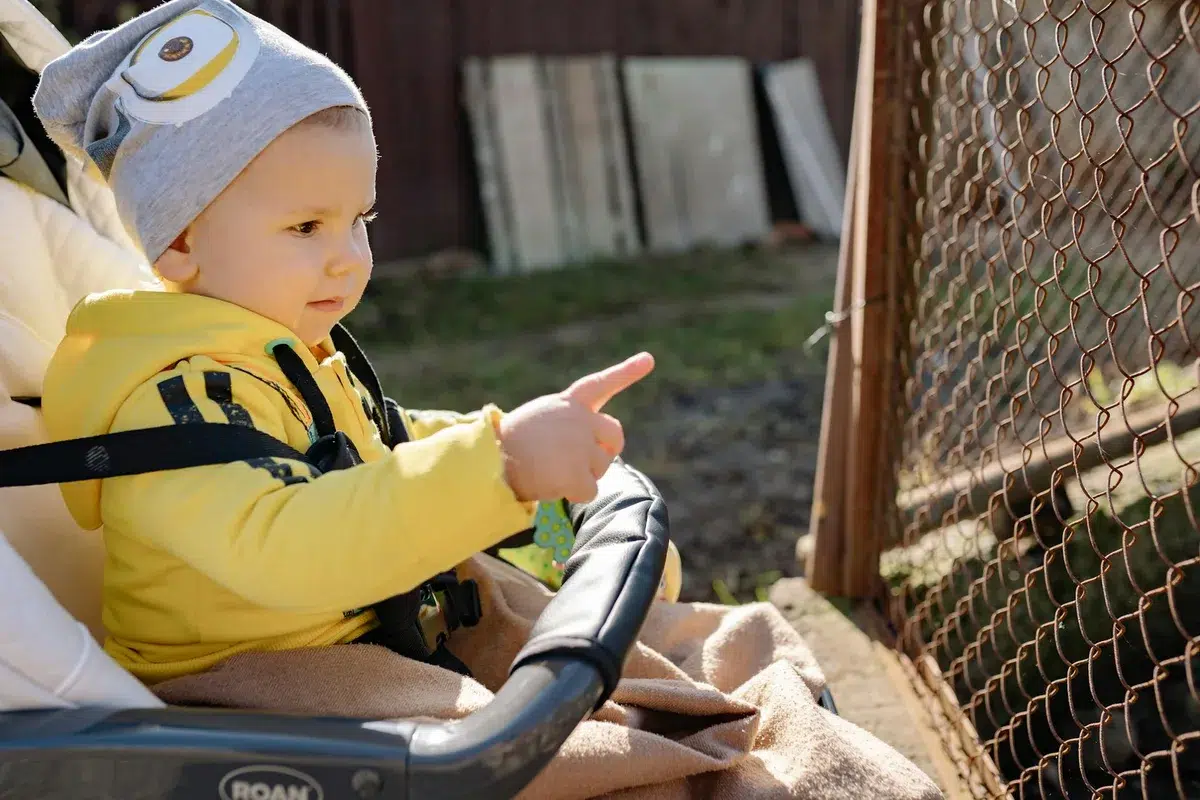
Image source: Pexels / Yan Krukau (Pexels License)
Brake Fails: When "Set" Means "Go"
This is a big one and frankly, terrifying to think about. Forgetting to engage the stroller brakes, or thinking they're set when they aren't, can lead to a runaway stroller. This risk is amplified on any kind of incline, no matter how slight.
Always double-check that both rear brakes are fully engaged and that the stroller doesn't roll when you give it a slight push. Some strollers have a single-action brake, making it even easier to mistakenly think it's applied. Per ASTM testing protocols, brakes must hold the stroller stationary on a specified incline.

Image source: Pexels / Kamaji Ogino (Pexels License)
Overpacked and Overwhelmed: Basket Blunders
That generous storage basket underneath the stroller can be incredibly tempting. It’s easy to start stuffing it with shopping bags, diaper bags, purses, and more. However, exceeding the stroller's weight limit for the storage basket can compromise its stability and handling.
Aggregate reviews report that an overloaded basket can make the stroller top-heavy and increase the likelihood of tipping, especially when the child is also in the seat. Always check the manufacturer's specifications for the maximum weight capacity of the basket, it's often less than you'd think, sometimes as little as 5-15 lbs (2.3-6.8 kg).
Sun’s Out? Not Properly Protected.
While many strollers come with canopies, parents sometimes assume that any canopy offers adequate protection. However, the effectiveness varies greatly. Some offer minimal shade, leaving delicate infant skin exposed to harmful UV rays.
Ensure the canopy provides ample coverage and, ideally, has a UPF (Ultraviolet Protection Factor) rating. If your stroller's canopy is lacking, consider purchasing a universal stroller shade extension or a clip-on umbrella. Prolonged sun exposure without protection can lead to sunburn and increase long-term skin cancer risk.
Car Seat Combo Catastrophes
Using an infant car seat with a compatible stroller frame or travel system is super convenient. However, the mistake here isn't usually using the combination, but how it's used. Ensuring the car seat is clicked securely into the stroller adapter or frame is paramount.
Sometimes, parents rush this step. Our research indicates that a shallow click or an improperly seated car seat can detach during movement, leading to a fall. Always listen for the audible "click" and give the car seat a gentle tug to confirm it's locked in place before moving. Not all car seats are compatible with all stroller adapters, so always verify the manufacturer's compatibility list.
The Dangers of Ignoring Recalls and Safety Standards
It's easy to think of safety standards as bureaucratic hoops, but they are there for a reason. Manufacturers must adhere to guidelines set by bodies like the Consumer Product Safety Commission (CPSC) and ASTM International. Ignoring these or not being aware of product recalls can expose your child to known hazards.
Product recalls happen for legitimate safety concerns. These could be anything from a faulty braking system to a specific component that poses a choking hazard. Relying on outdated or non-compliant gear, or failing to check for recalls on used items, is a significant risk. We recommend regularly checking the CPSC website for any alerts related to baby products.
Beyond the Basics: Choosing the Right Stroller for Your Life
The sheer variety of strollers available can be overwhelming. From ultra-lightweight travel models to robust jogging strollers, each has its strengths. The mistake parents often make here is buying a stroller based on looks or on what a friend has, rather than on their actual lifestyle needs.
Matching Stroller Style to Your Needs (Urban, Active, Travel)
Consider your daily routine. Do you primarily navigate crowded city sidewalks, or are you tackling park trails?
- Urban Strollers: These are often compact, easy to maneuver in tight spaces, and their higher seat positions can be great for people-watching. Think lightweight, agile designs.
- Jogging Strollers: Built for speed and stability, these typically have three large, air-filled tires and excellent suspension for a smooth ride over uneven terrain. They're great if you're a runner or walker who loves trails.
- Travel Strollers: Designed for ultimate portability, these are usually very lightweight and fold down incredibly small, often fitting into overhead compartments on planes. They prioritize compactness over robust features.
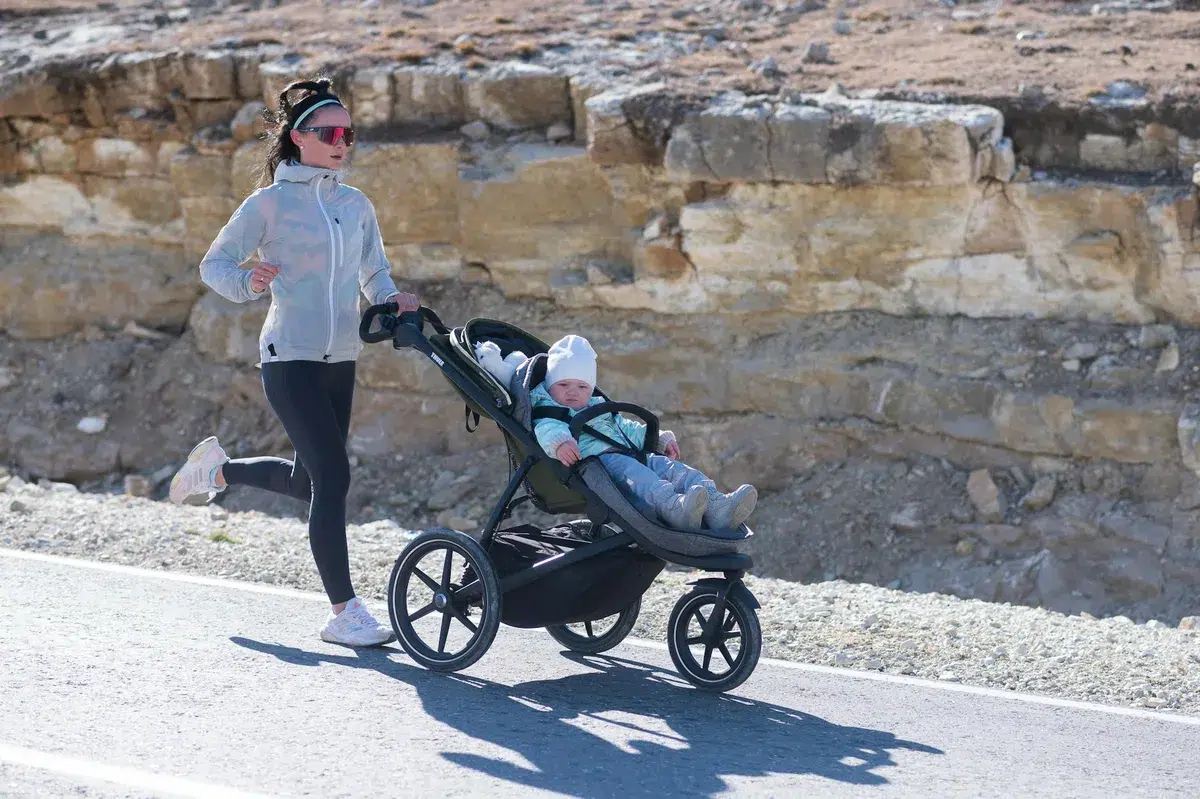
Image source: Pexels / Dmitrii Eremin (Pexels License)
When One Isn't Enough: Navigating Double Strollers
If you have twins or children close in age, a double stroller is essential. However, choosing the right configuration is key. Tandem strollers (one seat behind the other) can be long and harder to steer, while side-by-side strollers are wider and may not fit through all doorways.
Evaluate your needs: Will you be pushing both children fairly equally, or will one child often be asleep? Do you need to navigate narrow grocery aisles or tight cafe spaces? Understanding the footprint and maneuverability of different double stroller types is crucial. Buying a double without considering these factors can lead to daily frustration.
Real-World Stroller Safety Checks You Can't Skip
Safety isn't a one-time setup; it's an ongoing practice. Many parents perform an initial safety check upon purchase and then forget about it. Consistent, simple checks can catch issues before they become dangerous.
The Daily Pre-Trip Inspection
Before you head out the door, take 30 seconds to do a quick scan. Is the harness buckled correctly? Are the brakes clearly engaged? Are the wheels spinning freely and not obstructed?
Does anything look loose or damaged? This quick check can prevent a host of potential problems.
Securing the Seat: Car Seat Compatibility Checks
If you use an infant car seat with your stroller, make it a habit to confirm it's locked in. Even if you heard the click yesterday, do it again. Check that the car seat's recline angle is appropriate within the stroller frame, as it can be different than when installed in a vehicle. Many car seats have indicators for correct installation, and this applies when they are clicked into a stroller base too.
Keeping Your Stroller in Top Shape: Maintenance That Counts
A stroller is a piece of equipment that gets used, often daily. Like any tool, it needs care to function safely and reliably. Neglecting maintenance is a surprisingly common mistake that can lead to wear and tear that affects performance and safety.
Regular cleaning is obvious, but maintenance goes deeper. Check moving parts like the folding mechanism, suspension, and wheel bearings. Lubricate where necessary using products recommended by the manufacturer, often a silicone-based spray is suitable.
Image source: Pexels / Vitali Adutskevich (Pexels License)
Ensure that any fabric components are clean and dry to prevent mildew. Loose screws or bolts should be tightened promptly. A well-maintained stroller is a safer stroller, and it also tends to last longer, giving you better value.
Understanding Stroller Weight Limits: More Important Than You Think
Every stroller has a stated weight capacity, for both the child in the seat and the storage basket. This isn't just a suggestion; it's a critical safety specification. Our research shows that exceeding these limits can strain the stroller's frame, affect its steering, and compromise its stability.
For example, a jogging stroller rated for a child up to 70 lbs (31.8 kg) might handle bumps and speed well, but adding significant weight to the storage basket on top of that child could make it unstable. Conversely, a lightweight umbrella stroller might only be designed for a child up to 40 lbs (18.1 kg). Always know and respect these limits.
When to Call in the Pros (or Replace the Gear)
Sometimes, despite best efforts, a stroller can become damaged or develop critical issues. If you notice significant damage to the frame, a persistent brake problem that can't be fixed, or if a crucial component is cracked or broken, it might be time to consider replacement.
Trying to patch up severe damage can be risky, as the structural integrity might be compromised. If you're unsure whether a repair is safe, it's always better to err on the side of caution and consult with a stroller repair service if available, or consider purchasing a new, safely certified stroller. As of 2026, many manufacturers offer repair guides or services for their products, but not all common issues are fixable.
Real-World Stroller Safety Checks You Can't Skip
Safety isn't a one-time setup; it's an ongoing practice. Many parents perform an initial safety check upon purchase and then forget about it. Consistent, simple checks can catch issues before they become dangerous.
The Daily Pre-Trip Inspection
Before you head out the door, take 30 seconds to do a quick scan. Is the harness buckled correctly? Are the brakes clearly engaged? Are the wheels spinning freely and not obstructed?
Does anything look loose or damaged? This quick check can prevent a host of potential problems.
Securing the Seat: Car Seat Compatibility Checks
If you use an infant car seat with your stroller, make it a habit to confirm it's locked in. Even if you heard the click yesterday, do it again. Check that the car seat's recline angle is appropriate within the stroller frame, as it can be different than when installed in a vehicle. Many car seats have indicators for correct installation, and this applies when they are clicked into a stroller base too.
Keeping Your Stroller in Top Shape: Maintenance That Counts
A stroller is a piece of equipment that gets used, often daily. Like any tool, it needs care to function safely and reliably. Neglecting maintenance is a surprisingly common mistake that can lead to wear and tear that affects performance and safety.
Regular cleaning is obvious, but maintenance goes deeper. Check moving parts like the folding mechanism, suspension, and wheel bearings. Lubricate where necessary using products recommended by the manufacturer, often a silicone-based spray is suitable.
Image source: Pexels / Vitali Adutskevich (Pexels License)
Ensure that any fabric components are clean and dry to prevent mildew. Loose screws or bolts should be tightened promptly. A well-maintained stroller is a safer stroller, and it also tends to last longer, giving you better value.
Understanding Stroller Weight Limits: More Important Than You Think
Every stroller has a stated weight capacity, for both the child in the seat and the storage basket. This isn't just a suggestion; it's a critical safety specification. Our research shows that exceeding these limits can strain the stroller's frame, affect its steering, and compromise its stability.
For example, a jogging stroller rated for a child up to 70 lbs (31.8 kg) might handle bumps and speed well, but adding significant weight to the storage basket on top of that child could make it unstable. Conversely, a lightweight umbrella stroller might only be designed for a child up to 40 lbs (18.1 kg). Always know and respect these limits.
When to Call in the Pros (or Replace the Gear)
Sometimes, despite best efforts, a stroller can become damaged or develop critical issues. If you notice significant damage to the frame, a persistent brake problem that can't be fixed, or if a crucial component is cracked or broken, it might be time to consider replacement.
Trying to patch up severe damage can be risky, as the structural integrity might be compromised. If you're unsure whether a repair is safe, it's always better to err on the side of caution and consult with a stroller repair service if available, or consider purchasing a new, safely certified stroller. As of 2026, many manufacturers offer repair guides or services for their products, but not all common issues are fixable.
What About Different Stroller Types? Do Mistakes Change?
The core principles of stroller safety remain consistent across all types, but specific pitfalls can emerge with different designs. Understanding these nuances helps you avoid mistakes tailored to your specific gear.
Jogging Strollers: Speed vs. Stability
Jogging strollers, with their larger wheels and suspension, are built for rougher terrain and higher speeds. A common mistake here is failing to appreciate the momentum they can build. Even with effective brakes, a steep downhill run can be tricky if not managed carefully.
Another issue is improper tire inflation. Like a car's tires, under- or over-inflated tires on a jogging stroller can affect handling and shock absorption. Always check the recommended PSI (pounds per square inch) for your tires and maintain it.
Travel Systems: The Click-In Conundrum
Travel systems, which combine an infant car seat with a compatible stroller frame, prioritize convenience. The biggest mistake, as touched on earlier, is not ensuring the car seat is fully and securely clicked into the stroller adapter or base. This is a critical point that can't be stressed enough.
Manufacturers often provide specific instructions for which car seat models are compatible with which stroller frames, and vice-versa. Using a non-approved combination, or failing to attach the car seat correctly, overrides the engineered safety features. Always consult both the car seat and stroller manuals.

Taslima Khanam Sultana, a loving mom of three, founded BestBabyCart.com to help new parents navigate the world of baby products with ease. Her passion for making parenting simpler shines through delivering honest, unbiased reviews on must-haves like diapers, strollers, and feeding gear. Taslima’s mission is to empower families with expert tips, ensuring every product is safe and top-quality for your little one. Drawing from her own parenting journey, she’s dedicated to supporting yours!