
So, that big question: when should you stop using a stroller? It’s less about hitting a specific age and more about a collection of signs your child is ready for more freedom, and frankly, how it fits your life. Trying to gauge this can feel like a guessing game, but there are solid indicators that can help us make the call.
We've gathered information from pediatric development guidelines and child safety organization recommendations. Manufacturer specifications for many stroller models indicate a typical weight limit around 50 pounds, which many children approach between 3-5 years old, but this is just a benchmark. The real answer lies in observing your child’s overall readiness and your family’s specific needs.
Is Your Child Ready to Walk More?
This is arguably the biggest piece of the puzzle when deciding it’s time to phase out the stroller. We're looking for genuine progress in your child's ability and desire to move around on their own two feet. It’s not just about whether they can walk, but how confidently and for how long.
Signs of Walking Confidence and Stamina
If your child is at ease walking for extended periods, that's a strong signal. We're talking about a steady gait, not just a few tentative steps followed by a demand to be carried. Our research indicates that consistent walking for 20-30 minutes without significant fatigue is a good benchmark. Watch if they can navigate small inclines or uneven sidewalks with relative ease.
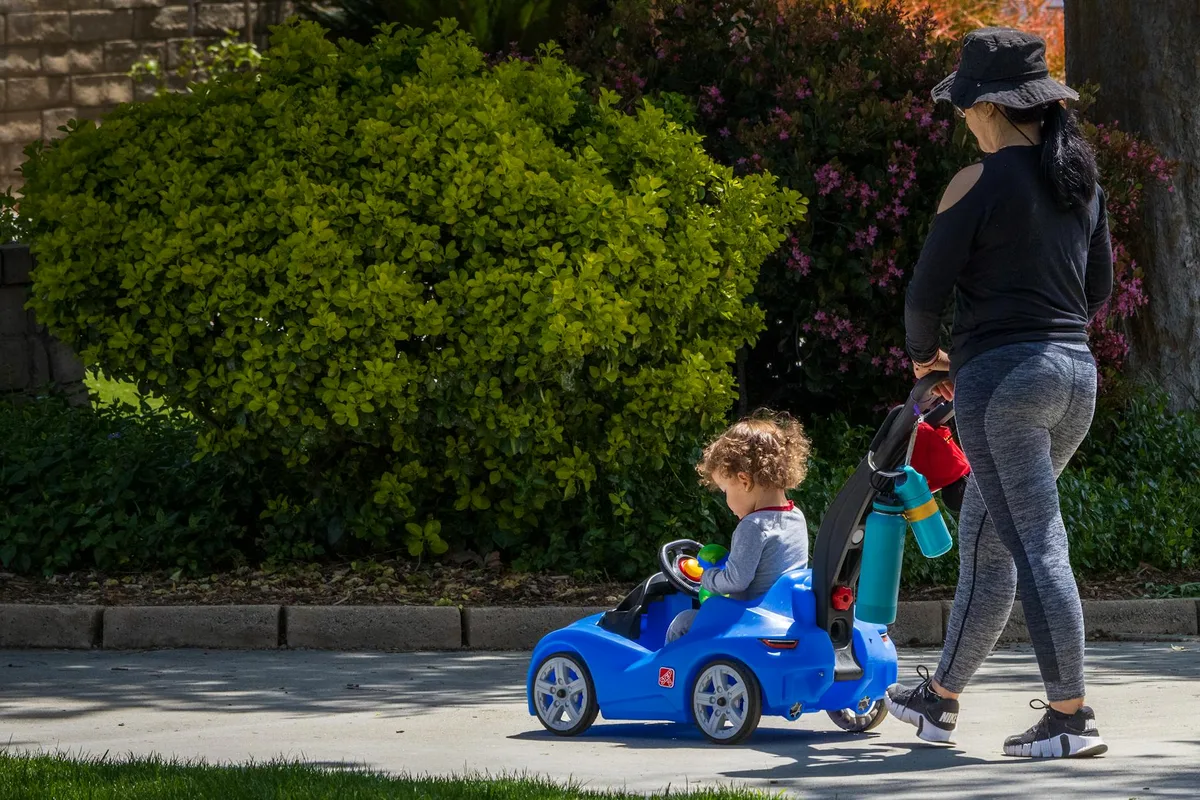
Image source: Pexels / David Brown (Pexels License)
Independence and Exploration Signals
Does your child get excited about exploring their surroundings on foot? Do they often pull away to investigate something interesting nearby, rather than clinging to your leg? This desire to explore independently is a clear sign they are outgrowing the stroller's confinement. It shows a developing sense of agency and a readiness for more active participation in family outings.
What Your Needs Are: The Parent's Perspective
Let's face it, this decision isn't solely about your child. Your own needs, comfort, and ability to manage outings play a huge role. The stroller often serves purposes beyond just transporting a child; it can be a mobile command center for snacks, toys, and even shopping bags.
Assessing Your Outing Durations
Think about your typical outings. Are they short trips to the local shop, or full-day adventures at parks or museums? If your child can comfortably walk for the duration of most errands, you might not need the stroller for routine tasks. However, for longer excursions, a transitional plan might be necessary to avoid over-exertion for your child.
Managing Gear and Belongings
Many parents rely on their stroller’s basket for more than just baby supplies. If you're still using it to haul groceries, diaper bags, and extra clothing, you’ll need an alternative strategy. Manufacturer specifications for stroller storage capacity can vary wildly, but if yours is crucial for your daily gear, you'll want to sort out a backpack or other carrying solution before fully retiring the stroller.
Your Own Physical Capacity
Consider what’s realistic for you. If you have a growing child and you're already lifting them frequently, continuing to push a stroller might just be adding to your physical strain. Conversely, if your child is still heavy and you have longer distances to cover, the stroller might offer a necessary reprieve for your back. It’s about finding a balance that works for your physical well-being.
Safety First: Keeping Your Little One Secure
Safety is always the top priority, and stroller use can be a critical component of keeping young children safe in certain environments. When considering ditching the stroller, we must thoroughly evaluate the potential safety implications for your child.
Navigating Busy Streets and Traffic
In areas with significant vehicle traffic, keeping a young child in a stroller provides a secure perimeter. Their ability to dart out unexpectedly is limited, giving you more control and reaction time. Official child safety organization recommendations frequently stress consistent supervision, and a stroller can be a tool to achieve this in high-risk zones.
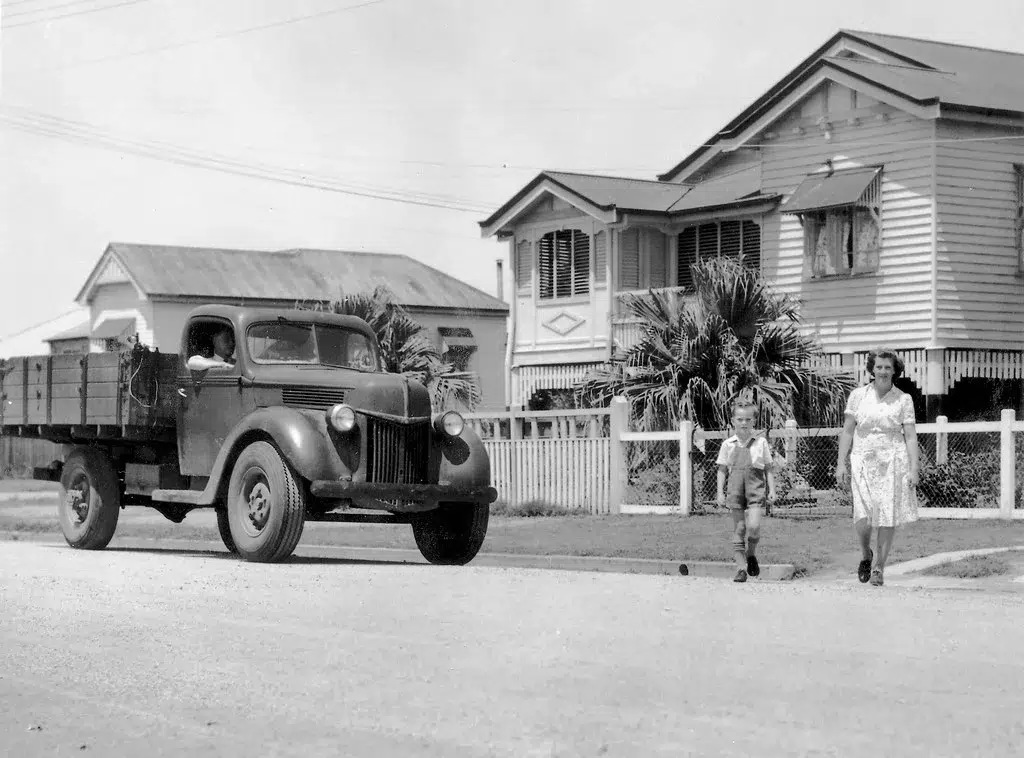
Image source: Openverse / Queensland State Archives (PDM 1.0)
Understanding Terrain and Fatigue Risks
Pushing a stroller over challenging terrain, like gravel paths or sandy beaches, can be difficult. For a child walking independently, uneven ground or long distances can quickly lead to fatigue and potential falls. If your child is still prone to stumbling or has limited stamina, continuing to use a stroller on such surfaces might be the safer option for them.
Weather Protection vs. Supervision
A stroller canopy can offer a degree of protection from sun, wind, and light rain. If your child is walking independently, they might be more exposed to the elements. However, keeping a child contained means less direct supervision of their immediate actions. It's a trade-off that requires careful consideration of the weather conditions and the child's specific behavior.
Gradual Transitions: Phasing Out Stroller Use
Most families don't go from daily stroller use to zero overnight. A gradual phase-out is usually the most practical and least stressful approach for both parent and child. This allows everyone to adjust to the new normal.
Occasional Stroller Days
Start by making the stroller available only on days when you anticipate long walks or need a break. Think of it as a "just in case" option rather than a default. If you're planning a trip to a large amusement park or a museum where a lot of walking is involved, bringing it along can be a lifesaver.
The "Just in Case" Strategy
Keep the stroller in the car’s trunk or easily accessible. This way, if your child unexpectedly tires out during an outing, or if they've had a rough night and are particularly clingy, you have a backup. It prevents meltdowns and ensures you can still complete your planned activities without a major struggle.
Stroller as a Nap Support
For many, the stroller becomes a preferred spot for naps when out and about. If your child still relies on stroller naps to recharge, you might not be ready to ditch it entirely. In this scenario, consider it a "nap station" rather than a primary mode of transport. This can be a helpful compromise as they build more walking stamina.
When It's Likely Time to Say Goodbye
If you’re finding yourself nodding along to many of the readiness signs, it’s probably time to seriously consider retiring the stroller. This is a big step toward fostering more independence in your child.
Key Indicators for Full Stroller Retirement
When your child consistently walks confidently for 20-30 minutes or longer without significant fuss or fatigue, it’s a strong indicator. If they actively resist getting into the stroller, preferring to walk or run, take that as a cue. Furthermore, if you've successfully managed outings without relying on the stroller for carrying your belongings, you're likely ready for its full retirement.
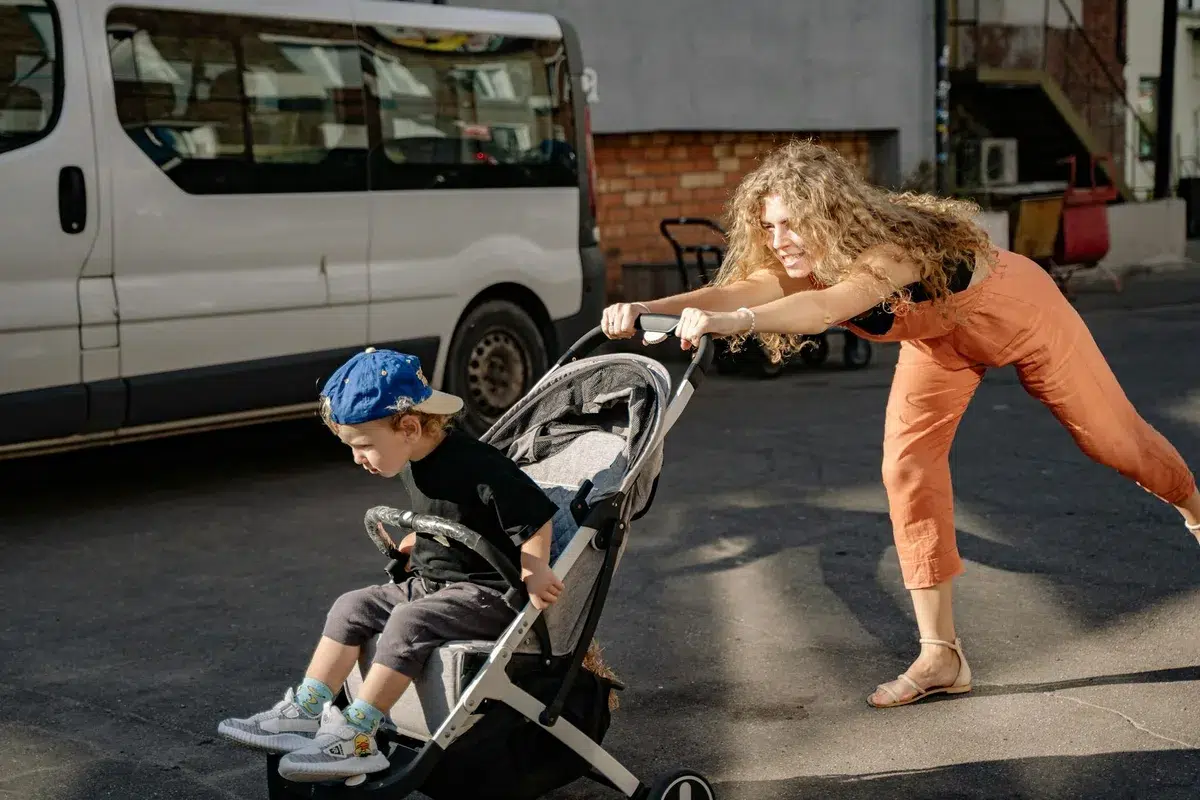
Image source: Pexels / Yan Krukau (Pexels License)
Beyond the Stroller: What Comes Next?
As the stroller gets retired, you'll likely explore other options for when your child needs a little help or when you need a hands-free solution. It's about finding the right tools for the next phase of your family's adventures.
Child Carrier Backpacks and Wagons
For longer outings or when carrying capacity is still an issue, child carrier backpacks are a popular alternative. They distribute weight more comfortably for the adult and keep the child close. Wagons offer a way to transport toddlers and their gear, especially for recreational purposes like park visits or short trips where maneuverability isn't a significant concern.

Image source: Pexels / Josh Willink (Pexels License)
Encouraging Independent Walking
Keep encouraging your child to walk as much as possible. Make walks fun by turning them into scavenger hunts or games. Offer praise for their efforts and celebrate their milestones of walking farther. This positive reinforcement is crucial for building their confidence and their interest in exploring the world on foot.
Common Mistakes Parents Make When Stopping Stroller Use
Making the transition away from a stroller can sometimes hit a few snags if we're not mindful. It's easy to get stuck in old routines or push too hard, too fast. Our research indicates common missteps often involve misreading a child's cues or underestimating the need for planning alternatives.
Pushing Too Soon or Too Late
Pushing your child to walk more before they're truly ready can lead to frustration and overtiredness, making them even more resistant to walking next time. Conversely, holding onto the stroller for too long when your child has clearly outgrown it can stifle their developing independence and physical confidence. It’s a balance, and observing subtle cues is key.
Ignoring Child's Cues
Children communicate their needs and readiness in various ways. If your child consistently melts down when you try to put them in the stroller, or if they repeatedly try to get out, these are loud signals. Similarly, if they’re constantly asking to be carried after only a short walk, they might be signaling fatigue or a need for more rest, not necessarily the stroller itself.
Not Planning for Alternatives
One of the biggest pitfalls is not having a plan for when the stroller is no longer an option. Expecting a young child to walk everywhere without complaint for extended periods is often unrealistic. Failing to consider alternatives like a child carrier backpack, a wagon for longer trips, or simply adjusting the length of outings can lead to overwhelming situations.
Making the Final Decision: Your Child’s Timeline
Ultimately, the decision to stop using a stroller rests on a careful observation of your child's unique developmental timeline and your family's practical needs. There isn't a one-size-fits-all answer, as every child develops at their own pace, and every family’s lifestyle presents different challenges and opportunities.
Evaluating Individual Readiness
Look at your child’s overall physical development. Can they manage stairs with assistance? Do they have the stamina for playdates that involve running and active games? Pediatric guidelines often suggest that by 3 years old, many children have developed sufficient walking skills and endurance for most everyday activities, but this can vary.
How Your Lifestyle Fits In
Consider your daily routines and the types of outings you typically embark on. If you live in a city and frequently use public transport, your child's ability to walk reliably and stay close is paramount. For families who enjoy long hikes or extensive travel, a child carrier might be a more suitable long-term solution than a stroller anyway.
Trusting Your Parental Instinct
While research and external signs are helpful, your intuition as a parent is invaluable. You know your child best. If something feels right, or if a particular situation feels too challenging without a stroller, it's okay to adjust your plan. This transition is a process, and it's perfectly fine to be flexible as you navigate it together.
Taslima Khanam Sultana, a loving mom of three, founded BestBabyCart.com to help new parents navigate the world of baby products with ease. Her passion for making parenting simpler shines through delivering honest, unbiased reviews on must-haves like diapers, strollers, and feeding gear. Taslima’s mission is to empower families with expert tips, ensuring every product is safe and top-quality for your little one. Drawing from her own parenting journey, she’s dedicated to supporting yours!