You’re looking into baby activity centers things to know before your little one starts bouncing away. It’s not just about keeping them entertained, it’s about picking the right gear and using it safely.
Per ASTM F2379 safety standards, these units are designed for babies who can sit unassisted, typically from 4 to 6 months old. Weight limits usually range from 15 to 25 pounds depending on the model. Understanding how they work and what to watch for makes all the difference.
Quick Answer
Baby activity centers provide a safe, contained play space for infants who can sit independently. They encourage leg strength and sensory exploration through interactive toys. Always supervise your child and limit sessions to 15, 20 minutes at a time.
Check weight limits and harness fit before each use.
What Is a Baby Activity Center? (And What It Isn’t)
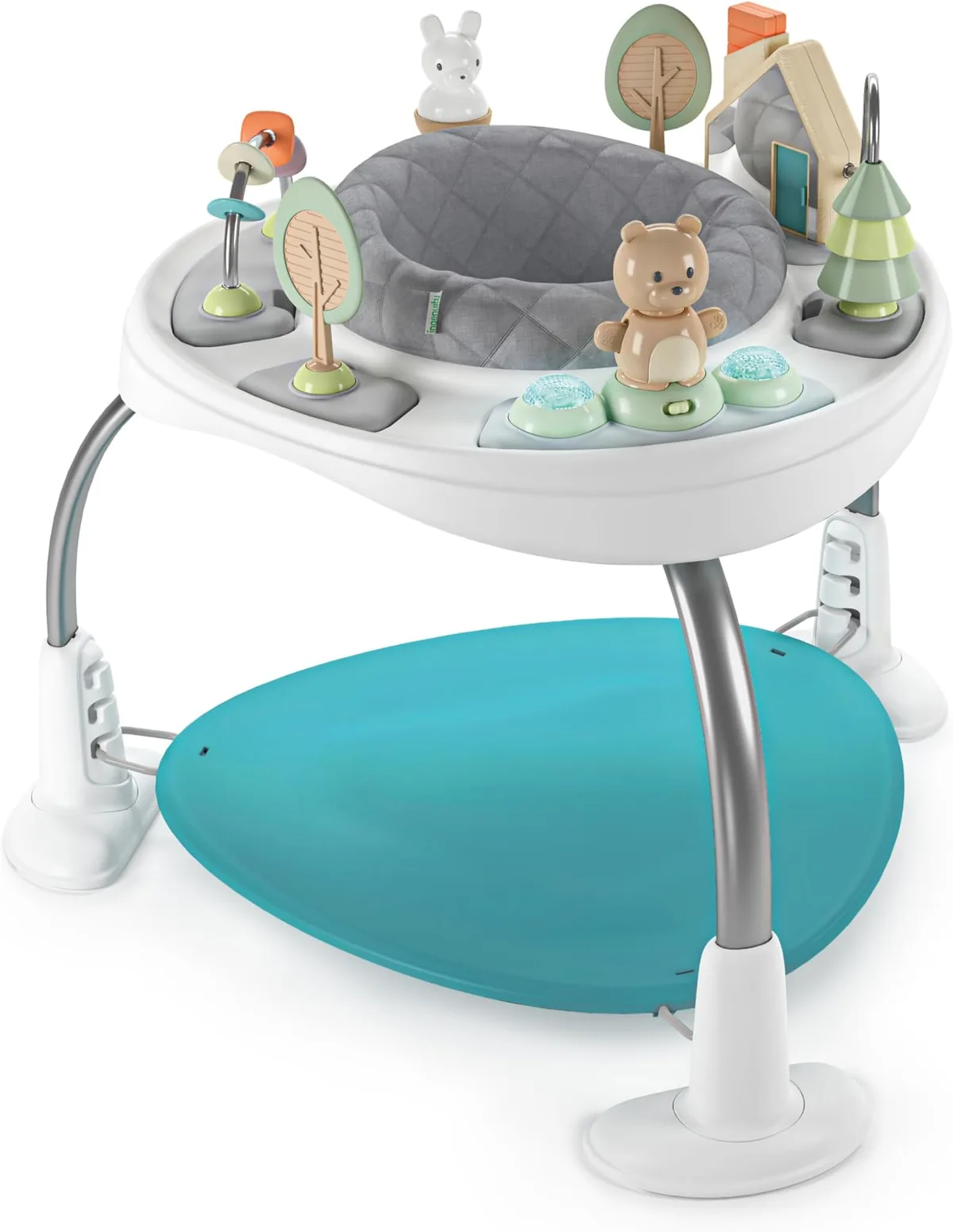
A baby activity center is a stationary seat surrounded by a toy tray. It keeps your baby in one spot while offering entertainment and early motor practice.
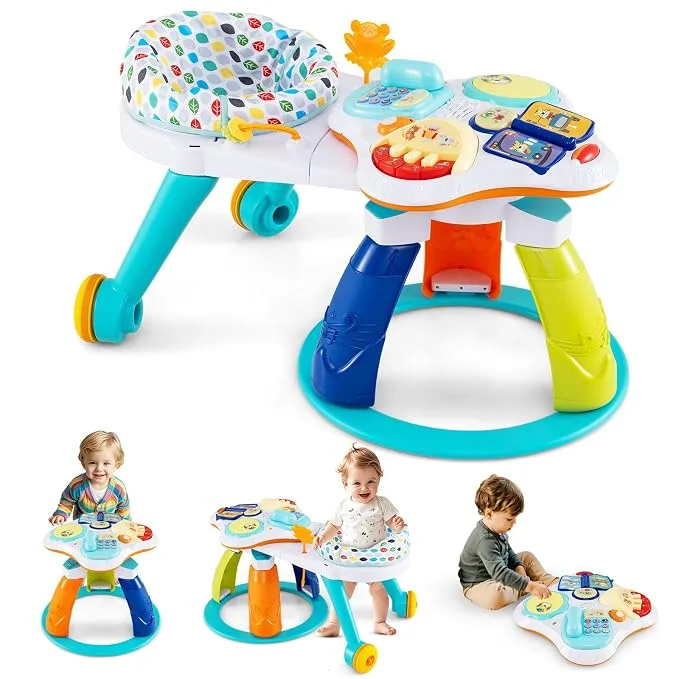
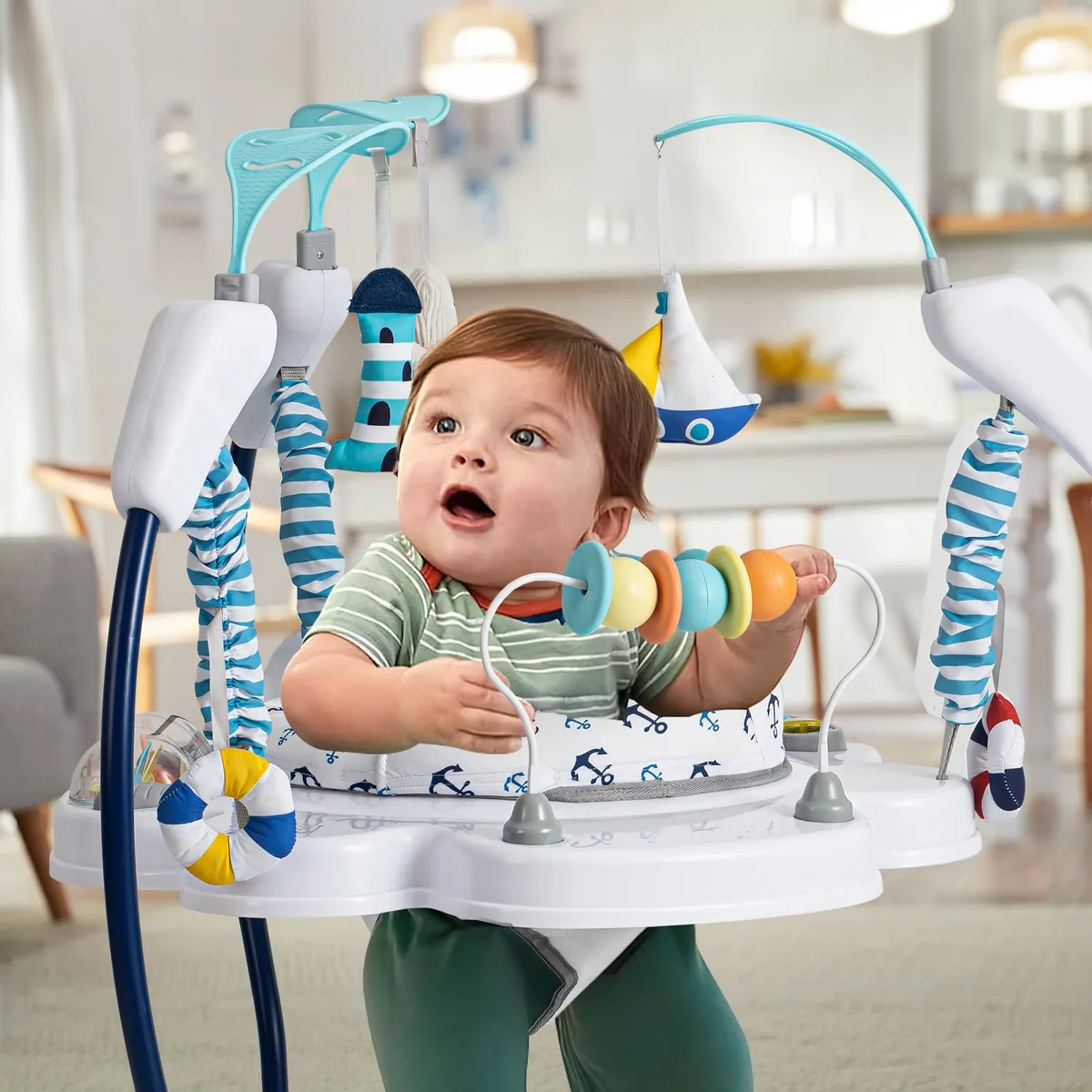
There are two main types: floor-based stations and seat-in-doorway jumpers. Floor models have a fixed base with removable seats. Doorway jumpers hang from a doorframe with adjustable tension straps.
Core Definition and Variations
- Stationary activity center: a base with an attachable seat and activity table.
- Seat-in-doorway jumper: a suspended seat that hangs from a doorframe.
- Removable-seat tables: convert from bouncer to activity table as baby grows.
Key Difference from Baby Walkers and Exersaucers
Walkers have wheels and let babies move around, which safety experts discourage. Exersaucers are similar to activity centers but often have a round base with fewer adjustable features. Activity centers focus on controlled bouncing and seated play.
What It’s Designed to Do
The goal is to give babies a safe space to explore while developing gross motor skills. Unlike walkers, these units don’t encourage rolling around the house. Instead, they promote core stability and balance in a fixed position.
Key benefits include:
- Providing a secure containment zone for supervised play.
- Encouraging leg strengthening through bouncing and weight-bearing.
- Offering sensory stimulation via lights, sounds, and textures.
- Supporting hand-eye coordination with reachable toys.
- Giving caregivers a hands-free window for quick tasks.
Essential Components
Most models share these features:
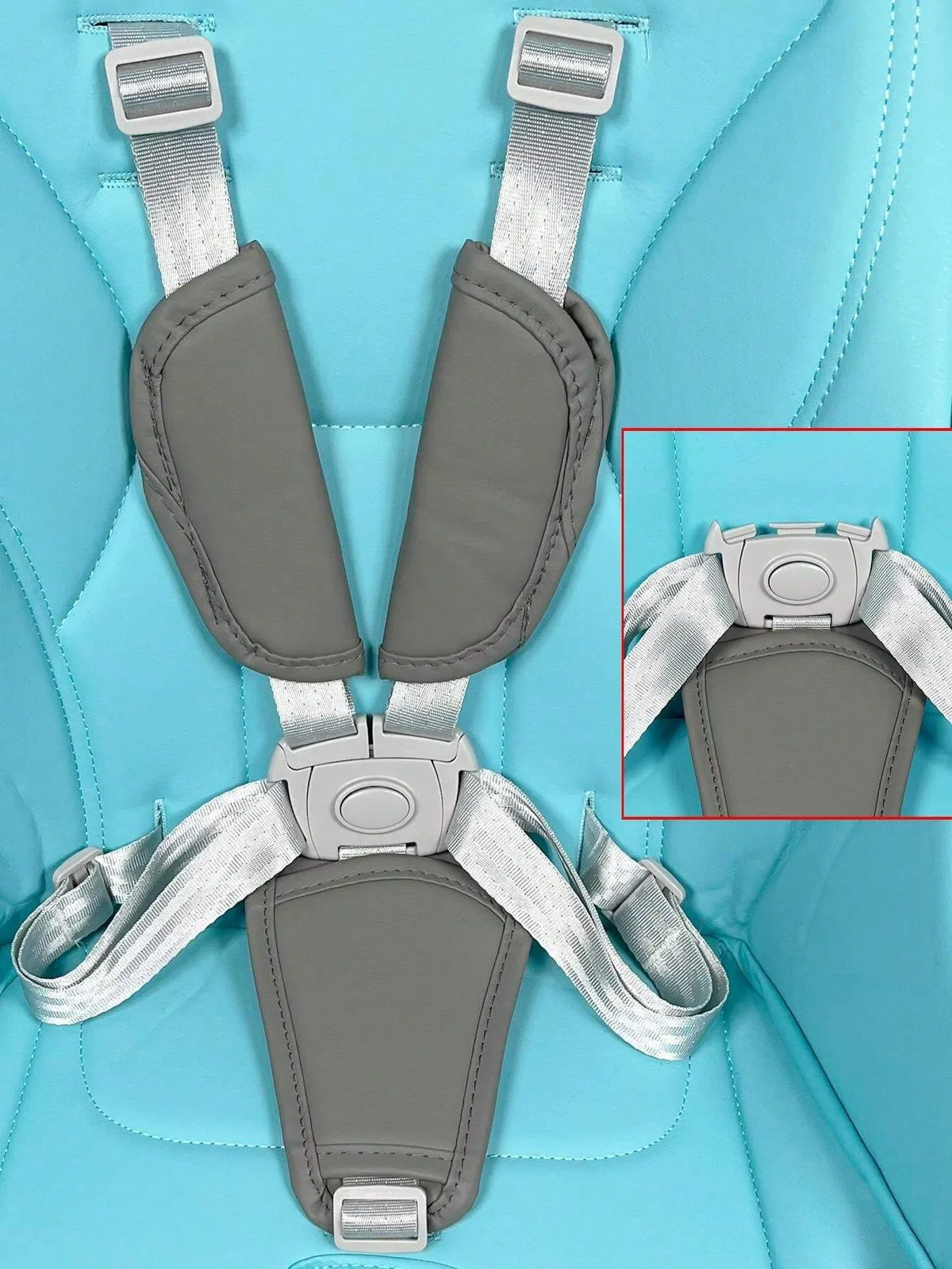
- Three-point or five-point harness to keep baby secure.
- Removable, washable seat pad for easy cleaning.
- Rotating or fixed activity panel with detachable toys.
- Non-slip rubber feet to prevent sliding on hard floors.
- Adjustable tension for doorway installations.
Developmental Readiness: Is Your Baby Ready Yet?
Before placing your baby in an activity center, they must meet key developmental milestones. Manufacturers and pediatric experts agree that independent sitting is non-negotiable. Most babies reach this stage between 4 and 6 months of age.
Age and Milestone Guidelines
- Babies need strong head and neck control first.
- They should sit without support for at least a few minutes.
- Legs must be able to bear some weight when held upright.
- Show interest in surrounding toys and people.
Weight Limits and Physical Fit
Each model has a minimum and maximum weight limit printed on the label. Typically, the minimum is around 15 pounds, and the maximum is 25 pounds. A proper fit means your baby’s feet touch the base lightly without forcing their legs straight.
Signs Your Baby Outgrows the Unit
- Weight exceeds the maximum limit.
- Can stand holding onto furniture (cruising).
- Loses interest in the activities.
- Begins climbing out of the seat.
If you’re unsure about your baby’s readiness, talk to your pediatrician. They can assess muscle tone, hip development, and overall growth. Never rush the process based on calendar age alone.
The Safety Rules You Can't Skip
Safety isn’t optional with baby activity centers, it’s the foundation. Every year, hundreds of injuries result from misuse, poor installation, or forgotten weight limits. Following these rules keeps your baby safe and gives you peace of mind.
Supervision and Environment
- Never leave your baby unattended, even for a moment.
- Place the unit on a flat, stable surface away from stairs or edges.
- Keep cords, heaters, and fragile items out of reach.
- Use on soft flooring if possible to cushion falls.
Session Duration and Posture
Limit sessions to 15, 20 minutes at a time. Babies should never bounce on their toes excessively, as this can lead to toe-walking habits. Watch for signs of frustration or overstimulation, like arching their back or fussing.
Installation and Hardware Checks
- For doorway jumpers, ensure the frame is sturdy and tension is correctly adjusted.
- Regularly inspect harness buckles, straps, and plastic joints for wear.
- Replace any damaged parts immediately with manufacturer-approved components.
- Tighten all screws and locks before each use.
Recalls and Certifications
Always check for safety recalls before purchase or use. The Consumer Product Safety Commission maintains an online database you can search by product name. Look for the ASTM F2379 standard label, which indicates the unit meets federal safety guidelines.
Common Mistakes to Avoid
Even well-intentioned parents can make mistakes with activity centers. These errors can lead to injury, delayed development, or wasted money. Avoid the following pitfalls to get the most out of your purchase.
Starting Too Early
- Placing a baby who can’t sit unsupported strains the spine.
- Hip dysplasia risk increases if legs are forced into unnatural positions.
- Wait until your pediatrician confirms readiness, not just calendar age.
Overreliance as a Containment Tool
Using the center as a babysitter limits tummy time and free play. Babies need floor time to develop core strength and coordination. Balance activity center use with other developmental activities throughout the day.
Ignoring Recalls and Certifications
- Failing to check CPSC recalls could mean using a dangerous product.
- Skipping safety certifications might void warranties or insurance coverage.
- Register your product after purchase to receive recall notices directly.
What If Your Baby Cries in the Center?
Crying could mean overstimulation, discomfort, or hunger. Try reducing noise and light settings. Ensure the harness isn’t too tight and the seat pad is clean.
If crying persists, remove your baby and try again later.
Activity Centers vs. Other Gear: What's the Difference?
Choosing the right gear can be confusing. Each option serves a different purpose, and mixing them up leads to safety issues or wasted money. Here’s how activity centers compare to common alternatives.
vs. Doorway Jumper
| Feature | Activity Center | Doorway Jumper |
|---|---|---|
| Mounting | Floor-based | Doorframe tension |
| Space needed | Larger footprint | Narrow door width |
| Portability | Moderate | High |
| Best for | Stable surfaces | Temporary use |
vs. Baby Walker (Rolling Push Type)
Rolling walkers allow babies to move around, which increases fall and tip-over risks. Many countries ban them due to injury data. Activity centers keep babies stationary, reducing mobility hazards while still encouraging leg strength.
vs. Play Mat or Floor Gym
- Floor gyms promote tummy time and prone play.
- Activity centers offer upright seating and sensory engagement.
- Use both for complementary development: floor time first, then seated play.
When to Transition Between Gear Types
Start with a floor gym during tummy time. Introduce an activity center once sitting is mastered. Move to a walking push toy when cruising begins.
Follow your baby’s pace, not the manufacturer’s age guide.
Maintenance and Long-Term Use
Keeping your activity center clean and functional extends its life and protects your baby’s health. Regular upkeep prevents mold, bacterial growth, and mechanical failure. Follow these steps to maintain the unit safely.
Cleaning and Hygiene
- Remove the seat pad and wash it according to the manufacturer’s instructions.
- Use a mild soap and warm water solution for fabric components.
- Wipe plastic panels and toy attachments with a damp cloth and gentle cleaner.
- Allow all parts to air-dry completely before reassembly to prevent moisture buildup.
- For persistent stains, consider water wipes formulated for sensitive surfaces.
Extending Usability Across Stages
- Detach the seat once your baby outgrows the bouncing stage.
- Repurpose the activity table for floor play with interactive toys.
- Replace worn toy bars with simpler, age-appropriate attachments.
- Store the unit in a dry place when not in use to avoid material degradation.
- Periodically tighten screws and inspect harness buckles for wear, much like you would when checking soft structured carrier straps.
Troubleshooting Common Issues
- If the seat wobbles, ensure all feet are level and the base is on a flat surface.
- For squeaking joints, apply a small amount of manufacturer-approved lubricant.
- Discontinue use immediately if any cracks, frayed straps, or broken buckles appear.
FAQs
At what age should I introduce an activity center?
Most babies are ready between 4 and 6 months old, once they can sit without support. Always confirm readiness with your pediatrician, especially if your child is frequently waking every hour.
How many minutes per day is safe?
Limit sessions to 15, 20 minutes at a time, with several breaks in between. Prolonged use can strain developing hips and reduce tummy time.
Can my toddler still use it?
Use depends on weight limits and interest. Most units max out around 25 pounds or when your child begins cruising. Transition to a push walker instead.
Are doorframe jumpers safe for all doorways?
They require a sturdy, interior doorframe with adequate width. Always follow the tension-adjustment guide and never mount on exterior doors or weak trim.
What should I do if my baby cries in the center?
Reduce noise and light settings, check harness fit, and ensure the seat pad is comfortable. If crying continues, remove your baby and try again later.
How do I clean a heavily soiled seat pad?
Machine-wash removable pads on a gentle cycle with mild detergent. Air-dry thoroughly before reattaching to prevent mold. For non-removable fabric, spot-clean with a damp cloth and allow complete drying.
Is it normal for my baby to arch their back while bouncing?
Occasional arching is common during excited bouncing. Persistent arching may signal discomfort, overstimulation, or a fit issue. Adjust the unit or consult your pediatrician if concerned.
What recall information should I check before buying?
Visit the Consumer Product Safety Commission recall database to verify no active alerts exist for the model. Register your purchase to receive future safety notices.

Taslima Khanam Sultana, a loving mom of three, founded BestBabyCart.com to help new parents navigate the world of baby products with ease. Her passion for making parenting simpler shines through delivering honest, unbiased reviews on must-haves like diapers, strollers, and feeding gear. Taslima’s mission is to empower families with expert tips, ensuring every product is safe and top-quality for your little one. Drawing from her own parenting journey, she’s dedicated to supporting yours!