Image source: Web (Bing) / ph.pinterest.com (Web image (fair-use with source credit))
Why Choosing the Right Baby Bookshelf Matters More Than You Think
A good bookshelf changes how a child interacts with books. It turns reading from a passive activity into something they choose on their own. This independence builds early literacy habits that stick for years.
The AAP recommends parents read aloud to children daily, and that habit needs an environment where books are actually accessible.
The Breastfeeding Covers Checklist No New Mom Should Skip shares a common principle with nursery furniture: the right setup empowers independence. A shelf at toddler height sends the message that books belong in their world. The wrong shelf leads to frustration, hidden titles, and fading interest.
Safety must come first alongside accessibility. Heavy shelves anchored poorly can tip when a curious toddler climbs or pulls themselves upright. The CPSC reports thousands of furniture tip-over injuries yearly.
Any bookshelf in a child's room needs proper wall attachment to prevent accidents.
Quick Answer
Baby bookshelves support early literacy and independent access to books. Children gravitate toward displays with front-facing pages. Tip-over anchors are essential for freestanding units.
Look for rounded edges and non-toxic finishes on all models.
Breaking Down the Main Baby Bookshelf Types
Three main designs dominate the market. Each serves a different purpose and room setup. Understanding these differences helps you pick what fits your space and your child's stage.
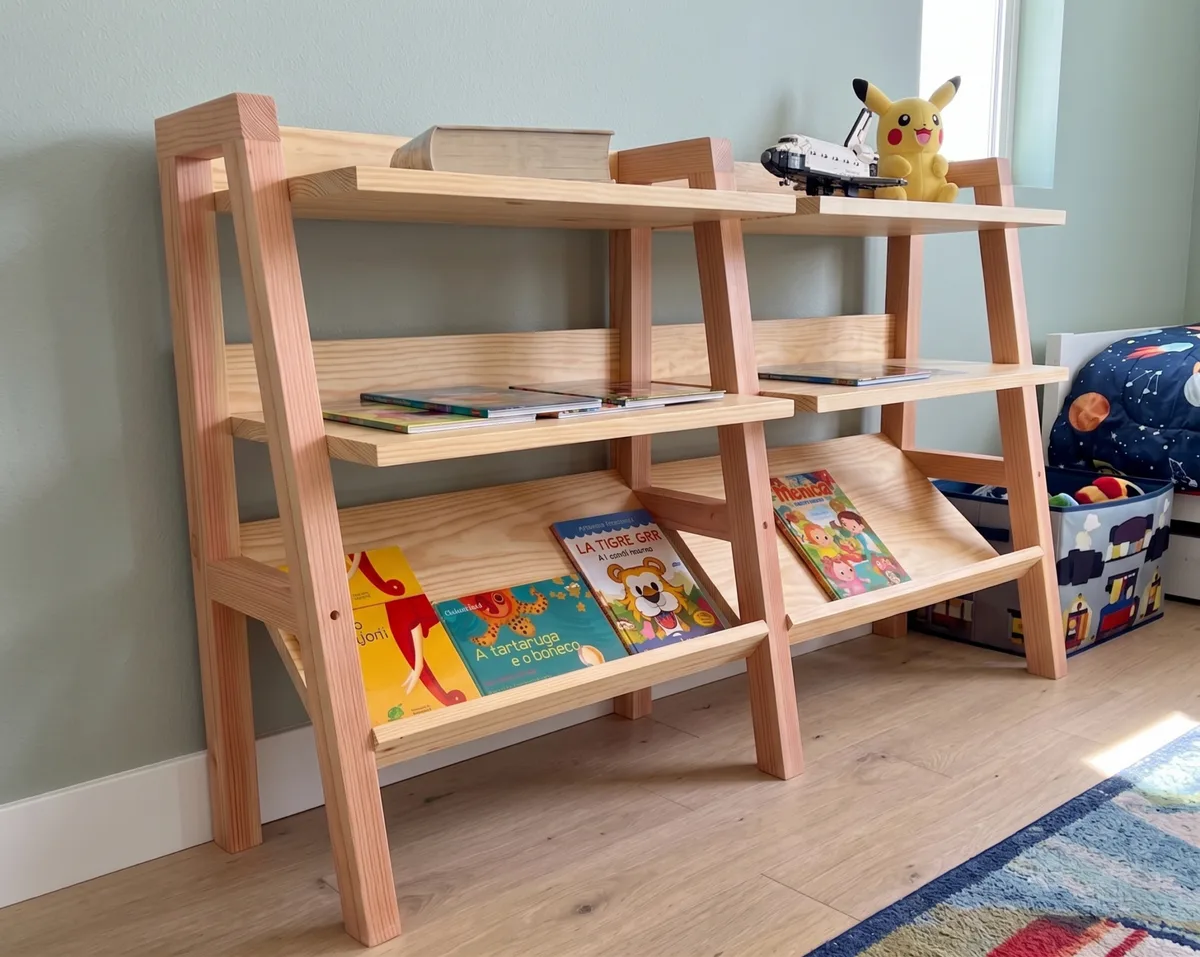
Freestanding low bookshelves stand on their own. They typically sit 18 to 36 inches tall. This range lets toddlers reach every shelf without help.
Models like the IKEA Luröy cost around $25 to $40 and feature open shelving. Higher-end options run $80 to $180 and include cube storage below for toys and bins. Solid wood versions last longer than particleboard alternatives.
Source: Web (Bing) / gooddiyplans.com (Web image (fair-use with source credit))
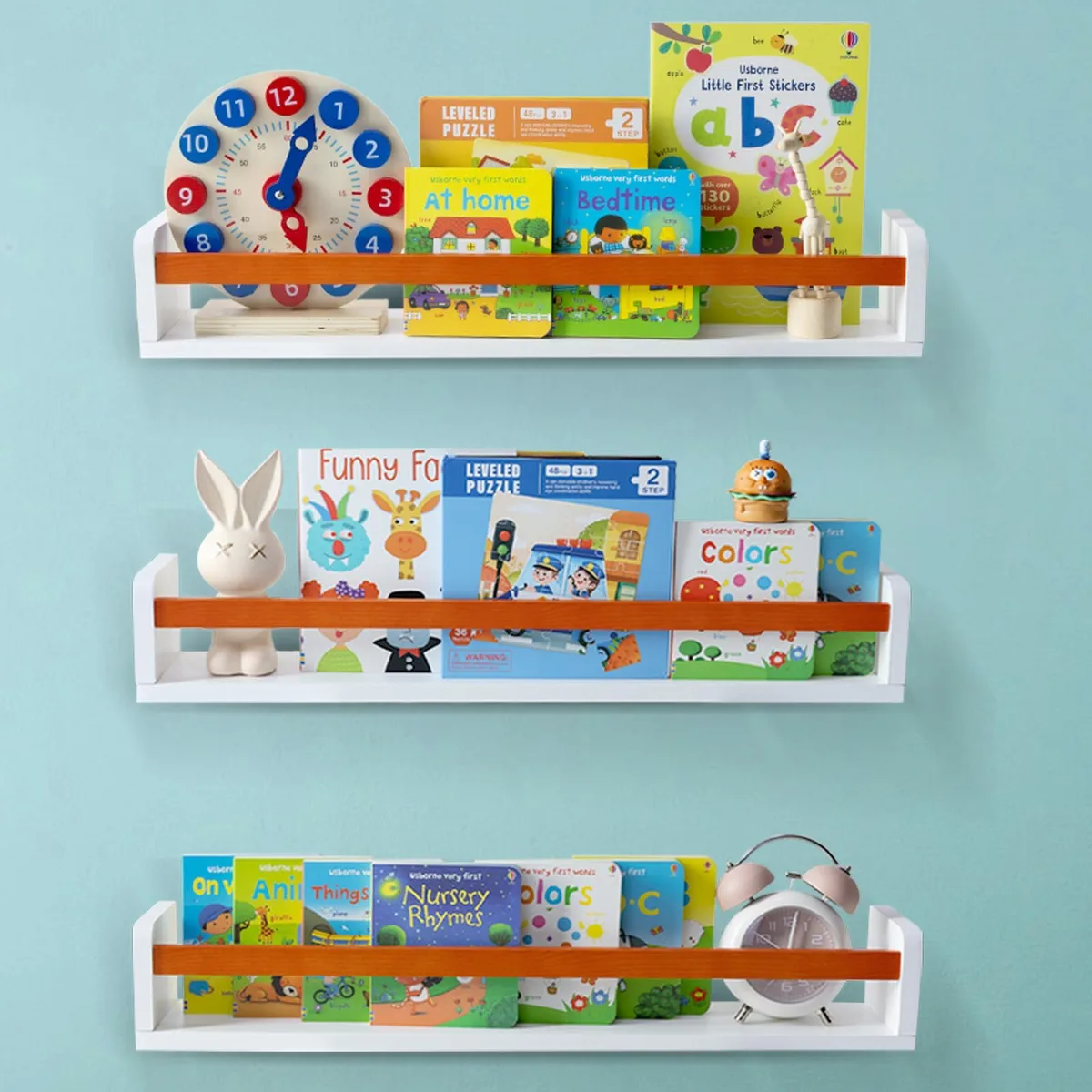
Wall-mounted shelves float directly on the wall. They free up floor space entirely. This makes them ideal for small nurseries or apartments where every inch counts.
Installation requires finding wall studs, which are spaced 16 or 24 inches apart. You'll need a drill and appropriate anchors. Budget options start around $25, while premium designs reach $120.
Mounting at 24 inches off the floor suits most toddlers.
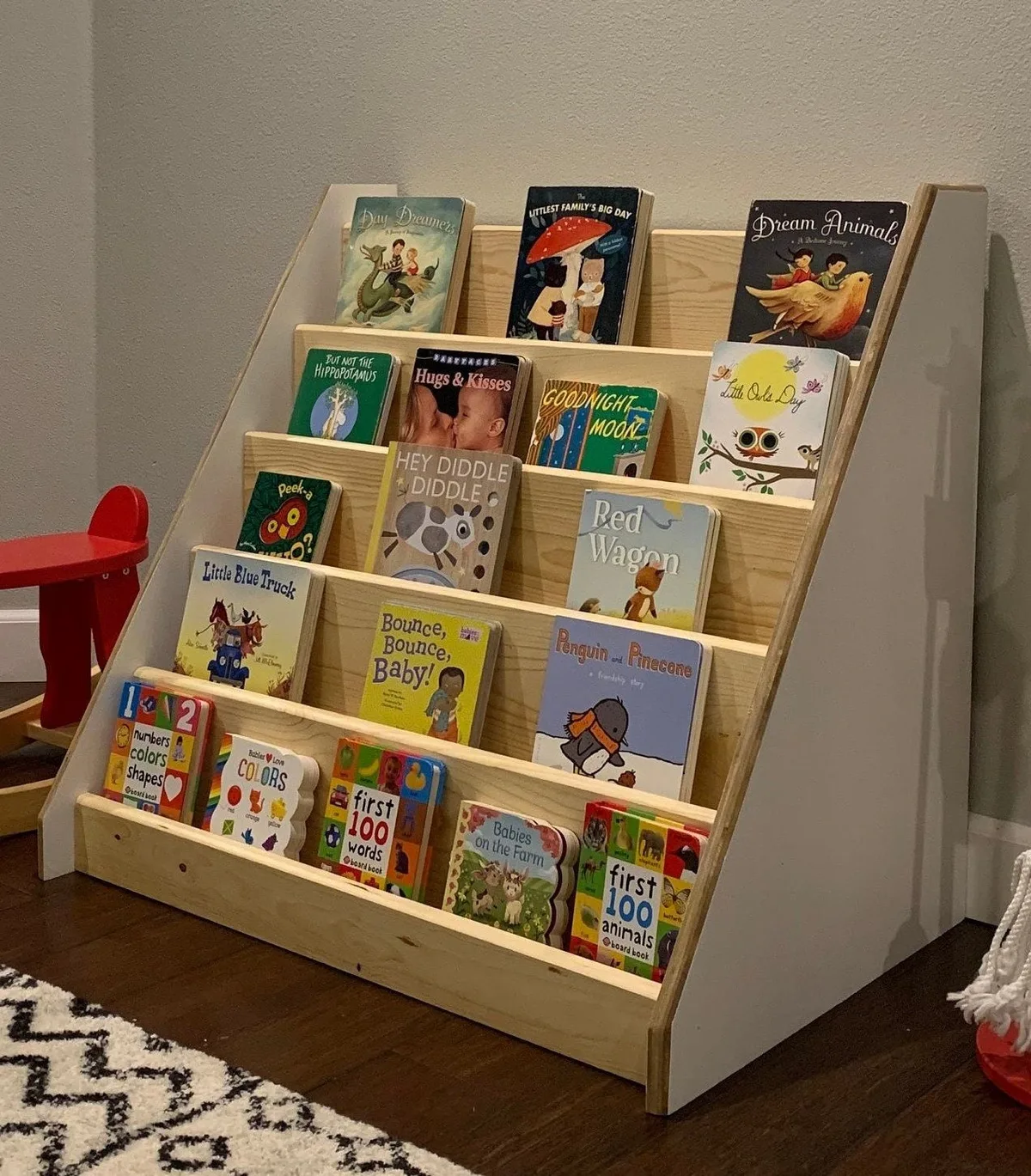
Face-out display racks hold books horizontally with covers visible. This style comes from Montessori principles. Children pick books by seeing the cover art instead of reading spines.
Simple plastic racks cost $25 to $50. Wooden versions with multiple slots run $60 to $100. These racks work on any surface.
Place one on a low dresser or floor-level shelf unit.
Each type supports independent browsing differently. Your choice depends on room size, budget, and how your child interacts with books. The right design makes stories impossible to ignore.
Side-by-Side: How the Options Compare
Choosing between freestanding shelves, wall mounts, and face-out racks depends on your priorities. Here's how they stack up across the factors that matter most.
| Feature | Freestanding Low Shelf | Wall-Mounted Shelf | Face-Out Display Rack |
|---|---|---|---|
| Floor space needed | Moderate | Minimal | Small footprint |
| Anchor requirement | Tip-over kit recommended | Must anchor to studs | Usually none, but can tip |
| Best room size | Medium-to-large nursery | Small apartments, studios | Any size, especially reading nooks |
| Price range (typical) | $40–$180 | $25–$120 | $25–$80 |
| Child independence support | High (full access) | High (if reachable) | Very high (books front-facing) |
Freestanding units win on storage versatility. Many include cubbies underneath for toys, diapers, or baskets. Wall-mounted shelves save floor space completely.
They turn bare walls into functional display areas. Face-out racks maximize book visibility. Toddlers select titles by cover art rather than spine labels.
Price tells a clear story too. Entry-level options exist across all three categories. But quality varies significantly.
Cheap particleboard shelves may warp within a year. Solid wood units withstand years of use and hand-me-downs. Factor long-term durability into your budget, not just the sticker price.
Installation complexity differs sharply. Wall mounts demand tools and stud-finding skills. If you rent or dislike drilling, skip this option.
Face-out racks need zero installation. Set them down and start stocking books immediately. Freestanding units sit anywhere but require anti-tip kits for safety.
The best choice matches your constraints. Small space plus rental living points toward a face-out rack. Spacious nursery with owned walls opens up freestanding or mounted options.
Multiple children means investing in durable wood over budget plastic.
Consider how Choosing a Bottle Drying Rack: What Actually Matters applies here too. Just as drying racks balance capacity, material, and cleaning access, bookshelves balance display, storage, and safety based on your actual situation.
Matching the Bookshelf to Your Real-Life Situation
No single shelf fits every home. Your room layout, lifestyle, and child's age all shape the decision. Let's look at real scenarios and what works best in each.
Small apartments and studios demand space efficiency. Floor space is at a premium. Wall-mounted shelves disappear into the architecture.
They hold a curated collection without eating into play area. Pair one with a floor cushion and you've created a complete reading nook. Secondhand Soft Structured Carriers: The Pre-Buy Checklist readers already know: smart storage choices multiply usable square footage in tight quarters.
Source: Web (Bing) / amazon.com (Web image (fair-use with source credit))
Open-plan nurseries welcome freestanding low bookcases. These rooms typically have more floor area to work with. A wide bookshelf anchors the reading corner visually.
Cube storage underneath keeps the space tidy. Rotate books monthly to maintain interest. Toddlers respond to fresh titles better when older ones stay out of sight.
Montessori-inspired homes prioritize independence above all else. Face-out display racks align perfectly with this philosophy. Children choose what to read without adult help.
Start with six to eight books. Rotate seasonally. The goal is autonomy, not volume.
Overloading a shelf defeats the purpose.
Daycare and preschool settings need durability and capacity. Commercial-grade wooden units handle heavy rotation. Spine-out shelving works here since caregivers organize selections.
Multiple racks along one wall create an inviting library feel. Clean non-toxic finishes matter more when many children touch the same surface daily.
Budget-conscious families should weigh secondhand options carefully. Quality solid wood shelves appear frequently on Facebook Marketplace and thrift stores. Inspect for wobbly joints, splintered edges, and missing hardware.
Never buy an unanchored tall unit. Refinish worn surfaces with child-safe paint if needed.
Your daily routine reveals the right fit. Do you value quick access during story time? Go face-out.
Need hidden storage for clutter? Choose freestanding with cubes. Maximizing every square inch?
Wall-mount is your answer. Match the shelf to how you actually live.
Safety Essentials Every Parent Should Check
Safety isn't optional when furniture enters a toddler's environment. Kids climb, lean, and pull. A poorly secured bookshelf becomes a dangerous projectile.
Follow these essentials before and after installation.
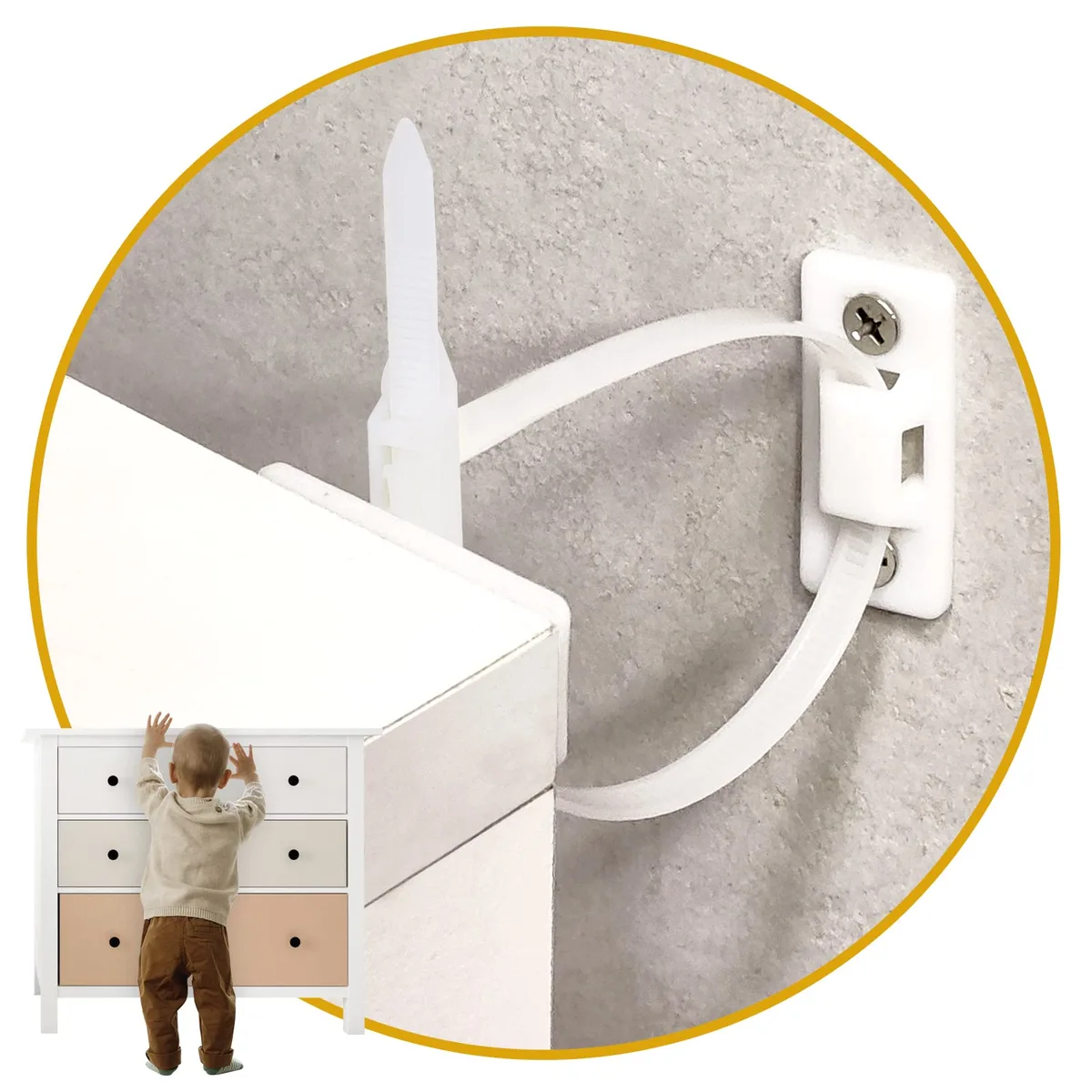
Anti-tip anchors are non-negotiable for freestanding units. The CPSC reports that furniture tip-overs injure thousands of children annually. Anchor brackets attach to the shelf back and secure into wall studs.
Drywall anchors alone won't hold a pulling child. Use a stud finder to locate solid wood framing behind your drywall.
Source: Bing (Web (fair-use with source credit))
Non-toxic finishes protect developing bodies. Composite woods like MDF emit formaldehyde, a known carcinogen. Look for products certified CARB Phase 2 compliant, meaning they meet strict formaldehyde emission limits.
Paint and stain finishes should be water-based and labeled lead-free and phthalate-free. Solid hardwoods finished with natural oil require no chemical concerns.
Edge protection matters more than most parents realize. Sharp corners cause serious head and facial injuries during toddler falls. Choose shelves with rounded edges or add silicone corner guards.
Check existing furniture in your home too. Bookshelves aren't the only hazard.
Weight limits define safe loading. Most toddler shelves hold 10 to 30 pounds per shelf. Exceeding capacity warps boards and loosens joints.
Distribute weight evenly across the shelf surface. Heavy board books belong on lower shelves where center of gravity stays low.
The Juvenile Products Manufacturers Association offers certification programs for youth furniture safety. Look for the JPMA seal on packaging. ASTM F2057 sets the stability standard all compliant products meet.
These marks signal third-party testing, not just manufacturer claims.
Before purchasing, check Recalls.gov for any flagged models. Secondhand buys require extra scrutiny. Inspect for broken hardware, cracked wood, and worn anchors.
Replace missing safety components before your child touches the unit. A $15 anchor kit prevents catastrophic injury.
FAQs Parents Actually Ask
Can I skip anchoring a short, wide bookshelf?
No. Even low, wide units can tip if a child climbs or pulls themselves upright. The CPSC recommends anchoring every freestanding furniture piece that a child can climb on, regardless of height.
Always use the included anti-tip kit and secure it into wall studs.
How many books fit on a toddler shelf before it becomes overcrowded?
Aim for six to twelve books per shelf. Overstuffing blocks access and makes rotation harder. Toddlers choose from visibility, not volume.
Fewer titles keep interest fresh and reduce frustration when browsing.
Is a plastic rack safer than wood for teething toddlers?
Plastic lacks sharp edges and wipes clean quickly. Wood offers greater durability and stability. Both are safe when finished with non-toxic, lead-free coatings.
Choose based on your cleaning preference and desired lifespan.
When should I switch from a face-out rack to a traditional shelf?
Switch when your child shows interest in reading spines or needs storage for a growing collection. Face-out racks best serve ages one to three. Traditional shelves support older kids building independent libraries.
Follow your child's cues rather than an age chart.
Are secondhand baby bookshelves safe to use?
Yes, if you inspect them thoroughly. Check for wobbly joints, splintered edges, and missing hardware. Replace anchors and refinish worn surfaces with child-safe paint.
Avoid units listed in recall databases and verify compliance with ASTM F2057 stability standards before purchase.
Final Recommendation: Picking the Right Shelf for Your Home
Choose based on three factors: floor space, installation comfort, and your child's climbing habits. Tight spaces and rentals point toward wall-mounted shelves. Spacious owned homes suit freestanding bookcases with cube storage.
Prioritizing independence calls for a Montessori face-out rack.
How Baby Wakes up Every Hour — What to Do reminds us that predictable environments support healthy development, just as a consistently placed bookshelf builds reading routines.
Before buying, confirm the unit meets ASTM F2057 and carries JPMA certification where available. Verify CARB Phase 2 compliance for composite woods. Purchase a tip-over anchor kit if not included.
Install anchors into wall studs, not drywall alone.
Arrange books face-out initially. Rotate titles every four to six weeks to sustain interest. If you remain uncertain, start with a modest budget face-out rack.
You can always upgrade later. Accessible books matter more than perfect furniture.

Taslima Khanam Sultana, a loving mom of three, founded BestBabyCart.com to help new parents navigate the world of baby products with ease. Her passion for making parenting simpler shines through delivering honest, unbiased reviews on must-haves like diapers, strollers, and feeding gear. Taslima’s mission is to empower families with expert tips, ensuring every product is safe and top-quality for your little one. Drawing from her own parenting journey, she’s dedicated to supporting yours!