
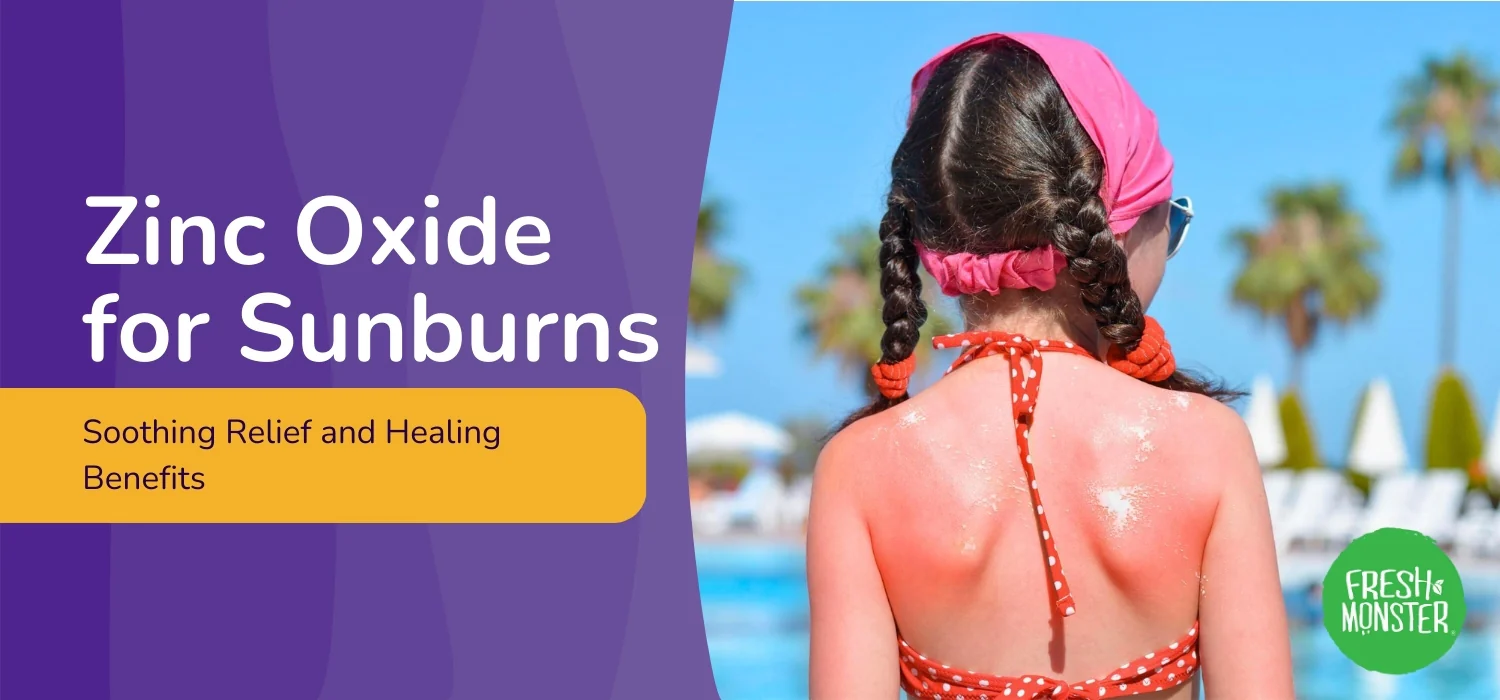
There’s a universal, unpleasant jolt of recognition when you step out of the sun with skin that’s already starting to prickle and turn pink. Most people’s first response is to grab aloe vera gel, a cooling spray, or a hydrocortisone cream from the medicine cabinet — but what if the diaper rash cream stashed in your fully stocked nursery could provide just as much relief for mild sunburn?
Diaper rash cream isn’t formulated for sun damage, but its core ingredients are designed to soothe irritated, inflamed skin — the exact state sunburned skin is in. For mild, pink sunburn with no blisters, it can be a surprisingly effective, accessible backup remedy, though it’s not a replacement for medical care or first-line sunburn treatments. We’ll break down the science behind why it works, how to use it safely, and when to stick to traditional options.
What Makes Diaper Rash Cream Effective for Mild Sunburn?
Diaper rash creams are engineered to protect and heal delicate, irritated skin — a purpose that aligns closely with the needs of sunburned tissue. Their effectiveness comes down to a simple, well-researched set of active ingredients that target the core symptoms of sunburn: inflammation, dryness, and friction irritation.
Key Active Ingredients and Their Benefits
The star ingredient in most diaper rash creams is zinc oxide, a mineral compound that forms a physical barrier on the skin’s surface. Zinc oxide is the same physical sun protection active found in many mineral sunscreens, prized for its ability to block irritants and reduce inflammation without being absorbed into the skin. When applied to sunburned skin, this barrier locks in moisture, prevents friction from clothing or sheets from worsening irritation, and calms the fiery, stinging sensation associated with mild burns.
Most diaper rash creams also include complementary soothing ingredients: petrolatum or lanolin to seal in hydration, aloe vera or calendula for mild cooling and anti-inflammatory effects, and vitamin E to support skin cell repair. Many plant-based rash creams include calendula and aloe vera, which add extra anti-inflammatory benefits for sunburned skin. These are the same ingredients found in many dedicated sunburn relief products, which explains why diaper cream can deliver similar results for mild cases.
 Zinc oxide, the key active ingredient in most diaper rash creams, forms a protective barrier on sunburned skin to reduce irritation and lock in moisture.
Credit: freshmonster.com
Zinc oxide, the key active ingredient in most diaper rash creams, forms a protective barrier on sunburned skin to reduce irritation and lock in moisture.
Credit: freshmonster.com
How These Ingredients Target Sunburn Symptoms
Sunburn damages the skin’s outer layer, causing blood vessels to dilate (leading to redness and heat) and moisture to evaporate quickly (leading to tightness and peeling). Diaper rash cream’s barrier-forming zinc oxide reduces air exposure to the damaged skin, which cuts down on stinging and prevents further moisture loss. The added moisturizers then work to keep the skin plump and supple, reducing the risk of painful peeling. The thick barrier works similarly to the protective layer in overnight protective wear, preventing moisture loss and friction irritation from clothing or sheets.
In practice, this makes diaper rash cream particularly useful for small, hard-to-cover sunburned areas like the shoulders, nose, or cheeks, where friction from clothing or accessories can make discomfort worse. Many parents also already use it for minor kitchen burns and chafing, so its use for sunburn is a natural extension of its intended purpose.
For households with young kids, diaper rash cream is a common household staple you likely already have on hand for minor skin irritations, making it a convenient option if you’re caught without dedicated sunburn products.
How Does Diaper Rash Cream Compare to Traditional Sunburn Remedies?
Diaper rash cream is not a replacement for first-line sunburn treatments, but it holds up well as a backup option for mild cases, with some unique advantages and trade-offs compared to standard remedies.
Effectiveness for Mild Sunburn
Traditional sunburn remedies like aloe vera gel, cool compresses, and over-the-counter hydrocortisone cream are formulated specifically for sun-damaged skin, so they deliver more immediate cooling and targeted inflammation reduction. Aloe vera, for example, has a high water content that provides instant relief for hot, painful skin, while 1% hydrocortisone cream reduces redness and swelling faster than most diaper creams.
That said, diaper rash cream’s thick, occlusive texture stays on the skin far longer than thin aloe gel, which can drip off or evaporate quickly. For small areas that rub against clothing, it provides more consistent protection against friction irritation than lighter remedies. For mild, pink sunburn with no blisters, it delivers comparable relief to a basic moisturizing barrier cream, though it won’t speed up healing as much as dedicated anti-inflammatory products. If you prefer a lighter, faster-absorbing option, rapid relief spray options work similarly to cream for mild sunburn, though they lack the long-lasting barrier of a zinc oxide paste.
Convenience and Accessibility
One of the biggest advantages of diaper rash cream is that it’s widely available in most homes with young children, and it’s easy to apply without any special tools. Unlike cool compresses, which require a clean cloth and cold water, or hydrocortisone cream, which may not be on hand in a pinch, diaper rash cream is often already in a nursery drawer or travel bag. Its thick consistency also makes it less messy to apply on the go, which is a big plus for camping trips, beach days, or travel where you may not have access to a sink for cool compresses.
Step-by-Step Guide to Using Diaper Rash Cream for Sunburn Safely
While diaper rash cream is generally safe for mild sunburn, improper use can worsen irritation or trap heat in damaged skin. Follow these evidence-based steps to get the most benefit with minimal risk.
Pre-Application Prep
The most important step before applying any product to sunburned skin is to cool the tissue first. Take a cool (not ice-cold) 10–15 minute shower, or apply a clean cool compress to the affected area, to bring down the skin’s internal temperature. Pat the skin gently dry with a soft towel — do not rub, as this will further irritate damaged tissue. A common mistake many people make is applying cream immediately after sun exposure before cooling the skin, which can trap heat and increase stinging.
Application Best Practices
Opt for a high-zinc formulation with at least 10% zinc oxide, as this concentration delivers the strongest barrier effect. Avoid creams with added fragrances, dyes, essential oils, or medicinal additives like neomycin or antifungal agents, as these can irritate sunburned skin. If you have sensitive-skin safe options on hand, these are ideal for sunburn use, as they are formulated to minimize irritation.
Apply a thin, even layer to the affected area using gentle, downward strokes — do not rub the cream into the skin. For first-time users, do a patch test on a small area of the forearm 24 hours before full application to check for allergic reactions. When selecting a cream for sunburn use, reach for a gentle, low-irritant formula free of added fragrances, essential oils, and medicinal additives like neomycin.
 A thin layer of fragrance-free diaper rash cream can lock in moisture and reduce friction irritation on mild sunburned areas.
Credit: discount-drugmart.com
A thin layer of fragrance-free diaper rash cream can lock in moisture and reduce friction irritation on mild sunburned areas.
Credit: discount-drugmart.com
What to Avoid
Never apply diaper rash cream to broken, oozing, or blistered skin, as the thick occlusive base can trap bacteria and increase the risk of infection. Blistering indicates a second-degree sunburn that requires medical care, not at-home remedies. Do not use scented diaper creams, as added fragrances are a common cause of contact dermatitis on irritated skin. If you already use sensitive-skin diapers for your little one, the same gentle, fragrance-free rash cream you use for them is ideal for sunburn use, as it’s already tested for delicate, irritated skin. Always choose a fragrance-free baby product variant, as added fragrances and dyes can worsen inflammation on sunburned skin. Finally, never use diaper rash cream as a substitute for sunscreen — it offers no UV protection, so it will not prevent further sun damage.
Safety Considerations and When to Skip This Remedy
Diaper rash cream is low-risk for most people, but it’s not appropriate for every sunburn case or skin type. Understanding its limitations will help you avoid worsening irritation or delaying needed medical care.
Who Should Avoid Using Diaper Cream on Sunburn
People with known allergies to zinc oxide, lanolin, petrolatum, or any other ingredients in the cream should avoid this use, as it can trigger severe contact dermatitis. People with oily or acne-prone skin may find the thick, occlusive base clogs pores and causes breakouts on sunburned areas. Finally, diaper rash cream is not suitable for severe sunburn: if you have widespread blistering, fever, chills, nausea, or intense pain that doesn’t improve with cool compresses, seek medical care immediately — these are signs of a severe burn that requires professional treatment.
Potential Side Effects
Mild stinging on first application is normal, as the barrier may feel unusual on damaged skin, but this should fade within 2–3 minutes. If stinging persists, wash the cream off with cool water. Rarely, contact dermatitis can occur from added fragrances, dyes, or preservatives in the cream, which is why patch testing is critical for first-time users. Unlike dedicated sunburn products, diaper creams are not formulated for use on large areas of damaged skin, so side effects are slightly more likely if you use it on a full-body sunburn.
Expert and User Insights on This DIY Remedy
Diaper rash cream for sunburn is a long-standing hack shared in parenting and outdoor recreation communities, but what do experts and real users have to say about its effectiveness?
What Dermatologists and Public Health Officials Recommend
Per the CDC’s sunburn care guidelines, cool compresses and moisturizing barrier creams are recommended for mild sunburn, and diaper rash cream fits the criteria of a gentle, non-irritating barrier option for temporary relief. Dermatologists note that zinc oxide’s proven anti-inflammatory and barrier-forming properties make it a logical choice for mild sunburn, but emphasize that it is not a first-line treatment. For sunburn with significant redness, swelling, or pain, dedicated sunburn products with added anti-inflammatory ingredients will deliver faster, more reliable relief.
Common User Experiences
In online parenting and hiking communities, many users report using diaper rash cream as a convenient backup for minor sunburn, especially on multi-day camping trips or beach vacations where dedicated sunburn products may be left behind. Most users note it works best for small, localized areas like the shoulders, nose, or cheeks, rather than full-body burns, due to its thick, hard-to-spread consistency. It’s also frequently cited as a go-to for minor kitchen burns and chafing, aligning with its intended use for irritated, fragile skin.
When to Stick to Traditional Sunburn Remedies
Diaper rash cream is a useful backup, but it’s not the best option for every sunburn scenario. Stick to traditional remedies if:
- Your sunburn has blisters, widespread redness, or is accompanied by fever, chills, or nausea (signs of a severe burn that needs medical care)
- You need immediate cooling for hot, painful skin (aloe vera gel or a cool compress will work faster)
- You’re treating a large area of sunburn (a lightweight aloe or moisturizer will be easier to apply evenly)
- You have a known allergy to any ingredient in your diaper rash cream
Remember, the best way to avoid sunburn discomfort is to prevent it entirely: apply broad-spectrum SPF 30+ sunscreen 15 minutes before sun exposure, reapply every 2 hours, and wear protective clothing and hats when spending extended time outdoors.
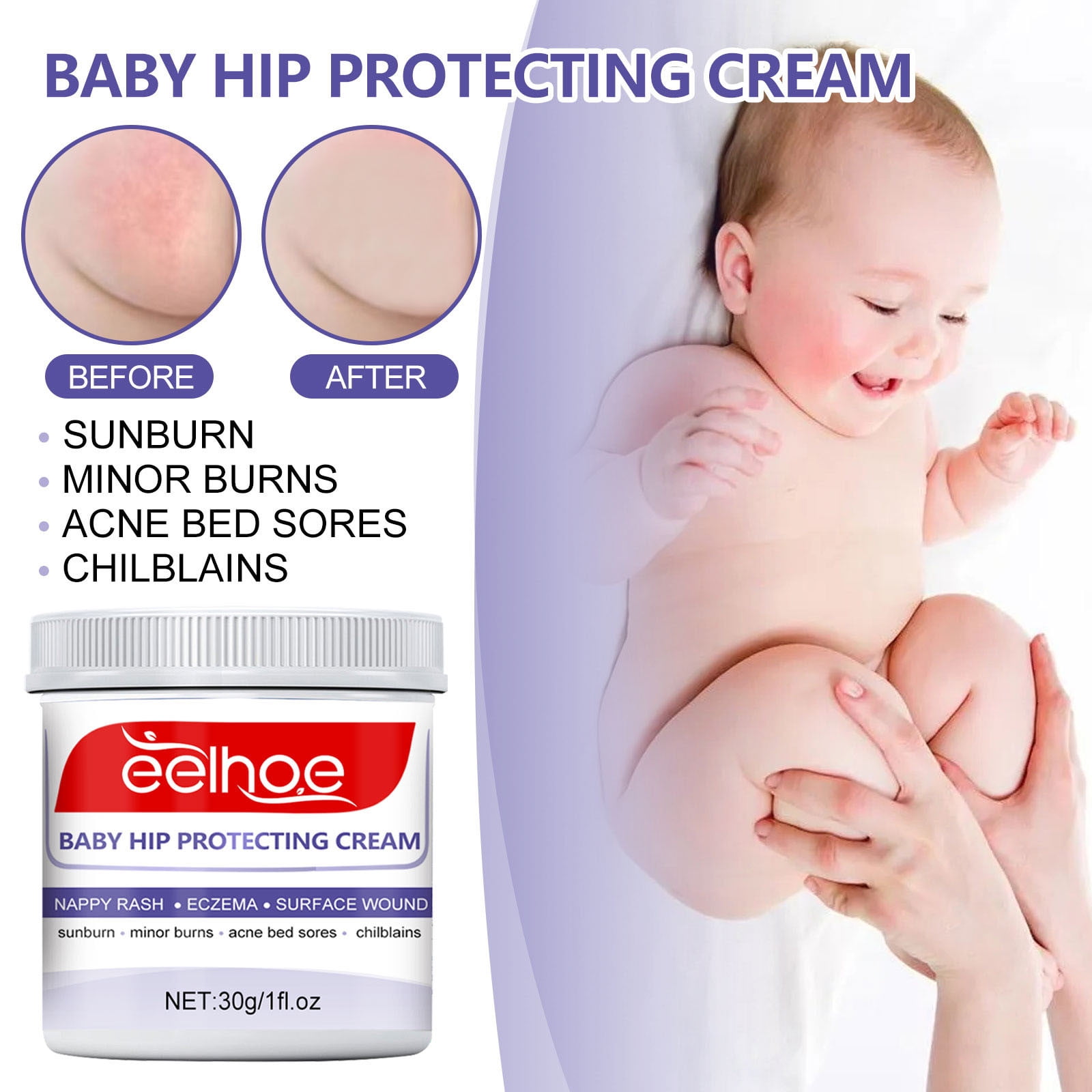 Multi-purpose diaper rash creams like Sudocrem are often formulated with zinc oxide and moisturizing agents that double as mild sunburn relief.
Credit: www.walmart.com
Multi-purpose diaper rash creams like Sudocrem are often formulated with zinc oxide and moisturizing agents that double as mild sunburn relief.
Credit: www.walmart.com
Frequently Asked Questions
Can I use diaper rash cream on a sunburn with blisters?
No. Blistering indicates a second-degree sunburn, which requires medical care. Diaper cream can trap bacteria in broken blisters and increase the risk of infection. See a healthcare provider for blistering burns.
How long does it take for diaper rash cream to relieve sunburn?
Most people report reduced stinging and friction irritation within 1–2 hours of application, as the barrier locks in moisture and reduces contact with clothing. Full healing of mild sunburn takes 3–5 days, consistent with other gentle barrier remedies.
Can I use diaper rash cream on my face for sunburn?
Yes, for mild, non-blistering facial sunburn. Use a very thin layer, and avoid getting the cream near your eyes. Opt for a fragrance-free variant to minimize the risk of irritation on delicate facial skin.
Is diaper rash cream better than aloe for sunburn?
It depends on your needs. Aloe vera provides immediate cooling that relieves hot, painful sunburn fast, while diaper cream provides a longer-lasting barrier that prevents friction irritation from clothing. Many people use both: apply aloe first for cooling, then a thin layer of diaper cream to lock in moisture.
Can diaper rash cream prevent sunburn peeling?
Yes. The petrolatum and lanolin in most diaper rash creams seal in skin moisture, which reduces the tightness and flaking associated with sunburn. Use a thin layer 2–3 times a day for the first 3–4 days after sun exposure to minimize peeling.
Conclusion
Diaper rash cream is a surprisingly effective, accessible backup remedy for mild, pink sunburn with no blisters, thanks to its zinc oxide barrier and moisturizing ingredients. It’s not a replacement for first-line treatments like aloe vera or hydrocortisone for more severe discomfort, nor is it a substitute for medical care for blistering or widespread burns. When used correctly — after cooling the skin, with a thin layer of fragrance-free, high-zinc cream — it can reduce stinging, lock in moisture, and prevent friction irritation to speed up mild sunburn recovery.
If you’re looking for more gentle, baby-safe skin care tips and product recommendations, explore our guides to non-toxic diaper care and sensitive skin essentials to build a reliable, irritation-free skin care routine for your whole family.

Emma Grace is a devoted mother and passionate content writer at BestBabyCart.com. With firsthand parenting experience and a love for research, she creates helpful guides and honest reviews to support parents in choosing the best for their babies. Her goal is to make parenthood easier, one article at a time.