
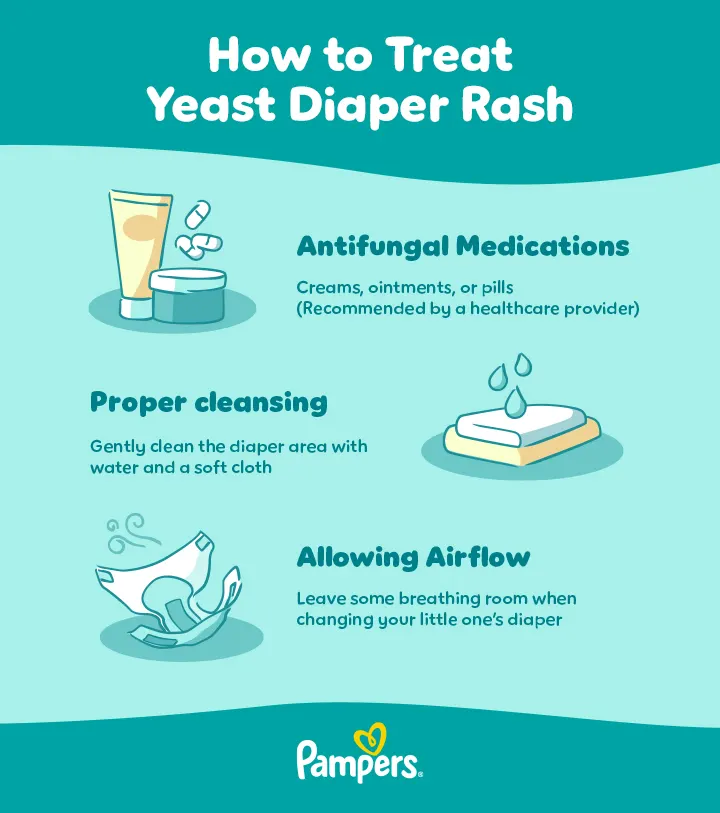
Watching your baby fuss and cry from diaper area discomfort is one of the most stressful parts of early parenthood. You may have a tube of diaper rash cream in your medicine cabinet already, and it’s natural to wonder: will diaper rash cream help with a yeast infection? The short answer is nuanced: most standard barrier creams will not cure a yeast infection, but certain medicated multi-action creams may ease symptoms while you access proper treatment. In this 2026 guide, we break down the facts, backed by current pediatric dermatology guidance, to help you make safe, effective choices for your little one’s sensitive skin.
Diaper Rash vs. Yeast Infection: Critical Differences Parents Need to Know
Both standard diaper rash and yeast infections affect the diaper area, but they have distinct causes, symptoms, and treatment requirements. Misidentifying one for the other can lead to prolonged discomfort for your baby and delayed healing. You can also read our guide on what color do diapers change when wet.
Core Causes and Risk Factors
Standard diaper rash (irritant contact dermatitis) is caused by prolonged exposure to moisture, friction from diapers or clothing, and contact with irritants like urine, stool, or harsh wipes. It is extremely common, affecting up to 35% of babies at some point in their first year, per pediatric dermatology guidance. Yeast diaper infections (candidal diaper dermatitis) are caused by an overgrowth of Candida albicans, a fungus that naturally lives on the skin. This overgrowth occurs when the skin’s natural barrier is damaged, and warm, moist conditions allow the fungus to multiply rapidly. Common risk factors for baby yeast infections include recent antibiotic use (which kills healthy skin flora that keeps yeast in check), overnight diapers left wet for 8+ hours, tight plastic diaper covers that trap moisture, and broken skin from aggressive rubbing during diaper changes. You can also read our guide on natural zinc oxide rash cream twin.
Symptom Comparison
Use this quick reference to tell the two conditions apart:
| Feature | Standard Irritant Diaper Rash | Candidal Yeast Diaper Infection |
|---|---|---|
| Cause | Moisture, friction, irritants | Candida albicans overgrowth |
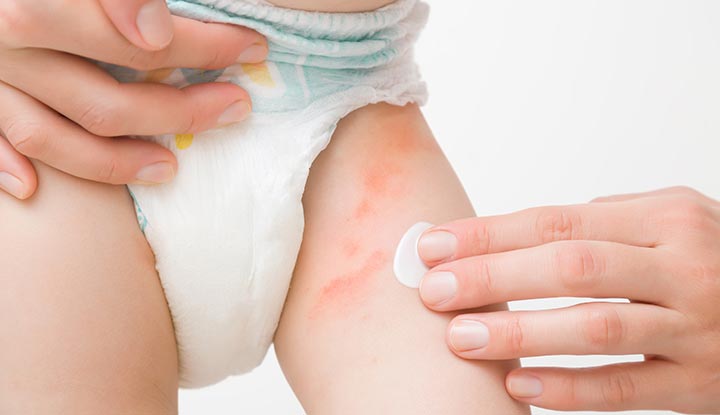
| Appearance | Diffuse red, irritated patches with no distinct borders; may look like a sunburn | Bright, beefy-red patches with sharply defined edges; often has small red or white satellite lesions spreading outward from the main rash |
| Onset | Appears within hours of prolonged wet diaper exposure | Usually develops after 3-5 days of persistent, unimproved standard rash |
| Response to barrier cream | Improves within 2-3 days of regular use | Does not improve, and may get worse, with standard barrier cream use |
| A common parent mistake is assuming a persistent rash is just "stubborn" diaper rash, when it is actually a yeast infection. In practice, many parents wait 5-7 days before seeking care for a yeast infection, which can extend healing time by twice as long as prompt treatment. |
What's Actually in Diaper Rash Cream? Ingredient Breakdown
Not all diaper rash creams are created equal, and their ingredients determine whether they can help with a yeast infection at all.
Barrier Ingredients
The vast majority of standard diaper rash creams rely on two core barrier ingredients:
- Zinc oxide: A mineral that forms a physical, waterproof barrier on the skin to block moisture and irritants. It is the active ingredient in most pasty, white rash creams, and is safe for daily use on sensitive baby skin.
- Petrolatum (petroleum jelly): An occlusive ingredient that seals moisture into the skin and blocks external irritants. It is common in thinner, spreadable rash creams. Neither of these ingredients have antifungal properties, so they cannot kill Candida yeast or clear an active infection.
Medicated Multi-Action Ingredients
A small subset of diaper rash creams combine barrier ingredients with antifungal agents, most commonly 1% clotrimazole or miconazole. These are technically antifungal medications, not standard barrier creams, and they are the only diaper rash-adjacent products that can actively treat mild yeast infections. Always check the active ingredient list on the label to confirm if a cream has antifungal properties: if it only lists zinc oxide, petrolatum, or dimethicone as active ingredients, it will not treat yeast.
 Standard barrier creams (left) protect skin from moisture, while antifungal creams (right) target yeast overgrowth directly.
Credit: www.babycenter.com
Standard barrier creams (left) protect skin from moisture, while antifungal creams (right) target yeast overgrowth directly.
Credit: www.babycenter.com
Can Diaper Rash Cream Help With a Yeast Infection? The Facts
The answer depends entirely on the type of cream you are using.
When It May Provide Temporary Symptom Relief
Standard barrier creams (zinc oxide or petrolatum-based) can soothe the redness, burning, and discomfort associated with a yeast infection by protecting irritated skin from further moisture and friction. They can also be used alongside antifungal treatment to support healing, by creating a protective barrier over broken, sensitive skin as the antifungal clears the infection. If your baby’s rash is persistent rash unresponsive to barrier creams, bright red, or has satellite spots, it is likely a yeast infection requiring antifungal treatment.
Why It Can't Cure a Yeast Infection on Its Own
Barrier creams do not have any antifungal properties, so they cannot eliminate the Candida overgrowth causing the infection. In fact, applying a thick layer of standard barrier cream to an active yeast infection can trap moisture against the skin, creating an even more favorable environment for yeast to multiply and worsening the rash over time. Per pediatric dermatology guidance from the American Academy of Pediatrics, candidal yeast infections require targeted antifungal treatment to clear the underlying fungal overgrowth pediatric dermatology guidance.
Cases Where Combined Creams May Help
If you are using a multi-action diaper rash cream that contains a medicated antifungal ingredient (like 1% clotrimazole), it can treat mild, early-stage yeast infections effectively. These products are formulated for diaper area use, so they are safe for most babies over 3 months old when used as directed. For moderate to severe infections, however, a dedicated, higher-strength antifungal cream may be needed for faster healing. For a full breakdown of evidence-based treatment steps for diaper area yeast infections, refer to our dedicated guide.
Evidence-Based Treatments for Baby Yeast Infections
If you suspect your baby has a yeast diaper infection, skip the guesswork and follow these steps for fast, safe relief.
Over-the-Counter Antifungal Options
For mild, confirmed yeast infections, over-the-counter 1% clotrimazole or miconazole creams are the safest first-line treatment. These medications are FDA-approved for pediatric use for mild fungal skin infections, and are available at most pharmacies without a prescription for babies over 3 months old FDA pediatric antifungal guidance. Apply a thin, even layer to the affected area 2-3 times per day for 7-10 days, even if the rash starts to improve after a few days, to ensure the infection is fully cleared. For confirmed yeast infections, medicated antifungal diaper creams containing these active ingredients are the most effective over-the-counter option.
When to See a Pediatrician
Schedule a visit with your child’s doctor if:
- The rash does not improve after 3 days of consistent antifungal cream use
- The rash is spreading to the baby’s abdomen, thighs, or skin folds
- Your baby has a fever, seems excessively lethargic, or is refusing to eat
- The infection recurs more than 2-3 times per year Your pediatrician may prescribe a stronger topical antifungal or oral medication for severe or recurrent infections, and can rule out other skin conditions that may mimic yeast infections, such as eczema or bacterial folliculitis.
Safe Home Care Steps to Support Healing
- Change wet or dirty diapers immediately, aiming for no more than 2-3 hours between changes during the day, and overnight changes if the diaper is wet. For families using cloth diapers, following appropriate cloth diaper rotation guidelines to avoid reusing wet diapers is critical for cutting off the moisture yeast needs to thrive.
- Cleanse the area with warm water and fragrance-free wipes or a soft cloth, patting dry instead of rubbing to avoid micro-tears in the skin.
- Allow 10-15 minutes of diaper-free air time daily, either during tummy time or after bath time, to let the skin fully dry.
- Avoid tight plastic diaper covers or plastic-backed cloth diapers that trap moisture against the skin.
- During long outings in a stroller or car rides, pack extra diapers and wipes to change your baby as soon as they are wet, even if the diaper feels only slightly damp.
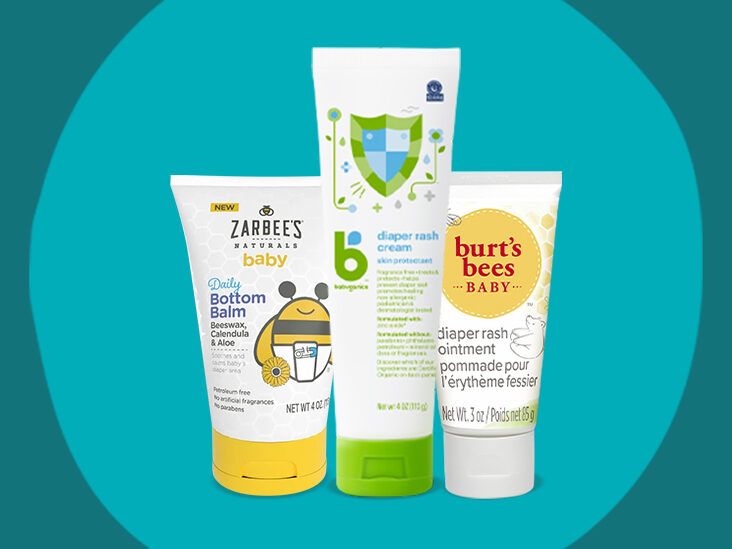 A thin, even layer of antifungal cream is all that’s needed to treat most mild yeast diaper infections.
Credit: www.healthline.com
A thin, even layer of antifungal cream is all that’s needed to treat most mild yeast diaper infections.
Credit: www.healthline.com
6 Proven Ways to Prevent Recurrent Yeast Diaper Infections
Preventing yeast infections is far easier than treating them, and these simple steps cut your baby’s risk significantly:
- Choose low-irritant diapers: Opting for diapers free of harsh irritants made without synthetic fragrances, dyes, or harsh absorbent gels reduces skin barrier damage that allows yeast to overgrow.
- Change diapers frequently: Never leave a wet diaper on for more than 3 hours during the day, and change overnight diapers as soon as your baby wakes if they are damp. For overnight sleep, using overnight diapers with superior absorbency reduces the number of wet diaper changes needed, lowering the risk of prolonged moisture exposure.
- Use gentle cleansing products: Avoid wipes with alcohol, fragrances, or harsh cleansers, which can disrupt the skin’s natural pH and barrier function. For babies with extra sensitive skin, opting for gentle, organic barrier creams can reduce the risk of additional irritation from synthetic ingredients. For babies with a history of recurrent rashes or eczema, sensitive-skin friendly diapers made without latex, fragrances, or harsh dyes reduce the risk of skin barrier damage that allows yeast to overgrow.
- Dress in breathable fabrics: Avoid tight plastic diaper covers and opt for loose cotton clothing and breathable crib bedding for nap and bedtime to improve air circulation and reduce moisture buildup.
- Skip harsh rubbing: Pat the diaper area dry after baths or diaper changes, rather than rubbing, to avoid micro-tears in the skin that make it easier for yeast to invade.
- Limit sugar intake for older babies: For babies over 12 months old, reducing added sugars in their diet can lower yeast overgrowth risk, as sugar feeds Candida yeast in the gut and on the skin.
Frequently Asked Questions
Can Desitin help a yeast infection?
Most standard Desitin formulations (including the original blue paste and purple fast-acting cream) contain only zinc oxide and petrolatum as active ingredients, which form a protective moisture barrier but have no antifungal properties. They may soothe redness and mild discomfort temporarily, but they cannot eliminate the Candida overgrowth causing the infection. For confirmed yeast infections, a medicated antifungal cream is required to clear the infection, though you can continue using a barrier cream alongside antifungal treatment to protect irritated skin as it heals.
What cream is good for yeast infection rash?
For mild, confirmed yeast diaper infections, over-the-counter 1% clotrimazole or miconazole creams are the safest first-line option. These are available at most pharmacies without a prescription for babies over 3 months old. For severe, recurrent, or widespread infections, your pediatrician may prescribe a stronger topical antifungal or oral medication. Always follow usage instructions exactly, and discontinue use if you notice increased redness, rash, or irritation.
Will zinc oxide cream help a yeast infection?
Zinc oxide is a proven, safe barrier ingredient that protects irritated skin from further moisture damage and reduces redness, but it has no antifungal properties, so it cannot cure a yeast infection. That said, many pediatricians recommend using a thin layer of zinc oxide barrier cream after applying an antifungal medication, to protect the healing skin from further irritation while the antifungal works to eliminate yeast.
How can I tell if it's a yeast infection or regular diaper rash?
Standard irritant diaper rash typically appears as diffuse red, irritated skin across the diaper area, with no distinct borders, and improves within 2-3 days of barrier cream use and frequent diaper changes. Candidal yeast infections, by contrast, appear as bright, beefy-red patches with sharply defined edges, often with small red or white satellite lesions spreading out from the main rash. Yeast infections also do not improve with standard barrier creams, and may get worse over time if left untreated. If you are unsure, always consult your pediatrician for an accurate diagnosis, as misdiagnosis can prolong healing.
Conclusion
The short answer to whether diaper rash cream helps with a yeast infection is: only if it contains a medicated antifungal ingredient. Standard zinc oxide or petrolatum-based barrier creams will soothe irritated skin and protect against further moisture damage, but they cannot eliminate the Candida overgrowth at the root of a yeast infection. Using only a barrier cream on a confirmed yeast infection can actually prolong healing time by trapping moisture against the skin, creating an ideal environment for yeast to multiply. If you suspect your baby has a yeast diaper infection, skip at-home guesswork: schedule a visit with your pediatrician to confirm the diagnosis and get a targeted treatment plan. For more evidence-based baby skin care and pediatric health tips, browse our full library of trusted guides.

Emma Grace is a devoted mother and passionate content writer at BestBabyCart.com. With firsthand parenting experience and a love for research, she creates helpful guides and honest reviews to support parents in choosing the best for their babies. Her goal is to make parenthood easier, one article at a time.