
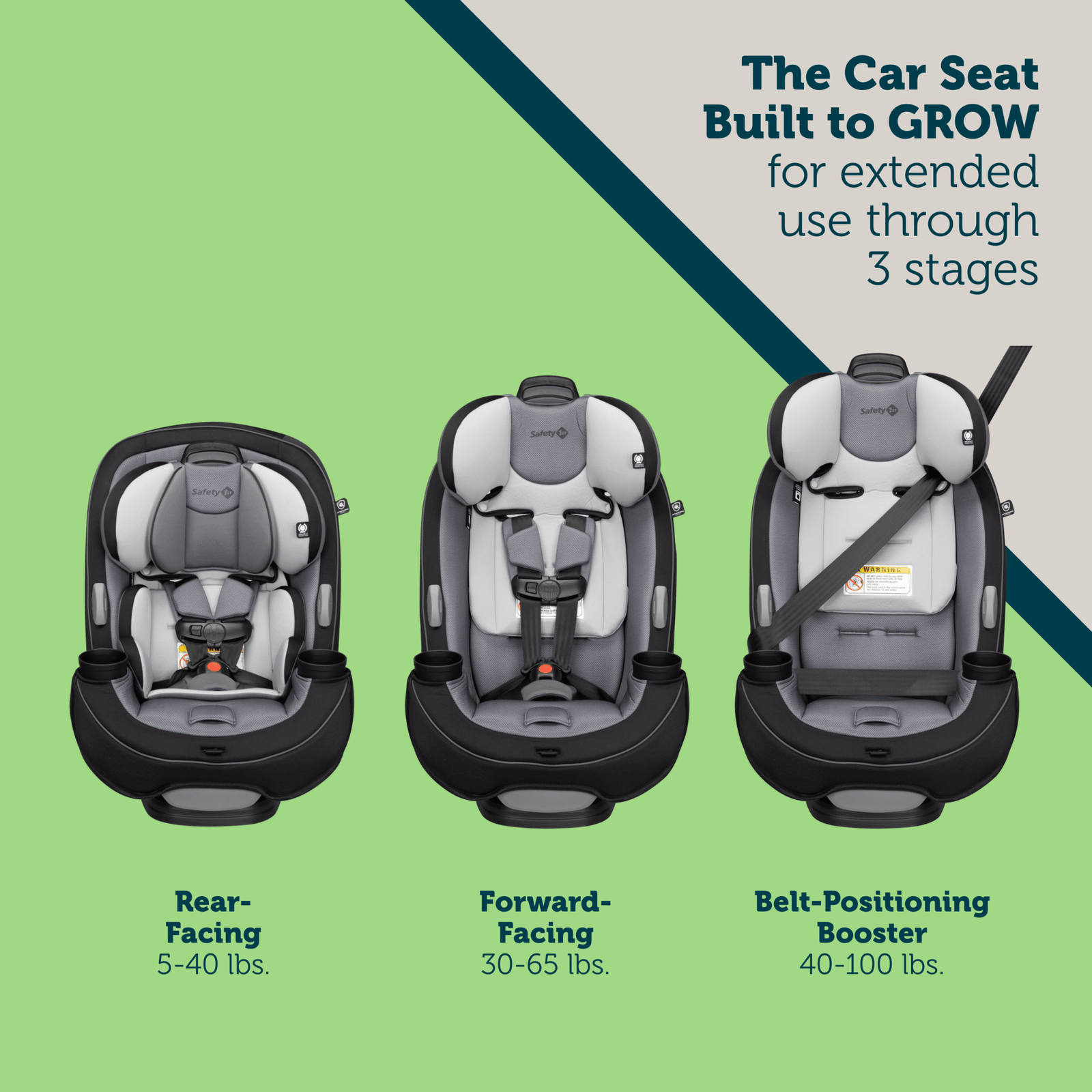
Every car seat has a clock ticking — even one that still looks brand new.
If you're driving around with a Safety 1st seat (the brand most parents still call "Safety First"), you have probably asked yourself: how long is this actually safe to use? The honest answer is that car seats are not made to last forever. Most Safety 1st seats are designed for 6 to 10 years of use from their date of manufacture. After that, the plastic, foam, and harness materials can lose the ability to protect your child in the way they did when the seat was brand new.
This guide walks you through exactly how long your seat is good for, where to find the date, what can shorten the seat's life, and what to do when it's time for a replacement. For more on this, see our guide on best convertible child safety car seats for ultimate.
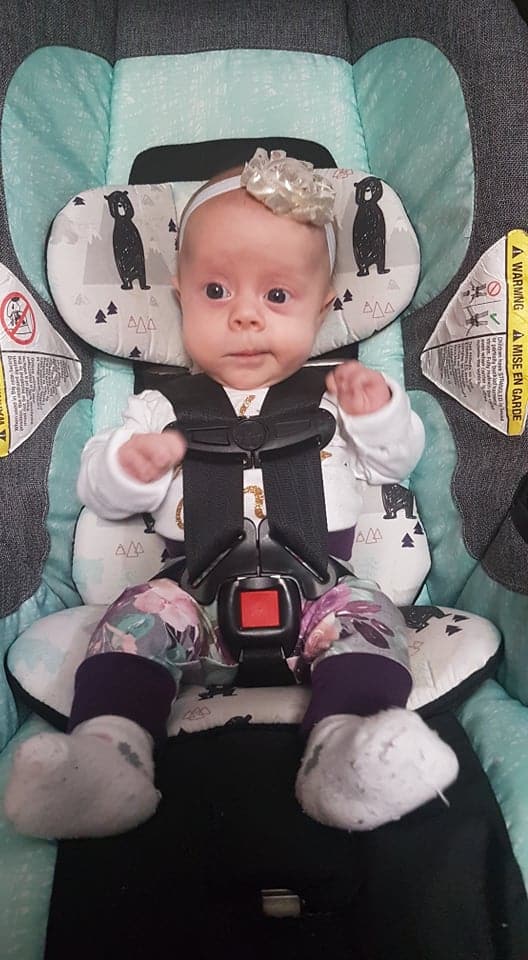
A Safety 1st infant carrier with the newborn insert in place.
Credit: csftl.org
What Is the Lifespan of a Safety First Car Seat?
There is no single expiration date for every Safety 1st car seat. Most models in the lineup are built to last 6 to 10 years from the day they were manufactured, but the exact number depends on the model. The only way to know your seat's real lifespan is to find its label.
A common mistake is trusting the previous owner, the store listing, or "how it feels." Car seats are certified safety devices, and the label is the single source of truth. For more on this, see our guide on best child safety booster car seats top picks.
| What to look for | Where you'll find it | Why it matters |
|---|---|---|
| Expiration date | Molded or printed on the label on the back, base, or underside of the shell | The seat is not certified for use after the date printed |
| Date of manufacture | Same label, usually shown as a month and year | If no expiration date is shown, add the model's lifespan (typically 6–10 years) |
| Model number | Sticker or raised lettering near the label | Needed for recall checks and replacement parts |
If the label is gone, treat the seat as expired. A missing label is a red flag, not a small detail.
Why Do Car Seats Expire in the First Place?
Parents often ask why a seat that "still works" needs to be retired. There are three honest reasons.
Materials break down over time
A car seat is an engineered safety device, not a piece of furniture. The plastic shell, foam padding, and harness webbing are crash-tested as new materials. Over years of heat, cold, UV light, and the weight of a growing child, those materials become less predictable. Replacing the seat is how you keep the odds in your child's favor.
Safety standards keep moving forward
Even a 12-year-old seat that looks untouched was built to older standards. Federal requirements, side-impact testing, harness designs, and even how seats are installed all improve over time. An old seat simply cannot be updated to match today's research. The National Highway Traffic Safety Administration publishes current car seat guidance and recall updates for exactly this reason. For more on this, see our guide on best 3 in 1 child safety car seats.
The seat's history is hard to verify
Once a seat leaves the original owner, no one can truly know what happened to it. In practice, we see seats that have been dropped, cleaned with solvents, borrowed between families, or stored in a hot garage for years. Expiration dates exist because after a certain point, nobody can guarantee what the seat has been through.
Where to Find the Expiration Date on a Safety First Car Seat
Finding the date takes less than two minutes.
- Move the seat out of the car and flip it over.
- Look at the underside or the back of the plastic shell. Most Safety 1st seats print the label there.
- If the cover hides part of the shell, remove the cover and look underneath.
- Search for the words "DO NOT USE AFTER" followed by a month and year. Some seats list a date of manufacture instead.
- Snap a photo of the label and put the expiration date on your calendar.
The user manual also lists the lifespan in years for your exact model. If the manual is missing, the label still gives you everything you need.
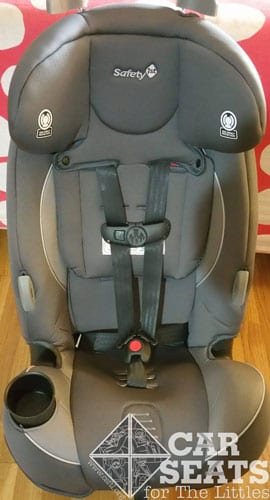
The Safety 1st Continuum stays in service for years, so its expiration label matters.
Credit: csftl.org
7 Signs Your Safety First Car Seat Needs Replacing
Even before the expiration date arrives, a seat can be unsafe. Work through this checklist every few months.
1. The expiration date has passed
This is the big one. An expired seat is not "probably fine" — it is outside the manufacturer's guarantee. Many parents are surprised to realize the seat they bought for a newborn can expire before the child is ready for a booster. That is normal, and it's exactly how car seats are designed.
2. Cracks or warping in the plastic shell
Hairline cracks, soft spots, or a warped base are not cosmetic issues. They mean the shell's structure is compromised. Pay special attention to the belt path and the base.
3. Frayed straps, a loose harness, or a faulty buckle
The harness is the part that restrains your child in a crash. If the webbing is frayed, the retractor is sluggish, or the buckle no longer clicks cleanly, say goodbye to the seat. Don't try to fix a harness or wash it in a machine — detergents can strip the webbing's protective coating.
4. Missing pieces
Every part of a car seat serves a purpose. If the chest clip is gone, a harness pad is missing, or the base doesn't lock firmly, stop using the seat until you have genuine manufacturer replacement parts.
5. The seat has been in a crash
Most manufacturers — including Safety 1st — instruct parents to replace the seat after any crash, even a low-speed one. The internal damage may be invisible. And yes, bizarre incidents count too, including car seats in unusual places. Treat any of those as possible structural damage until proven otherwise.
6. The seat was in a fire or extreme heat event
Direct fire, a car fire, or severe heat damage can warp plastic and change the foam's behavior from the inside out. A seat that sits in the sun every day is fine; a seat that survived a fire is not.
7. The seat was recalled and never fixed
Recalls happen to good brands. What matters is whether the repair was completed. If you can't confirm the seat's recall status, check the model and manufacture date against NHTSA's recall list before buckling anyone in.
Can You Still Use an Expired Car Seat?
No. Short answer: no. Longer answer: also no.
We hear the same justifications from well-meaning parents: "It's only a few months past the date." "It's the second car and barely gets used." "It lives at Grandma's house." None of these change the core problem. The materials have passed the age at which the manufacturer can guarantee they will perform in a crash, and there is no visual test you can run to confirm otherwise.
Expired seats also should not be passed along to friends, younger siblings, or donation centers. Giving someone an expired safety device isn't a kindness — it's a risk.
How to Dispose of an Expired Car Seat
Recycling options
Car seats combine plastic, foam, metal, and fabric, so they can't just go in the regular recycling bin. Some communities run special car seat collection events, and a few retailers accept old seats during take-back programs. Call your local waste management office and ask about "child safety seat recycling." You can also check with the manufacturer for guidance on responsible disposal.
Step-by-step safe disposal
- Remove the cover and the foam padding.
- Cut the harness straps into several pieces. This is the most important step — it stops anyone from pulling the seat out of the trash and using it.
- Write "EXPIRED — DO NOT USE" in permanent marker on the plastic shell.
- Recycle or discard the pieces according to your local rules.
The cut-straps step is non-negotiable. A whole, unbuckled car seat in a dumpster is a tempting free find. A seat with cut straps and a visible "EXPIRED" label is clearly unusable.
How to Choose a Replacement Car Seat
Follow current safety guidelines
Every new car seat sold in the U.S. must meet federal motor vehicle safety standard FMVSS 213. That's the baseline. The bigger decision is choosing a seat that fits your child's size, your car, and the way your family drives.
The American Academy of Pediatrics recommends keeping children rear-facing as long as possible, up to the maximum height and weight limits of the seat.
Match the seat to the child
- Infant carrier — rear-facing from birth, with a carrying handle and a base that stays in the car.
- Convertible seat — rear-facing at first, then flips to forward-facing; check its extended rear-facing limits.
- All-in-one seat — rear-facing, forward-facing, and booster modes in one seat.
- Booster seat — used after the harness is outgrown, until the adult seat belt fits properly.
Practical checklist before you buy
- Height and weight limits — higher limits usually mean more years of use.
- LATCH or seat belt installation — not every car has LATCH in every seating position.
- The seat's expected lifespan from its manufacture date.
- Removable, machine-washable covers, because car seats get filthy.
- Full history, if you're considering a used seat — no exceptions for "we barely used it."
If the new seat is part of a bigger travel refresh, our guide to folding a travel stroller will save you from wrestling your old gear into the trunk on trip day.

Newer Safety 1st models include a five-point harness, side-impact protection, and easy-clean covers.
Credit: safety1st.com
Cold Weather and Car Seats: A Section Most Parents Miss
The most common car seat mistake we see in winter is the oversized coat. Puffy coats have trapped air that gets compressed when you tighten the harness. That compression creates slack — and in a crash, slack lets a child's body move forward before the harness catches.
Here's the simple test: buckle your child while the coat is on and tighten the harness. Then unfasten the harness without removing the coat. If the straps are no longer snug, the coat is too thick to wear in the car seat.
Instead, dress your child in thin layers and drape a blanket or car seat poncho over the tightened harness. That's why experienced parents plan ahead with winter layers for babies before the first cold snap.
The small stuff matters too. Cold, damp feet make every child miserable during a short car ride, and a fussy toddler makes buckling harder. Keep a spare pair in the diaper bag — our guide to a stash of baby socks covers how many pairs actually earn their place.
Maintenance Tips to Get the Most From Your Safety First Seat
Clean the cover the right way
Most Safety 1st covers are removable and machine-washable on a gentle cycle — but check the care tag first. The harness straps are different: wipe them with a damp cloth and never submerge them in soapy water. Washing webbing can change how it slides through the buckle and strip its protective coating.
Store the seat out of the sun and off the garage shelf
UV radiation and extreme temperature swings are the two biggest enemies of car seat plastic. Store the seat indoors in a climate-controlled room when it's not installed. A hot, sunny car or an attic shelf slowly shortens the useful life of the shell.
Keep the seat free of aftermarket add-ons
Only the parts that came with the seat are tested to work with it. Aftermarket head rests, padded insert cushions, and harness covers may look helpful, but they haven't been crash-tested with your model. The same "less is more" principle applies in the nursery — our guide to safe sleep spaces explains what actually belongs in a crib.
Finally, register your new seat for recall notices. The manufacturer's registration form takes about two minutes and ensures you'll hear about safety issues instead of discovering them by chance.
Frequently Asked Questions
How long are Safety First car seats good for?
Most Safety 1st car seats have a lifespan of 6 to 10 years from the date of manufacture. The exact expiration date for your model is printed on the label. If you can't find a date, treat the seat as expired.
Where is the expiration date on a Safety First car seat?
Check the underside of the shell, the back of the base, or the molded label near the harness slots. It's usually marked "DO NOT USE AFTER." If you only see a date of manufacture, add the model's lifespan to find the expiration.
Can I use a Safety First car seat after a minor crash?
Safety 1st's instruction is to replace the seat after any crash, and the seat's manual is the authority. When a manufacturer says replace, the manual wins. The damage may be invisible, and the seat's structure can be weakened even at low speeds.
Is it safe to buy a used Safety First car seat?
Only if the seller can prove the seat is not expired, was never in a crash, has all its original parts and labels, and has no open recalls. If any of those details are unclear, it's safer to buy new.
What should I do with an expired car seat?
Cut the harness straps, write "EXPIRED" on the shell, and recycle or dispose of the parts through your local waste program. Never sell or donate an expired car seat.
Conclusion
Your Safety First car seat is good for roughly 6 to 10 years — but only if you know its manufacture date, its crash history, and its condition. The label is the source of truth. A crash is a non-negotiable reason to replace. And every seat, no matter how brand-new it looks, eventually reaches the end of its safe life.
Take two minutes today: find the label, snap a photo, set a reminder on your calendar, and check the harness for wear. If the date has passed — or you can't find a date — make replacing the seat a priority before your next drive. Your child's safety is worth the upgrade.

Emma Grace is a devoted mother and passionate content writer at BestBabyCart.com. With firsthand parenting experience and a love for research, she creates helpful guides and honest reviews to support parents in choosing the best for their babies. Her goal is to make parenthood easier, one article at a time.