
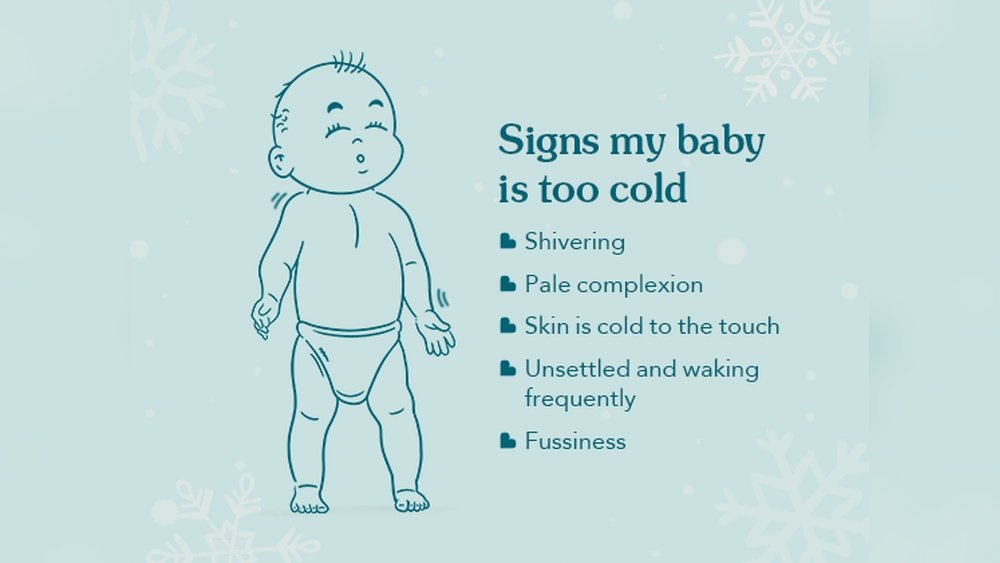
Worrying whether your baby is chilly during nighttime sleep is one of the most common concerns for new parents, especially during cooler months. Newborns and young infants can’t regulate their body temperature as effectively as adults, making them prone to both dangerous chills and overheating — a key risk factor for sudden infant death syndrome (SIDS). Unlike older kids, babies can’t tell you when they’re uncomfortable, so learning to spot subtle (and not-so-subtle) signs of cold stress without waking them is a critical skill for safe, restful sleep for the whole family.
In this guide, we’ll walk through evidence-based signs your baby is cold at night, how to check their temperature accurately, common causes of nighttime chills, and safe, pediatrician-approved strategies to keep them cozy all night long. We’ll also clear up common myths (like the idea that cold hands always mean a chilly baby) to help you avoid over-bundling, which can be just as risky as under-dressing. You can also read our guide on baby sleep training tips.
Why Newborns Are Extra Vulnerable to Nighttime Chills
Infants lose heat up to 4 times faster than adults due to their small body mass, thin skin, and underdeveloped temperature regulation systems. Their hypothalamus, the part of the brain that controls body temperature, is not fully mature until around 2 years of age, so they rely entirely on their environment to stay warm. Premature babies and those with low birth weight have even less ability to retain heat, requiring extra attention to nighttime temperature. While mild chills are uncomfortable, overheating poses a far greater SIDS risk, so the goal is to maintain a consistent, comfortable core temperature, not bundle your baby until they sweat.
Per CDC safe sleep guidelines, maintaining a safe sleep temperature is one of the most impactful steps parents can take to reduce SIDS risk. You can also read our guide on what are common stroller problems.
7 Clear Signs Your Baby Is Cold During Sleep
Babies can’t verbalize discomfort, so you’ll need to rely on physical and behavioral cues to spot cold stress. Many parents make the mistake of checking only their baby’s hands and feet, but these extremities are often cool to the touch even in healthy, warm babies due to immature circulation. Instead, focus on these key signs, listed from most to least reliable:
- Cool or cold neck, torso, or back: This is the most reliable indicator of your baby’s core temperature. Place the back of your hand on their neck or upper back (avoid checking their forehead, which can be warm from sleep) — if the skin feels cool to the touch, they are likely chilly. Cold hands and feet alone are not a reliable sign of overall cold stress.
- Pale, blotchy, or bluish skin on lips, fingertips, or ears: Reduced blood flow to extremities from cold causes skin to lose its normal rosy tone. Bluish lips or nail beds are a more urgent sign of significant cold stress and require immediate warming.
- Mild trembling or shivering: While shivering is less common in very young infants than in older children or adults, you may notice small, rapid tremors in their arms, legs, or chin if they are cold. This is the body’s automatic response to generate heat.
- Restless, fragmented sleep: A cold baby will often toss, turn, or wake frequently during the night, as they can’t settle into deep sleep when their body is working to stay warm. If your baby usually sleeps for 3–4 hour stretches but is suddenly waking every hour, temperature could be the culprit.
- Unexplained fussiness or sudden crying: Cold discomfort can cause babies to cry without the typical signs of hunger (rooting, sucking on hands) or tiredness (rubbing eyes, yawning). The cry may sound sharp or urgent, rather than the low, whimpering cry of a tired baby.
- Slow, shallow breathing: When a baby is cold, their body conserves energy by slowing their breathing rate. If you notice your baby’s breaths are shallower or less frequent than usual during sleep, check their core temperature immediately.
- Cool, clammy skin from sweat: This is a less common sign, but if your baby is overdressed, they may sweat, and the evaporating sweat will make their skin feel cool to the touch. This is a sign of overheating, not under-warming, so remove a layer immediately.
How to Accurately Check Your Baby’s Temperature
While touch cues are useful for quick checks, a thermometer gives you an objective reading of your baby’s core temperature, especially if you suspect they are unwell. Here’s how to check safely and effectively:
Touch Checks for Quick Assessments
To avoid waking your baby, place the back of your hand on their neck, upper back, or chest. Avoid checking their hands, feet, and forehead, as these areas are not reliable indicators of core temperature. If the skin feels warm and dry, they are likely comfortable. If it feels cool or damp, adjust their clothing or room temperature.
Using a Digital Thermometer
A digital axillary (underarm) thermometer is the safest, most accurate option for routine home temperature checks. To use it:
- Place the tip of the thermometer in your baby’s dry armpit, with their arm held snugly against their body to hold it in place.
- Wait for the thermometer to beep (usually 10–30 seconds for digital models) to get a reading.
- Clean the thermometer with rubbing alcohol before and after each use to avoid germ spread.
Avoid mercury thermometers, which can break and expose your baby to toxic chemicals. Rectal thermometers are more accurate for detecting fever, but are not necessary for routine temperature checks unless your baby is showing signs of illness. You can also read our guide on how to keep baby cool in stroller.
Normal and Concerning Temperature Ranges
A normal axillary temperature for a baby ranges from 97.9°F to 99°F (36.6°C to 37.2°C). A reading below 97.9°F indicates mild cold stress, while a temperature below 97°F (36.1°C) is considered hypothermia and requires immediate warming and a call to your pediatrician. A temperature above 99°F may indicate fever or overheating, so adjust layers or room temperature accordingly.
Common Causes of Nighttime Chills in Babies
Even with the right sleep setup, babies can get cold at night for a few predictable reasons. Identifying the root cause will help you fix the issue long-term:
- Room temperature is too low: The ideal nursery temperature for infants is 68°F to 72°F (20°C to 22°C), per pediatric guidelines. Rooms below this range, or cribs placed near drafty windows, external walls, air conditioning vents, or doors, can create cold spots around your baby’s sleep space. Use a reliable room thermometer to monitor temperature consistently, as household thermostats are often inaccurate.
- Inappropriate sleepwear: Thin, damp, or poorly fitting sleepwear won’t retain enough warmth. Cotton sleepwear, while breathable, can stay damp from spit-up or sweat, making your baby feel colder. Bulky, thick sleepwear can cause overheating, which leads to sweating and subsequent chills when the sweat evaporates.
- Wet bedding or clothing: Spit-up, drool, or diaper leaks can soak through sleepwear or sheets, leaving your baby cold. Change wet clothing and bedding immediately if you notice dampness during nighttime checks.
- Underlying health conditions: Premature babies, those with low birth weight, or babies with conditions like hypothyroidism or chronic infections may have impaired temperature regulation. If your baby feels consistently cold despite appropriate clothing and room temperature, consult your pediatrician to rule out underlying issues.
A common error parents make is bundling their baby in multiple heavy layers to prevent chills, which can lead to overheating and increased SIDS risk. Instead, opt for thin, breathable layers that can be easily added or removed as needed. You can also read our guide on best winter strollers for babies.
Safe, Effective Ways to Keep Your Baby Warm All Night
The goal of warming your baby is to maintain a consistent, comfortable core temperature without risking overheating. Follow these pediatrician-approved strategies to keep them cozy and safe:
Master Infant Sleep Layering
Babies should wear one more layer than an adult would wear to sleep in the same room. For most nurseries set to 68–72°F (20–22°C), a fitted cotton onesie base layer plus a wearable sleep sack is sufficient. For colder rooms (below 68°F/20°C), add a thin fleece sleeper under the sleep sack. Avoid heavy coats, blankets, or snowsuits in the crib, as these increase overheating and suffocation risk. For age-appropriate layer counts that adapt to seasonal temperature shifts, follow these seasonal layering rules to avoid both chills and overheating.
Choose Safe, Warm Sleepwear and Socks
Opt for sleepwear made from temperature-regulating fabrics like merino wool, which stays warm even if it gets slightly damp, or soft, breathable cotton. Avoid synthetic fabrics like polyester that trap sweat against the skin. For cooler rooms, choose footed sleepers to keep extremities warm without the need for loose socks that can slip off and pose a suffocation risk. If you do use socks, choose a pair with a soft, non-restrictive cuff to avoid cutting off circulation; our guide to proper infant sock fit breaks down sizing and material picks for year-round wear. You can also read our guide on safety first thermometer fast read.
Optimize Your Nursery’s Temperature and Layout
Keep your baby’s crib away from windows, external walls, air conditioning vents, and heaters to avoid cold spots and drafts. Use blackout curtains to insulate windows and reduce cold air seepage. Never use space heaters, electric blankets, or heating pads in the crib, as these pose severe burn and fire hazards. A safe, uncluttered crib setup eliminates suffocation hazards and improves air circulation around your baby, reducing cold spots and overheating risk equally.
Use Wearable Blankets Safely
For babies under 12 months, wearable sleep sacks are the safest alternative to loose blankets, which pose a suffocation and SIDS risk. Choose a sleep sack with a tog rating appropriate for your room temperature: a 0.5 tog sack for rooms 72°F (22°C) and above, a 1.0 tog sack for 68–72°F (20–22°C), and a 2.5 tog sack for rooms below 68°F (20°C). Ensure the sleep sack fits snugly around the neck and armholes to prevent it from riding up over your baby’s face. You can also read our guide on best stroller fan.
When to Call Your Pediatrician
Most cases of mild cold stress can be resolved by adding a layer or adjusting the room temperature, but certain signs require immediate medical attention. Contact your pediatrician right away if:
- Your baby’s axillary temperature remains below 97°F (36.1°C) even after 15 minutes of warming
- Their lips, fingertips, or nail beds remain bluish or pale after warming
- They are lethargic, difficult to wake, or uninterested in feeding
- They have difficulty breathing, a persistent cough, or a fever over 100.4°F (38°C) combined with chills
- They have a rash, vomiting, or diarrhea alongside cold symptoms
Premature babies and those with low birth weight may have a slightly lower normal temperature range, so consult your pediatrician for personalized guidance on what temperature is safe for your little one. Per AAP infant winter safety guidelines, persistent cold stress can be a sign of underlying infection or circulation issues, so don’t hesitate to reach out to your care team if you’re concerned.
Frequently Asked Questions
How can I tell if my baby is cold at night without waking them?
Place the back of your hand on your baby’s neck, upper back, or chest to check their core temperature. If the skin feels cool to the touch, they are likely chilly. Cold hands and feet are not a reliable indicator of overall cold stress, as infants often have cool extremities even when their core is warm. You can also look for restless sleep, fussiness, or trembling as secondary cues.
What is the ideal room temperature for a baby’s nursery at night?
The recommended nursery temperature for infants is 68°F to 72°F (20°C to 22°C), per pediatric safe sleep guidelines. Use a room thermometer to monitor temperature consistently, as household thermostats are often inaccurate. Avoid placing the crib near windows, vents, or external walls, which can create cold spots even if the room’s overall temperature is in the safe range.
Can I use loose blankets if my baby feels cold?
No. Loose blankets, quilts, and weighted blankets pose a severe suffocation and SIDS risk for babies under 12 months, per AAP guidelines. Instead, use a wearable sleep sack or a thin, tucked-in blanket (tucked securely under the mattress, no higher than your baby’s chest) for babies over 12 months who can roll over and remove the blanket on their own.
Can cold skin be a sign of illness in babies?
Mild coolness to the touch is normal, especially for extremities, but persistent cold core temperature, bluish lips or nail beds, or coldness combined with lethargy, poor feeding, or fever can be a sign of infection, poor circulation, or other underlying health issues. If these symptoms last more than 30 minutes even after warming your baby, contact your pediatrician immediately.
Is it safe to use a space heater to warm my baby’s room?
No. Space heaters, electric blankets, and heating pads pose severe burn and fire hazards in a baby’s nursery, and can cause rapid, dangerous overheating. If your nursery is consistently too cold even with proper insulation, talk to your pediatrician about safe ways to adjust the temperature, such as improving window insulation or adjusting your home’s central heating.
Conclusion
Knowing how to spot signs that your baby is cold at night is a simple but impactful skill that helps you keep them safe, comfortable, and sleeping soundly. Remember that core temperature (checked via the neck, back, or chest) is a far more reliable indicator than cool hands or feet, and that balancing warmth with overheating prevention is critical for reducing SIDS risk.
Stick to the 68–72°F (20–22°C) nursery temperature range, use age-appropriate layering, and opt for safe sleepwear like wearable sleep sacks instead of loose blankets. Trust your instincts: if you’re ever unsure about your baby’s comfort or health, reach out to your pediatrician for personalized guidance.
For more practical, pediatrician-approved guidance on keeping your baby safe and comfortable through every stage of infancy, explore our full collection of newborn care resources.
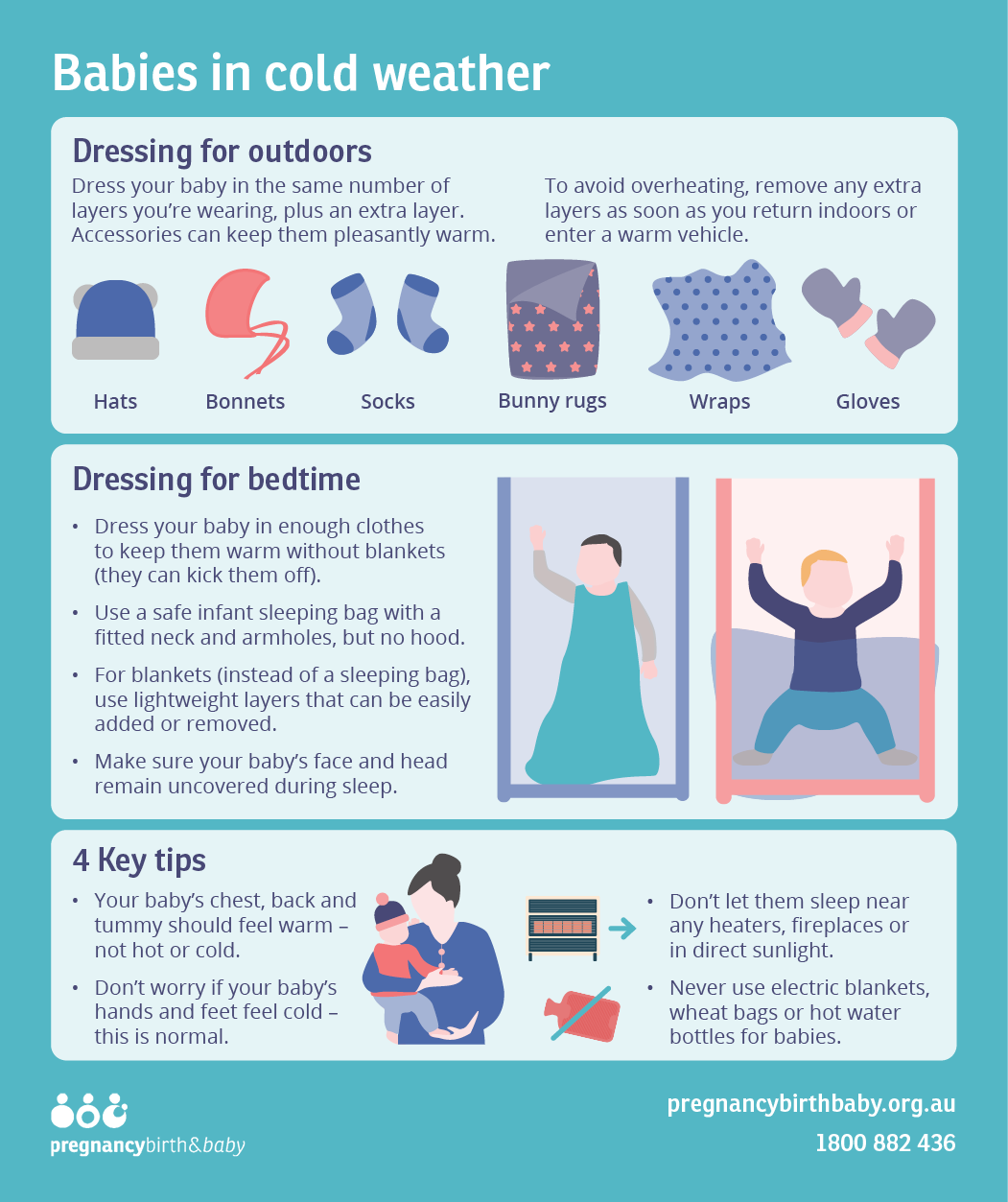 This infographic breaks down appropriate layer counts for different room temperatures to keep infants comfortable without overheating.
Credit: www.pregnancybirthbaby.org.au
This infographic breaks down appropriate layer counts for different room temperatures to keep infants comfortable without overheating.
Credit: www.pregnancybirthbaby.org.au

 Distinguishing between cold and overheating symptoms helps you adjust your baby’s clothing or room temperature appropriately.
Credit: lovetodream.co.uk
Distinguishing between cold and overheating symptoms helps you adjust your baby’s clothing or room temperature appropriately.
Credit: lovetodream.co.uk
Frequently Asked Questions
How can I tell if my baby is cold at night without waking them?
Place the back of your hand on your baby’s neck, upper back, or chest to check their core temperature. If the skin feels cool to the touch, they are likely chilly. Cold hands and feet are not a reliable indicator of overall cold stress, as infants often have cool extremities even when their core is warm. You can also look for restless sleep, fussiness, or mild trembling as secondary cues that don’t require fully waking your baby.
What is the ideal room temperature for a baby’s nursery at night?
The recommended nursery temperature for infants is 68°F to 72°F (20°C to 22°C), per pediatric safe sleep guidelines from the American Academy of Pediatrics. Use a separate room thermometer to monitor temperature consistently, as household thermostats are often inaccurate and may not reflect the temperature near your baby’s crib. Avoid placing the crib near windows, vents, or external walls, which can create cold spots even if the room’s overall temperature is in the safe range.
Can I use loose blankets if my baby feels cold?
No. Loose blankets, quilts, and weighted blankets pose a severe suffocation and sudden infant death syndrome (SIDS) risk for babies under 12 months, per AAP safe sleep guidelines. Instead, use a wearable sleep sack or a thin, tucked-in blanket (tucked securely under the mattress, no higher than your baby’s chest) for babies over 12 months who can roll over and remove the blanket on their own.
Can cold skin be a sign of illness in babies?
Mild coolness to the touch in the extremities is normal for many infants, but persistent cold core temperature, bluish lips or nail beds, or coldness combined with lethargy, poor feeding, or fever can be a sign of infection, poor circulation, or other underlying health issues. If these symptoms last more than 30 minutes even after warming your baby, contact your pediatrician immediately.
Is it safe to use a space heater to warm my baby’s room?
No. Space heaters, electric blankets, and heating pads pose severe burn and fire hazards in a baby’s nursery, and can cause rapid, dangerous overheating if left unattended. If your nursery is consistently too cold even with proper window insulation and layering, talk to your pediatrician about safe ways to adjust your home’s central heating to maintain a consistent, safe temperature.
Conclusion
Knowing how to spot subtle and obvious signs that your baby is cold at night is a simple but high-impact skill that helps you keep them safe, comfortable, and sleeping soundly. Remember that core temperature (checked via the neck, back, or chest) is a far more reliable indicator than cool hands or feet, and that balancing warmth with overheating prevention is critical for reducing SIDS risk.
Stick to the 68–72°F (20–22°C) nursery temperature range, use age-appropriate, breathable layering, and opt for safe sleepwear like wearable sleep sacks instead of loose blankets. Trust your instincts: if you’re ever unsure about your baby’s comfort or health, reach out to your pediatrician for personalized guidance.
For more practical, pediatrician-approved guidance on keeping your baby safe and comfortable through every stage of infancy, explore our full collection of newborn care resources. If you’re planning cold-weather outings with your little one, our guide to keeping baby warm in the stroller shares safe, practical tips for errands and walks without risking overheating.
Sophia Linda is a freelance writer and Certified Health Coach based in the Newbury Park, CA. Passionate about healthy living, she focuses on helping families stay active and connected to the outdoors. Together with her husband and their three young children, Sophia spends much of her time traveling, hiking, and camping. Her work has been featured on the bestbabycart blog, and she brings a practical, real-world perspective to reviewing baby products for parents.