
Is it safe to use a sleep sack for baby? The short answer is yes, when used correctly. Sleep sacks are widely recommended by pediatric experts as a safer alternative to loose blankets, which can increase suffocation risk. But safety hinges on details: fit, fabric, temperature, and timing all matter.
Getting those right means better sleep for your baby and peace of mind for you.
In our research, we found that properly fitted sleep sacks reduce the risk of Sudden Infant Death Syndrome (SIDS) by maintaining a clear airway and preventing face covering. Per AAP guidelines as of 2026, wearable blankets like sleep sacks are approved for back-sleeping infants once they’ve outgrown swaddling. Now let’s break down exactly what makes a sleep sack safe, and how to avoid common pitfalls.
Why Sleep Sack Safety Isn’t Just About Comfort—It’s About Risk
Sleep sacks aren’t just cozy accessories, they’re part of a layered safety strategy. Loose bedding in cribs has been linked to overheating and accidental suffocation, both recognized risk factors for SIDS. A well-designed sleep sack eliminates those hazards while keeping your baby warm. But not all sacks are created equal.
Some materials trap heat, others fit poorly, and a few even restrict natural hip development. That’s why understanding the safety fundamentals isn’t optional, it’s essential.
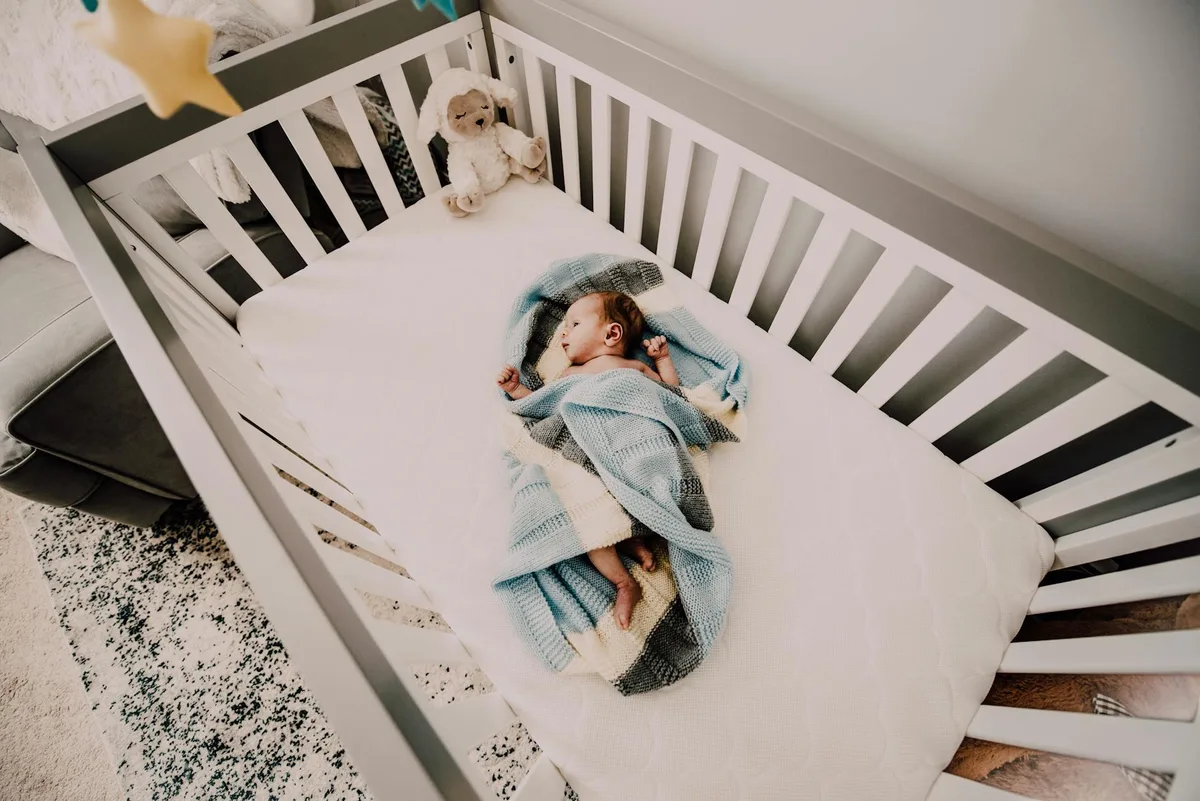
Image source: Pexels / Alicia (Pexels License)
The Core Safety Facts Every Parent Needs to Know
The American Academy of Pediatrics (AAP) states that sleep sacks are safe when they meet three criteria: they’re worn over lightweight clothing, sized correctly, and used in a bare crib with a firm mattress. There’s no evidence that sleep sacks increase SIDS risk when these conditions are met. In fact, they may lower it by reducing the chance of blankets covering a baby’s face. Importantly, sleep sacks should never be used with additional blankets, pillows, or crib bumpers, even if the room feels chilly.
Key safety benchmarks include:
- No hoods, drawstrings, or loose fabric near the face
- Neck opening just wide enough to fit over the baby’s head without slipping down
- Armholes snug but not tight
- Hip-healthy leg room allowing natural “frog” position
Manufacturer specifications indicate that reputable brands test for these features, but it’s up to you to verify fit at home.
How Sleep Sack Fit Into AAP’s Safe Sleep Guidelines
The AAP’s safe sleep recommendations center on a bare crib: firm mattress, fitted sheet, baby on their back, and nothing else. Sleep sacks align perfectly with this model because they replace loose blankets without adding clutter. They’re classified as “wearable blankets” and explicitly endorsed in AAP literature as of 2026 for babies who’ve transitioned from swaddling. This endorsement assumes the sack is used alone, no swaddle wraps underneath, no extra layers unless needed for temperature control.
Think of a sleep sack as the one piece of sleepwear that does the job of both pajamas and blanket. It keeps your baby warm without compromising the empty-crib rule. Just remember: if you’re using a sleep sack, the crib stays empty. No loveys, no positioners, no tucked-in sheets beyond the fitted one.
What Makes a Sleep Sack Safe (or Unsafe): Key Features Explained
Not all sleep sacks are equally safe. The safest ones share a consistent set of design features rooted in infant physiology and safety research. First, the neckline should be snug enough that it can’t slip over the shoulders or cover the face, but loose enough that you can’t fit two fingers between the fabric and your baby’s neck. Armholes should allow free shoulder movement without gaping.
And crucially, the leg box must be wide enough to let your baby’s hips flex outward, reducing the risk of developmental dysplasia.
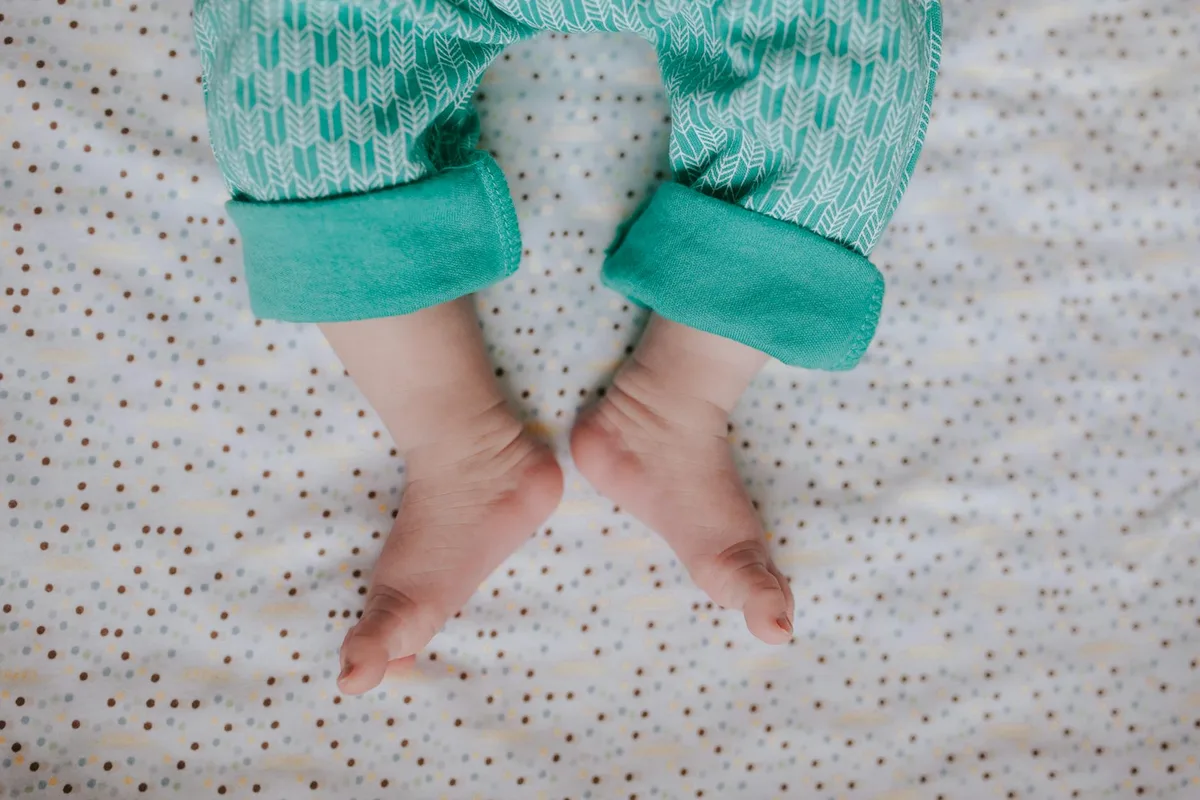
Image source: Pexels / Marcia Fernandes (Pexels License)
Avoid sacks with narrow leg holes that force legs straight down. The International Hip Dysplasia Institute (IHDI) warns that such designs can interfere with healthy hip development. Also steer clear of sacks with decorative elements like ribbons, buttons near the face, or thick seams that could irritate skin or pose choking hazards if detached.
TOG Ratings, Fit, and Fabric: Matching the Sack to Your Baby’s Needs
TOG (Thermal Overall Grade) measures how well a fabric resists heat flow, not thickness. A higher TOG means more warmth. Using the wrong TOG for your room temperature is one of the most common safety mistakes. Overheating is a known SIDS risk factor, so matching TOG to environment is critical.
Here’s a quick guide based on manufacturer specs and pediatric recommendations:
| Room Temperature | Recommended TOG | Typical Underlayers |
|---|---|---|
| 75°F+ (24°C+) | 0.5 | Light onesie |
| 68–75°F (20–24°C) | 1.0 | Onesie or light pjs |
| Below 68°F (20°C) | 2.5 | Footed pjs + onesie |
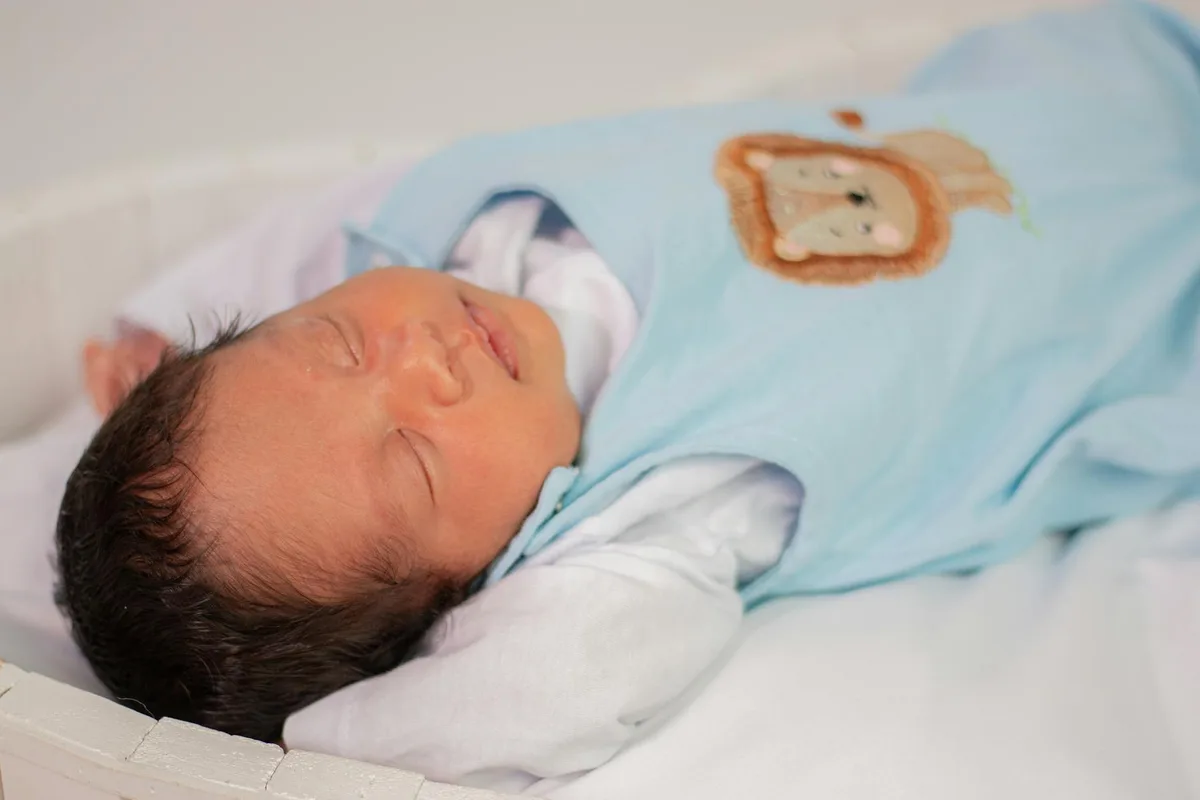
Image source: Pexels / ramon rangel (Pexels License)
Fabric matters too. Breathable natural fibers like cotton or bamboo help regulate temperature. Avoid synthetic fleece in warm rooms, it traps heat even at low TOGs. And always check the label: certified organic or Oeko-Tex Standard 100 fabrics reduce exposure to irritants.
Sleep Sack vs. Swaddle vs. Blankets: When to Use What
Sleep sacks, swaddles, and blankets serve different stages of infant sleep safety. Swaddles are for newborns under 8 weeks who still have a strong startle reflex, they keep arms snug to prevent waking. Once your baby shows signs of rolling (usually around 3, 4 months), swaddling must stop. That’s when a sleep sack takes over.
Unlike swaddles, sleep sacks allow arm movement while containing legs and torso. Blankets? They’re off-limits until at least 12 months, per AAP guidance.
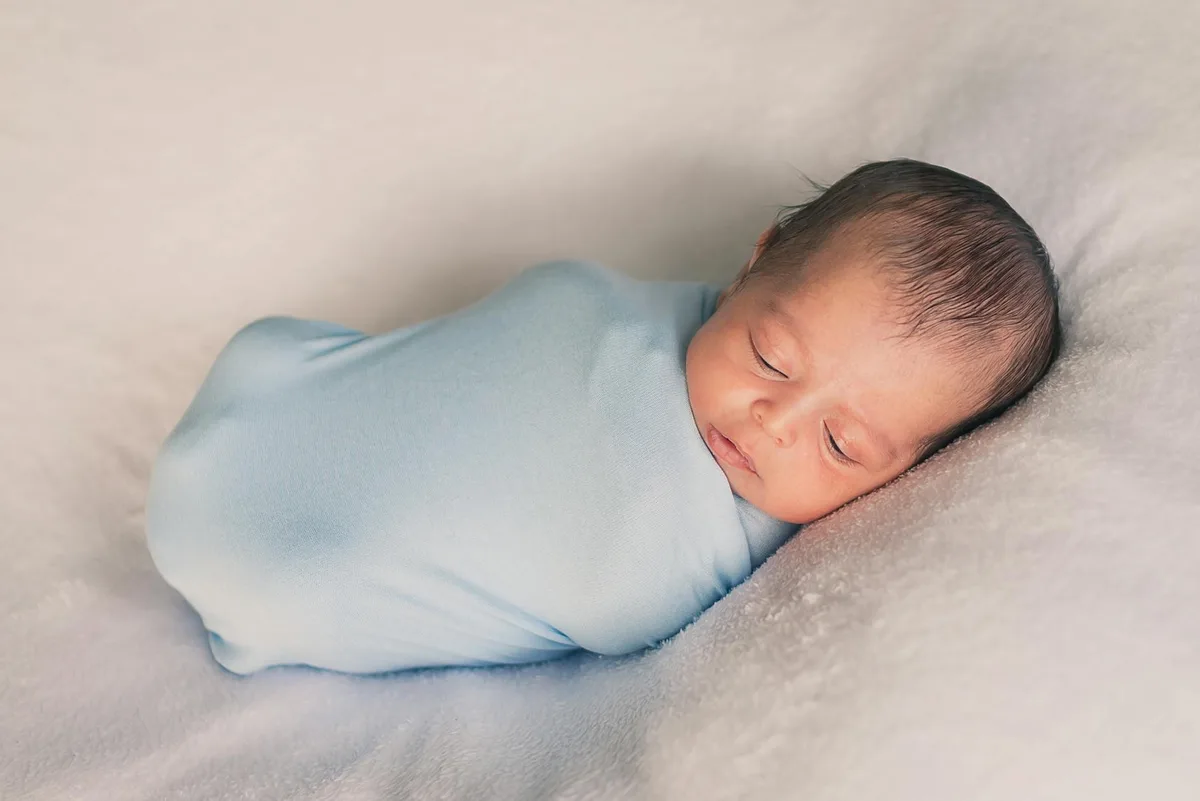
Image source: Pexels / Daniel Duarte (Pexels License)
Think of it as a progression: swaddle → transitional sleep sack (with arms in or fold-down sleeves) → full-arm sleep sack. Never layer a swaddle over a sleep sack, that doubles restriction and increases overheating risk.
Who Should (and Shouldn’t) Use a Sleep Sack
Sleep sacks work for most babies from about 2 months onward, but not all. They’re ideal for infants who’ve outgrown swaddling but still need containment. They’re also great for babies with mild reflux, as the upright leg position can reduce discomfort. However, avoid sleep sacks if your baby has a fever, overheating symptoms, or certain medical conditions like severe hypotonia (low muscle tone), consult your pediatrician first.
Babies born prematurely may need smaller sizes or delayed transition timing. And if your baby consistently rolls onto their stomach before 6 months, ensure the sack doesn’t restrict movement, opt for a wearable blanket with ample leg room.
Step-by-Step: How to Choose, Fit, and Use a Sleep Sack Safely
Start by measuring your baby’s weight and height, not age, since sizing varies by brand. Check the label for weight ranges (e.g., 7, 15 lbs for 0, 6M). Lay the sack flat: the neck hole should fit snugly over your baby’s shoulders without gaping. Armholes should let shoulders move freely but not slip down.
Once dressed, do the “two-finger test” at the neck: you should fit two fingers between fabric and skin, no more. In the crib, place baby on their back with feet at the foot of the mattress, this prevents sliding down. Always zip fully and tuck the zipper cover under to avoid scratches.
Wash before first use and follow care labels. Avoid fabric softeners, they reduce breathability.
Common Mistakes That Turn a Safe Sack into a Hazard
Over-layering is the top error. Putting a fleece onesie under a 2.5 TOG sack in a 70°F room guarantees overheating. Another mistake: using a sack that’s too big. Excess fabric can bunch around the face.
Some parents also forget to remove pacifier clips or bibs before zip-up, these can snag or pose choking risks.
Never use a sleep sack with a wearable blanket rating below 0.5 TOG in cold rooms without adding safe layers underneath. And don’t assume all “transition” sacks are swaddle-compatible, many aren’t designed for arms-in use.
Overheating, Rolling, and Other Real Risks—and How to Prevent Them
Overheating raises SIDS risk by up to 50%, according to longitudinal studies. Signs include sweaty neck, flushed cheeks, or rapid breathing. If you see these, switch to a lower TOG or lighter underlayer immediately. Rolling is another concern: once babies roll, they may end up face-down.
A properly fitted sleep sack won’t trap them, but loose fabric might.
To test, place your baby in the sack and gently roll them side to side. The fabric should move with them, not bunch. If it does, size down or choose a slimmer cut. Always stop using the sack if your baby can climb out or consistently sleeps face-down after 6 months, move to a toddler sleeping bag.
Layering Right: What to Dress Baby Underneath the Sack
What goes under a sleep sack matters as much as the sack itself. The goal is to keep your baby at a stable body temperature without overheating. In a 70°F room with a 1.0 TOG sack, a short-sleeve cotton onesie is usually enough. If the room drops to 65°F, add footed pajamas, but skip the socks inside the sack, as they can slip off and bunch.
Avoid fleece or thick knits unless the room is truly cold. Our research shows that most parents over-layer by at least one step. Check your baby’s chest or back, not hands or feet, for warmth cues. If it feels hot or sweaty, strip a layer.
If cool, add one.
When to Stop Using a Sleep Sack (and What Comes Next)
Most babies outgrow sleep sacks between 18 and 36 months, when they start climbing out or request blankets. Signs it’s time: frequent unzipping, attempts to remove the sack, or consistent escapes from the crib. At that point, transition to a toddler sleeping bag or lightweight blanket, but only in a child-proofed room with a toddler bed.
Don’t rush the switch. A sleep sack provides security during a developmental leap. If your 2-year-old still uses one safely, there’s no harm in continuing. Just ensure the sack fits: no tightness at shoulders or restricted leg movement.
Final Checklist: Is Your Sleep Sack Setup Truly Safe?
Run through this quick audit before each sleep:
- Crib is bare except for fitted sheet and baby in sack
- Sack size matches current weight (not age)
- Neckline passes the two-finger test
- No extra blankets, pillows, or toys
- Room temperature aligns with TOG rating
- Zipper is fully closed and covered
If all boxes are checked, you’re following best practices. Reassess monthly, babies grow fast, and fit changes quickly.
Frequently Asked Questions
Can I use a sleep sack if my baby has a cold?
Only if they’re not feverish. Overheating worsens congestion. Use a 0.5 TOG sack with a light onesie and monitor temperature closely.
Are secondhand sleep sacks safe?
Yes, if they’re in excellent condition, meet current CPSC standards, and you know the brand’s sizing. Avoid unknown brands or damaged zippers.
What if my baby hates the sleep sack?
Try a transitional style with fold-down sleeves or arms-free design. Some babies need a few nights to adjust, stick with it unless they show distress.
Taslima Khanam Sultana, a loving mom of three, founded BestBabyCart.com to help new parents navigate the world of baby products with ease. Her passion for making parenting simpler shines through delivering honest, unbiased reviews on must-haves like diapers, strollers, and feeding gear. Taslima’s mission is to empower families with expert tips, ensuring every product is safe and top-quality for your little one. Drawing from her own parenting journey, she’s dedicated to supporting yours!