
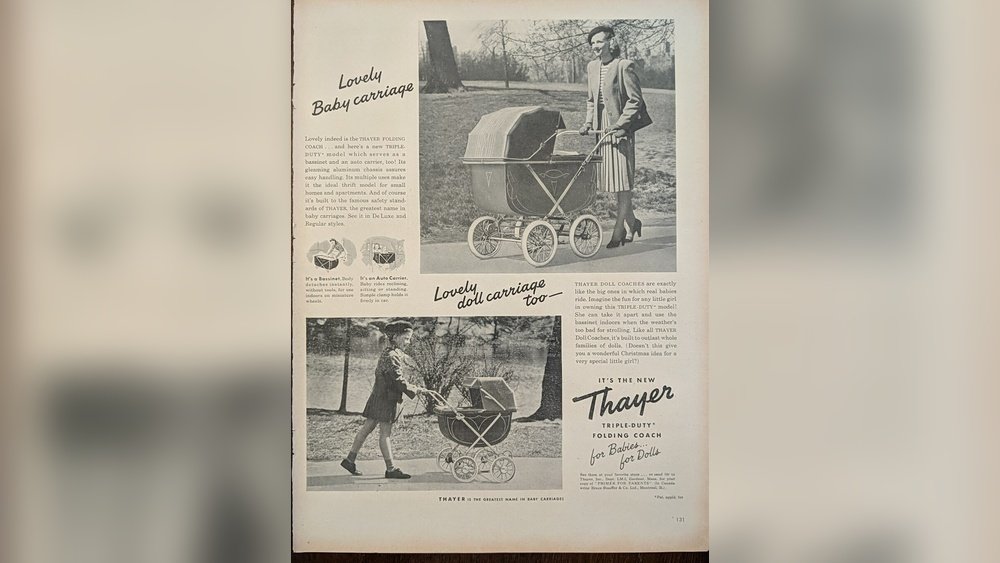
Are you thinking about using a vintage stroller for your little one? It’s easy to get drawn to the charm and style of these classic pieces.
But before you take that step, you might be wondering: is it truly safe? Your child’s safety is your top priority, and you deserve clear answers. Keep reading to discover what you need to know to make the best choice for your family’s peace of mind.
Risks Of Vintage Strollers
Using a vintage stroller can feel special and nostalgic. Still, these old strollers carry certain risks. Safety is the top concern for parents and caregivers.
Common Safety Hazards
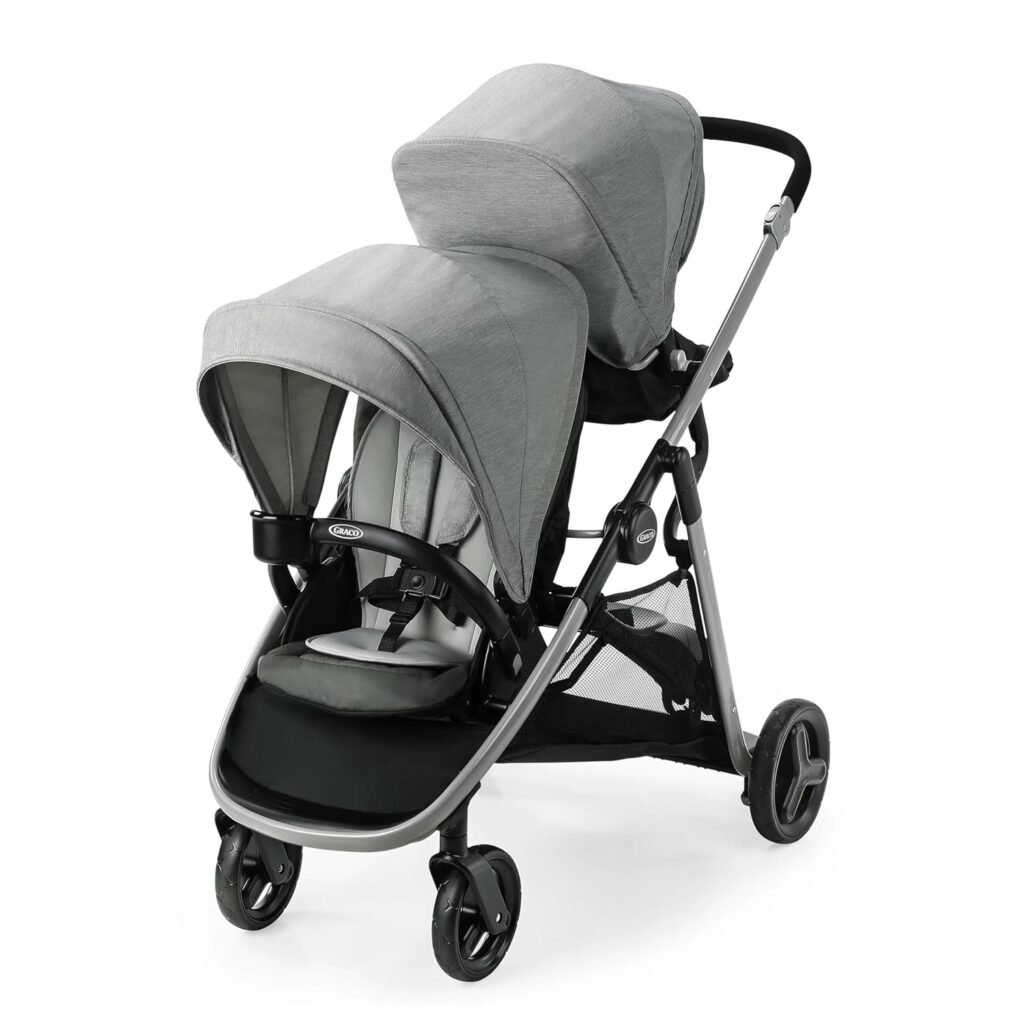
Old strollers often lack modern safety features. Harnesses may be missing or weak. This can cause falls or injuries.
Sharp edges and broken parts may also be present. These hazards can hurt a child during use.
Wear And Tear Concerns
Vintage strollers show signs of wear. Rust, loose screws, and cracked plastic parts are common.
Worn wheels can make the stroller unstable or hard to control. These issues raise the risk of accidents.
Outdated Safety Standards
Safety rules have changed over the years. Vintage strollers often do not meet current safety laws.
Older models might lack brakes that lock securely or proper restraint systems. These missing features increase danger.
Credit: www.chiccousa.com
Checking Structural Integrity
Checking the structural integrity of a vintage stroller is crucial for safety. Old strollers may have hidden damage that affects how well they work. A careful inspection helps spot issues that could cause accidents. Focus on key parts like the frame, wheels, and harness. Each part must be strong and reliable to protect your child.
Frame And Joints Inspection
Start by examining the stroller’s frame for cracks or bends. Check all joints to see if they move smoothly or feel loose. Rust or corrosion weakens metal parts and can cause breaks. Tighten any loose screws or bolts. A solid frame means the stroller can hold weight without collapsing.
Wheel And Brake Functionality
Test the wheels to ensure they roll straight and smoothly. Look for cracks or flat spots on the tires. Check if the brakes engage firmly and stop the stroller from moving. Worn brakes or stuck wheels can lead to dangerous falls. Reliable wheels and brakes keep the stroller stable and safe.
Harness And Restraint Condition
Inspect the harness straps for frays, tears, or stiffness. Make sure buckles click securely and release easily. Weak straps or broken buckles cannot hold a child safely. The harness must fit snugly to prevent slipping or falling out. Secure restraints are key to keeping your child safe in the stroller.
Modern Safety Features To Look For
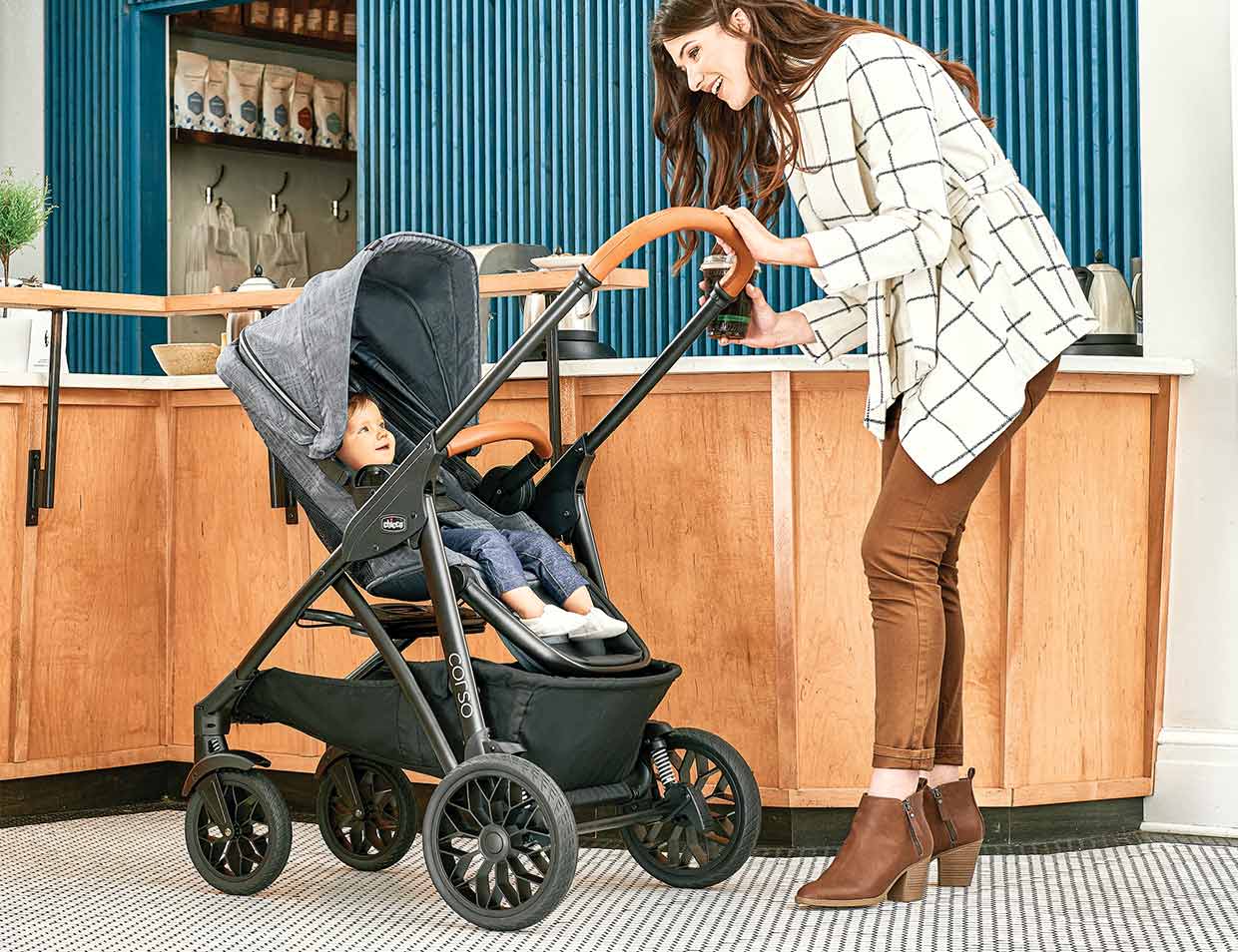
Choosing a stroller means choosing safety first. Modern strollers include features designed to protect your child. These features help keep your baby secure during every trip. Understanding these safety elements is key before using a vintage stroller.
Five-point Harness Benefits
A five-point harness holds your child at five points on the body. It secures the shoulders, waist, and between the legs. This prevents the child from slipping or climbing out. The harness distributes pressure evenly in case of sudden stops. It is safer than simple straps or belts.
Effective Brakes And Locks
Brakes stop the stroller from rolling away on slopes or uneven ground. Locks keep the stroller in place when parked. Look for strollers with easy-to-use brakes that engage firmly. Reliable locking mechanisms prevent accidental folding or movement. These features protect your child from falls and accidents.
Stability And Balance
Stability means the stroller will not tip over easily. A wide base and low center of gravity improve balance. Check that the stroller stands steady even on rough surfaces. Good stability helps avoid dangerous falls or sudden shifts. It ensures a smooth and safe ride for your child.
Cleaning And Maintenance Tips
Keeping a vintage stroller clean and well-maintained helps ensure safety for your child. Old strollers may have delicate parts that need gentle care. Proper cleaning and regular checks keep the stroller in good shape and extend its life.
Safe Cleaning Methods
Use mild soap and warm water to clean the stroller’s fabric. Avoid harsh chemicals that can damage the material or irritate the baby’s skin. A soft cloth or sponge works best for wiping down surfaces. Let the stroller air dry completely before using it again. Clean wheels and metal parts gently to prevent rust.
Replacing Worn Parts
Check for worn or broken parts often. Look at wheels, brakes, straps, and locking mechanisms closely. Replace any part that shows cracks or does not work well. Use parts made for your stroller model to keep it safe. Keep a small toolkit handy for quick fixes.
Regular Maintenance Schedule
Set a schedule to inspect the stroller every month. Tighten screws and bolts to prevent accidents. Lubricate moving parts with a light oil to keep them smooth. Store the stroller in a dry place to avoid rust and mold. Regular care helps avoid big problems later.
When To Avoid Using A Vintage Stroller
Using a vintage stroller can be charming and nostalgic. But safety is the top priority for your child. Knowing when to avoid a vintage stroller helps protect your little one. Some old strollers may not be safe to use anymore. Here are key reasons to skip using a vintage stroller.
Irreparable Damage
Check the stroller carefully for damage. Rusty frames and broken parts can cause accidents. Cracks or bends in metal weaken the structure. Worn wheels affect smooth movement and control. If damage cannot be fixed, do not use it.
Missing Safety Components
Every stroller needs safety parts. Missing harness straps or locking brakes make strollers unsafe. The seat belt must hold the child securely. Without these parts, the stroller can tip or drop your baby. Avoid strollers lacking essential safety components.
Non-compliance With Current Regulations
Stroller safety rules change over time. Some vintage models do not meet modern standards. Look for labels showing compliance with safety laws. Strollers without current certifications may pose risks. Choose only strollers that follow today’s safety regulations.
Credit: www.etsy.com
Alternatives To Vintage Strollers
Choosing a stroller for your child is important. Safety and comfort should be your top priorities. Vintage strollers may look nice but might lack modern safety features. There are other options that combine style with safety. These alternatives offer peace of mind and good design.
Refurbished Modern Strollers
Refurbished strollers are modern models that experts repair and clean. They work like new and meet current safety rules. Buying refurbished saves money and reduces waste. These strollers give you up-to-date safety with a lower price.
Certified Pre-owned Options
Certified pre-owned strollers are checked by manufacturers or sellers. They meet strict quality and safety tests before selling. This option gives confidence in the stroller’s condition. It is safer than buying used strollers without checks.
Choosing New Safety-certified Models
New strollers come with the latest safety features and designs. These models follow strict government and industry standards. They include harnesses, brakes, and sturdy frames. Buying new ensures your child uses the safest stroller available.

Credit: mompush.com
Frequently Asked Questions
Is A Vintage Stroller Safe For Daily Use?
Vintage strollers may lack modern safety features like harnesses and brakes. Always check the stroller’s condition and avoid daily use if safety is compromised.
How To Check A Vintage Stroller’s Safety?
Inspect the frame for rust or damage. Ensure wheels roll smoothly and brakes work. Verify the harness is secure and padding is intact.
Can Vintage Strollers Meet Current Safety Standards?
Most vintage strollers do not meet current safety regulations. Using them requires extra caution and possible modifications to improve safety.
Are Vintage Stroller Materials Harmful For Babies?
Older strollers may have materials with lead paint or allergens. Always verify materials used and avoid strollers with questionable or deteriorated fabrics.
Conclusion
Vintage strollers can look charming and hold special memories. Safety matters most for your child’s comfort and health. Check for broken parts and firm brakes before use. Avoid old strollers that lack modern safety features. Clean and maintain the stroller to keep it safe.
Choose wisely to balance style and safety. A careful choice keeps your baby both happy and secure.

Emma Grace is a devoted mother and passionate content writer at BestBabyCart.com. With firsthand parenting experience and a love for research, she creates helpful guides and honest reviews to support parents in choosing the best for their babies. Her goal is to make parenthood easier, one article at a time.