
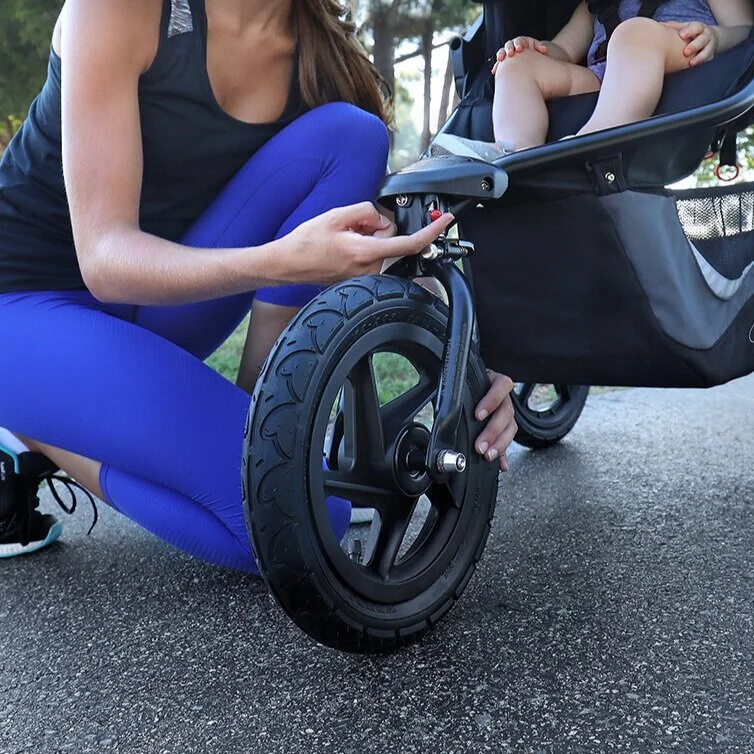
BOB strollers are a top choice for active families, engineered to handle everything from daily neighborhood jogs and rugged hiking trails to crowded city sidewalks and uneven park paths. With proper care, a well-maintained BOB stroller can easily last 5+ years, but even the most durable models will eventually need replacement parts after heavy use: worn tires, frayed harnesses, torn seat covers, and broken handlebar grips are all common issues that pop up after years of regular use. Many parents assume a broken part means they need to splurge on an entirely new stroller, but replacing individual components is almost always 70–90% cheaper than a new model, and it cuts down on unnecessary waste from disposable baby gear. This updated 2026 guide covers everything you need to know to source, install, and maintain BOB replacement parts safely, including how to diagnose worn components early, ensure perfect compatibility, avoid common DIY mistakes, and extend your stroller’s lifespan for years of family adventures. You can also read our guide on how much does a baby hairbrush cost.
How to Diagnose When You Need Replacement Parts
Many parents wait until a part fails completely to replace it, which can lead to safety risks or more expensive repairs down the line. Learning to spot early signs of wear will help you address issues before they ruin a trip to the park or a morning jog. In practice, we’ve seen parents overlook small, early warning signs that lead to costly, avoidable repairs later.
Signs of Worn Wheels or Tires
Check for flat spots on the tire tread, cracks in the rubber, or constant air loss (for air-filled tires) that requires pumping more than once a week. If you notice a wobble when you spin the wheel, or hear a clicking sound when pushing the stroller, the axle nut or quick-release skewer may be loose or worn. For air tires, always check the PSI before long outings; underinflated tires cause extra strain on the wheel bearings and frame, leading to premature wear. A common early sign of worn wheel bearings is a low humming or grinding noise when pushing the stroller on smooth pavement, which many parents mistake for normal terrain noise. If you notice this sound, inspect the wheel hub for play by wiggling the wheel side to side; more than 1/8 inch of movement indicates worn bearings that need replacement. You can also read our guide on comfy stuff in baby crib.
Signs of Damaged Frame or Fasteners
Inspect the frame monthly for cracks, corrosion, or bent tubes, especially if you regularly use the stroller on rough terrain or leave it outside in the rain. Loose hinges or a wobbly folding mechanism often indicate stripped screws or worn locking pins, which are inexpensive to replace before they cause the stroller to collapse during use. A common mistake is ignoring small cracks in plastic connectors, which can spread quickly under the weight of a child. If you notice any frame damage, stop using the stroller immediately and contact BOB support for guidance before attempting repairs.
Signs of Worn Fabric or Harness Components
Look for frayed harness straps, broken buckle clips, or fabric that has torn along the seams. Even small fraying on a harness strap can reduce its ability to hold a child securely in a sudden stop, so never delay replacing damaged harness components. For seat covers, stains that won’t come out after washing, or fabric that has thinned to the point of being see-through, are signs it’s time for a replacement. You can also read our guide on how to fold uppababy vista.
Most Common BOB Stroller Replacement Parts
BOB strollers are built for heavy use across trails, city sidewalks, and everything in between, so it’s no surprise that certain components wear out faster than others, especially if you use your stroller for daily jogs or off-road adventures. Below is a breakdown of the most frequently replaced parts, along with 2026 pricing and compatibility details to help you plan for repairs.
| Part Name | Typical Use | 2026 Average Cost | Compatibility Notes |
|---|---|---|---|
| Front/rear air-filled tire | All-terrain traction, shock absorption for jogging and hiking | $25–$45 per tire | Fits all BOB all-terrain models (Revolution, Rambler, Sport, Alter); 12" for front, 16" for rear on most models |
| Solid foam tire | Flat-free performance for urban and paved use | $30–$55 per tire | Compatible with BOB Revolution, Rambler, and Sport models; no inflation required |
| Handlebar grip | Non-slip parent comfort, reduced hand fatigue during long pushes | $12–$22 per pair | Fits all BOB handlebar diameters (standard 1.125" for 2010 and later models) |
| Seat cover/canopy fabric | Child sun/weather protection, stain-resistant seating | $35–$75 | Model-specific; match your stroller’s exact model number for a seamless fit |
| 5-point harness buckle/straps | Secure child restraint, crash-tested safety | $18–$40 | Universal for BOB models manufactured 2010 and later |
| Rear brake assembly | Reliable stopping power for jogging and steep declines | $40–$70 | Fits all BOB jogging strollers with rear wheel brakes |
| Wheel axle nut/quick-release skewer | Secure wheel attachment, prevents wobble during use | $8–$15 per set | Model-specific; matches the front wheel quick-release mechanism for your model year |
Wheels and Tires
Wheels are the most commonly replaced BOB component, especially for families who use their stroller for daily runs or rough terrain. Air-filled tires provide better shock absorption but are prone to punctures, while solid foam tires are flat-free but less forgiving on bumpy trails. A common mistake is replacing only one tire when the other is equally worn, leading to uneven handling; always replace tires in pairs to maintain stability. When shopping for replacements, confirm whether your model uses air or solid tires by checking the sidewall of your existing tire. You can also read our guide on how many coats does a baby need for a year.
 Genuine BOB air tires are rated for 25–50 PSI depending on wheel position and model
Handlebar Grips
Handlebar grips wear down quickly for frequent users, leading to reduced grip and hand fatigue during long walks or runs. Genuine BOB grips are made of soft, non-slip rubber that holds up to sweat and weather, while generic grips may shift during use or fail to fit the stroller’s handlebar diameter correctly. Replacement is a simple 5-minute DIY job that requires only an Allen wrench to remove the old grips and install the new ones.
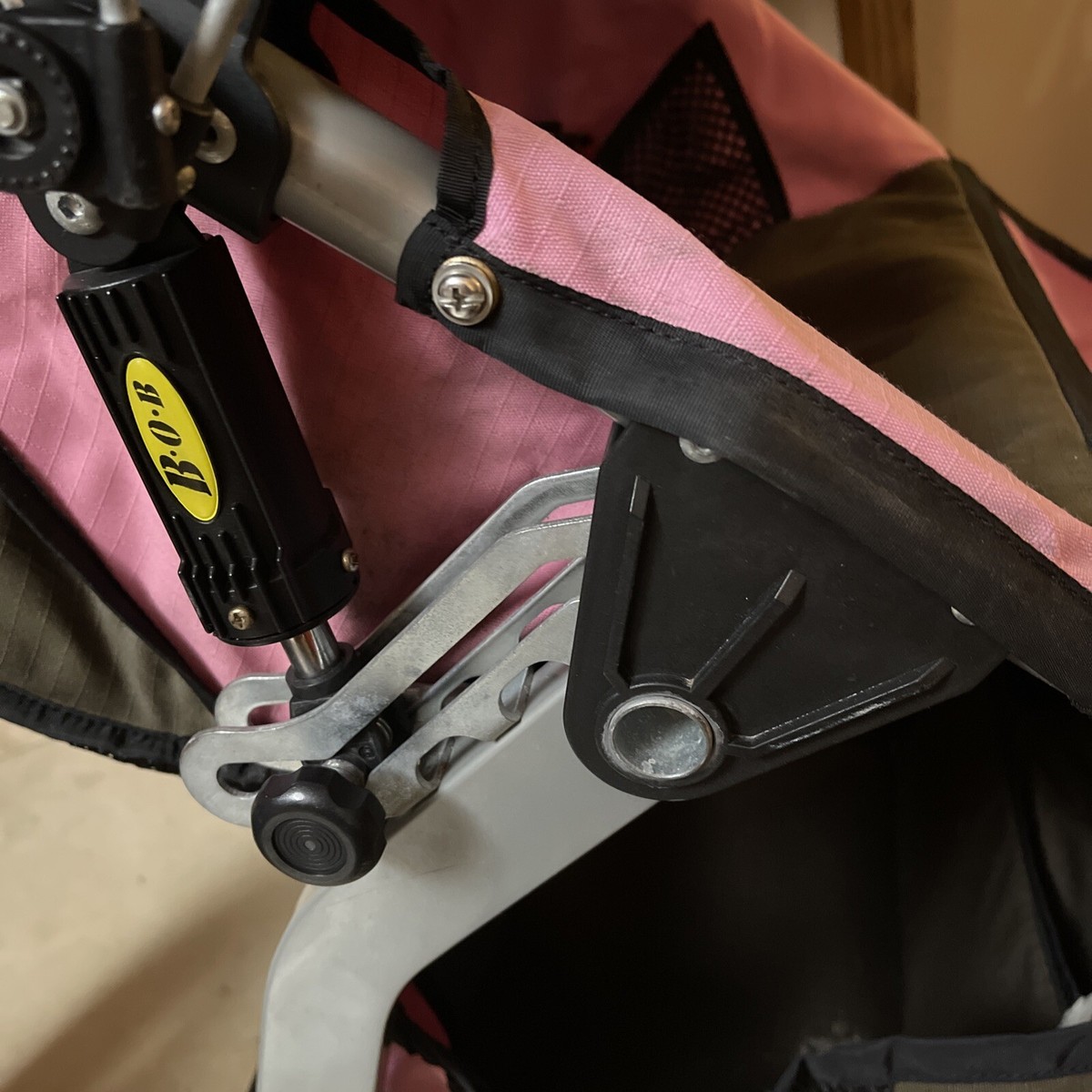 Inspect used grips for cracks, hardening, or wear before purchasing for non-safety use
Seat Covers and Canopies
Seat covers and canopies take on dirt, spills, and sun damage over time, and faded or torn fabric reduces your child’s comfort and UV protection. BOB sells model-specific replacement covers that match the original mounting points and harness cutouts, so you won’t have to struggle with ill-fitting fabric that bunches or blocks the harness. For families with young children, stain-resistant fabric options are available to make cleanup easier after snack spills or muddy adventures. You can also read our guide on how to go out when baby goes down so early.
 Replacement covers match original harness cutouts and mounting points for safe, secure installation
Ensuring Perfect Part Compatibility for Your BOB Stroller
Using the wrong replacement part is not just a waste of money—it can create serious safety hazards, from loose wheels that detach during use to harnesses that don’t latch correctly. BOB strollers have model-specific parts, so taking 2 minutes to confirm compatibility will save you hours of frustration and keep your child safe.
Locate Your Stroller’s Model Number and Manufacturing Year
The model number and manufacturing year are printed on a label on the rear frame of your stroller, just above the rear wheel axle, or on the underside of the seat pan. Write these down before shopping for parts, as many retailers let you filter parts by model number to show only compatible options. If you can’t find the label, check your original owner’s manual, or contact BOB’s support team with a photo of your stroller to get help identifying your model. You can also read our guide on how many cloth diapers does a baby use a year.
Understand BOB Model Line Differences
BOB has released multiple stroller lines over the years, including the Revolution, Rambler, Sport, Alter, and double stroller models, and parts are not cross-compatible between lines. For example, a Revolution handlebar grip will not fit a Rambler stroller, even if they were manufactured in the same year. When ordering parts, confirm that the part is listed for your exact model line, not just the general model year.
Avoid Generic "Universal Fit" Parts
Generic parts marketed as "universal fit" for BOB strollers almost always require modification to install, which can weaken the part or create sharp edges that harm your child. They also rarely meet BOB’s safety testing standards for weight limits and impact resistance. For safety-critical components like brakes, harnesses, and wheel axles, always choose genuine BOB parts or parts explicitly listed as compatible with your exact model.
How to Spot Counterfeit BOB Parts
Counterfeit BOB parts are increasingly common on third-party marketplaces, and they often fail to meet safety standards or fit correctly. Red flags include prices 50% or more lower than official BOB retail pricing, poor packaging with misspelled logos, and listings that claim "universal fit" for all BOB models without specifying compatibility. Always buy from authorized retailers, and if a deal seems too good to be true, it likely is.
Where to Buy Authentic BOB Stroller Parts
You have three main options for sourcing replacement parts, each with trade-offs for cost, convenience, and guaranteed compatibility. Choose the option that best fits your budget, timeline, and the part you need.
Official BOB Gear Channels
The safest option for all parts, especially safety-critical components, is to buy directly from BOB Gear or their authorized retail partners. The official BOB Gear parts catalog lets you filter parts by your stroller’s model number, so you can be 100% sure the part will fit. Purchases from official channels also come with a 1-year limited warranty on parts, and BOB’s support team can help you troubleshoot installation issues if needed. The only downside is that official parts may be slightly more expensive than third-party options, and shipping can take 3–7 business days for out-of-stock items.
Reputable Third-Party Retailers
Specialty baby gear sites and authorized online resellers often carry BOB parts at a 10–20% discount compared to official channels, and they may have stock of parts for older, discontinued BOB models that are no longer sold on the BOB website. When shopping with third-party sellers, always check that they explicitly list compatibility with your stroller’s model number, and read reviews to confirm they sell genuine parts, not counterfeits. Red flags to watch for include prices that are 50% or more lower than the official BOB price, or listings that say "fits all BOB strollers" without specifying model compatibility. When budgeting for replacement parts, keep in mind that most BOB components cost less than other routine baby gear expenses, like everyday baby care expenses, making repairs a far more affordable option than replacing the entire stroller.
Second-Hand and Refurbished Parts
For non-safety-critical parts like handlebar grips, canopy fabric, or wheel axles, second-hand options from parent groups, Facebook Marketplace, or Craigslist can save you 50% or more compared to new parts. Never purchase second-hand safety-critical components like harnesses, brake assemblies, or wheels with visible cracks or wear, as these parts can fail without warning. If you buy used, ask the seller for detailed photos of the part from all angles, ask why they are selling it, and inspect it thoroughly for cracks, fraying, or corrosion before purchasing.
Essential Tools for BOB Stroller Repairs
You won’t need a full toolbox for most common repairs; these basic tools will cover 90% of fixes:
- Hex/Allen wrench set (most BOB screws use 4mm, 5mm, and 6mm hex heads)
- 10mm and 13mm open-end wrenches (for axle nuts and brake adjustments)
- Tire levers (for removing air-filled tires to patch or replace the inner tube)
- Bike pump with pressure gauge (for air tires; BOB recommends 25–35 PSI for front tires and 35–50 PSI for rear tires)
- Thread locker (to prevent axle nuts and screws from loosening during use, a step many DIYers skip that leads to wobbly parts later)
- Silicone spray (for lubricating hinges and brake pivots, not WD-40, which attracts dirt and grime) A basic torque wrench (costing ~$20) is also a worthwhile investment for frequent repairs, as it ensures you tighten axle nuts to the manufacturer’s specified 15–20 ft-lbs of torque, preventing stripped threads or loose wheels.
Step-by-Step DIY Repair Guides for Common Fixes
Most BOB stroller repairs are simple enough for even first-time DIYers to complete in under 30 minutes, saving you the cost of a professional repair and extending your stroller’s lifespan by years. Follow these guidelines to complete repairs safely and correctly.
Replacing a Front or Rear Wheel
- Engage the stroller’s rear brake to prevent it from rolling.
- Locate the quick-release lever on the wheel hub (for models with quick-release wheels) or loosen the axle nut with a 13mm wrench (for models with fixed wheels).
- Pull the wheel straight out of the frame dropouts, taking care not to damage the brake disc if your model has disc brakes.
- Align the new wheel’s hub with the frame dropouts, making sure the brake disc (if present) is seated correctly between the brake pads.
- For quick-release wheels, push the skewer back into place and close the lever until it is tight; for fixed wheels, tighten the axle nut to 15–20 ft-lbs of torque (check your owner’s manual for the exact specification for your model) and secure with thread locker.
- Spin the wheel to ensure it spins freely without wobbling, and test the brake to confirm it engages correctly. A common mistake is skipping the thread locker step, leading to wheels wobbling loose after a few weeks of regular use.
Replacing a Seat Cover
- Unclip the old seat cover from the frame and unthread the harness straps from the cover’s loops.
- Align the new cover’s mounting points with the frame, making sure the harness cutouts match the position of your stroller’s harness.
- Clip the cover into place starting at the center front and working outward to the sides and rear, to avoid bunching.
- Thread the harness straps back through the cover’s loops, and clip the harness buckles back into place.
- Sit in the seat to confirm the cover is tight and does not shift when weight is applied.
Replacing a 5-Point Harness
- Unclip the harness buckles from the seat pan and unthread the straps from the shoulder, waist, and crotch anchors.
- Thread the new harness straps through the corresponding anchors, following the diagram in your stroller’s owner’s manual to ensure correct placement.
- Clip the buckles back into place and test them by pulling firmly on each strap to confirm they latch securely.
- Adjust the harness to fit your child’s size, ensuring the shoulder straps are at or just above shoulder height for optimal safety. Never attempt to modify a harness to fit a different BOB model, as even small misalignments can reduce its effectiveness in a sudden stop.
Maintenance Tips to Extend Your BOB Stroller’s Lifespan
Regular maintenance is the single best way to reduce the need for replacement parts and keep your BOB stroller running like new for 5+ years, even with heavy use. These simple, low-effort steps take less than 10 minutes a month and will save you hundreds of dollars in repair costs over the stroller’s lifetime.
Regular Cleaning and Care
Wipe down the frame and wheels with a damp cloth after every use if you’ve been on muddy or sandy trails, to prevent dirt and grime from building up in hinges and bearings. For fabric seat covers and canopies, use mild, baby-safe soap and cold water to spot-clean stains; avoid bleach, harsh solvents, or fabric softeners, which can weaken the fabric’s water-resistant coating and cause fading. Air dry all fabric parts completely before reattaching them to the stroller to prevent mold and mildew growth. When cleaning seat covers, use gentle, baby-safe cleaners to keep the fabric soft and non-irritating, just like the safe, soft nursery materials you’d select for your baby’s sleep space.
Proper Storage Practices
How you store your stroller when not in use has a huge impact on how long it lasts. If you’re storing the stroller for more than a month, remove the wheels to prevent flat spots from forming on air-filled tires, and store the stroller in a cool, dry place away from direct sunlight to prevent plastic degradation and fabric fading. Use a stroller cover if storing in a garage or basement to protect it from dust and moisture, and never stack heavy items on top of the stroller, which can bend the frame. Proper folding and storage following correct stroller folding technique prevents unnecessary strain on the stroller’s hinges and locking mechanisms, reducing the need for premature part replacement. If you regularly use your stroller in cold weather, ensure your canopy and seat covers are in good repair to accommodate the layers your baby will wear, following seasonal baby layering guidance to stay warm during outings.
Routine Inspection Checklist
Spend 5 minutes inspecting your stroller once a month to catch small issues before they become major problems:
- Check all wheels for side-to-side wobble, and tighten axle nuts if needed.
- Test the brake by pressing the lever and trying to push the stroller forward; it should not roll at all.
- Click the harness buckles open and closed to ensure they latch securely, and check straps for fraying or wear.
- Inspect hinges and folding mechanisms for loose screws or stiffness; lubricate with silicone spray if needed.
- Check the canopy frame for bends or cracks, and ensure the canopy opens and closes smoothly. Regular inspections mean you can avoid unexpected breakdowns during last-minute errand planning, when a broken stroller would throw off your whole schedule. Washable seat covers follow a similar gentle fabric care routine to cloth diapers, with most requiring a gentle wash cycle and air dry to maintain their shape and water resistance.
Safety Considerations for Replacement Parts
Your child’s safety is the top priority when repairing your BOB stroller, so never cut corners when it comes to replacement parts or installation. These guidelines will help you avoid common safety risks:
- Always use genuine BOB parts or parts explicitly listed as compatible with your exact model for safety-critical components: brakes, harnesses, wheel axles, and quick-release mechanisms. Generic parts may not meet BOB’s crash-testing and weight limit standards, leading to failure during use.
- Never attempt to modify parts to fit a different model, even if the modification seems minor. A slightly loose axle nut or misaligned harness can lead to serious injury in a sudden stop or collision.
- If your stroller was manufactured before September 2015, check if it is included in the official CPSC recall announcement for faulty front wheel quick-release mechanisms, which can cause the wheel to detach during use. If your stroller is affected, contact BOB immediately for a free repair kit rather than attempting DIY fixes, per the official recall notice.
- Always test all repairs with a 20–30lb weight (like a bag of dog food) in the seat before using the stroller with a child, to check for stability.
- If you are unsure about any step of a repair, contact BOB’s support team for guidance, or take the stroller to a local baby gear repair shop.
Frequently Asked Questions
Which BOB strollers have been recalled?
BOB strollers manufactured before September 2015 are subject to a CPSC recall due to a faulty front wheel quick-release mechanism that can cause the wheel to detach during use. Check your stroller’s manufacturing year on the rear frame label to see if your model is affected; if it is, contact BOB Gear immediately for a free repair kit rather than using the stroller until the fix is installed. You can verify your model’s recall status via the CPSC official recall announcement.
Can I replace the fabric on my BOB stroller?
Yes, replacement seat covers, canopy fabric, and harness pads are all available for purchase from BOB’s official website or authorized retailers. Always choose a cover listed for your exact model number to ensure it fits the frame and harness cutouts correctly. Washable fabric options are available for easy cleanup of spills and stains.
How long is the BOB stroller warranty?
As of 2026, BOB offers a 5-year limited warranty on the stroller frame against manufacturing defects, and a 1-year limited warranty on all parts, fabric, and accessories. Warranties are only valid for purchases from authorized retailers, so keep your original proof of purchase if you need to make a claim.
How do I tell which BOB stroller I have?
The model name and number are printed on a label on the rear frame of the stroller, just above the rear wheel axle, or on the underside of the seat pan. If you can’t find the label, check your original owner’s manual or contact BOB’s support team with a photo of your stroller for help identifying your model.
How much does it cost to replace common BOB stroller parts?
Replacement part costs vary by component: small parts like axle nuts or handlebar grips cost $8–$22, while larger parts like tires, seat covers, or brake assemblies cost $25–$120. In most cases, replacing a worn part is 70–90% cheaper than buying a new BOB stroller, which typically costs $300–$600 for new models.
Can I use generic replacement parts for my BOB stroller?
Generic parts are available for non-safety-critical components like handlebar grips or canopy fabric, but they often have poor fit and lower durability than genuine BOB parts. Never use generic parts for safety-critical components like brakes, harnesses, or wheel axles, as they have not been tested to meet BOB’s safety standards and can lead to injury.
How often should I replace my BOB stroller’s tires?
Air-filled tires should be replaced every 1–2 years with regular use, or immediately if you notice punctures, flat spots, or cracks in the rubber. Solid foam tires last 3–5 years with regular use, as they do not get punctures, but should be replaced if you notice cracking or excessive wear on the tread.
How can I tell if a replacement BOB part is genuine?
Genuine BOB parts come in official branded packaging with a model number match for your stroller, and are sold only through BOB’s website or authorized retail partners. Avoid listings with prices significantly lower than official retail pricing, or sellers that do not specify exact model compatibility.
Conclusion
Replacing worn parts is the most cost-effective, sustainable way to keep your BOB stroller performing like new for years, avoiding the $300–$600 cost of a new stroller and reducing waste from disposable baby gear. By prioritizing compatibility, choosing genuine parts for safety-critical components, and following simple maintenance and repair guidelines, you can extend your stroller’s lifespan well beyond its original 5-year warranty period, keeping it safe and comfortable for your family’s adventures. If you’re ready to source replacement parts, start by locating your stroller’s model number on the rear frame label, then browse the official BOB Gear parts catalog for compatible options. For non-safety parts, reputable third-party retailers can offer significant savings, but always verify compatibility and authenticity before purchasing. With basic tools and 30 minutes of time, you can have your stroller rolling smoothly again in less than an hour, ready for your next jog, hike, or neighborhood outing.

Emma Grace is a devoted mother and passionate content writer at BestBabyCart.com. With firsthand parenting experience and a love for research, she creates helpful guides and honest reviews to support parents in choosing the best for their babies. Her goal is to make parenthood easier, one article at a time.