
If you've Googled nursing pillows organization ideas between a 3 a.m. feed and the next one, you're not alone. The U-shape of a standard Boppy or Boxycare pillow makes it the one piece of baby gear that refuses to sit flat on a shelf. It's 14 to 18 inches long, 4 to 6 inches wide per arm, and it just won't behave like a cube.
Per AAP safe-sleep guidance, that pillow also must never end up inside a crib or co-sleeper, so its home has to be somewhere a crawling 12-month-old can't drag it in. We've broken down the spatial math, the shelf dimensions, and the feeding-zone layout that holds through a full six-month cycle. Let's start with why the shape is the real problem.
Quick Answer
Organizing a nursing pillow means matching its U-shape to your space. Measure cubby depth, door width, and under-bed clearance first. Park it in a labeled lidded bin or open cubby.
Keep five feeding accessories within one arm's reach. Move it to a compression bag after weaning.
The U-Shape Problem: Why Your Nursing Pillow Fits Nowhere Standard
Here's the spatial reality nobody warns you about when someone hands you a 15-inch U-shaped foam cushion at the hospital. Standard nursery shelving, whether it's a KALLAX 1.5×1 grid or a plain 11-inch closet shelf, was engineered for cubic items. Books, storage bins, folded swaddles.
A nursing pillow is none of those.
Its two arms flare outward from a central dip. Lay one in an 11.4-inch-deep cubby and the arms curl past the back panel. The center sags.
The whole thing sits three-quarters in and a quarter out, looking like a misplaced sofa cushion. Tuck it into a dresser drawer and it resists every fold. The polyurethane core springs back to its U-shape within a day.
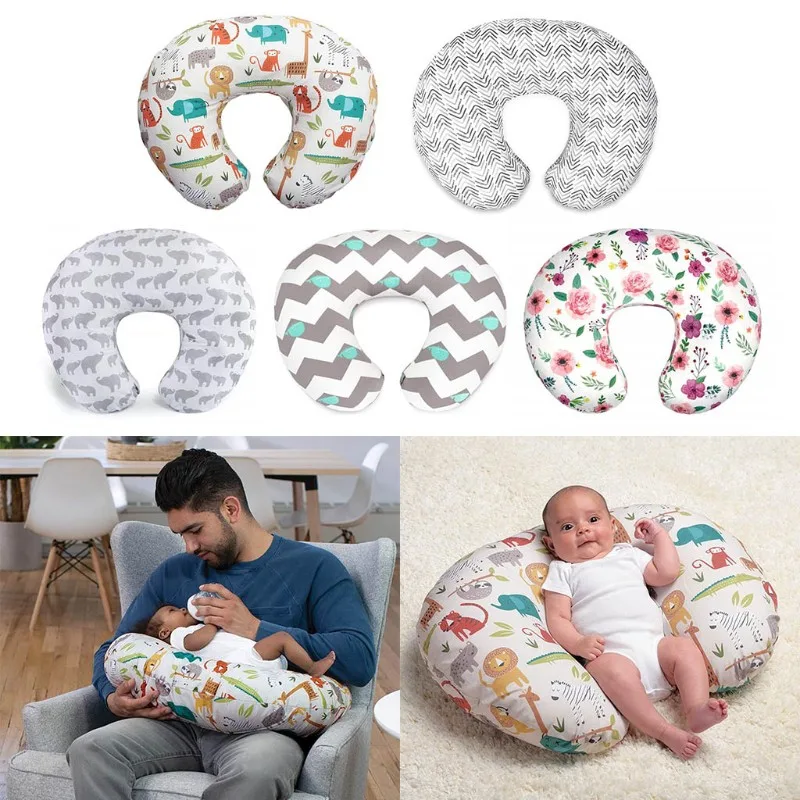
This is why nursing pillows organization ideas keep circling back to one question. Where does a 14-by-18-inch U-shape actually rest without rolling, without gaping open, and without becoming a floor-dwelling trip hazard you keep bumping into at 3 a.m.? If the pillow is on the floor next to the bed, you're dealing with a trip hazard and a suffocation risk if a curious toddler drags it toward the crib.
The answer depends on your room size, the clearance you've got, and whether you're squaring a 9-by-10 apartment or a walk-in-closet bedroom. We'll get into the numbers next.
Measure Your Space First: Cubby Depths, Door Widths, and Under-Bed Clearance
Before you buy a single basket, grab a tape measure and check three spots. This takes five minutes and saves you the "it doesn't fit" frustration three weeks later.
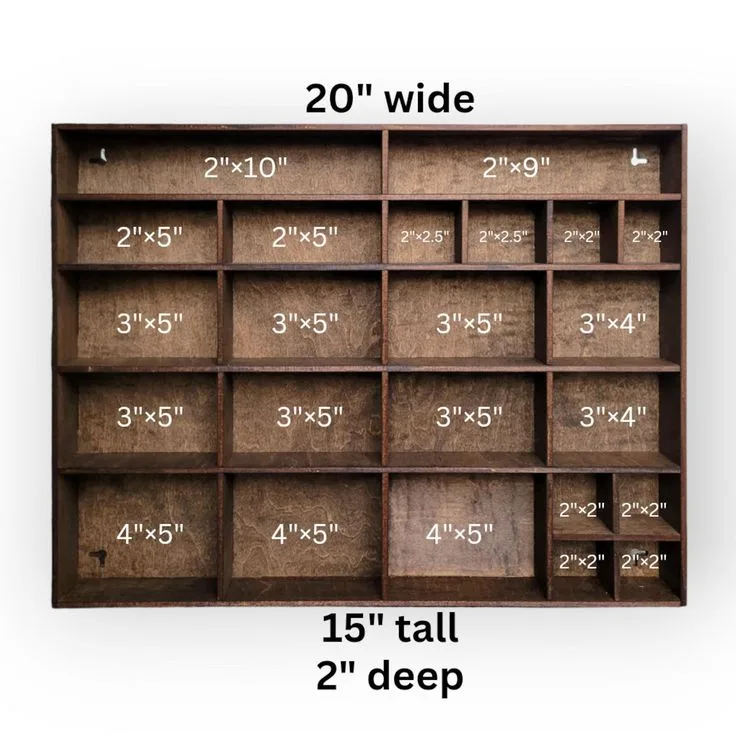
First, cubby or shelf depth. As of 2026, most KALLAX units shipped from US warehouses still use the 1.5×1 grid, giving you an 11.4-inch interior. A stowed nursing pillow (roughly 12 × 12 × 5 inches) slides in flat.
The smaller 1×1 grid is 7.9 inches. That's not enough. The pillow's arms won't lay.
Second, under-bed clearance. Measure from the floor to the underside of your mattress or bed frame. Most standard frames give you 8 to 10 inches.
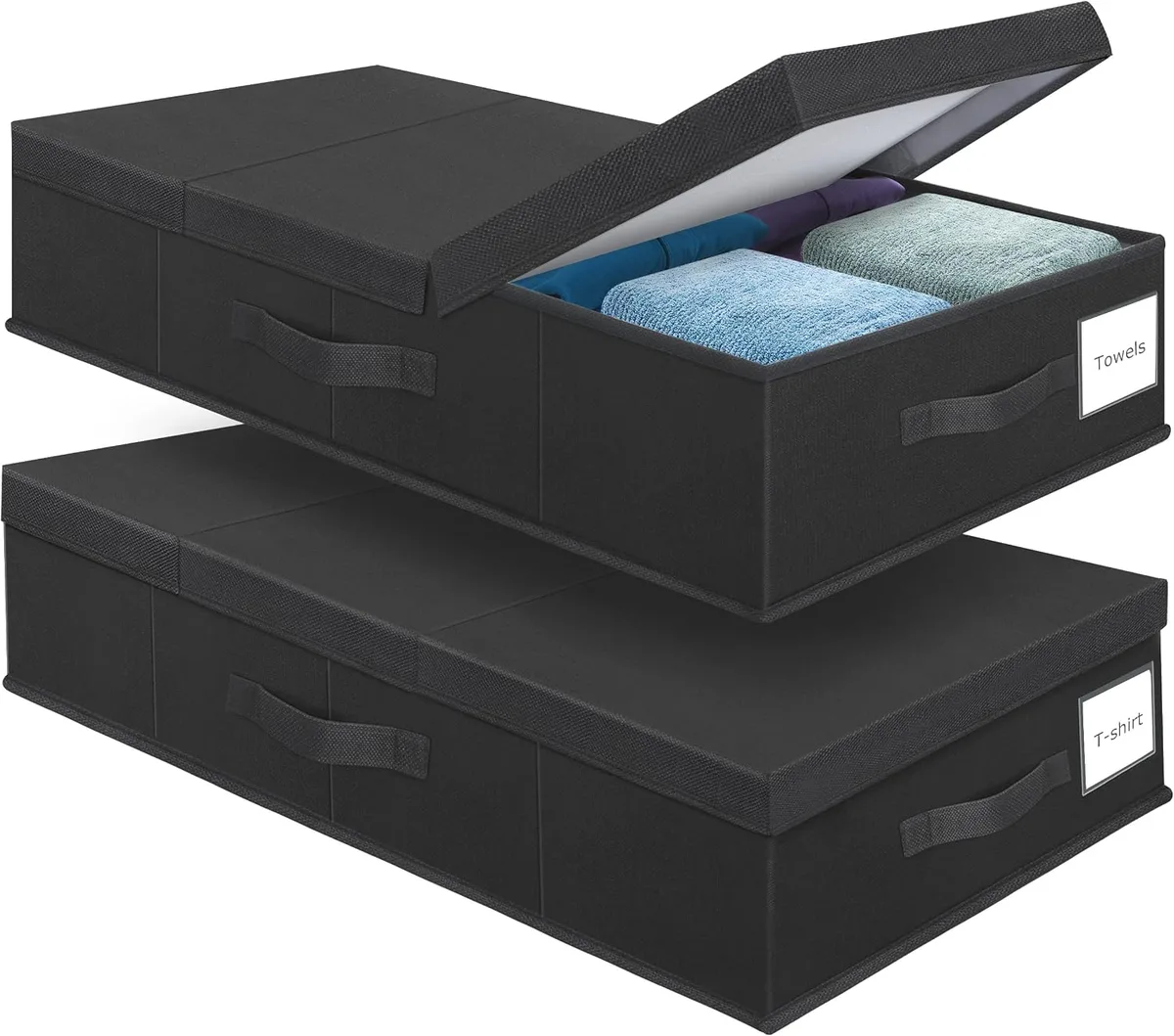
A lidded bin with the pillow inside fits. No lid means the pillow pokes up and you'll bump it every time you make the bed.
Third, door width. A standard interior door is 28 to 30 inches wide. An over-door hook or rail spans about 32 inches of hangable space.
That's enough for two folded pillows side by side, or one pillow plus a small bottle-drying rack.
Here's the quick reference:
| Space | Typical Dimension | How the Pillow Sits |
|---|---|---|
| 1.5×1 cubby | 11.4 in deep | Flat, arms tucked forward |
| 1×1 cubby | 7.9 in deep | Doesn't fit |
| Under-bed (lidded bin) | 8 to 10 in clearance | Flat inside the bin |
| Over-door hooks | 32 in wide | 1 to 2 pillows, folded |
| Closet shelf | 14 to 16 in deep | Upright or flat |
If your numbers don't match a spot, skip it. The pillow has to live where it physically fits, not where the Pinterest board says it should.
Build a 3 a.m. Feeding Zone in One Arm's Reach
Rule one: the pillow is the center. Rule two: everything you need for a feed lives within one arm's reach of it. That's four to seven items, no more.
Here's the standard set. The nursing pillow, or two for a wash rotation. A warm-bottle setup.
A small stack of burp cloths. A glass or plastic bottle with the right nipple. A pack of wipes.
Breast pads if you're nursing. That's it. Everything else lives somewhere else.
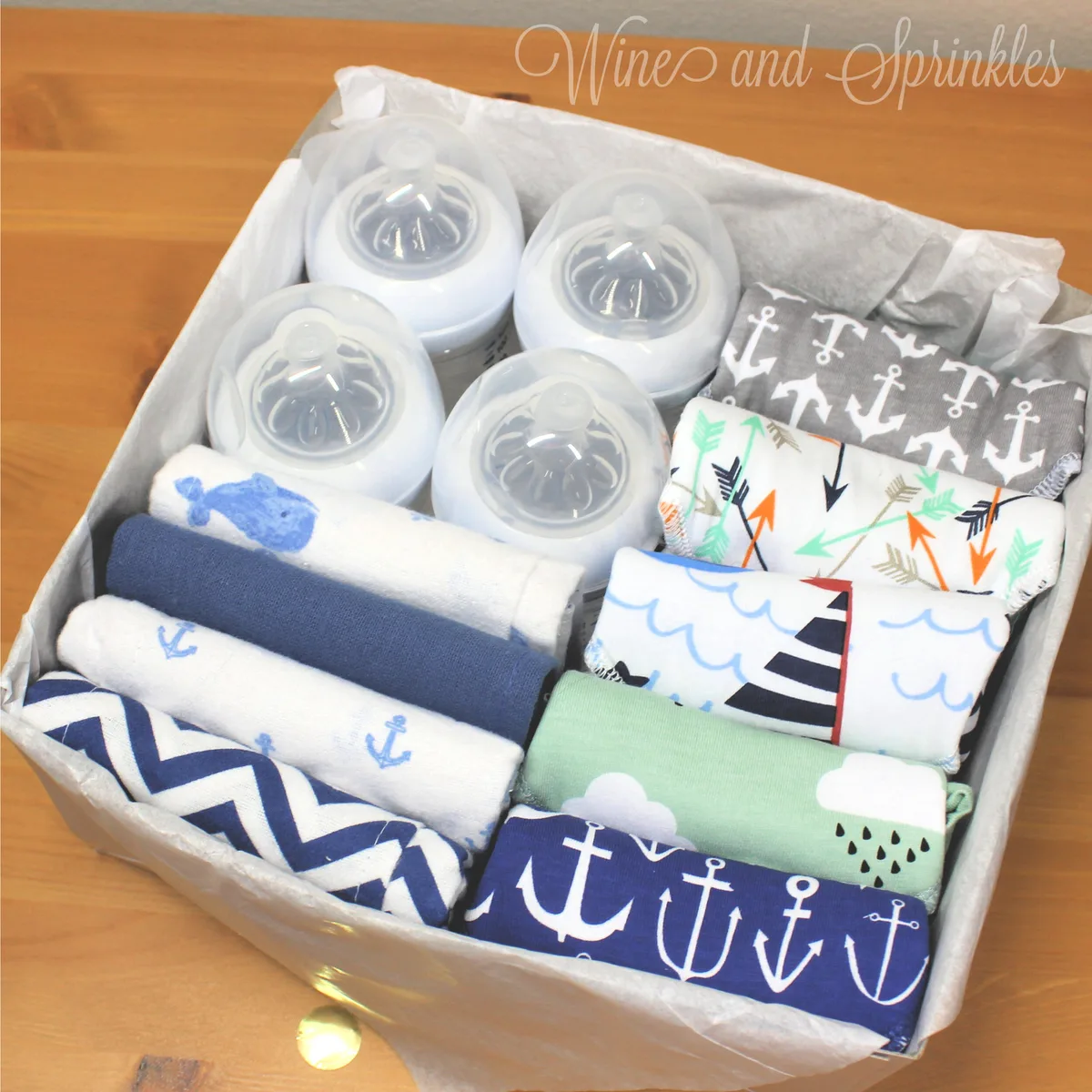
Place this zone on the side of the bed you actually feed from, or on a dedicated chair if you've got one. The pillow goes on the chair or mattress. The five accessories go in a single open-top basket or a shallow lidded bin right next to it.
No bending. No crossing the room. No reaching behind a dresser to find the burp cloth.
If your baby is still in the hourly wake cycle, this zone gets used eight to twelve times a day. You'll thank yourself for not having to fumble in the dark for a clean bottle.
The zone should look calm. One neutral bin. Five items.
Done. If you're tempted to add a phone charger, a water glass, and a book, park those on the nightstand. The feeding zone stays tight.
Where the Pillow Actually Lives: Shelf, Under-Bed, Door, or Closet
This is where the spatial math meets your actual room. Four main options, each with a tradeoff.
Open cubby (KALLAX or similar). The pillow sits flat, arms tucked forward. You can see it. You grab it in one motion.
The downside is dust collects on the exposed foam. If a toddler is climbing the unit, the pillow is prime grab-bait. Anchor the unit to the wall.
Under-bed lidded bin. Slide the bin under the bed. The lid stays closed. No dust, no visual clutter.
The bin disappears from sight, which is a huge win in a 9-by-10 bedroom where every surface is already doing double duty.
Over-door hooks or rail. Hang the pillow cover on a hook. The foam core tucks into the door pocket or rests on a rail. Works well if your door faces the bed.
Command strips keep it renter-safe. Check the 3-to-5-pound weight limit. Your pillow plus cover runs about 2 to 2.5 pounds, so you're under the threshold.
Top closet shelf. Park it up high, out of reach. Best for the weaning phase when the pillow's not in daily use anymore. Keep it in a labeled lidded bin so you're not guessing what's inside the box.
If you're also sorting out monitor placement, make sure the pillow's new spot doesn't block the camera's view.
The right spot depends on how often you're actually using it. Daily active use means open cubby or bedside. Seasonal or weaning means top shelf or compression bag.
In between, the under-bed bin is the sweet spot.
Five Spatial Mistakes That Turn a Tidy Nursery Back Into Clutter
Even with the measurements in hand, these five mistakes show up in nearly every nursery we've reviewed.
One: Storing a damp pillow in a sealed bin. Milk-soaked foam or a half-dried cover shoved into a vacuum bag will smell like mildew by Tuesday. Let the cover air-dry fully, 24 hours minimum, before it goes back into storage.
Two: No single home for the pillow. If it lives on the floor by the couch on Tuesday and in the top drawer on Thursday, you'll lose track of it mid-feed. Pick one spot. Label it.
Return it there every single time.
Three: Stacking open-top bins two-high in a cubby unit. A 14-month-old pulling on the bottom bin tips the top one. Anchor the unit to the wall. Keep the pillow and any soft objects well above safe-sleep height rules.
Per AAP safe-sleep guidance, no loose bedding or pillows belong in a crib, period.
Four: Forgetting the weaning pivot. You go from using the pillow ten times a day to not using it at all. If it's still parked on the floor or in the open cubby, it just sits there for months, collecting dust. Plan the off-season spot from day one.
A compression bag on the top closet shelf, labeled "Nursing pillow, use when weaning ends."
Five: Ignoring the door hinge side. You hang the pillow on an over-door hook, but the hinge side is the wall. The pillow swings into the wall every time you open the door. Check which side the hinges are on before you mount anything.
Keeping the Pillow Out of Crib-Reach and Toddler-Grab-Range
The AAP safe-sleep rule is non-negotiable: no soft objects, no loose bedding, no pillows in a crib, bassinet, or co-sleeper. Your nursing pillow's storage spot has to clear a specific height threshold.
Here's the math. A crawling 10-month-old reaches 22 to 24 inches from the floor. A standing 18-month-old hits 36 to 40 inches.
If your pillow sits on a cubby shelf at 20 inches, it's grab territory by month ten. You need it above 40 inches, behind a latched door, or inside a bin with a childproof clip.
Per CPSC suffocation-hazard guidance, soft foam objects in a crib are a leading cause of infant entrapment and asphyxiation. The rule extends to any surface a baby can roll or crawl into. That includes the gap between a crib and a low nightstand where you might park the pillow between feeds.
Quick placement checklist:
- Cubby shelf: Mount the unit so the bottom shelf clears 40 inches off the floor, or gate the front with a childproof latch.
- Over-door hook: If the door faces the crib, the pillow hangs in the baby's crawl path. Move it to the back of the door or switch to a higher rail.
- Under-bed bin: The lid is your friend. A push-lock clip keeps a curious toddler from pulling the foam out.
- Top closet shelf: Gold standard for the weaning phase. Behind a door the baby can't open.
If you've got a gear cart or stroller parked in the room, check that the pillow isn't draped over its handle where a crawling baby can grab it. The pillow lives in one fixed spot, not the nearest surface.
From Active Use to Off-Season: The Weaning Storage Pivot
The moment weaning is final (and we mean final, not "maybe next month"), the pillow shifts from daily gear to storage item. This is where most nurseries get stuck. The pillow just sits in the open cubby for three months, collecting dust.
Here's the pivot plan.
Week one after weaning: Strip the feeding zone. Pull the five accessories out of the open bin. Pack bottles and burp cloths into their own drawer.
The pillow is now the only thing left.
Week two: Wash the cover. Air-dry it flat for 24 to 48 hours. Stuff the foam core back in once it's fully dry.
Fold it accordion-style (slimmer, about 4 inches thick) for a drawer, or keep the U-shape for an open cubby.
Week three and beyond: Tuck it into a vacuum-seal compression bag. This cuts the stowed volume from 12 × 12 × 5 inches down to roughly 12 × 12 × 2 inches. Label the bag.
"Nursing pillow. Use for co-sleeping, car-ride support, or a second baby." Drop it on the top closet shelf.
If you're feeding twins, you've got two pillows and two sets of accessories. One compression bag holds both. Before you commit to a long off-season, check stored supply expiration.
Don't pack away gear that's already past its prime.
The whole pivot takes one afternoon. Do it in that window, or you'll be dragging the pillow back out for "one more feed" at month eleven.
Quick Answers to the Questions That Actually Come Up
Can I keep the nursing pillow on the floor between feeds?
No, not as a permanent spot. A floor-dwelling pillow becomes a trip hazard and a crawling baby's projectile. Give it one fixed home, a cubby or lidded bin, and return it there after every feed.
Two minutes of discipline beats three months of clutter.
How many nursing pillows do I actually need?
One covers active use. Two is the sweet spot for a wash rotation. You're feeding 8 to 12 times a day in the early months.
You don't want to skip a feed because the only pillow is in the dryer.
What if my room is 9 by 10 feet with no closet?
Under-bed lidded bin for the pillow. Over-door hooks for the cover. A wall-mounted shelf with one open-top basket for the five accessories.
Total footprint: 18 square inches of wall, 30 square inches of floor.
Do I need to wash the pillow cover weekly?
Not on a schedule. Wash after any spit-up or formula splash. Air-dry fully before it goes back in storage.
If a damp cover sits in a sealed bin for three days, you get mildew smell. The foam core never goes in the machine.
Where does the pillow go once the baby moves to a toddler bed?
Same rules apply. No soft objects in the child's sleep space. Park it in a labeled lidded bin on the top closet shelf.
If the toddler still co-sleeps, the pillow stays on the parent's side of the bed.

Taslima Khanam Sultana, a loving mom of three, founded BestBabyCart.com to help new parents navigate the world of baby products with ease. Her passion for making parenting simpler shines through delivering honest, unbiased reviews on must-haves like diapers, strollers, and feeding gear. Taslima’s mission is to empower families with expert tips, ensuring every product is safe and top-quality for your little one. Drawing from her own parenting journey, she’s dedicated to supporting yours!